Faced with tariffs and geopolitical instability, Canada's prime minister has responded with state-backed investment, energy pragmatism, and a push for economic independence
Any disruption in the Hormuz has cascading knock-on effects that extend far beyond energy markets, impacting international trade. Al Majalla explores all this and more.
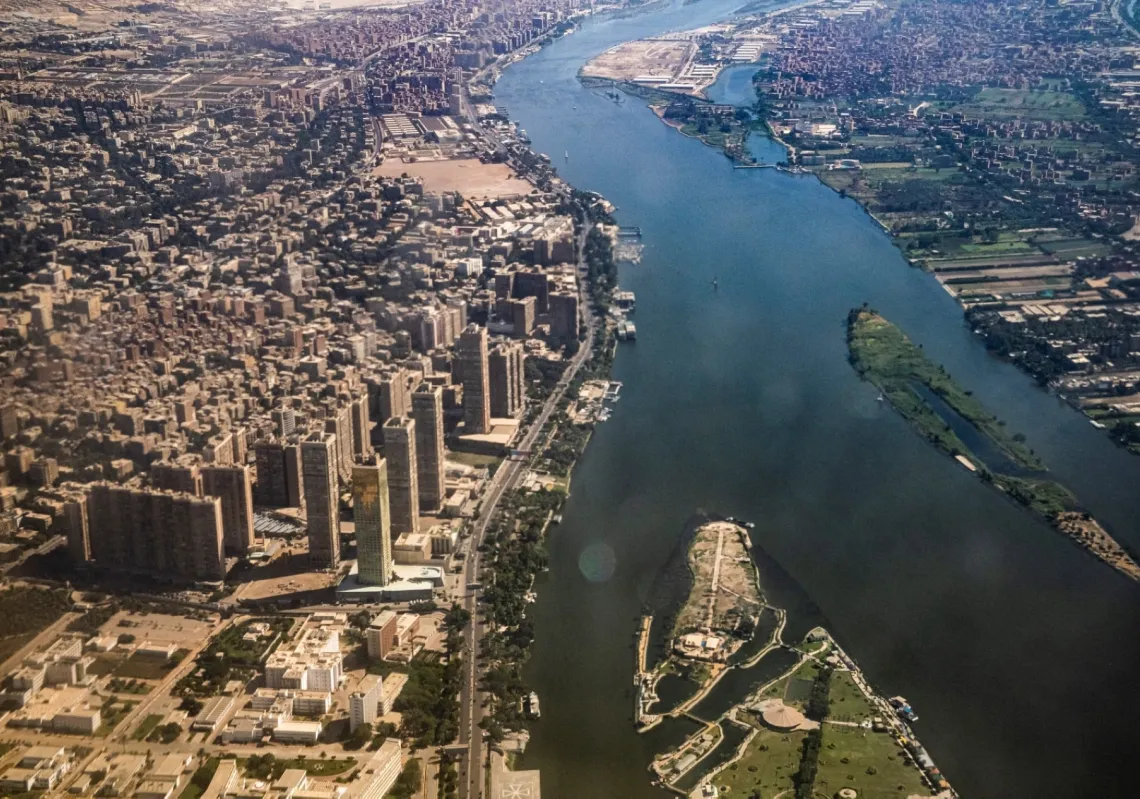
The country is particularly exposed to energy market mayhem and has urgently trimmed its fuel demands, as three emergency Saudi oil shipments help keep the lights on at home.
Riyadh and Cairo are trying to ease the acute oil shortfall through alternative pipelines, but these are just band-aid solutions, as the world's most vital energy corridor remains closed by Iran
A US-Israeli attack on Iran has turned into a regional war, sending Brent crude prices over $100 a barrel, and throwing shipping, inflation, and monetary policy into turmoil
The north African nation wonders if it might step in, as war in the Middle East halts shipments of liquefied natural gas and leaves importing nations looking for alternatives.
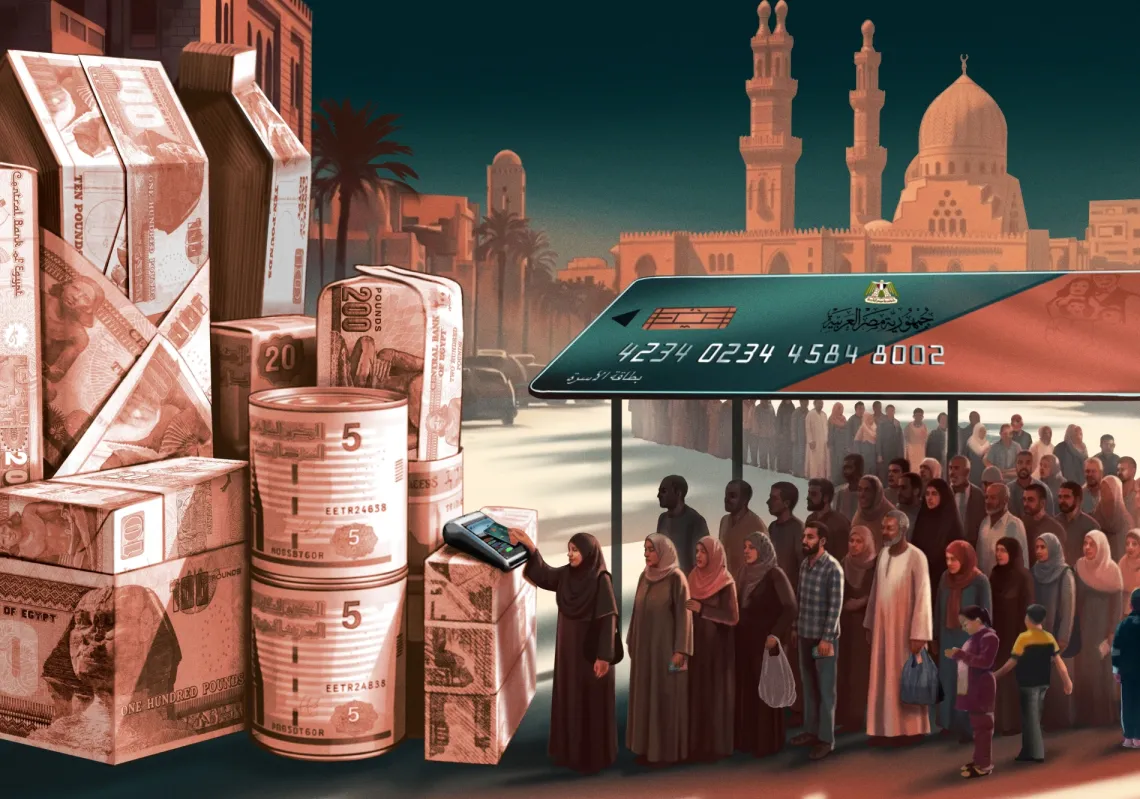
Even if it stays on the sidelines of the US-Iran war, the country is fragile. Unlike larger economies that can absorb shocks in global markets, it has little room to cushion the impact.
As support for Israel weakens across the US political spectrum, once-taboo questions about military aid, lobbying influence, and US backing are moving into the mainstream
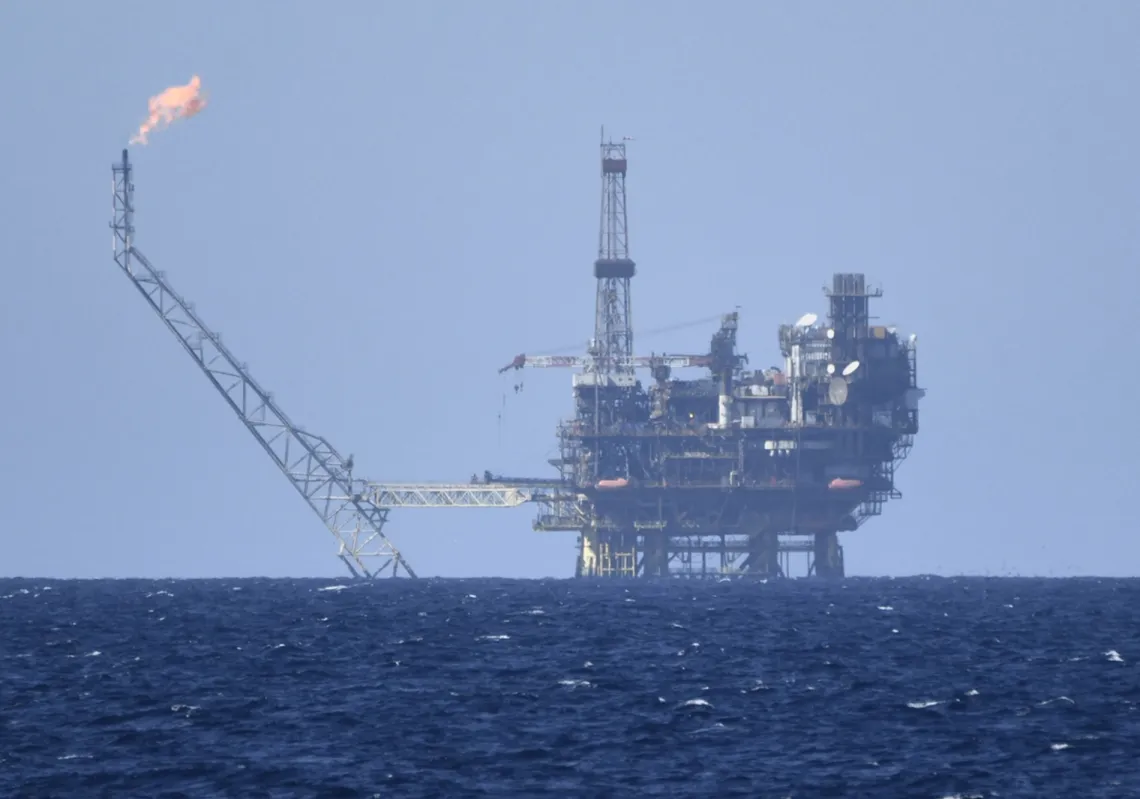
Algeria is one of Africa's largest producers of hydrocarbons, and its proximity to customers in Europe makes it of growing interest as importers fret over a prolonged supply crisis from countries
Through extravagant processions led by palace women, the Mamluk state projected a message of power and prestige at home and abroad, turning the Hajj obligation into a soft-power tool