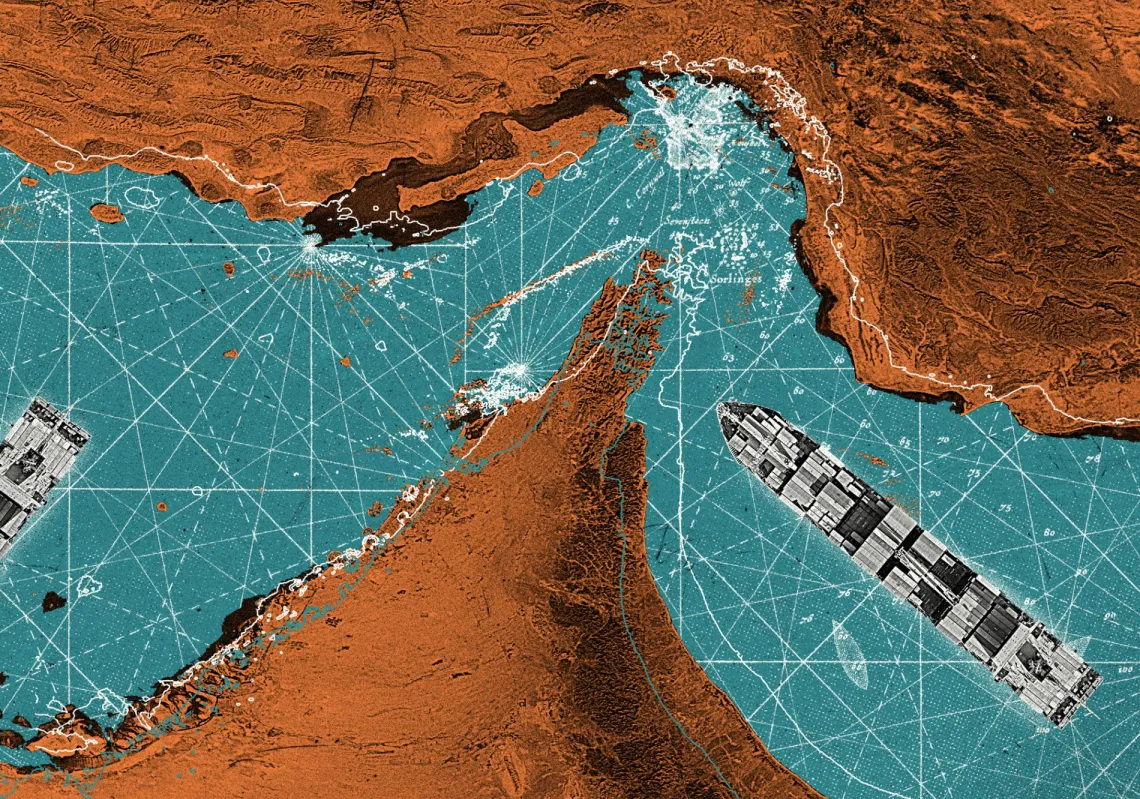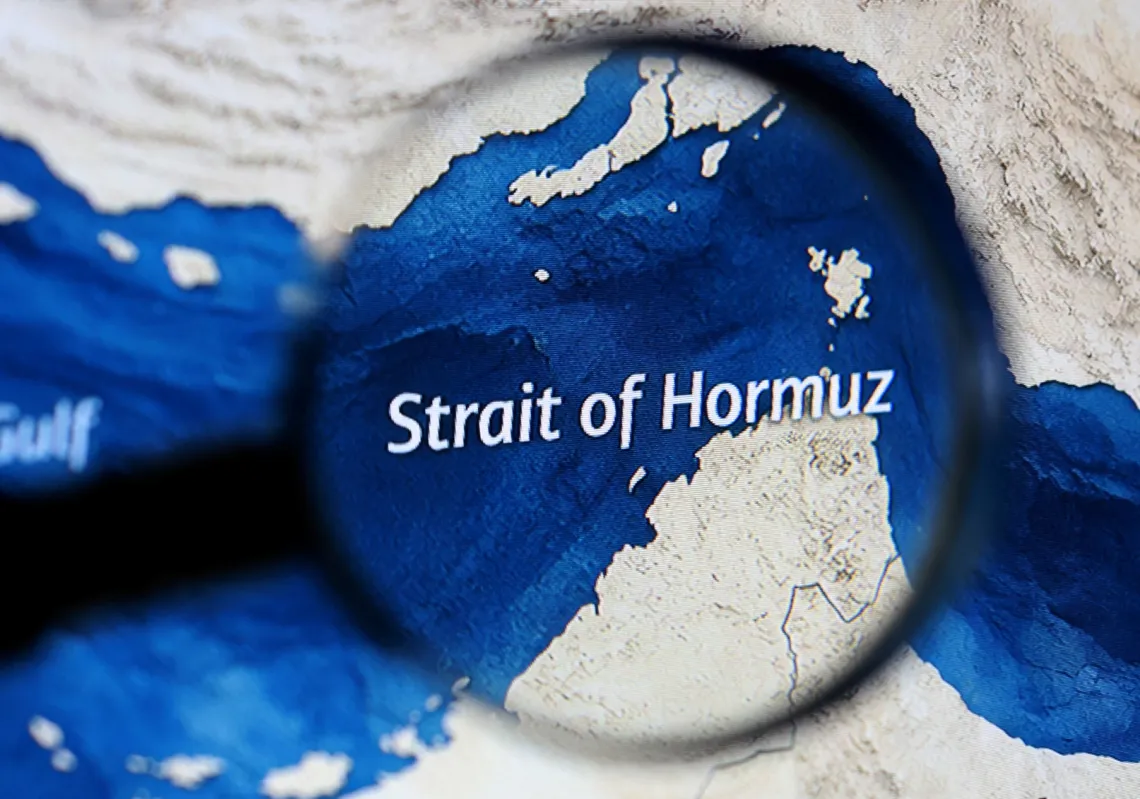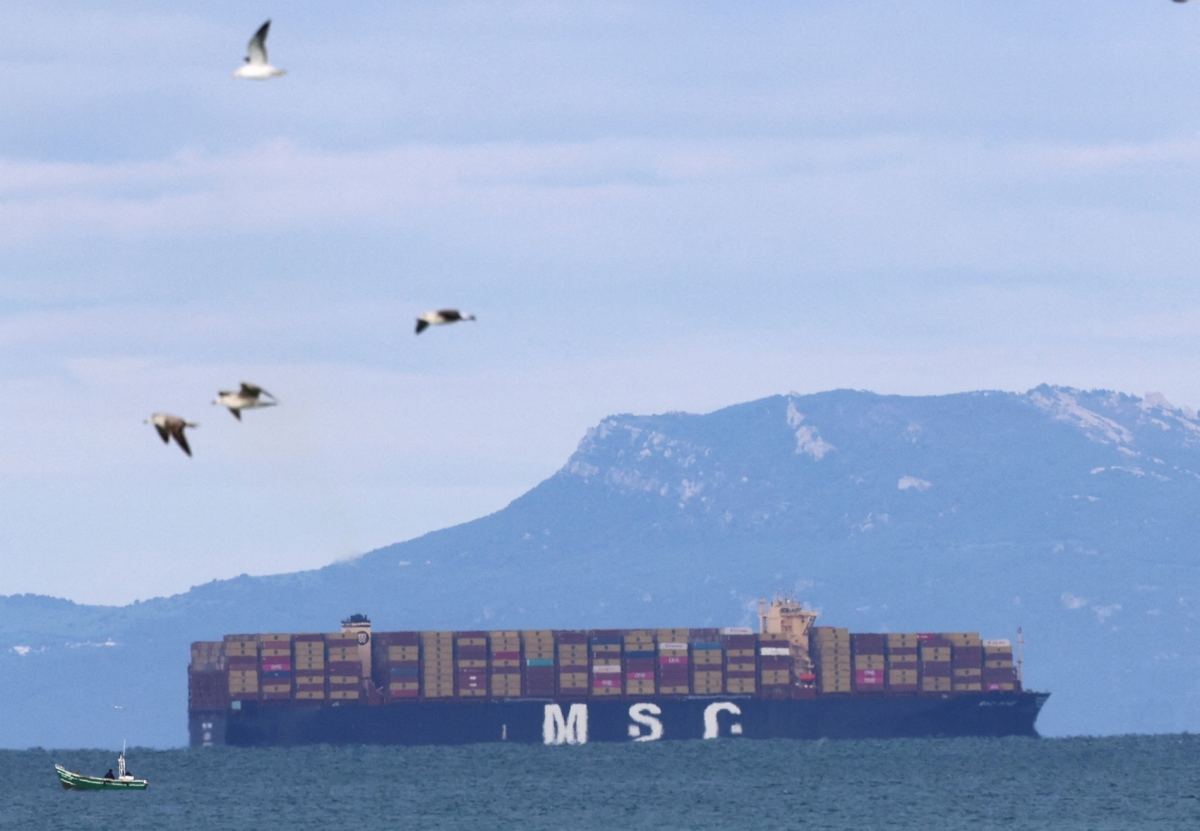

There are very few countries in the world that haven't been affected by the disruption to maritime traffic in the Strait of Hormuz. Global supplies and costs—not least in energy markets—have been impacted, given that up to a fifth of the world’s oil and gas previously traversed the strait every day on its way from the Gulf.
The world’s eight busiest straits were once seen as the arteries of trade, energy, and goods—as magnets for investment and engines of job creation, as globalisation transformed the world into a village of production and consumption. Today, some of these waterways are sources of anxiety for international shipping firms. The Strait of Hormuz, the Gulf of Aden, and the Bab el-Mandab Strait are all flashpoints, raising the risks of passage through the seas of the Middle East.
Against this backdrop, the Strait of Gibraltar in the western Mediterranean stands out as one of the world’s safest and most stable waterways, linking the Mediterranean and the Atlantic. A 14km stretch straddling southern Spain and Morocco, its position is strengthened by the Tanger Med Port, which is now among the best options for maritime transport, trans-shipment, and re-export. Morocco has two other major ports, Nador and Dakhla, on the Mediterranean and Atlantic coasts, respectively.
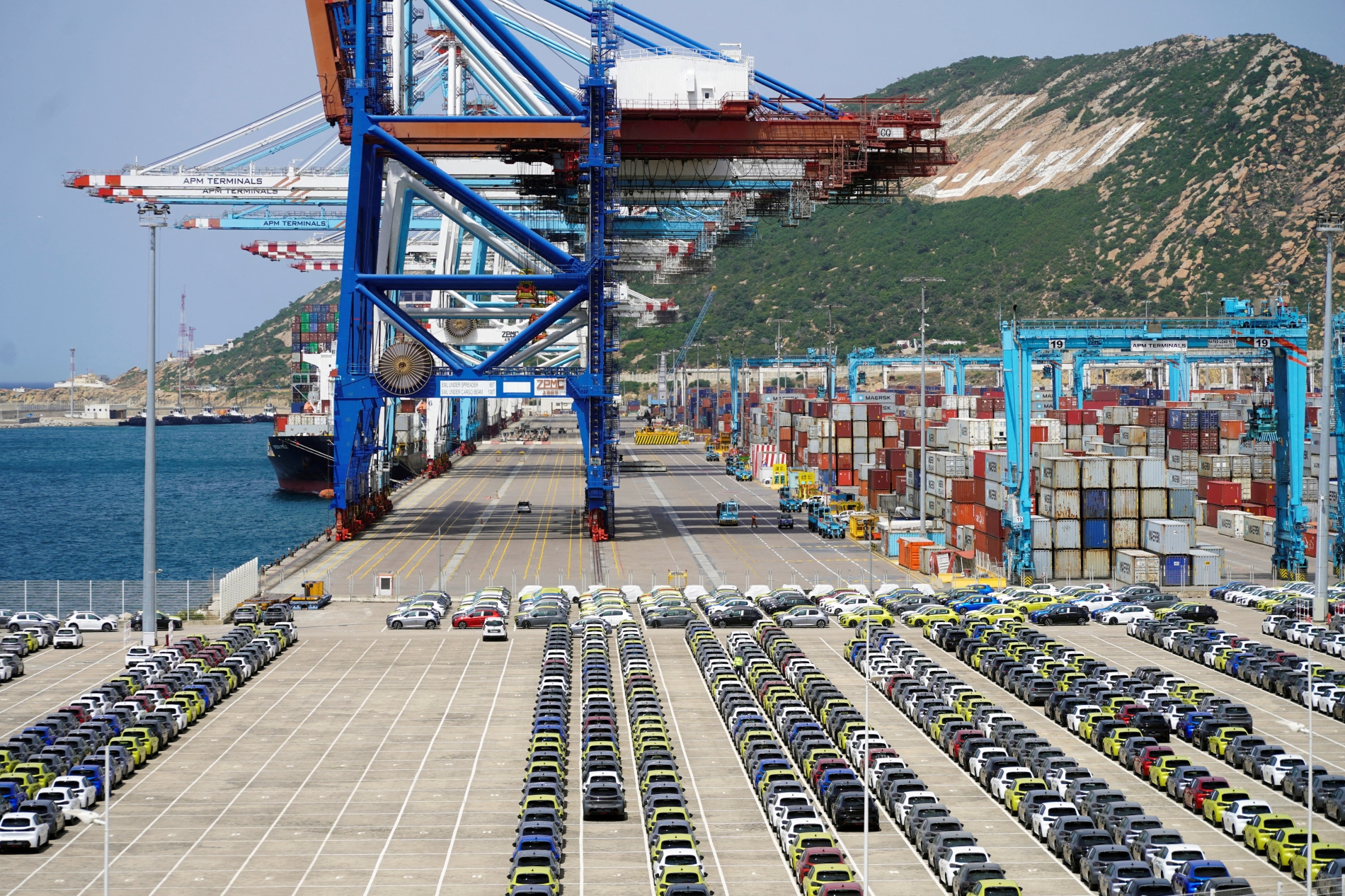
Ranked first in Africa and 19th globally, the port has surpassed those in Spain, France, and Italy. This year, it is handling 12 million containers, twice as many as Spain’s Algeciras. Across Europe and North Africa, it arguably ranks only behind Rotterdam in terms of importance.
Before Israel's war on Gaza (which prompted a response by Yemen’s Houthis, who attacked ships approaching the Red Sea) and the Iran war, maritime straits in the Middle East secured commercial sea routes from the Arabian Gulf to the Indian Ocean, the Red Sea, and the Suez Canal, then onward to the Mediterranean, the Strait of Gibraltar, the Atlantic Ocean, northern Europe, and the east coast of the United States.
Interestingly, a third of the world’s maritime straits lie in West Asia, including the Arabian Gulf, the Middle East, and North Africa, giving the Arab region a distinctly strategic role in global waterborne trade.
Joint monitoring
The Strait of Gibraltar is 14km wide between the shores of Europe and North Africa, and 20% of intercontinental maritime trade sails through it, equating to up to 400 vessels per day, or roughly 100,000 a year, according to the IMO. Unlike Hormuz, the Strait of Gibraltar enjoys a high degree of fluidity in the movement of ships between the Mediterranean and the Atlantic. It is subject to joint monitoring by Spain and Morocco, alongside Britain, which retains sovereignty over the Gibraltar peninsula.
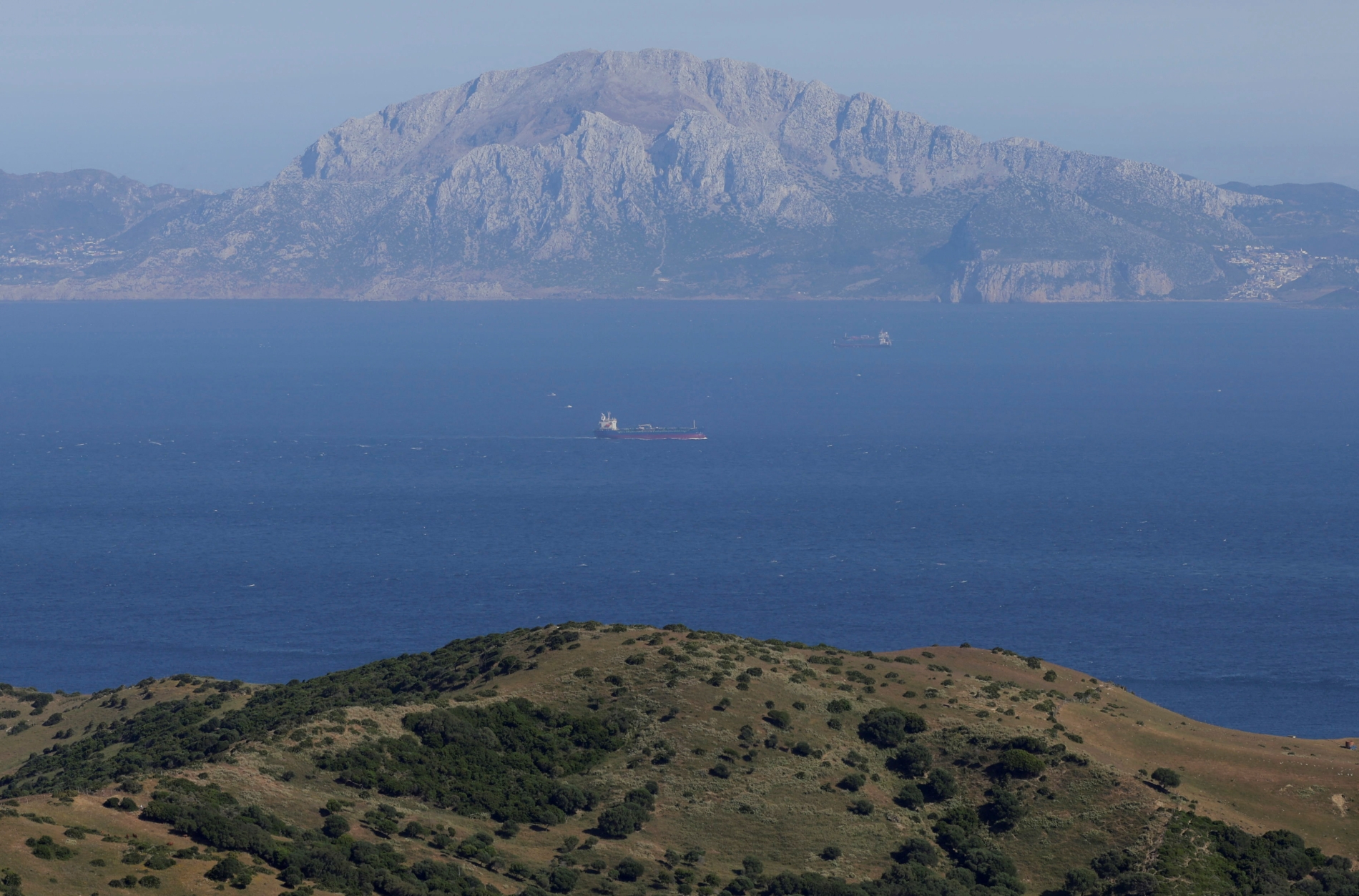
Vessel traffic can be observed from three directions across two continents: Jebel Musa in Morocco, the Rock of Gibraltar in British territory, and the island of Tarifa in Spain. All these places, no more than 20km apart at their widest separation, bear Arabic names and share a common history that began in Morocco.
Rachid Sari, president of the African Centre for Strategic Studies and Digitalisation, told Al Majalla that "Morocco will not impose fees on vessels crossing the Strait of Gibraltar" as it "wants to become an actor in global trade through its various ports, which give it economic and geostrategic weight and allow it to become a major platform for distributing goods and merchandise to Europe". He added: "The important thing is to turn geography into economic gains that attract investment, not to obstruct trade."
Safeguarding measures
After Iran took control of the Strait of Hormuz, the European Commission proposed strengthening port security against new threats, accelerating the energy transition to reduce reliance on imported fossil fuels, investing in modern, efficient vessels, and establishing rules governing foreign investment in European port infrastructure. The EU is also examining crisis scenarios affecting maritime trade routes.