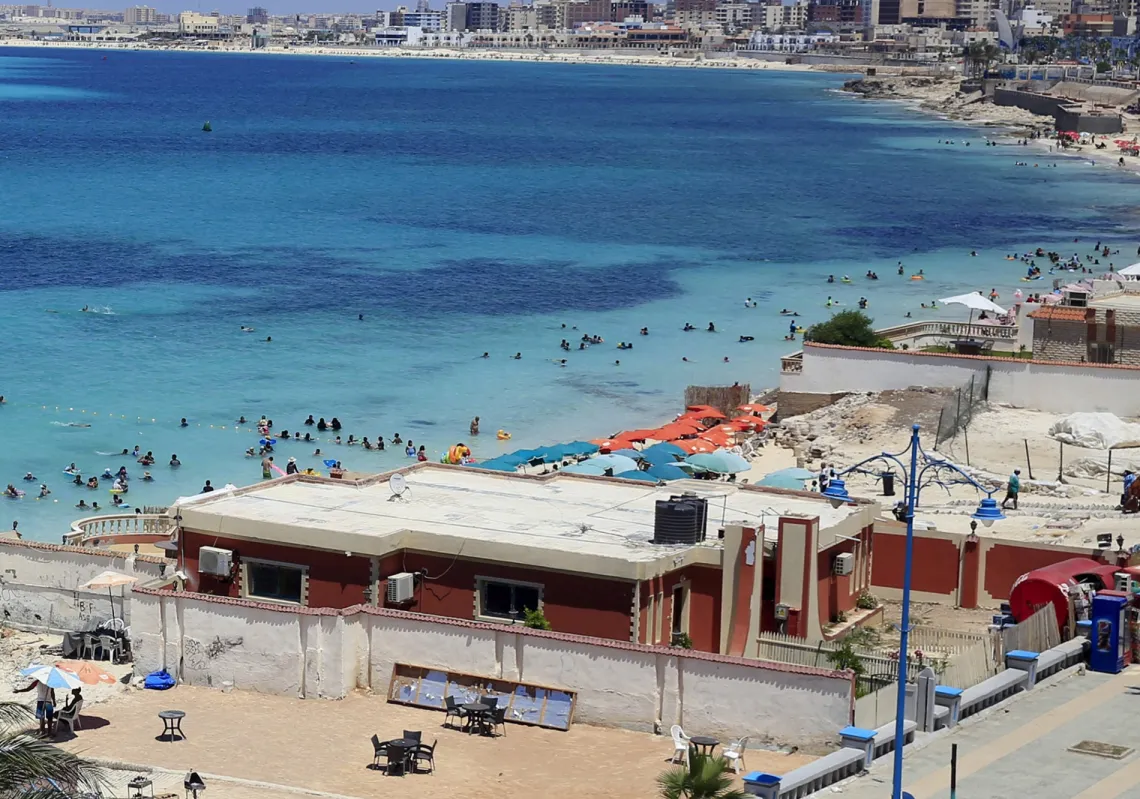
Rising prices, dollar pressures, and Red Sea disruption are making Eid al-Adha increasingly unaffordable, exposing Egypt's dependence on imports and deepening concerns over food security
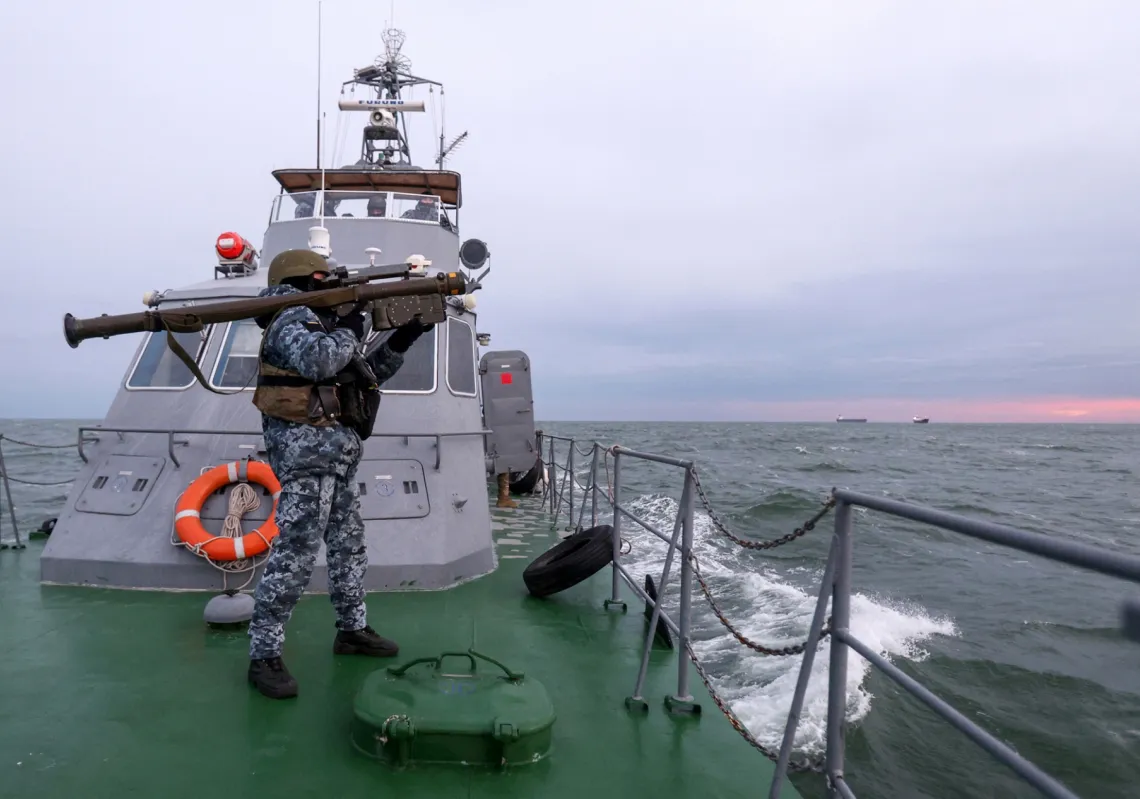
The standoff in the Hormuz is not simply a question of whether Tehran can survive economic pressure, but whether Washington can sustain the pressure at an acceptable cost.
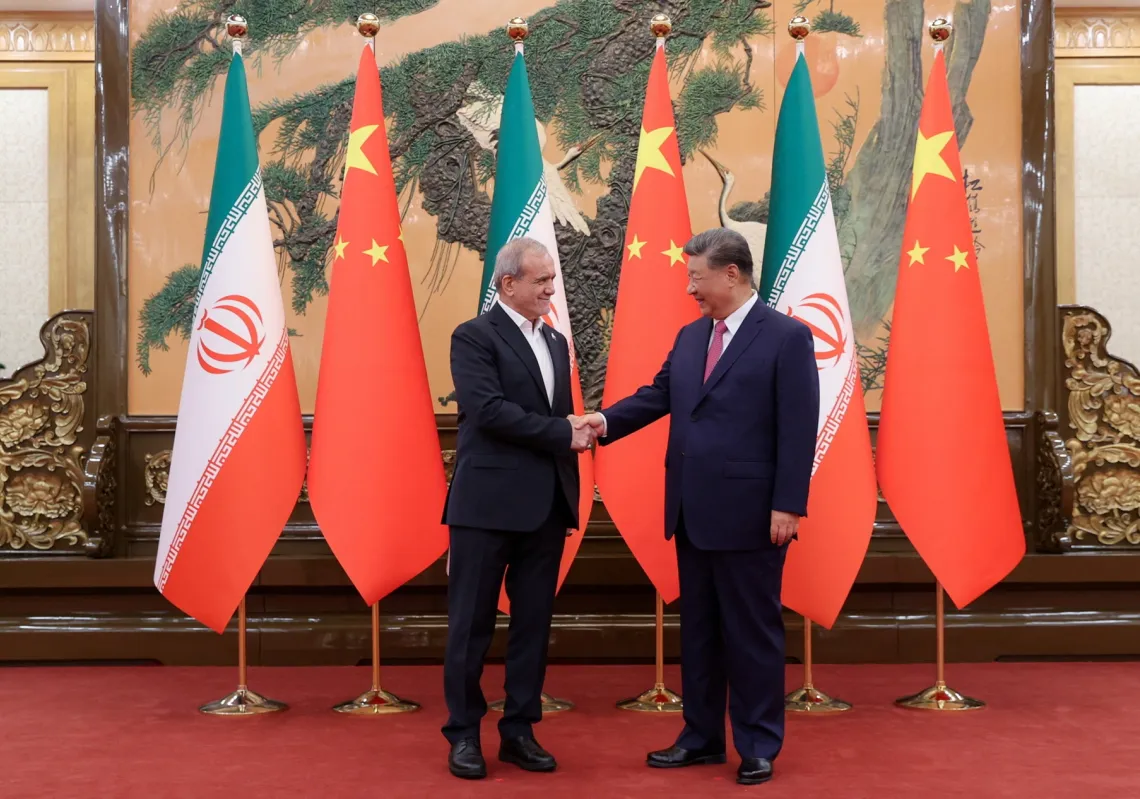
Closing the Strait of Hormuz has shown how the Gulf should shift from an oil-export model to a digital and distribution hub. Will this trigger the long-delayed free trade agreement with China?
Disruption in the Hormuz can have major implications for global trade, but it also creates opportunities for smaller nations like Iran to become global political players
Pipelines have a chequered history in the Middle East, but the closure of the Strait of Hormuz has led US Tom Barrack to conclude that a new route through Syria could solve some problems.
With Iran's effective closure of the Strait of Hormuz, alternatives for Gulf energy transit are being sought. Could the Saudi landmass straddling two seas be bridged for the benefit of all?
As support for Israel weakens across the US political spectrum, once-taboo questions about military aid, lobbying influence, and US backing are moving into the mainstream
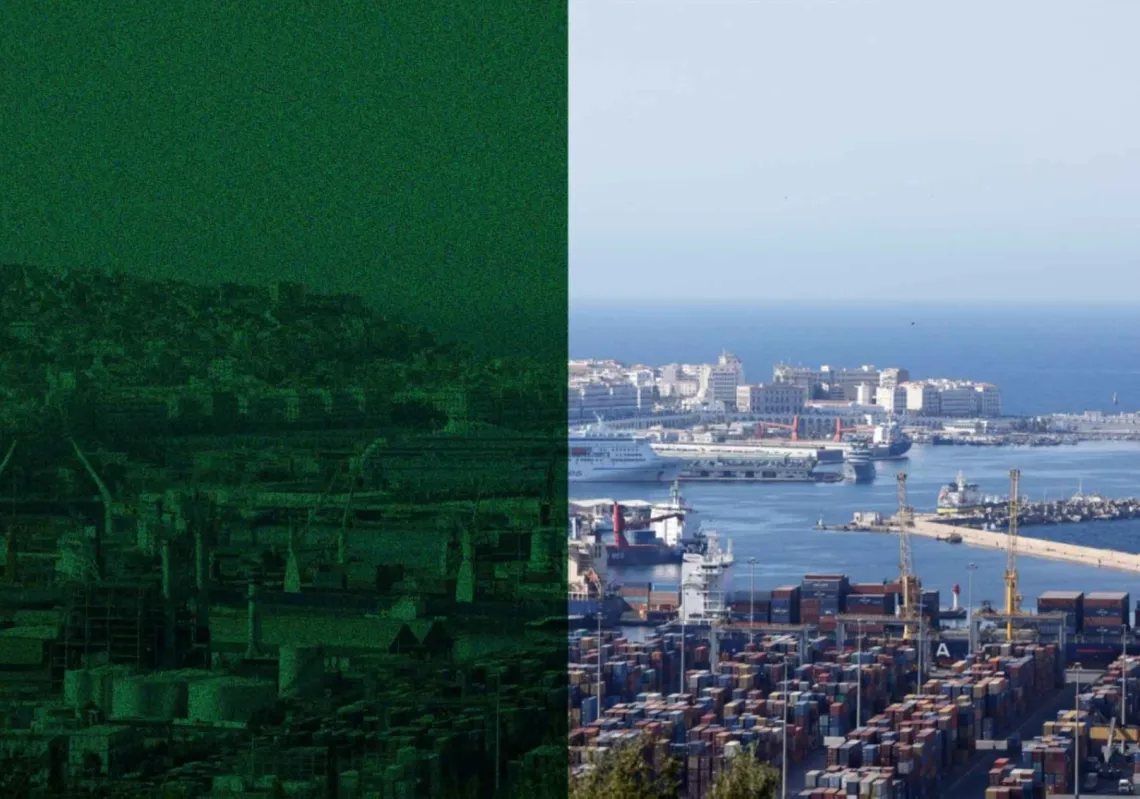
Algeria is one of Africa's largest producers of hydrocarbons, and its proximity to customers in Europe makes it of growing interest as importers fret over a prolonged supply crisis from countries
Through extravagant processions led by palace women, the Mamluk state projected a message of power and prestige at home and abroad, turning the Hajj obligation into a soft-power tool