Crisis and success: how Arab economies fared in 2025

There are common themes between those states experiencing growth and those facing crisis and instability. It pays to look at the success stories and to think bigger, including on a regional level.

Crisis and success: how Arab economies fared in 2025

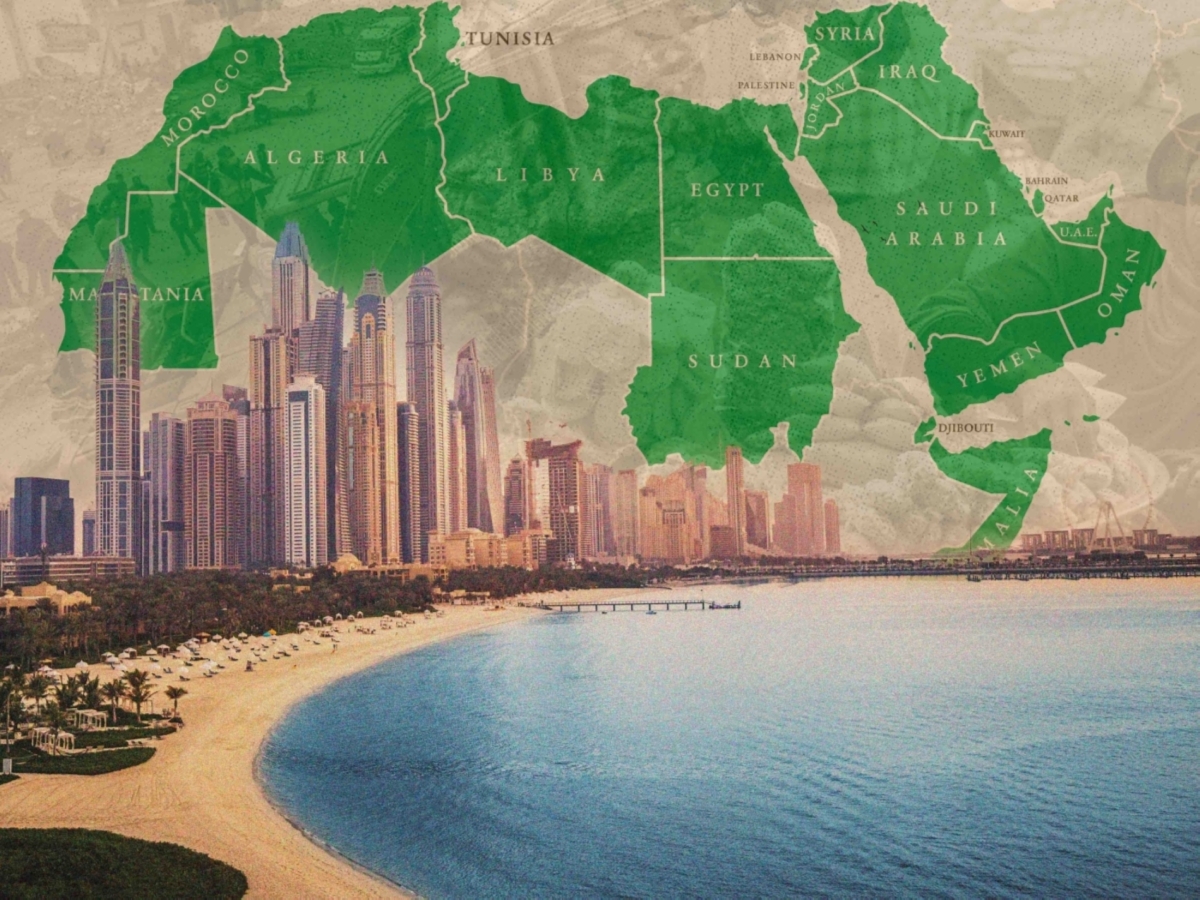
Reflecting on the year that was, the Arab world’s economic landscape offered a complex and somewhat contradictory picture shaped by shifting geopolitical dynamics and uneven natural resource endowments. While some countries recorded growth driven by structural reforms and economic diversification, others found that their financial and social stability was eroding.

International reports, including from the International Monetary Fund (IMF) and the World Bank, projected an average regional growth rate of 3.2% for the Middle East and North Africa in 2025, but this figure conceals stark disparities between countries, with some making remarkable progress, while others were mired in crisis.

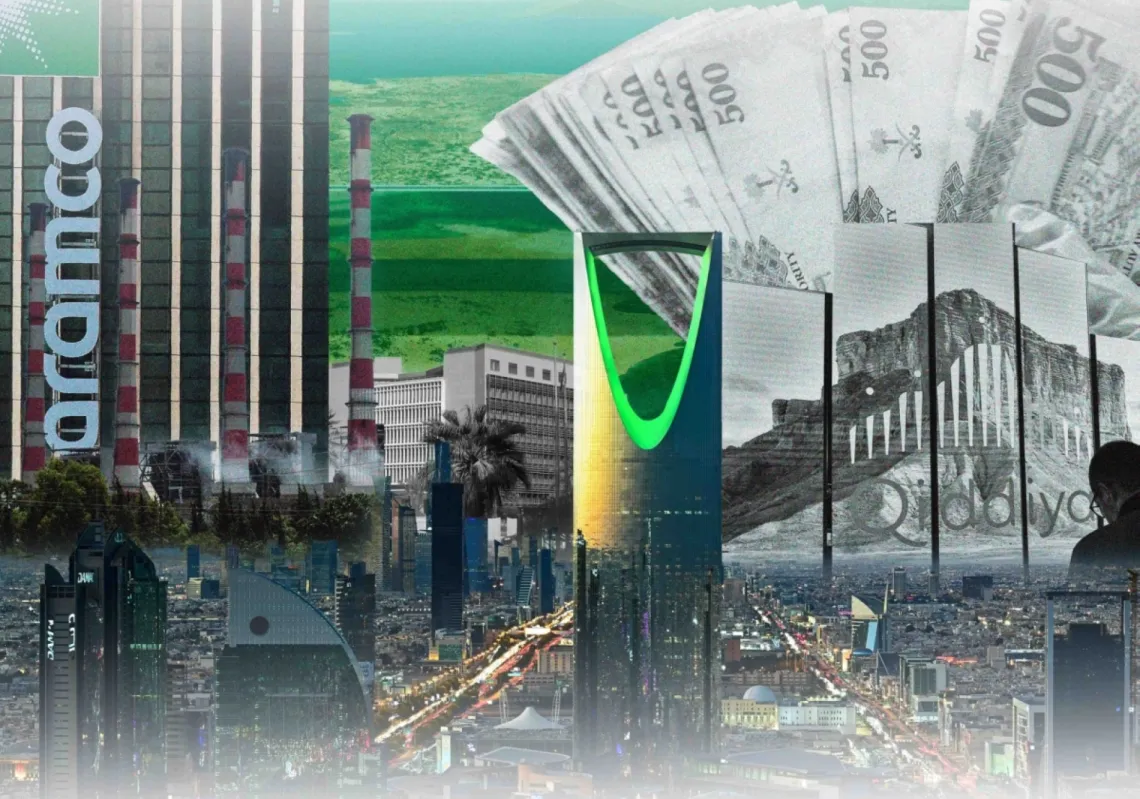
Cautious optimism emerged from GCC countries, which capitalised on the energy price surge of previous years to strengthen their development agendas and recover from the 2024 slowdown. Growth remained anchored in the oil sector, but progress in non-oil industries was supported by bold fiscal and legislative reforms, rapid diversification efforts, and substantial investment in technology, artificial intelligence (AI), and tourism.

Gulf states diversify

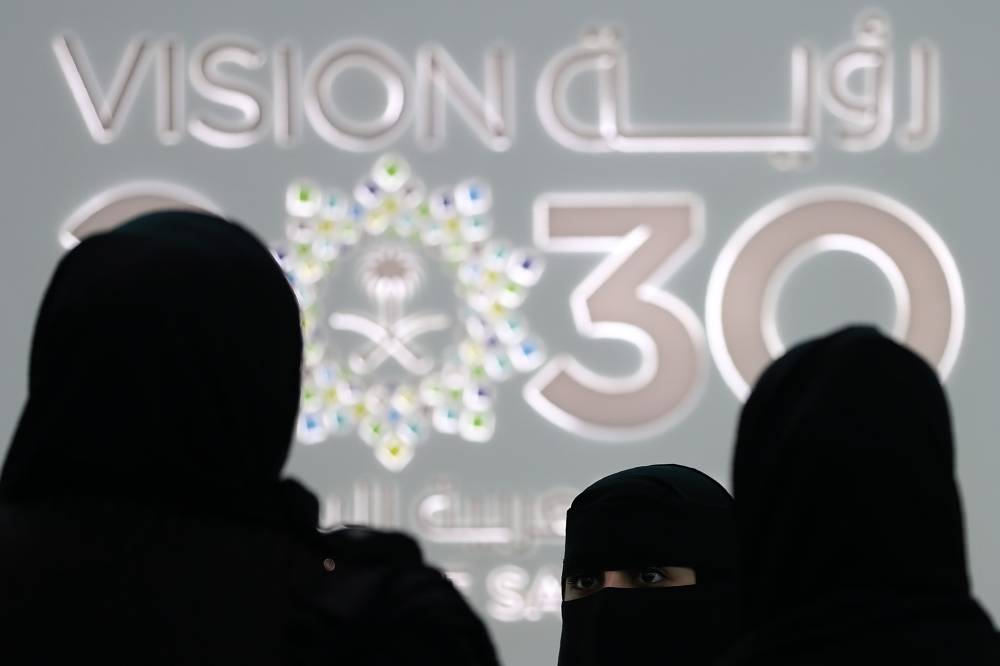
Notably, the Gulf states did not rely solely on their natural resources. Rather, they placed growing emphasis on developing knowledge-based economies, becoming safe havens for global capital amid ongoing geopolitical tensions. Saudi Arabia’s Finance Minister Mohammed Al-Jadaan said 85% of the country’s Vision 2030 projects were either complete or nearing completion.

The Saudi sovereign wealth fund’s assets under management approached $1tn in a diversified portfolio. Saudi non-oil growth exceeded expectations, and the country welcomed 100 million domestic and international tourists, seven years ahead of its Vision 2030 schedule (it has since raised its target to 150 million visitors by 2030). Tourism revenues reached $41bn in 2024, surpassing the combined tourism income of Egypt, Tunisia, and Jordan (Saudi tourism jobs for Egyptians, Syrians, and Lebanese generated $150bn in remittances to their home countries).

AFP
Knights during a parade around the Maraya Hall in AlUla, on 28 January 2024.

Increased oil production, alongside a 4.5% expansion in the non-oil sector, meant that the United Arab Emirates (UAE) also recorded GDP (gross domestic product) growth of 4.8%. The Emirates’ ambitious strategy is focused on investment in technology and AI. Dubai remains a prime destination for tech firms, with $45.6bn of foreign direct investment (FDI) into the UAE last year. Free trade agreements with Asian and European countries further bolstered UAE exports.

Raising non-oil revenue

Qatar similarly stood out as a stable economic force, capitalising on its role as a major supplier of liquefied natural gas (LNG) to meet 12-14% of Europe’s demand following the disruption of Russian supplies. The country also hosted the Club World Cup and the Asian Cup, boosting returns on investment and contributing to growth.

Oman presented a quiet model of success. The Sultanate reduced its external debt to 36.1% and recorded a modest budget deficit of 0.5% of GDP, supported by prudent fiscal management and growing investment in renewable energy. Kuwait recorded growth of 2.6%, driven primarily by resumed oil production and an acceleration in non-oil sector activity.
The Gulf capitalised on the energy price surge of previous years to strengthen states' development agendas and recover from the 2024 slowdown

A new public debt law enabled the issuance of bonds for the first time in years. Inflation fell to 2.2%, while non-oil revenues rose by 9%. The full-scale operation of the Al-Zour refinery (one of the largest in the world) and a 6.7% increase in private sector credit further strengthened confidence in the economy, keeping Kuwait on a recovery path, with growing emphasis on investment in technology and renewable energy.

Bahrain recorded growth of 2.7% in 2025, with the non-oil sector contributing 85% of GDP. FDI increased by 5.4%, while unemployment fell below 4%. The country issued sukuk and bonds worth $2.5bn to finance infrastructure projects and ranked first in the Arab world on the Law and Order Index.

Boosting trade

Morocco was a North African success story, with its economy growing by 4.4% in 2025, including a notable 5.5% increase in the second quarter. This growth was driven by a recovery in the agricultural sector following improved weather conditions, alongside the expansion of export-oriented industries such as electric vehicle (EV) manufacturing. Morocco became the leading producer of EVs in both the Arab world and in Africa, hosting major plants for companies including Renault and China's BYD. 

Shutterstock
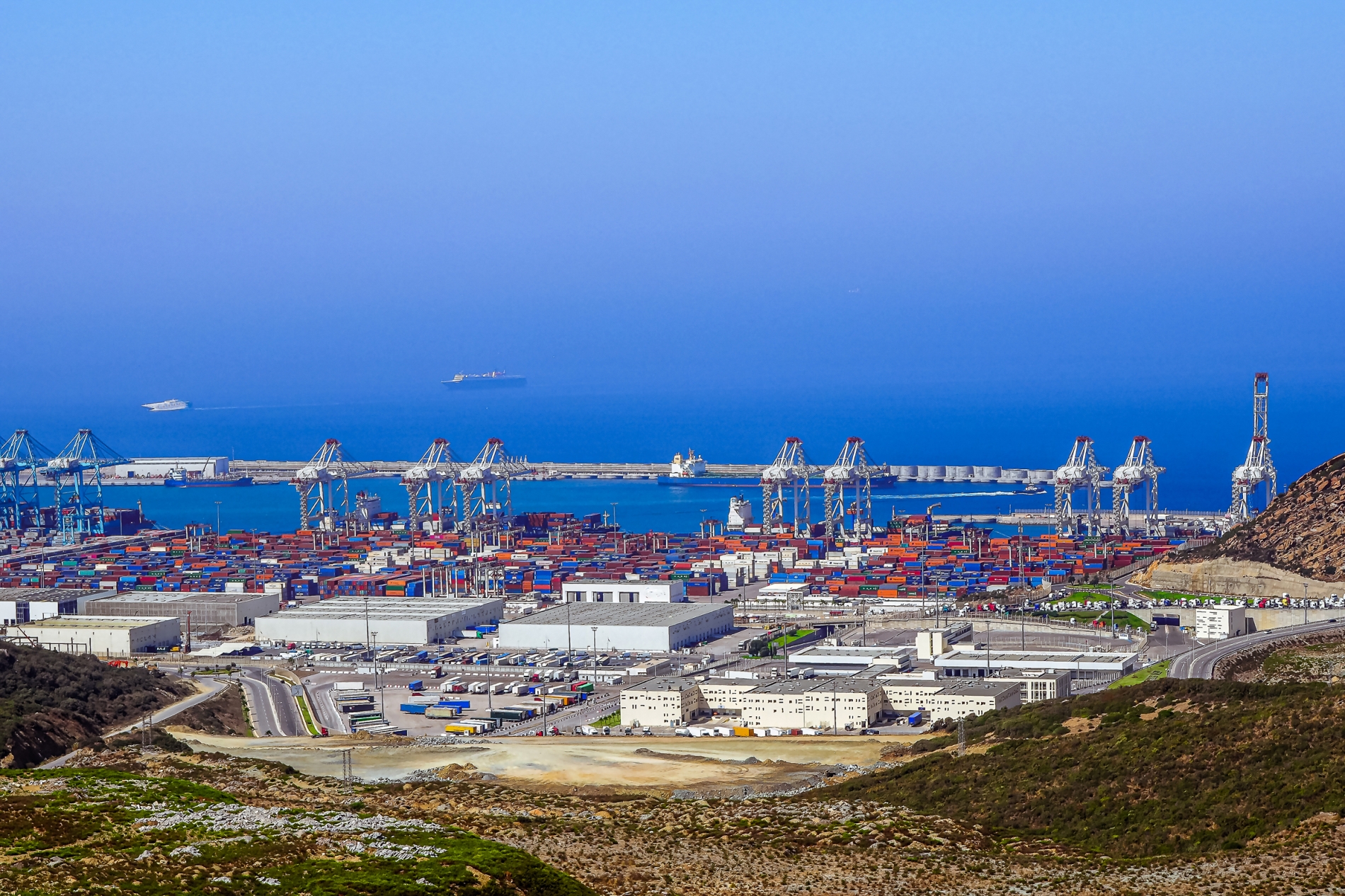
The largest port in Africa, the Port of Tangier, located on the Strait of Gibraltar in northern Morocco.

Morocco's Tangier Med Port, strategically located on the Strait of Gibraltar, became the 17th busiest in the world. It serves as a critical global logistics hub connecting major maritime routes. Increased Moroccan exports, such as phosphate and agricultural goods, helped give the port a boost in 2025. The Moroccan dirham remained the strongest Arab currency and was used across several West African countries, while trade agreements with the US and Europe attracted new investment.

Egypt and Jordan achieved relative stability despite persistent challenges. In Egypt, economic growth reached 4.5% in the 2025-26 fiscal year, supported by $35bn in investment from the UAE to develop the resort of Ras El Hekma. Total IMF support of approximately $50bn was contingent on reform commitments.

The Egyptian pound stabilised at approximately E£50 per dollar. At the same time, the tourism sector experienced a record 17.76 million visitors, but external debt remained high at $161bn and inflation continued to erode savings, underscoring the fragility of the recovery.

In Jordan, there was modest growth in 2025, with inflation declining to 2.5%, supported by tourism revenues and remittances from expatriates, but youth unemployment remained alarmingly high, ranging between 45-58% depending on the age group, underscoring the urgent need for deeper structural reforms.

Failing states

Several countries remain mired in crisis, not least Lebanon, which has experienced financial, banking, and economic collapse since 2019. In 2025, it continued its downward spiral, with the Lebanese pound falling to 90,000 per dollar. A staggering 88% of Lebanon's population now lives below the poverty line. The financial collapse resulted in losses of approximately $70bn. Electricity is available for only a few hours a day, water is delivered by tanker trucks, and citizens still face huge utility bills.

Reuters
A displaced woman from el-Fasher sits with her child while they wait for permission to enter a camp in Ad-Dabba, Sudan, on 13 November 2025.

In Sudan, a brutal civil war triggered a humanitarian and economic catastrophe, with GDP shrinking by more than 40% compared to 2022 levels. Around 26 million people (half the population) now depend on food assistance. The Sudanese pound lost nearly all its value, turning a resource-rich nation into the largest humanitarian disaster of the century. Yemen fared no better. The rial fell to 2,385 to the dollar. Around 80% of the population now relies on humanitarian aid.

In Syria, there is cautious hope for the coming year, the Syrian pound stabilising at around 11,000 to the dollar, but Tunisia edged closer to bankruptcy. External debt reached 57% of GDP in 2025, while total public debt exceeded 80%. Bread lines (queues for bread) reappeared, evoking scenes reminiscent of 2011.

The Palestinian economy contracted by 30% in 2024 following Israel's war on Gaza, where bombing caused an estimated $49bn in property and asset damage. Modest growth of 1-2% is expected in 2025, supported by external aid and recovery efforts in the West Bank, but unemployment in Gaza has now reached 80%. Key challenges include Israeli deductions from revenue totalling $1.76bn, a shortfall in international support, and a 51% poverty rate.

Relying on resources

Iraq's economy is estimated to have grown by 3.1% in 2025, supported by increased oil production following OPEC+ cuts, but non-oil growth slowed to just 1%. Structural challenges persist, including a heavy dependence on oil, which accounts for 90% of state revenues. There is also a rising public debt ratio of 54.6% of GDP and endemic corruption, which continue to deter private investment. While inflation remained stable at 3.5%, comprehensive labour market and governance reforms are needed.

In Iraq, there is also a rising public debt ratio of 54.6% of GDP and endemic corruption that continues to deter private investment

Algeria's economy is projected to grow by 3.4% in 2025, supported by a recovery in oil and gas output following OPEC+ production cuts and a decline in inflation to 4%. While non-oil revenues have increased, the fiscal deficit widened due to falling energy prices. Algeria continues to rely heavily on petroleum derivatives, which account for 89% of exports. Public debt stands at 34% of GDP. As elsewhere, there are structural obstacles to private-sector investment, and reforms are essential to advance economic diversification and improve productivity in agriculture and services.

Mauritania recorded growth of 5.3% in 2025, driven by the launch of gas production in April at the Greater Tortue Ahmeyim (GTA) field, but a 20% decline in gold output meant that growth was slower than in 2024. Public debt remained stable at 47% of GDP, while inflation rose gradually. The economy continues to rely on primary commodities. Labour force participation was less than 50%.

Horn of Africa

Somalia's economy grew by 4% in 2024 but is expected to slow to 3% in 2025, due to reduced foreign aid and the impact of climate shocks. Revenues improved slightly, resulting in a small fiscal surplus following economic reforms and progress under the Heavily Indebted Poor Countries (HIPC) initiative, though reliance on remittances remains high. Security conflicts continue to pose one of Somalia's most urgent challenges, alongside inadequate infrastructure and widespread poverty.

Djibouti recorded growth of 6% in 2025, driven by a rebound in reserves and increased port activity with Ethiopia, while inflation remained moderate at 2%. Per capita income has doubled over the past decade, supported by sustained investment, but public debt is still very high, with low government revenues and a shortage of formal employment. Fiscal consolidation and greater use of the free trade zone would create jobs and advance economic diversification.

Meanwhile, Comoros is projected to grow by 3.4% in 2025, supported by the services and agriculture sectors, with inflation falling to 5%. Poverty declined slightly to 34.3%, but the economy is still heavily dependent on remittances. Challenges include geographic isolation, high youth unemployment, and vulnerability to climate shocks. Governance reforms are needed, as is the development of the nation's fishing and tourism industries in line with the Emerging Comoros Plan 2030.

Getty Images
Saudi women stand next to the Saudi pavilion (vision 2030) at the Gitex 2018 exhibition at the Dubai World Trade Center in Dubai on October 16, 2018.

Heading into 2026

One of the lessons from 2025 is that success in Arab economies is closely linked to political stability and long-term vision, with several Gulf states and Morocco following clear plans. Another is the reminder that conflict and corruption lead to collapse, as seen in Lebanon and Sudan. There are grounds for optimism. A younger generation across the Arab world are harnessing modern technologies, particularly AI, and looking to Gulf investment to support neighbouring countries. In addition, ongoing reforms in Egypt and Morocco offer hope for recovery.

As 2026 begins, regional cooperation may help transform challenges into opportunities, building more resilient and equitable economies in the process. Perhaps the most important lesson from 2025 is that no regional state can succeed in isolation, and none should be left to face collapse alone.

If the Arab world can turn solidarity from a slogan into a concrete policy, such as through joint investments, the creation of a genuinely unified Arab market, a regional reconstruction fund, and expanded knowledge exchange programmes, then 2026 could mark the beginning of a new chapter.

font change