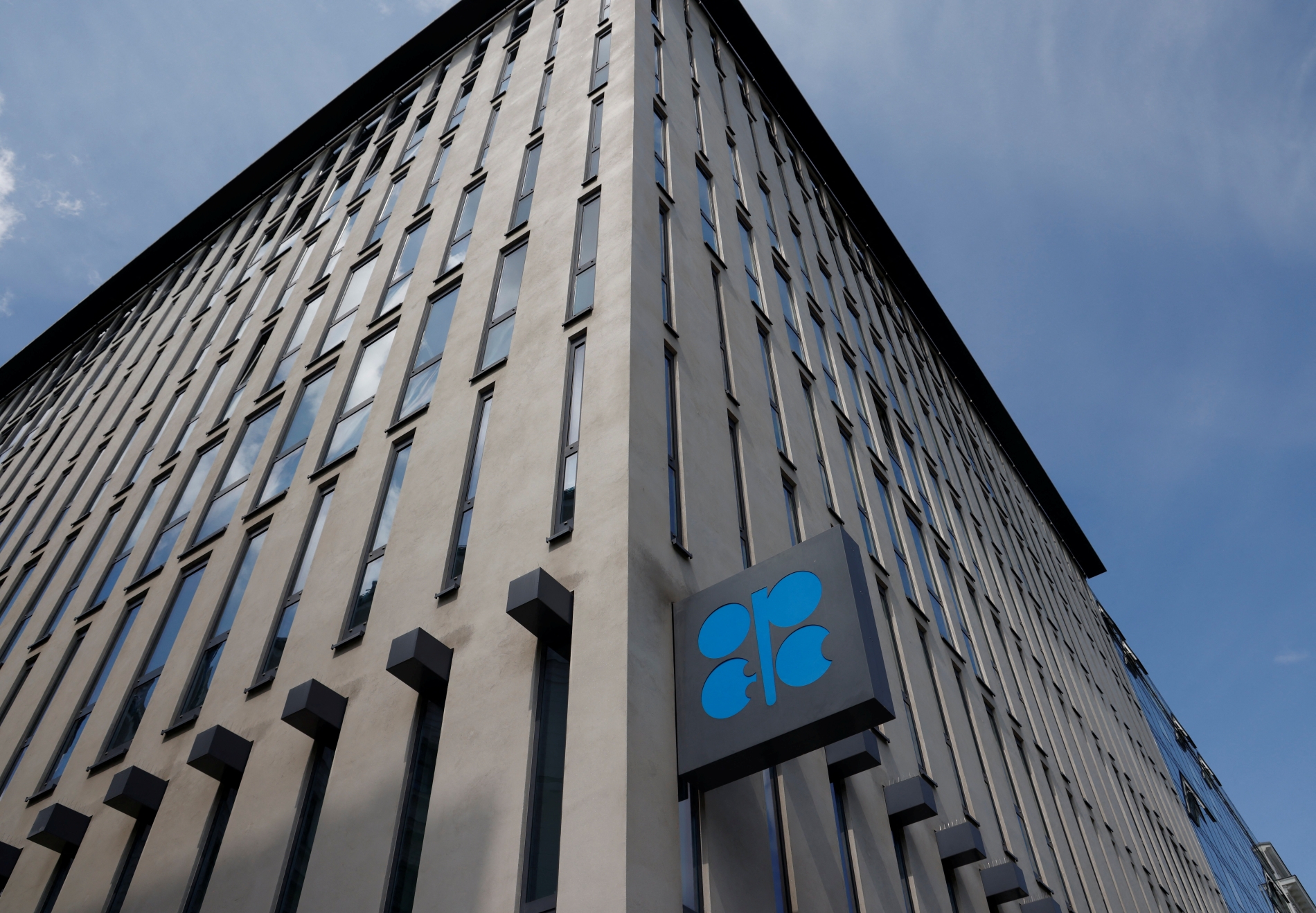


The story of crude oil in 2025 was not one of boom or bust but of balance. Three forces steered the market: coordinated OPEC+ supply management; a shift by the US Federal Reserve toward lower interest rates; and a broadly resilient global oil demand base. Together, they kept prices firm while confining both major benchmarks to one of the tightest trading ranges seen in recent years, even as the market navigated economic sanctions, geopolitical tensions, and shifting headlines.
The trajectory of crude prices was shaped by the interaction of these forces. OPEC+ paced supply in a measured and disciplined way, the Federal Reserve moved from restraint to cautious easing, and consumption in major importing countries held up strongly across transport, industry, aviation, and petrochemicals.
Efficiency gains and the advance of electric vehicles began to reshape some segments of demand, but did not derail overall growth. The result was a year in which the oil market remained broadly balanced, with price movements reflecting managed stability rather than structural weakness. Oil demand also proved consistently resilient despite sanctions pressure and persistent geopolitical risk.
Lower levels, narrower ranges
Oil prices were lower than in earlier post-pandemic years but noticeably more stable. For most of the year, Brent traded in a relatively tight band, oscillating within a few dollars of its mid-60s to upper-60s handle rather than breaking into sustained rallies or sharp sell-offs.
West Texas Intermediate (WTI) followed the same pattern a few dollars below Brent, with moves that were contained and quickly met by fresh buying interest as prices approached the lower end of the range.

Compared with 2024, the overall price level was a little softer, but the path was much smoother. Last year was marked by wider swings and more frequent tests of higher levels as markets reacted to shifting expectations on inflation, interest rates, and supply risks. This year, the momentum was more range-bound, with fewer extreme spikes and quicker mean reversion, suggesting a market that is more balanced and less driven by shock. The absence of pronounced surges or collapses pointed to a market operating in relative equilibrium.
This stability has persisted even as traders weigh two key influences. On one side are the effects of incremental OPEC+ supply increases. On the other, the impact of the Federal Reserve’s shift from raising rates to cutting them.
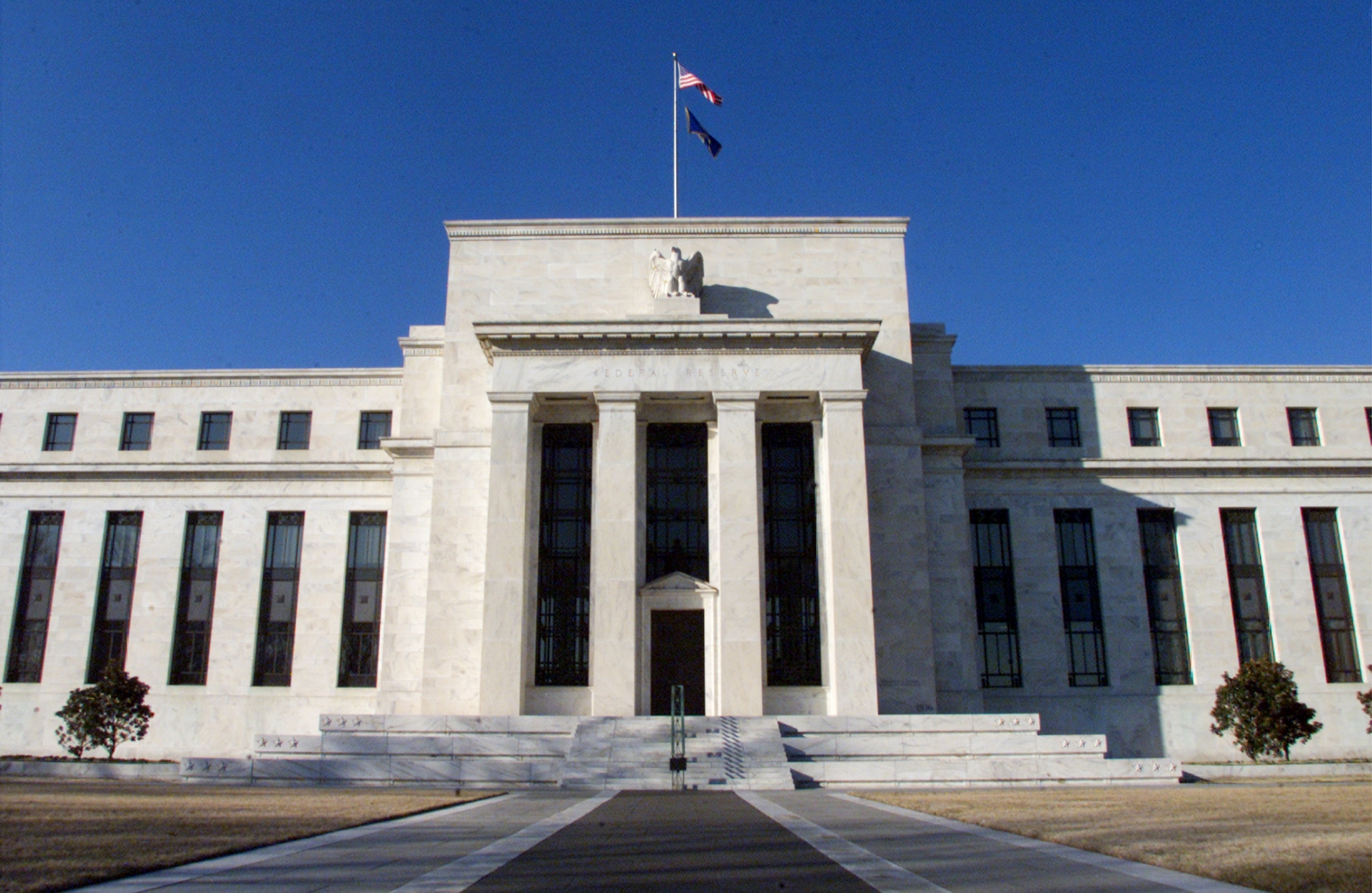
Federal Reserve: a cautious pivot, no euphoria
After more than a year of monetary restraint, the Federal Reserve began to reverse course in 2025. It initiated a 25-basis-point cut in September, lowering the federal funds rate to a range of 4% to 4.25%. A second 25 basis point cut followed in October, bringing the range down to 3.75% to 4.00%. These decisions marked a deliberate shift away from a singular focus on inflation toward a more balanced stance that acknowledged slowing growth and a cooling labour market.
For crude oil, the implications were real but nuanced. Much of the dollar’s softening occurred before the cuts as markets anticipated the pivot. Once the decisions were delivered, the dollar firmed modestly but remained below its mid-year highs, leaving financial conditions more supportive than at the start of the year.
Easier monetary policy matters for oil in several ways. Lower interest rates reduce borrowing costs for households and businesses, supporting consumption, investment, and travel, all of which drive fuel demand. Easing also encourages investors to increase their exposure to risk assets, including commodities, thereby improving liquidity in oil futures markets. A softer dollar relative to earlier in the year improved purchasing power for non-US buyers of dollar-denominated crude and petroleum products. These channels helped steady global oil demand at a time when markets were closely watching for signs of a slowdown in major consuming regions.