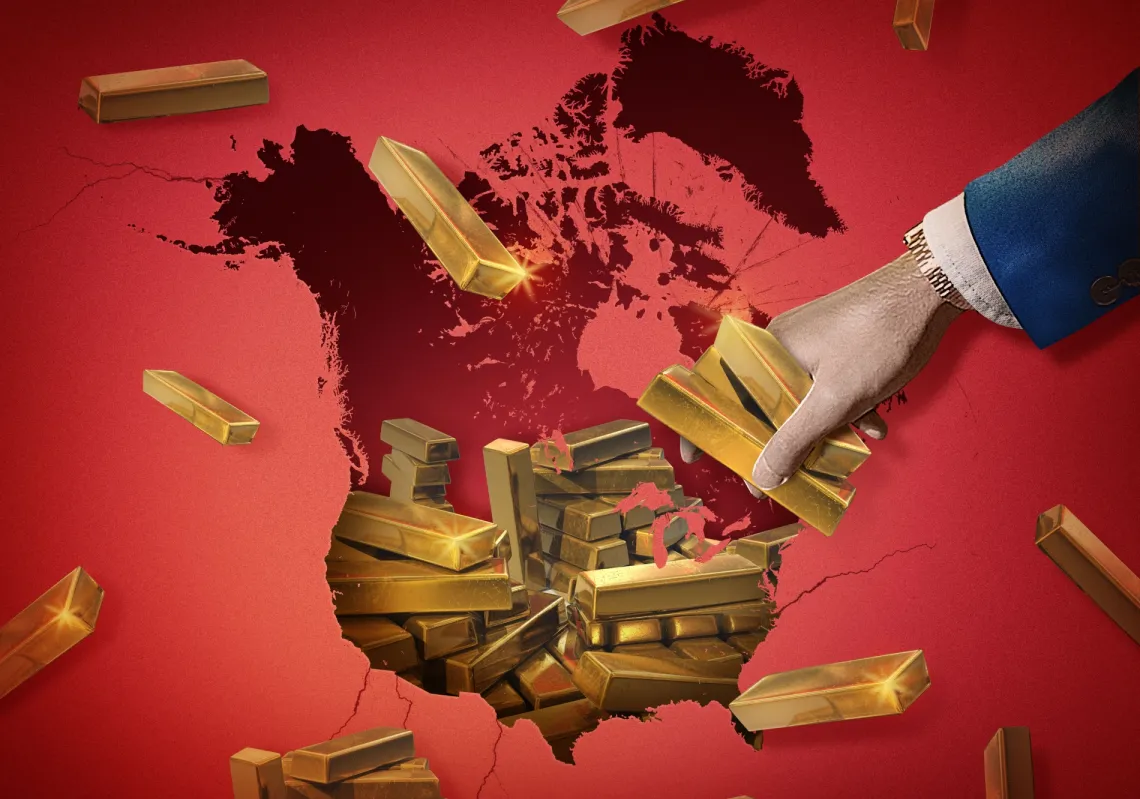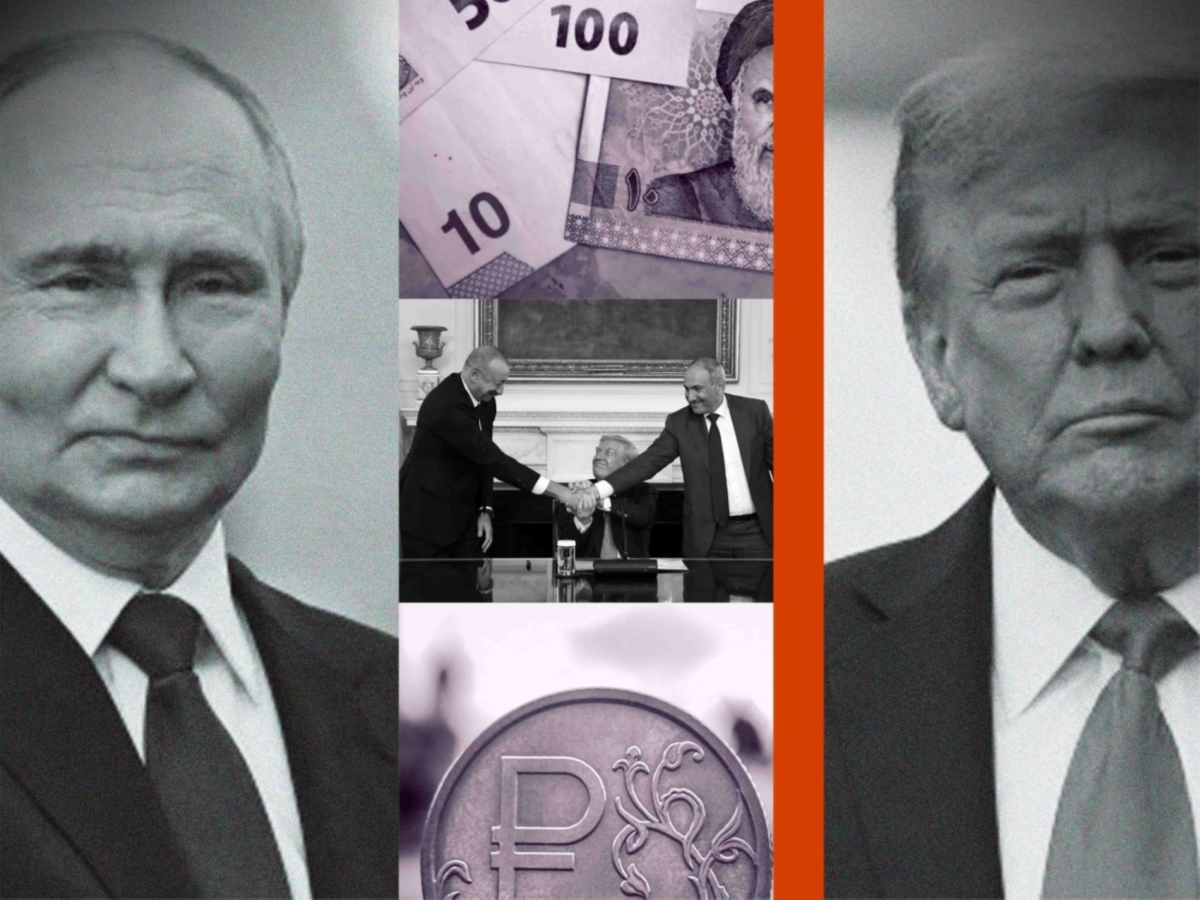
Russia could feel the economic screws tighten in 2026

The Kremlin’s economic indicators are causing unease, while smaller states in Russia’s sphere of influence are eyeing opportunities to reduce their reliance on Moscow. What will the year ahead bring?

Al Majalla

Russia could feel the economic screws tighten in 2026

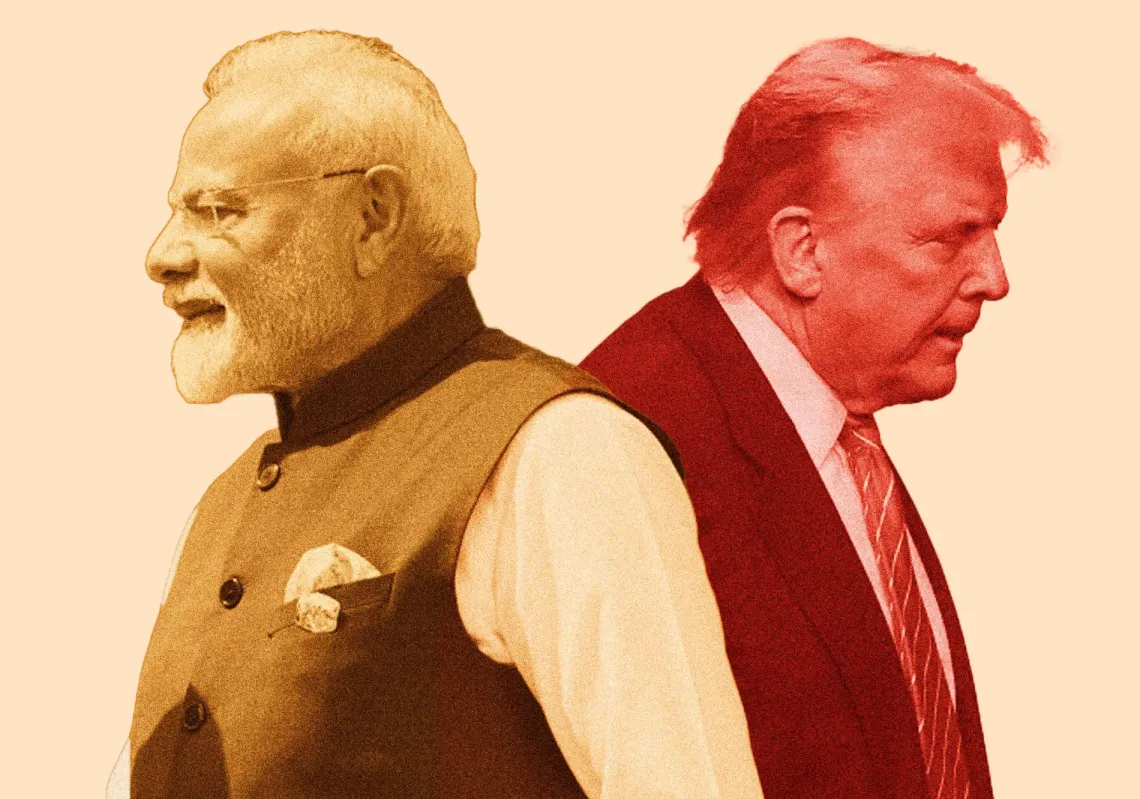
At the very end of his press conference in Florida, shortly after the successful US exfiltration of Venezuelan President Nicolás Maduro on 3 January, US President Donald Trump began talking about the wars he had stopped and was asked about Russia and Ukraine. Before his second term of office, he boasted of being able to end the war in Ukraine in 24 hours. “I thought the easiest... one of the easier ones would be Russia, Ukraine,” he said, answering reporters’ questions. “It’s not.”

Although Trump’s promise of a speedy resolution has long been forgotten, several aspects of his approach became clear in 2025. Among the more notable was that his administration is willing take a different approach to America’s NATO allies and think about wars in a purely transactional manner.

Russian President Vladimir Putin was shunned by Europe and others who support Ukraine, but the White House engaged him directly, and Trump even hosted him on American soil in August. In November, a leaked peace proposal read like a Kremlin wish-list, triggering alarm in Europe, forcing the US administration to deny that it had been written by the Russians, and prompting a counter proposal. This was less to Putin’s liking, with Ukrainian cities then being pounded by Russian bombs.

Looking for good news

After all its losses in both equipment and personnel, the Kremlin feels it needs to declare a victory in Ukraine, and the permanent addition of Ukrainian territory (particularly the Donbas and much of Ukraine’s south) would be the best way to do it. Still, despite its numerical advantages, there is a sense that Russia cannot keep fighting the war for much longer. Clues for this come from the economy’s performance in 2025.

For the past three years, the Russian economy has grown at a faster pace than some in Europe, so the outward signs are good. But look a little closer, and there are signals that the economy is slowing. In July, the Central Bank of Russia predicted gross domestic product (GDP) growth of 1-2% for 2025, down from 4.3% in 2024, but this forecast was later lowered to 0.5-1%.
Reuters
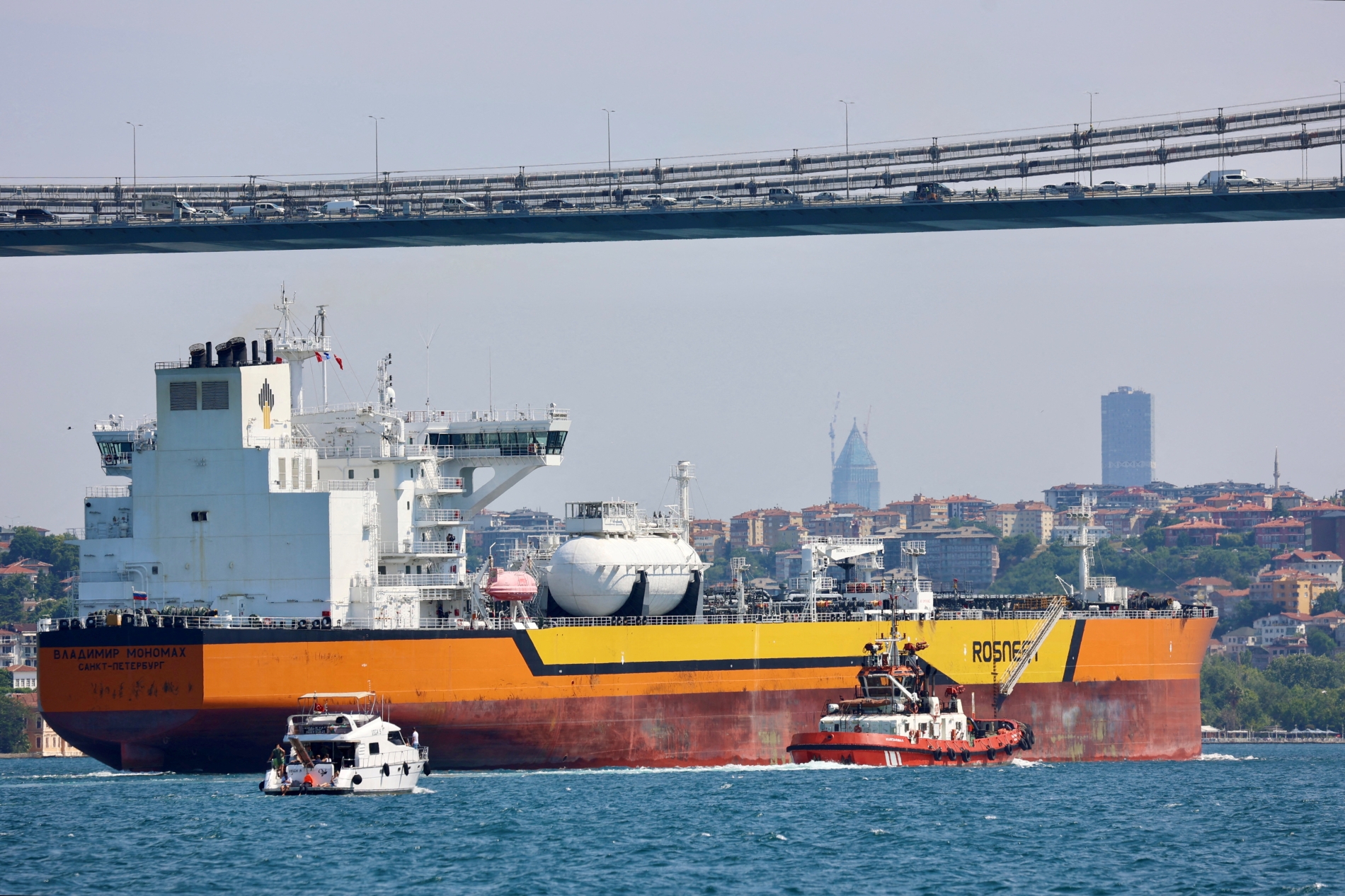
A Russian oil tanker crosses the Bosphorus Strait near Istanbul, Türkiye, on 6 July 2023.

In 2025, the Europeans tightened sanctions on Russia, and the White House imposed secondary sanctions on countries buying Russian oil, affecting the likes of India. In parallel, the Russian economy became increasingly dependent on China in 2025, with the two nations now largely using the Chinese currency in their transactions, which may concern Trump, who advocates the primacy of the US dollar in international trade.

Counting the cost

In addition, the cost of war remains historically high, with more than 8% of Russia’s GDP reportedly being spent on its military. Interest rates are high, at around 16%. Several big companies—including those with defence contracts—get Kremlin-subsidised rates, which pushes up costs for the rest of the economy. Inflation is down, however, to around 6%, having hovered around 9% in 2024.
In July, the Central Bank of Russia predicted GDP growth of 1-2% for 2025, down from 4.3% in 2024, but this forecast was later lowered to 0.5-1%

Russia would like US sanctions lifted, and this could be done quickly in 2026, if there is a deal to end the war in Ukraine. As if to demonstrate that, Trump agreed to relieve sanctions on potash exports from Belarus (a Moscow ally) in December. The Kremlin says there have been economic losses on both sides, however. In February 2025, Russia's new envoy for foreign economic cooperation, Kirill Dmitriev, said Western companies had suffered $167bn in direct losses and $324bn overall as a result of their exit from Russia.

Analysts suggest that Russia would welcome reintegration into the global economy as a means of rebalancing, given its growing economic dependence on China. Whether the oligarchs whose companies have replaced the goods and services once offered by Western multinationals would welcome their return is another matter. In 2026, the bigger question (and the bigger impact) will be the price of oil and gas. Sales of hydrocarbons account for around half of Russia's state revenue.

 ANDREW CABALLERO-REYNOLDS / AFP
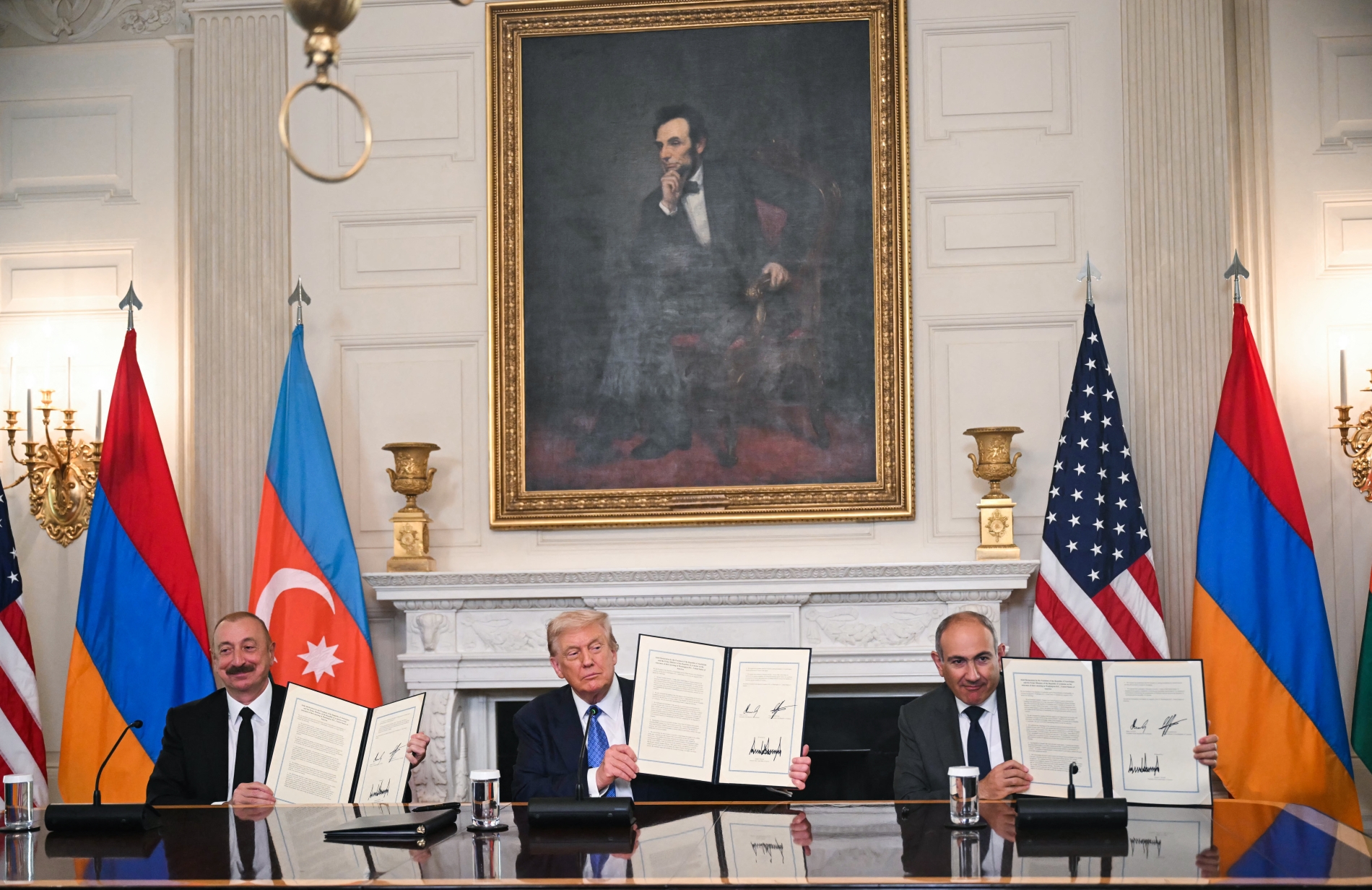
US President Donald Trump (C), Azerbaijani President Ilham Aliyev (L) and Armenian Prime Minister Nikol Pashinyan display the agreement they signed in the State Dining Room of the White House in Washington, DC, on 8 August 2025.

Armenia and Azerbaijan

Just south of Russia, two much smaller states with a fractious history now find themselves at a crossroads. After years of tension, Armenia and Azerbaijan shook hands in August 2025, Armenian Prime Minister Nikol Pashinyan and Azerbaijani President Ilham Aliyev agreeing on a historic deal at the White House. This included a transit road dubbed the Trump Route for International Peace and Prosperity (TRIPP), which could be an important trade cog connecting China and Europe.

There are still questions about how TRIPP will be operated and what economic benefits can be expected for Armenia and Azerbaijan, but a lasting peace can have a strong positive impact on the whole region. Armenia is also hoping that this will lead to diplomatic relations with Türkiye. Their border has been closed since 1993.

If the border reopens, this could allow Armenia to reduce its economic dependence on Russia, which, until recently, was the sole provider of fuel for Armenian vehicles (it still supplies more than 90%). Meanwhile, Azerbaijan—which holds significant oil reserves—said last month that it would ship a container of fuel to Armenia, in what was largely seen as a trial run for increased supply in 2026.

Broadening horizons

The coming year is set to be a big one for these two small republics. Armenia will host the world's annual climate change conference, which will bring more than 25,000 visitors, and the 8th European Political Summit, bringing many of the continent's leaders to Armenia in an official capacity for the first time. In June there will also be elections and a possible constitutional referendum.

Relations with Azerbaijan will take centre stage in both votes. Overall, the Armenian government is upbeat, projecting growth of around 5% in 2025 and 5.4% in 2026. By contrast, Azerbaijan can expect less political drama in 2026 than its neighbour. It continues to invest in the territories it won in the 2020 war, with around 8.4% of its budget directed there.

In November 2025, Azerbaijani Economy Minister Mikayil Jabbarov said the share of the country's GDP that does not come from oil and gas is expected to rise from 58% to 70% in 2026. Growth last year will be around 3%, and analysts expect 2.6% growth in 2026. Russia is watching developments closely and will not allow its interests in either state to wane. Although the two states are closer to peace than they have been for decades, the foundations are shaky. 

AFP
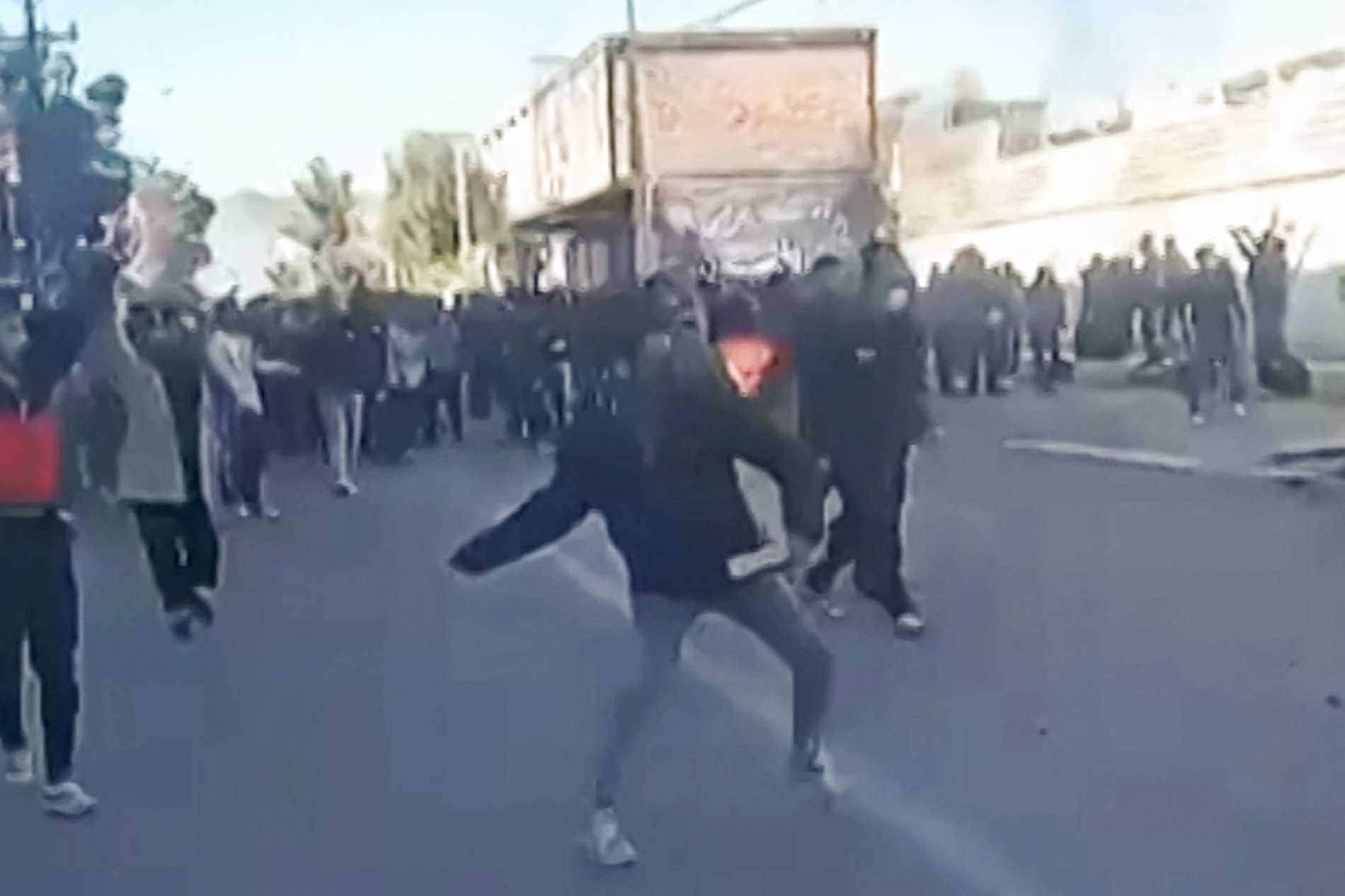
Protesters throw stones at a government building in the southern Iranian city of Fasa on 31 December, 2025.

Tehran's mounting woes

Russia is also watching developments in Iran, which has once again witnessed large-scale protests in recent weeks against the country's rulers. For the government in Tehran, 2025 was a year of stagnation. According to the World Bank, there was even a contraction of up to 2%. Inflation neared an eye-watering 49% in October 2025. This has brought a collapse in living standards, driving Iranians out onto the streets.

Hydrocarbons account for a quarter of Iran's GDP, but sanctions squeezed the profits in 2025, and the World Bank predicts a further contraction of 2.8% in 2026. Trump has dangled the prospect of a deal with Iran, provided that it gives up on its nuclear programme. The US does not want to see close cooperation between Iran, Russia, and China. Analysts think that Iran could register 5% annual growth in the coming years if it strikes a deal with the West.

With 2026 begun with an uncertain start following the US military raid on Caracas, the year ahead spells hazards and opportunities. Peace between Armenia and Azerbaijan could open up new trade routes connecting Iran to Russia, while a deal on Ukraine could end sanctions on Russia and change the global oil and gas calculus. This may even be the year that pressure on Iran finally causes the post-1979 revolutionary government to come crashing down. Time will tell.

font change