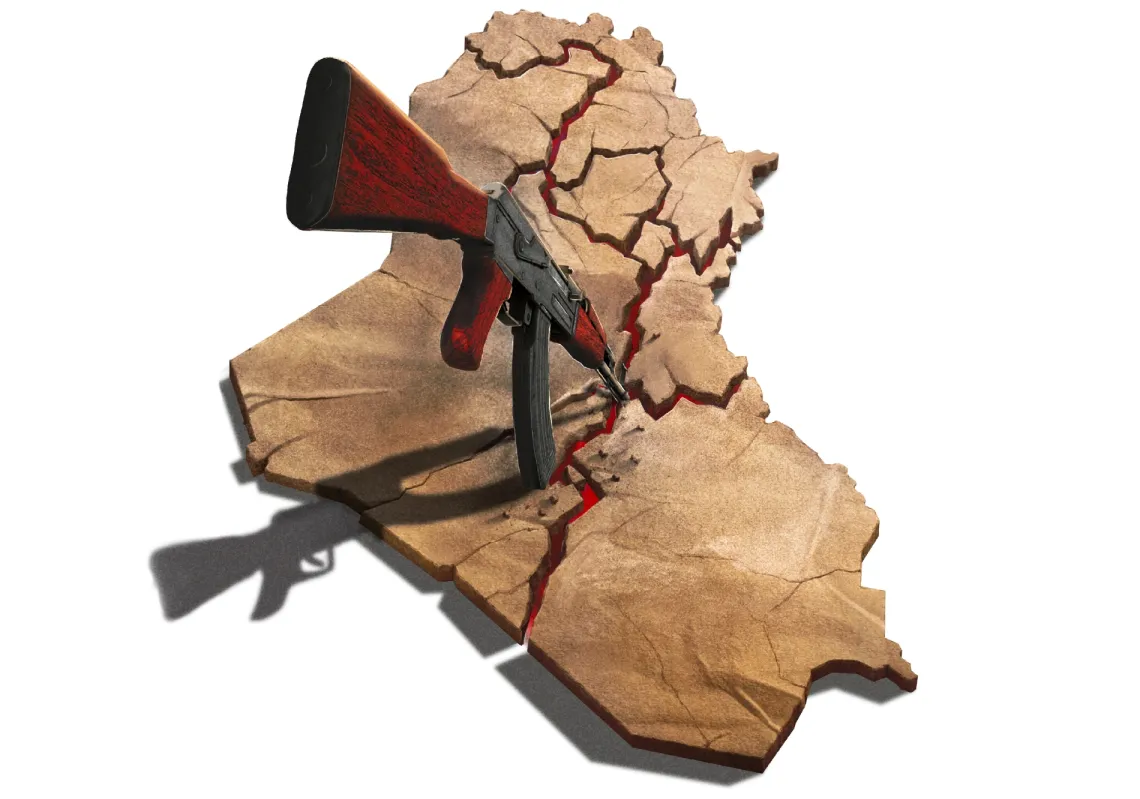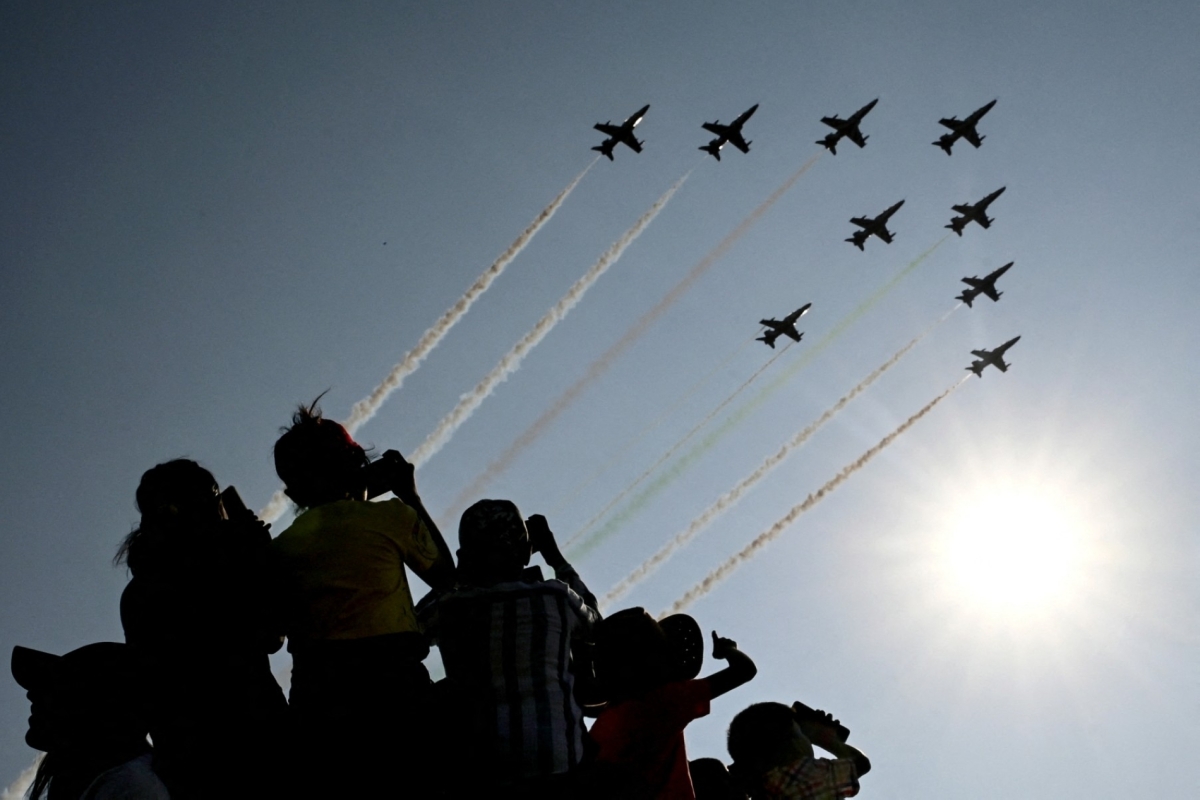

India’s expanded military budget shows how strategic competition with rivals China and Pakistan is heating up. Over $86.7bn was set aside for defence in the national budget for 2026-27, representing a 15% increase from the previous financial year and a 25% increase from 2024-25.
This increased spending—necessary to maintain its 1.5-million-strong armed forces and modernise its weaponry, logistics, and infrastructure—is consistent with its power-projection goals. India’s defence budget has tripled over the past 12 years, making it the fourth-largest in the world after the US, China, and Russia.
India's immediate nuclear neighbourhood weighs heavily on its security calculus, but its long-term planning extends beyond power competition with Pakistan and China, pointing to a broader ambition to define its place in world affairs.
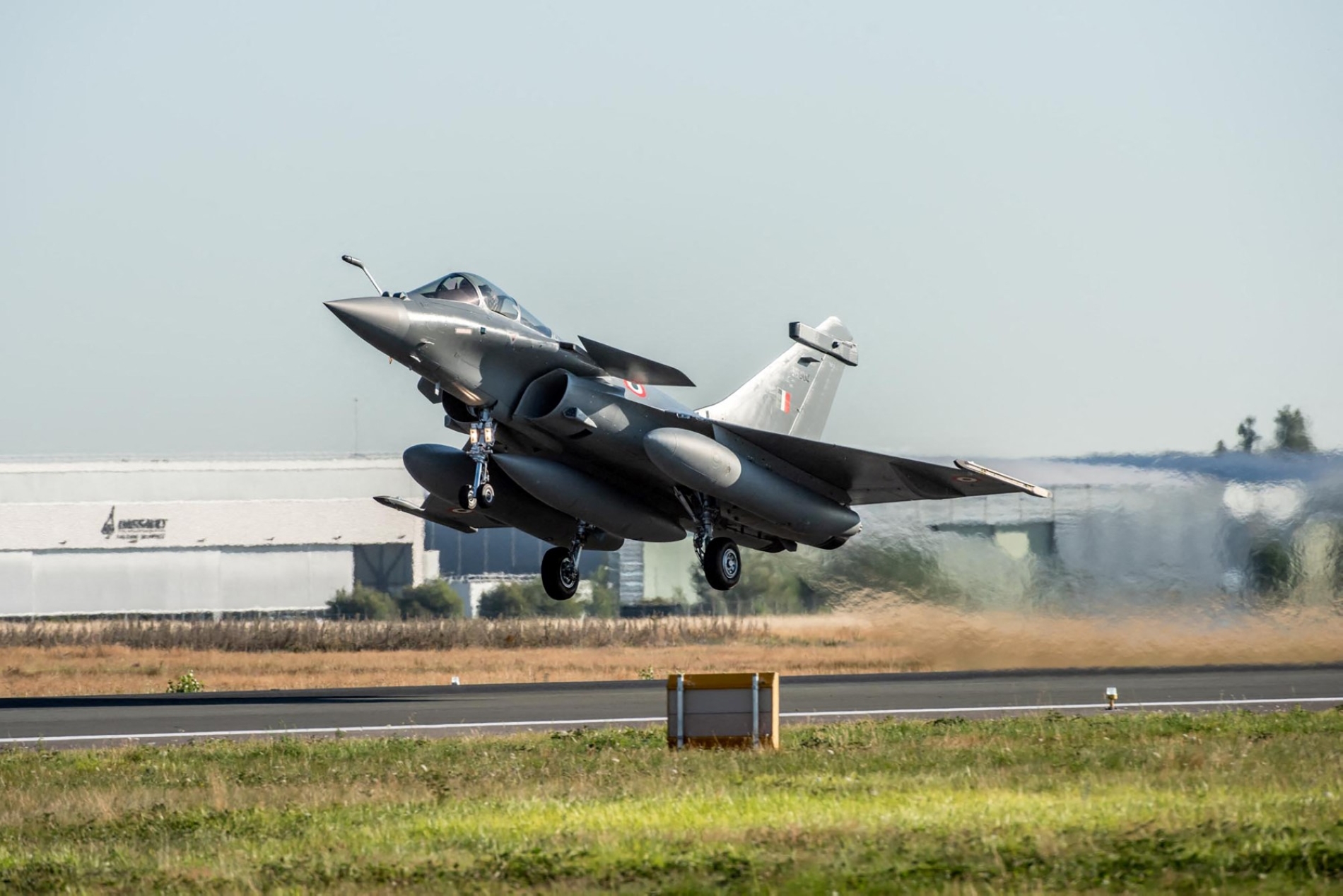
Billions of dollars are being invested in advanced weaponry from Russia, the European Union, the US, and Israel. Because military modernisation is a long-term undertaking, boosting domestic defence production remains a priority under the ‘Atmanirbhar Bharat’ (self-reliant India) banner. At the same time, India has adopted a diversified approach to foreign procurement to satisfy its appetite for cutting-edge weapons and technology.
It is producing Kalashnikov AK-203 assault rifles through a Russian partnership, collaborating with the French firm Safran on jet engines, cooperating with the UK on electric-powered ship engines, and pursuing co-production initiatives with the US. As a result of these efforts, 65% of India’s military equipment is now produced domestically. The goal is to reach $33.1bn in defence manufacturing by 2029—up from $14bn in 2023-24.
Rising stakes
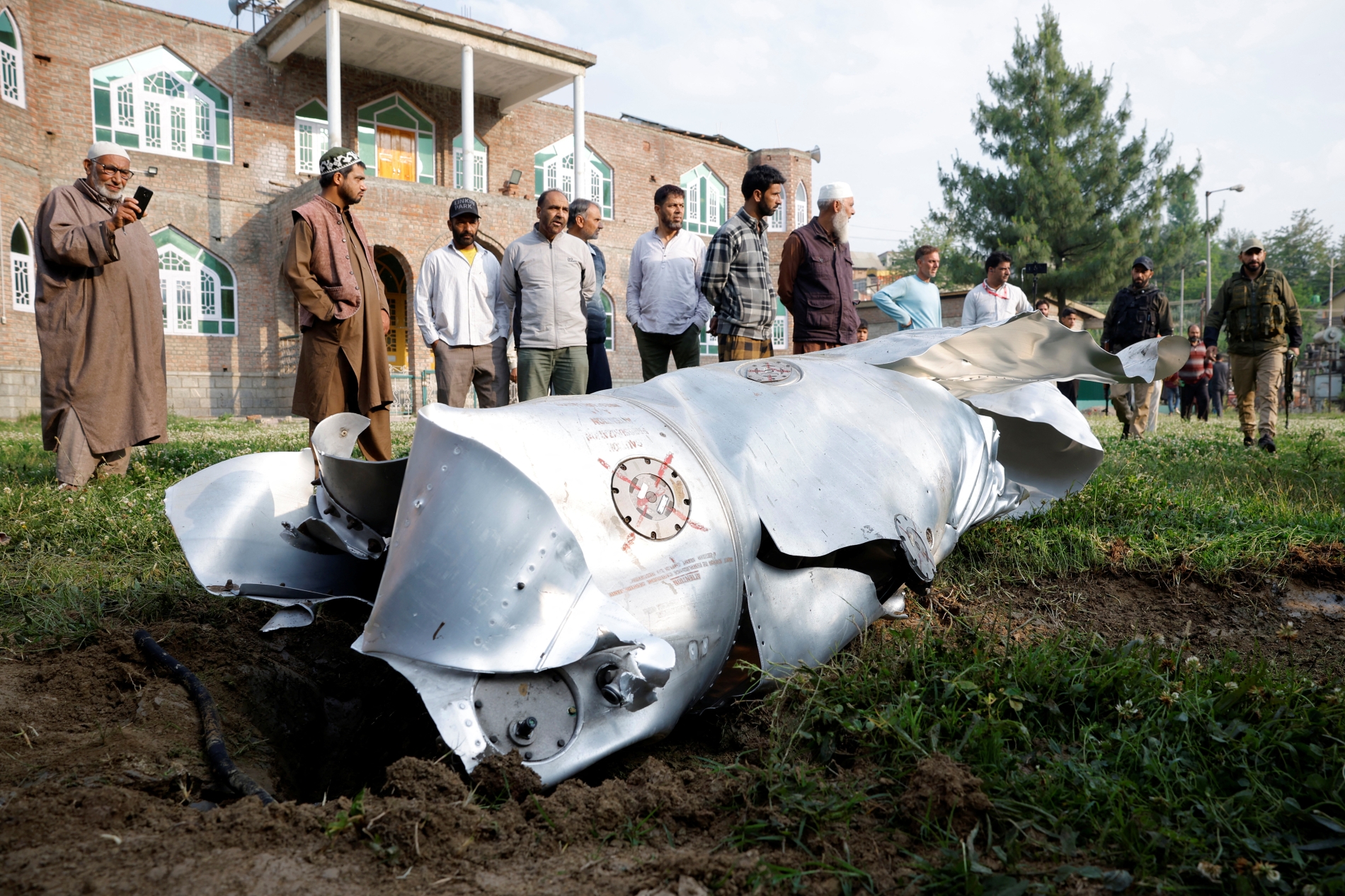
The defence budget hike follows the military confrontation between India and Pakistan in May 2025. Fighter jets, missiles, and drones were deployed during the four-day conflict, alarming a world already wary of nuclear escalation in South Asia. Approximately 72 Indian and 42 Pakistani jets were involved on the first night alone, making it the deadliest aerial engagement since the Second World War. The recognised international border between India and Pakistan was also seriously breached, marking an escalation beyond the more routine clashes that occur along the Line of Control (LoC) dividing the Kashmir region.
In August last year, India announced the launch of ‘Mission Sudarshan Chakra’ (celestial discus), a multi-layered air defence system scheduled for completion by 2035. The initiative, named after a Hindu mythological figure, aims to render Indian airspace impenetrable.
Another confrontation that continues to haunt Indian military planners is the Galwan Valley clash. A violent and prolonged melee with Chinese forces on 15 and 16 June 2020, the hand-to-hand fighting along the Line of Actual Control (LAC) between China and India left an unknown number of dead and injured on both sides. In accordance with the agreed rules of engagement, the fighting did not involve guns or bombs, but rather clubs, stones, and barbed wire, making the skirmishes especially brutal.
The clashes led to the deployment of a significant number of troops and heavy weaponry to the eastern Ladakh region. Although a series of disengagement agreements and diplomatic talks have led to an improvement in Sino-Indian relations, the underlying issues along the LAC, including border delineation and infrastructure buildup, remain unresolved.
India’s defence spending and military strength are calibrated to meet future challenges on multiple fronts. The manpower cost for active service personnel alone is estimated at $40.3bn for 2026-27, with an additional pension expense of about $19bn. The capital outlay for weapons and infrastructure, meanwhile, is $24.1bn—21.8% higher than the 2025-26 allocation. Of this amount, $20.4bn will be spent on capital acquisition such as fighter aircraft, missiles, ships and submarines. The Defence Research and Development Organisation (DRDO), which is involved in numerous projects, including ballistic missiles, artillery, and radars, has been allocated $3.2bn.
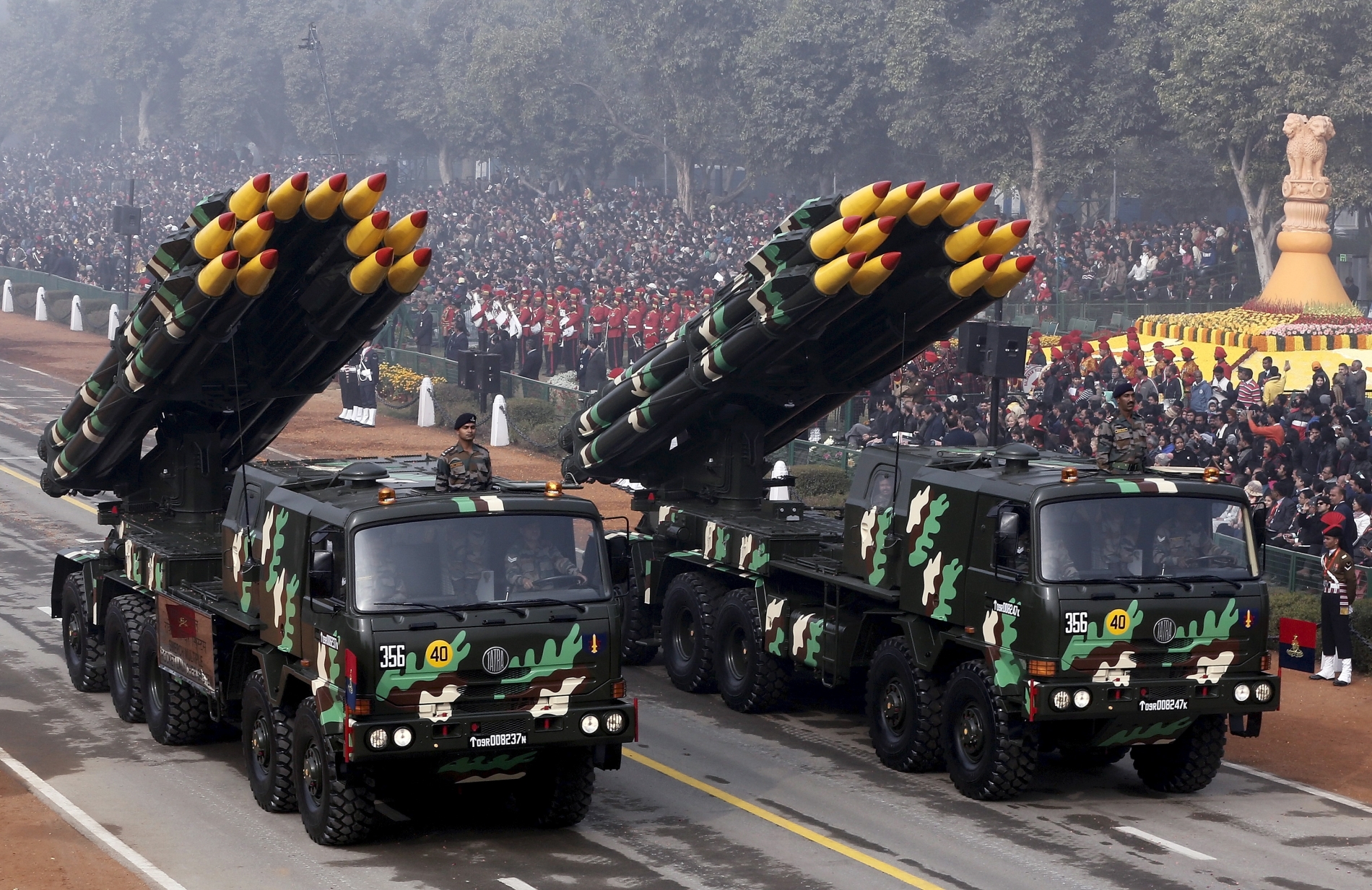
Of the money earmarked for procurement, 75% will go to domestic industries. State-run Defence Public Sector Undertakings (DPSUs) account for 77% of total domestic defence production, with the remainder from the private sector.
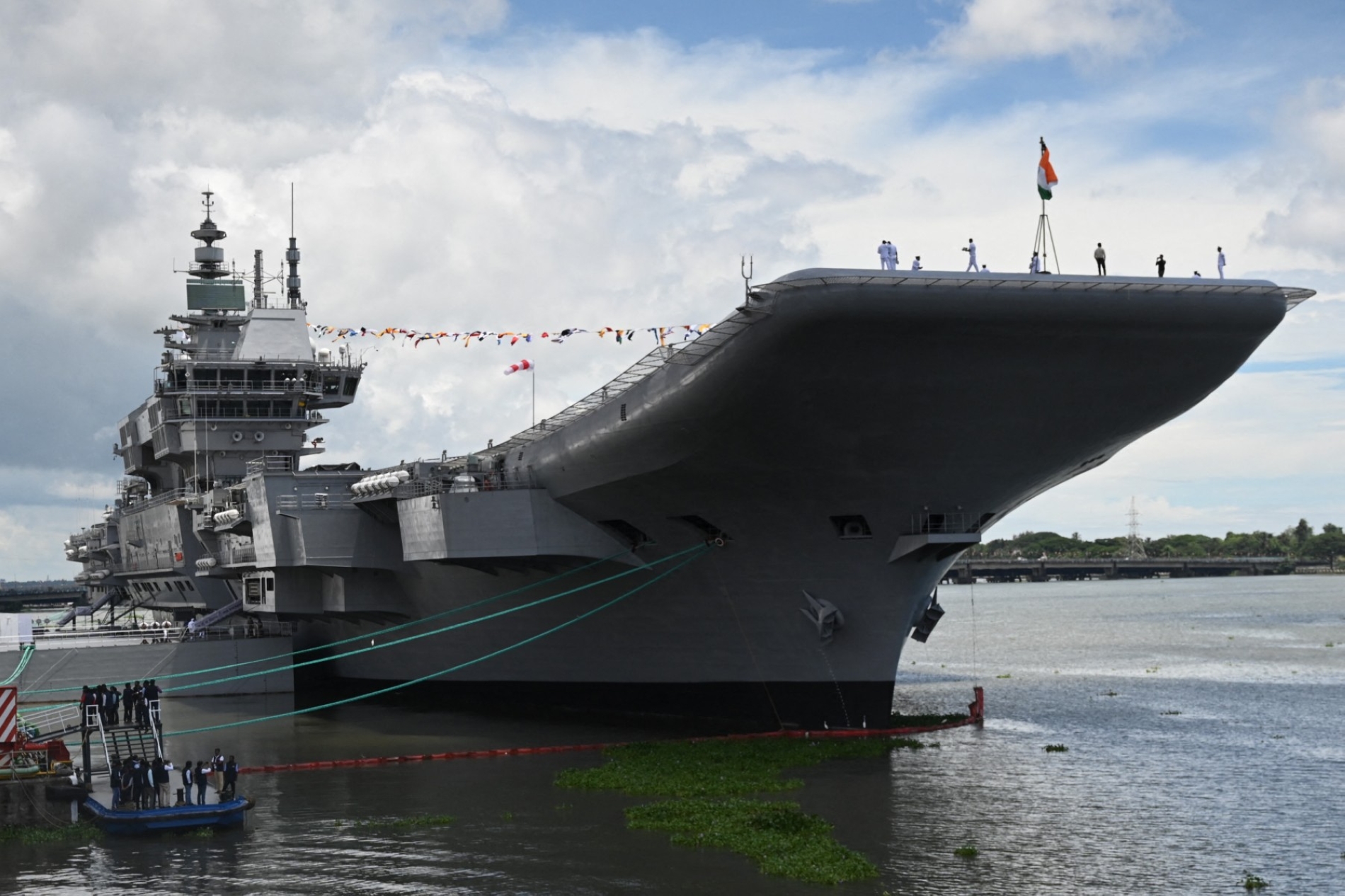
The procurement trends of last year are set to continue in 2026. The Indian Navy has 51 large ships—destroyers, frigates, and submarines—worth around $10bn under construction. These ships are to be delivered over the next two to three years, with the navy expected to induct 32 ships into its fleet in 2026 and 2027. Additionally, initial official approval has been granted for a further 69 ships and six submarines.