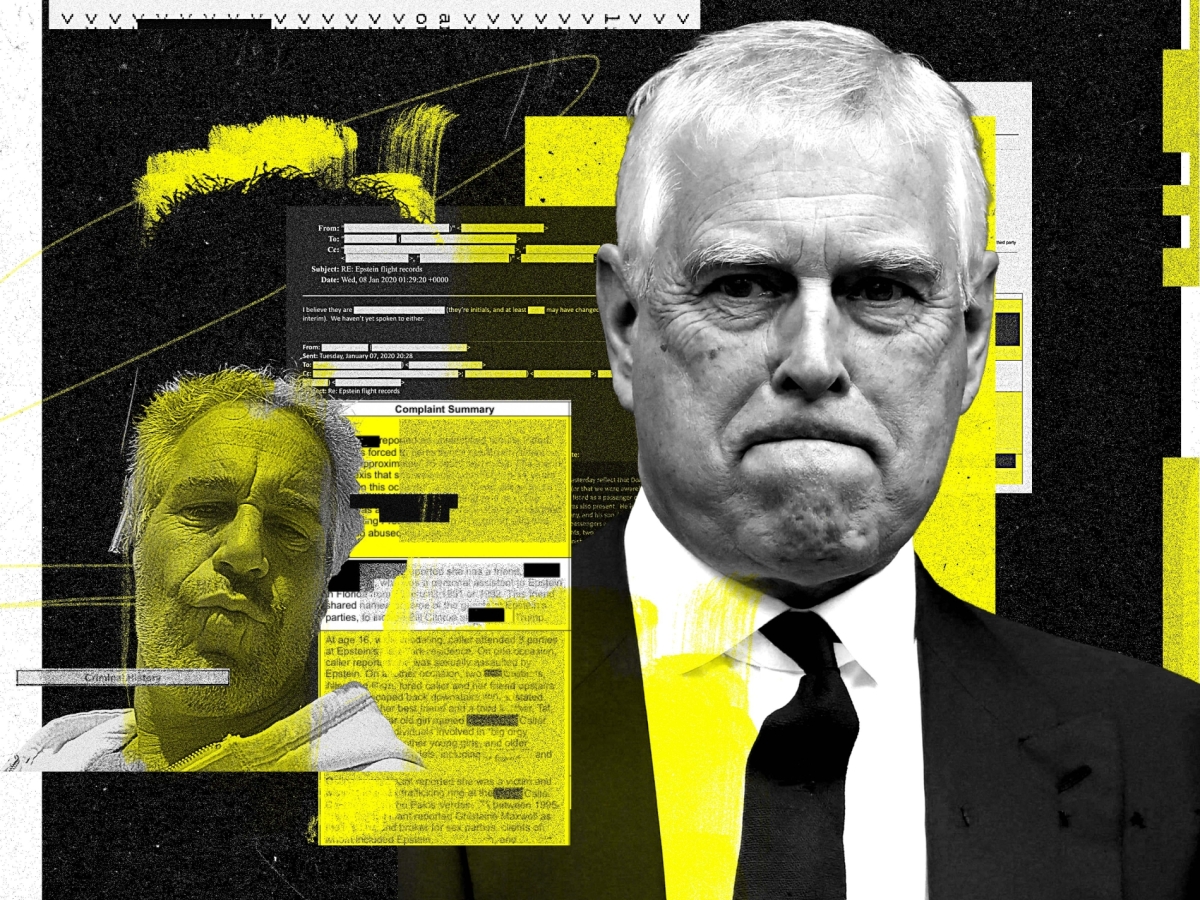
Ex-Prince Andrew's arrest rocks the British monarchy

His arrest is the first for a British royal in modern history and comes after it was revealed he had passed confidential state documents to US financier and sex offender Jeffrey Epstein

Reuters-Al Majalla

Ex-Prince Andrew's arrest rocks the British monarchy

The arrest of Andrew Mountbatten-Windsor—the younger brother of King Charles and eighth in line to the British throne—on suspicion of misconduct in public office was unprecedented yet unsurprising. Never has a member of the modern royal family been apprehended by the police. However, the Epstein files had revealed that Andrew, in his capacity as UK trade envoy, had been forwarding sensitive information and confidential documents to the American financier, notorious paedophile and sex offender Jeffrey Epstein, his long-time friend and business associate.

Whether these contained national secrets is to be determined, but police are now searching properties associated with Andrew. However, the former prince has been accused of improper interactions with underage girls sex-trafficked by Epstein, allegations he denies.

A statement from Thames Valley police said: “As part of the investigation, we have today arrested a man in his sixties from Norfolk on suspicion of misconduct in public office and are carrying out searches at addresses in Berkshire and Norfolk.”

While Andrew was eventually released after being questioned by police for nearly an entire day, the arrest of such a prominent member of the British royal family represents the biggest crisis the country’s monarchy has faced in decades.

Not since the Abdication Crisis in the 1930s, when the then King Edward VIII stood down because of his relationship with divorcee Wallis Simpson, has the British monarchy experienced a crisis that threatens its very foundations.

Even before British police officers launched a raid on the Norfolk home where Andrew currently resides, he was already the focus of a major controversy over his links to Epstein.
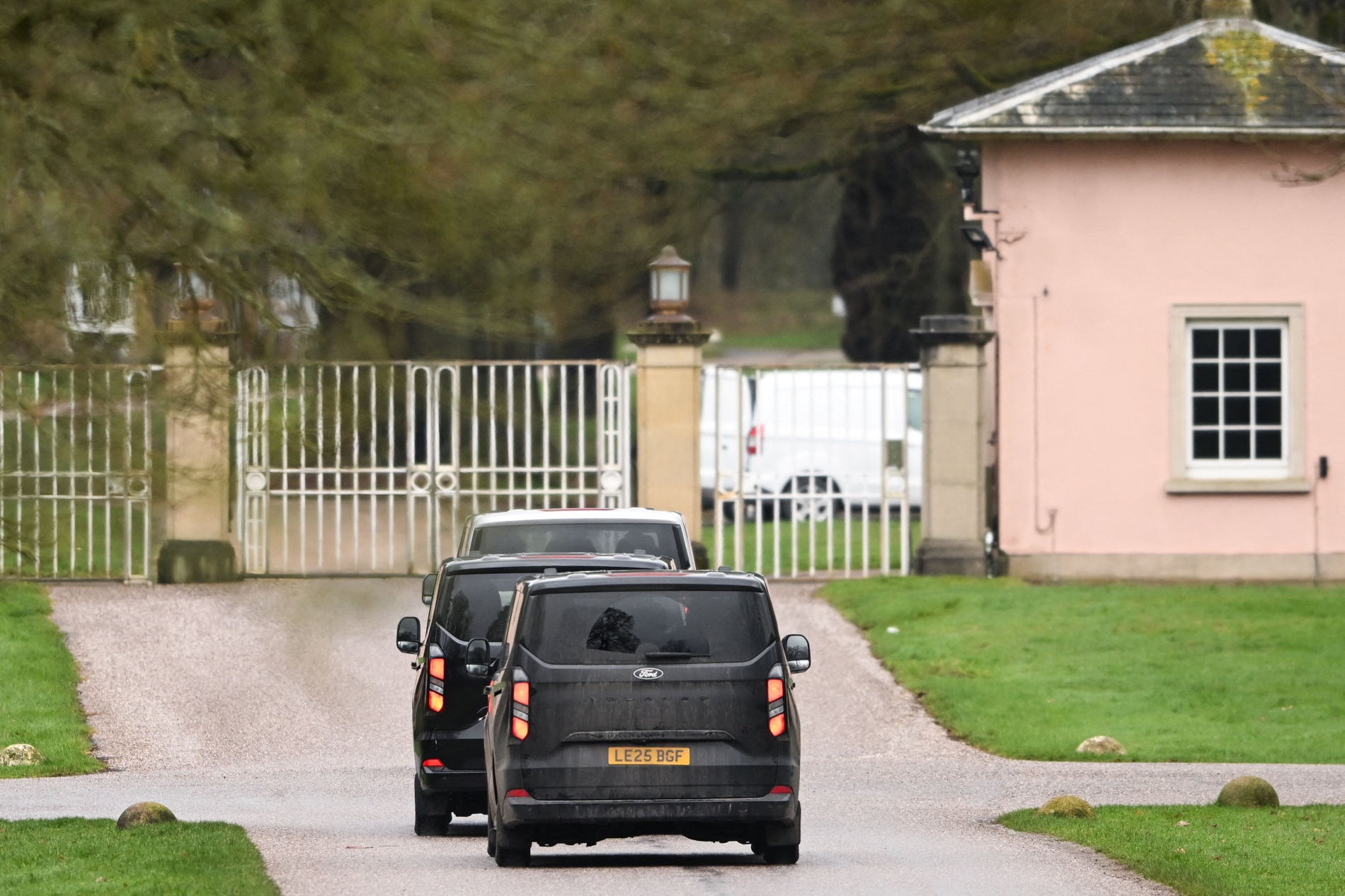
REUTERS/Jaimi Joy
Vans drive to enter the Royal Lodge, a property on the estate surrounding Windsor Castle and a former residence of Andrew Mountbatten Windsor, younger brother of Britain’s King Charles, on 19 February 2026.

The recent release of millions of documents relating to Epstein’s various business and personal affairs had already shed an unwelcome light on the relationship Andrew enjoyed with Epstein, which continued long after Epstein’s imprisonment on prostitution charges.

This deepening scandal in Britain over the revelations had already resulted in Andrew being stripped of his royal titles—including the right to be known as prince—and his removal from his family home on the royal family’s Windsor estate to a more modest home in Norfolk.

But following more revelations relating to his business dealings during a period when the then Prince Andres served as an official UK trade envoy, the police decided to act over allegations that he had abused his office.
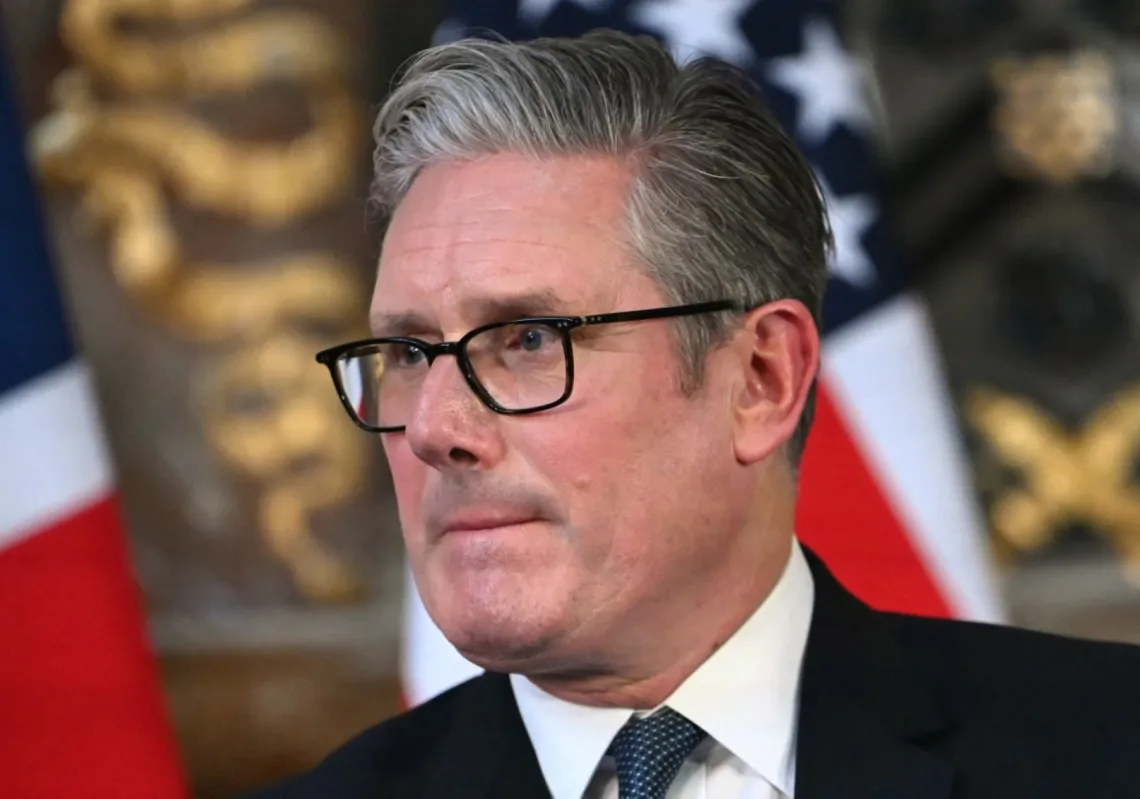
The arrest comes as British Prime Minister Sir Keir Starmer is taking heat for his own behaviour relating to the Epstein affair

The seriousness of the crisis his arrest has caused the royal family was reflected in the speed with which King Charles—who has already sought to distance himself from his controversial younger brother—issued a statement pledging to support the police investigation.

The king's statement said he was "deeply concerned" and that the "law must take its course". He added, "It would not be right for me to comment further on this matter," and said he would "continue in our duty and service to you all."

Whether this will be sufficient to distance the rest of the monarchy from the scandal remains to be seen. There have already been several instances in recent weeks in which the king has faced heckling from members of the public while carrying out his royal duties.

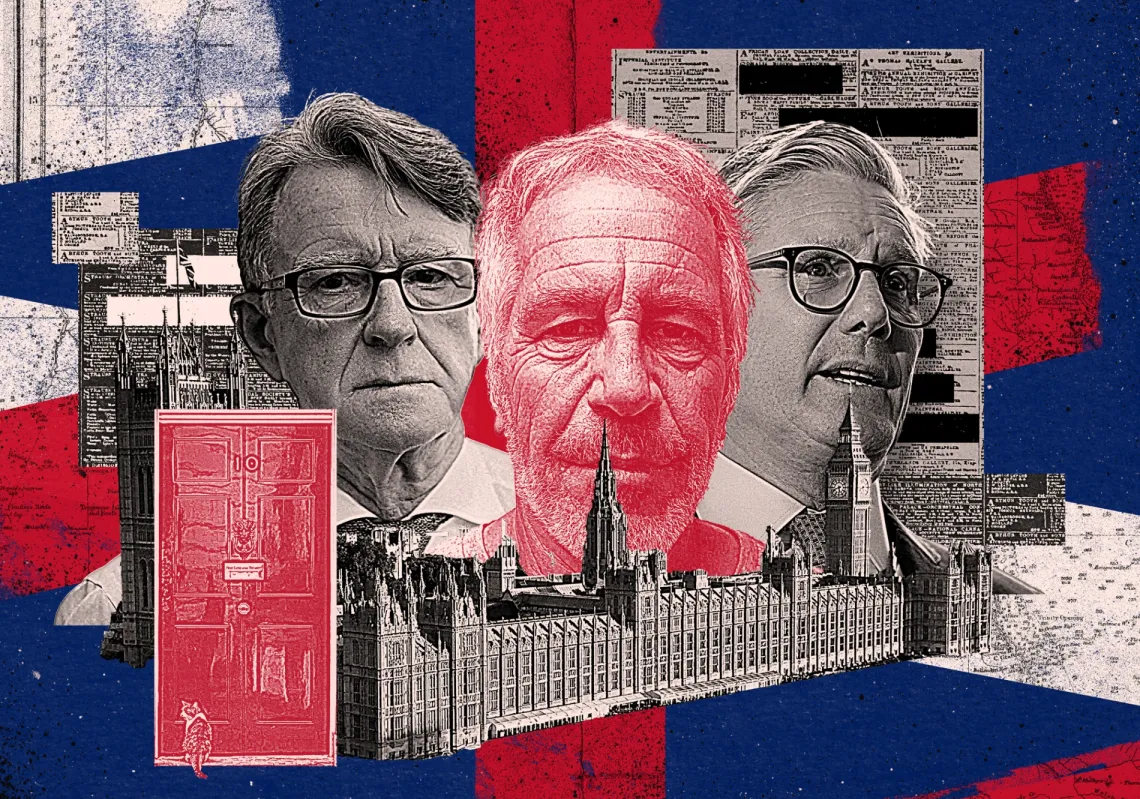
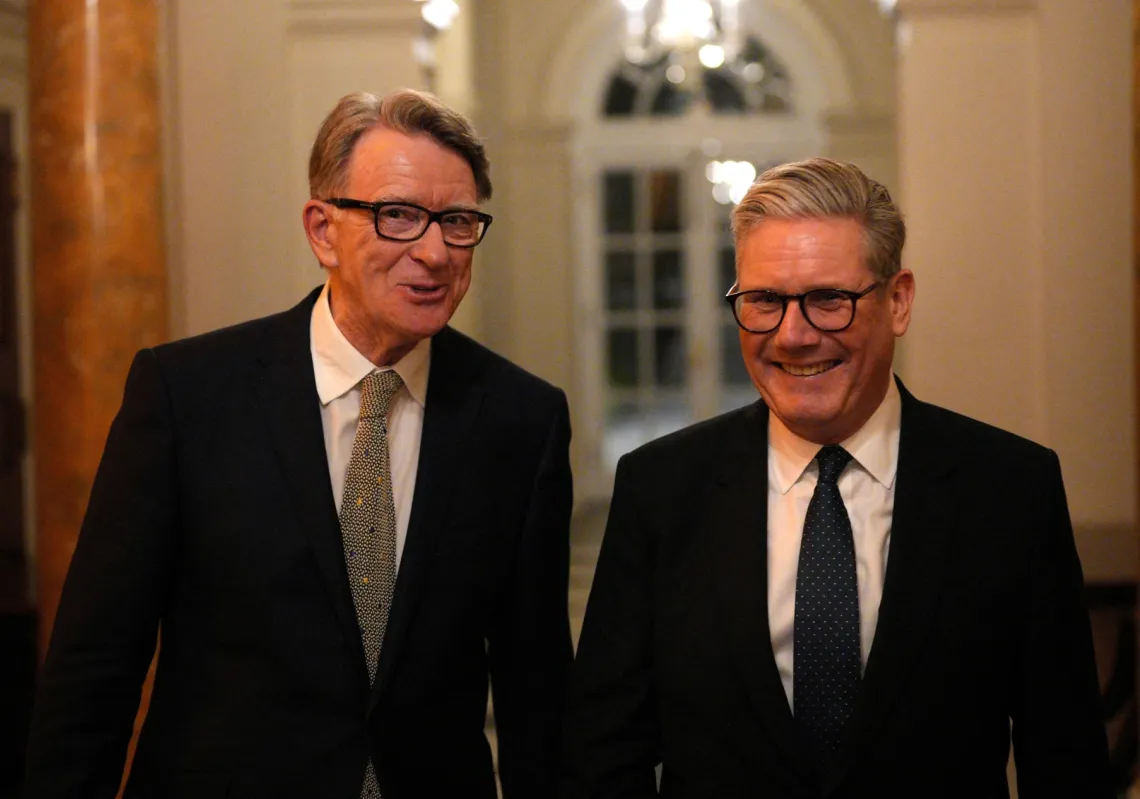
The arrest comes as British Prime Minister Sir Keir Starmer is taking heat for his own behaviour relating to the Epstein affair. Earlier this month, Starmer was lambasted in parliament for appointing Lord Peter Mandelson, the veteran Labour politician, as the UK ambassador to the US despite being aware of his long-standing personal relationship with Epstein. The subsequent political row resulted in the firing of three of his top aides from Downing Street.

For his part, Andrew could now end up in a crown court in front of a jury and possibly serve time in prison—a fate he would never have envisioned in the days of his pomp, when he enjoyed being extravagantly entertained by Epstein over the years.

Ro Khanna, a Democratic congressman from California who sits in the Democrats' progressive wing and will likely run for the presidential nomination in 2028, was one of the main architects of the law that compelled the Trump administration to release the Epstein files.

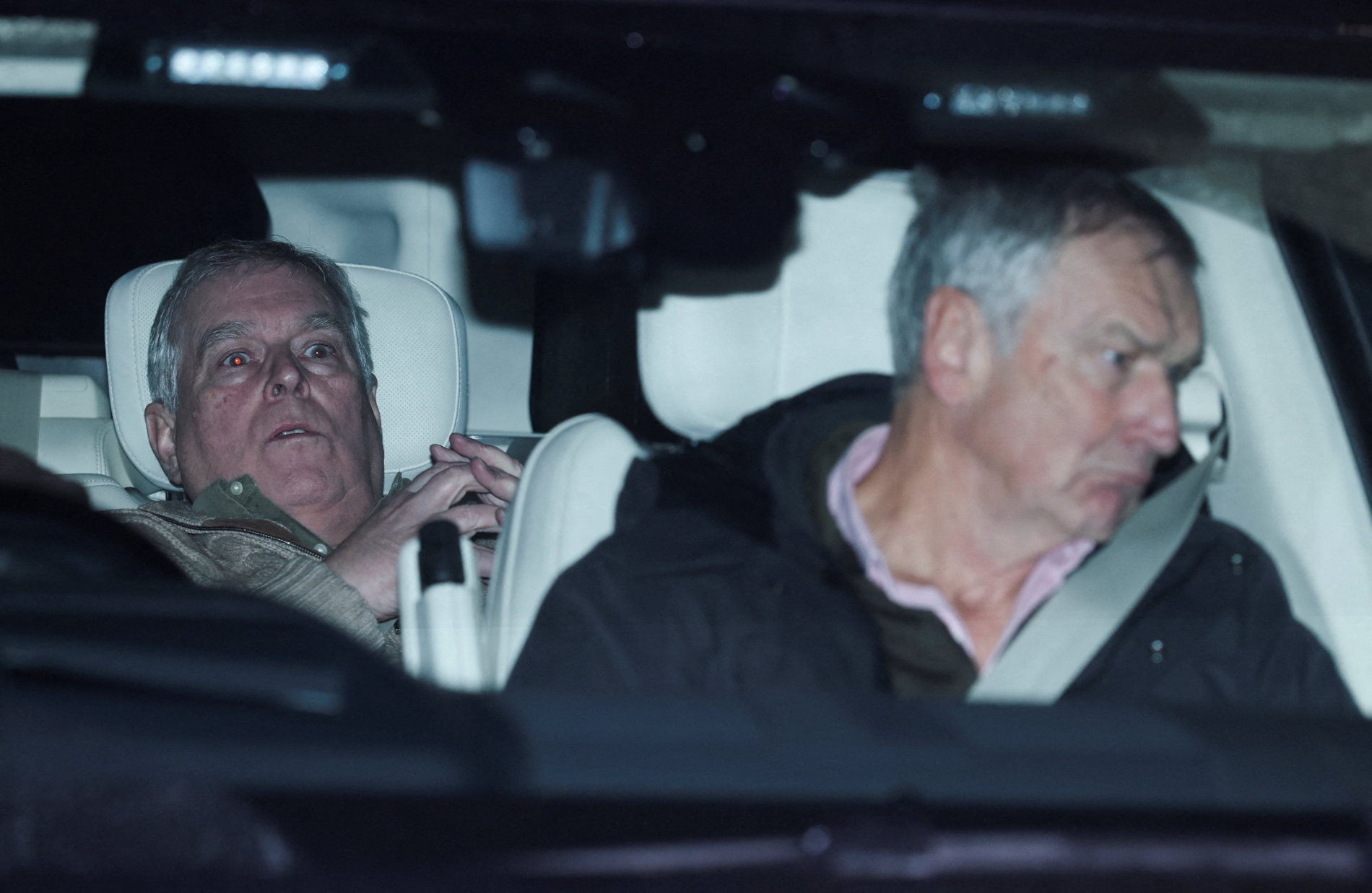
REUTERS/Phil Noble
Andrew Mountbatten Windsor, younger brother of Britain's King Charles, leaves Aylsham Police Station on the day he was arrested on suspicion of misconduct in public office in Aylsham, Britain, on 19 February 2026.

These last few weeks have marked one of his most high-profile international interventions, in which he called for Andrew to testify before Congress. He has also said that King Charles and Queen Camilla have questions to answer on the scandal, and even suggested the scandal could "end the monarchy."

There is no precedent for the arrest of a British royal in recent history. The last royal arrest came when Queen Elizabeth I ordered the arrest of Mary, Queen of Scots, in 1568. Mary fled to England and began plotting against her. She was executed in 1587 after nearly 20 years of imprisonment for her crimes.

font change