History has proven that cutting separate peace deals with Israel has not led to a comprehensive and lasting peace for the region. The potential of a Saudi-Israel normalisation opens a new door.
Erdoğan must carefully weigh his supporters' deep emotions toward the Palestinian cause with the realpolitik benefits of improved relations with Israel.
Russia's credibility in the region was diminished by its backing of the Syrian regime, so it has limited cards to play. But Moscow stands to benefit from Western distraction in its war on Ukraine.
US warships have been deployed to the Middle East for nearly a century. As the USS Gerald R Ford arrives in the region, Al Majalla revisits the list of 'presidential' destroyers in Arab waters.
Hamas's surprise offensive has hit Israel with its third great surprise of a long-running conflict, and political change will follow, just like after the October War and the Intifada.
Reconciliation with Iran should be viewed with great caution as the Gaza war offers a snapshot of the dangers of peace. The US can do more to assure Gulf allies in this evolving regional landscape.
As the coming days of the "state of war" between Israel and Hamas drag on, it is important to highlight how this latest episode of conflict is unlike anything seen before.Not only did Hamas start the…
There are several reasons why Hamas attacked Israel, including restoring its dwindling credibility. But it is crucial to acknowledge Israel's antagonising behaviour as one of the key motivations.
While all the effects of this conflict may take time to fully realise, short and medium-term signs expose the limits of US power and see America's rivals benefiting
Closing the Strait of Hormuz has shown how the Gulf should shift from an oil-export model to a digital and distribution hub. Will this trigger the long-delayed free trade agreement with China?
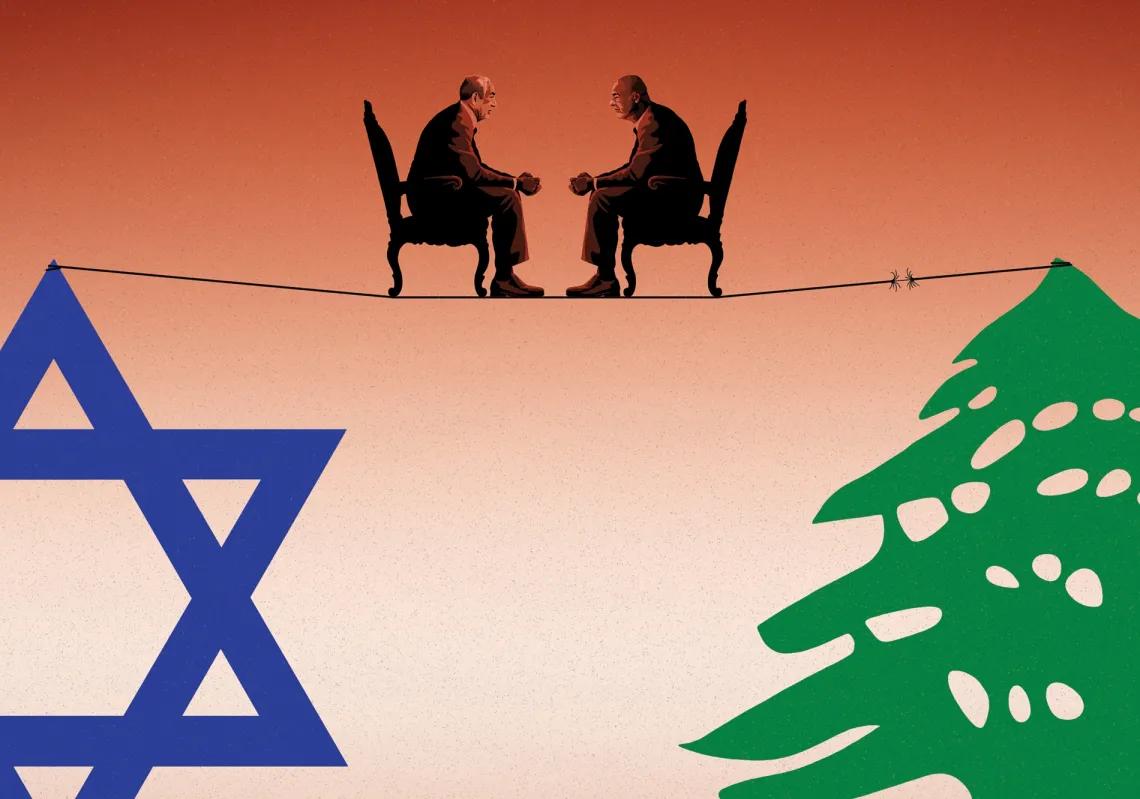
Building on the ten-day ceasefire announced by US President Donald Trump, time will tell if these talks are a one-off or the beginning of a different path for Lebanon.
Egyptian heritage researcher Haytham Abu Zayd sheds light on how the art form grew, excelled, and then declined over the years and ends by offering a path to revival