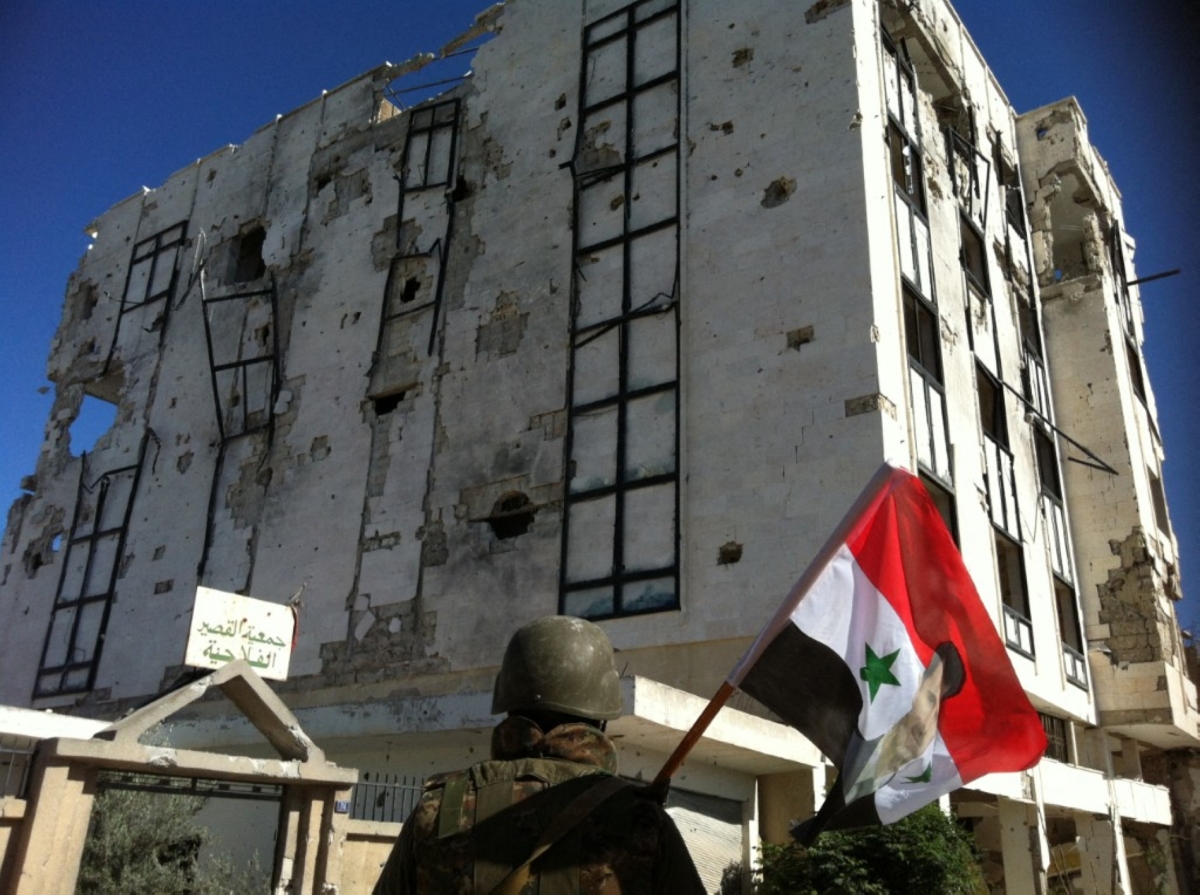

In Syria, the most dangerous problems are not always the loudest. As the country tries to move beyond war, attention has understandably turned to the visible tasks of transition: restoring services, reviving the economy, rebuilding institutions and reasserting state authority.
These are urgent priorities. But another issue is quietly taking shape, with serious consequences if left unresolved: tens of thousands of former regime security personnel still lack civilian identification. What may appear to be a bureaucratic delay is, in fact, a deeper structural problem. Civil documentation is the gateway to citizenship. Without it, people cannot access services, secure employment, register property, travel freely or engage meaningfully with state institutions. They remain physically present but effectively excluded from public life.
In late 2025, officials in several areas signalled that former soldiers who had completed the settlement process would soon be able to register for new IDs. But the situation on the ground tells a different story. Local sources say distribution has been minimal, leaving large numbers of men in prolonged limbo.
That uncertainty matters. In a country where mistrust of state institutions runs deep, legal ambiguity can quickly become political. It can harden grievances, feed rumours, and make vulnerable communities feel the transition is being built around them rather than with them.
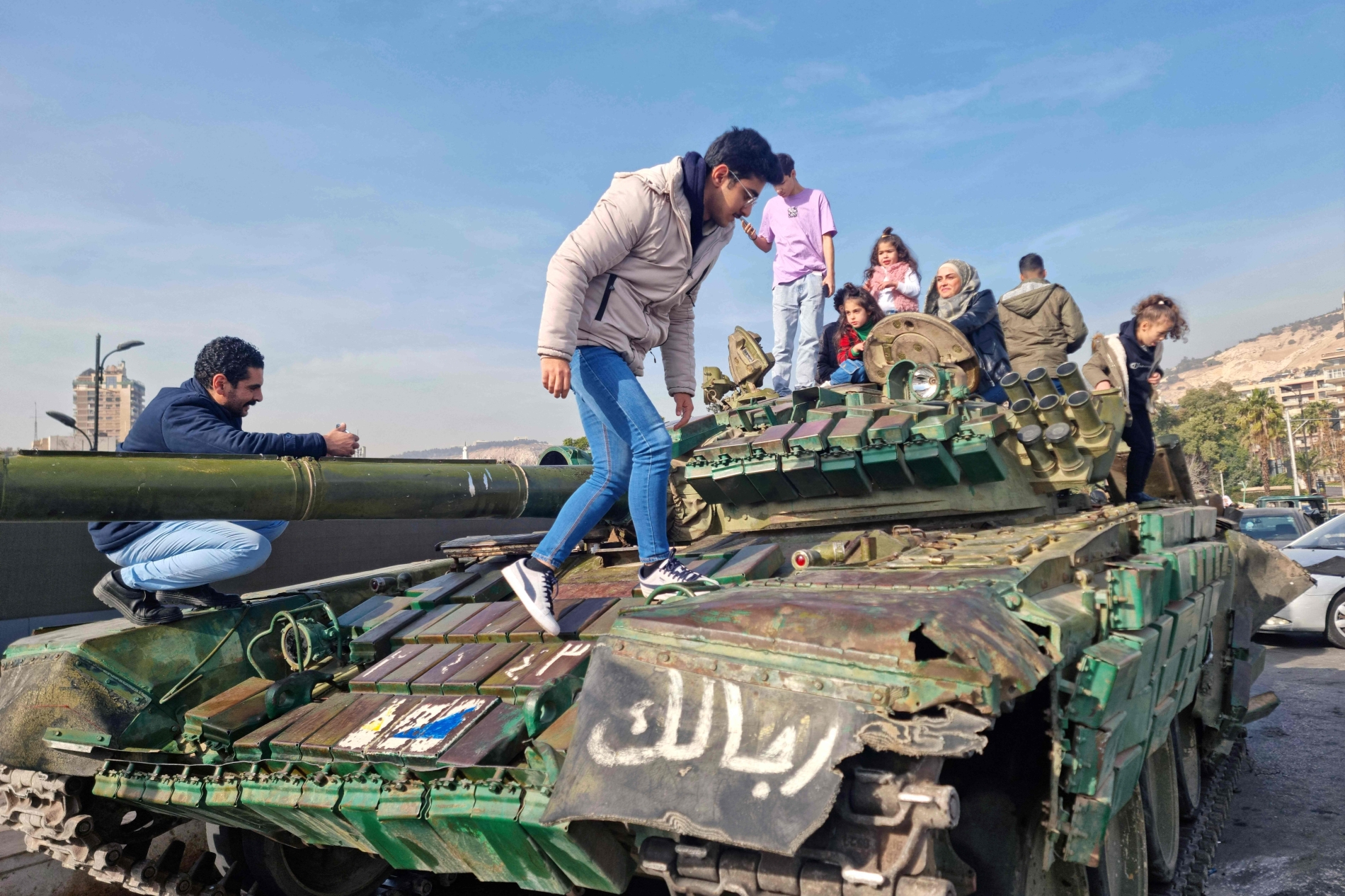
From surrender to uncertainty
After the regime’s collapse, the new authorities launched a nationwide process known as taswiya, or settlement. Former security personnel were asked to surrender their weapons and military documents to regularise their status.
The process was not entirely new. The Assad regime had used versions of taswiya during the war as part of reconciliation arrangements with former opposition fighters. After the regime’s collapse, the mechanism was repurposed to move former regime personnel out of armed structures and back into civilian life.
At its core, taswiya required individuals to submit basic personal information to the authorities. Those who complied received temporary settlement papers, commonly known as taswiya cards. These documents carried the same identifying details as civilian IDs and were intended as a short-term substitute until formal documents could be issued.