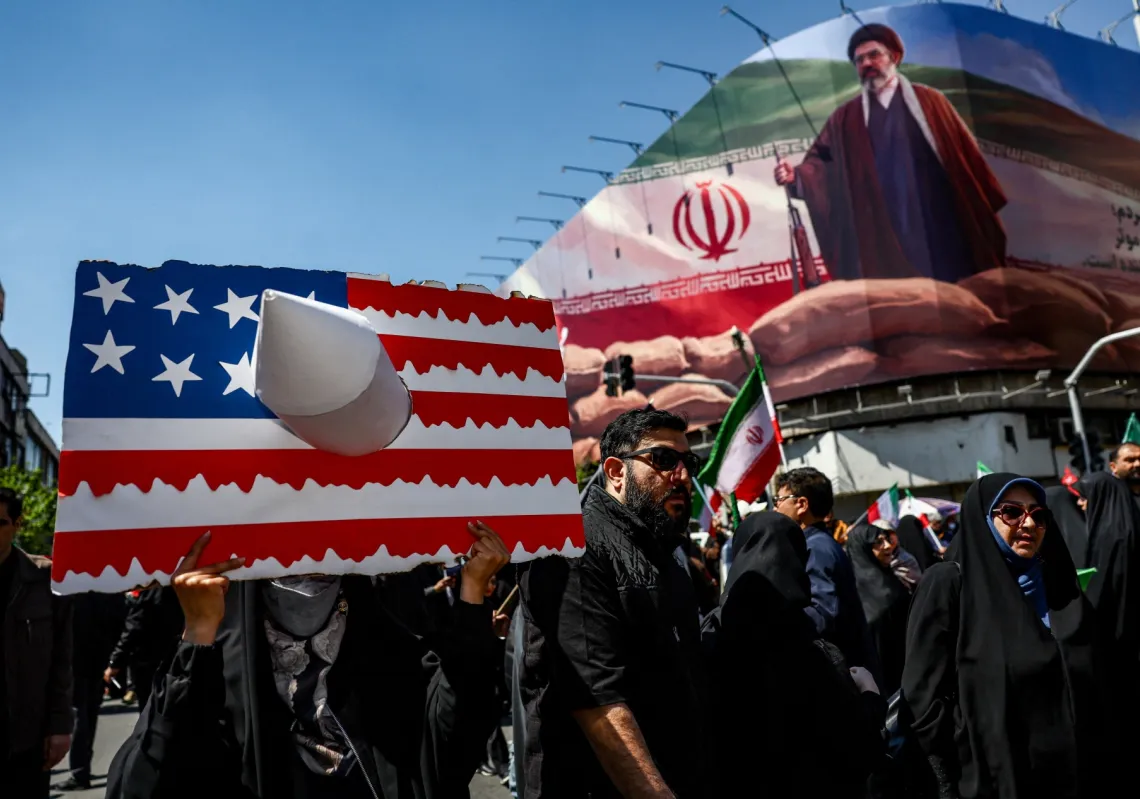
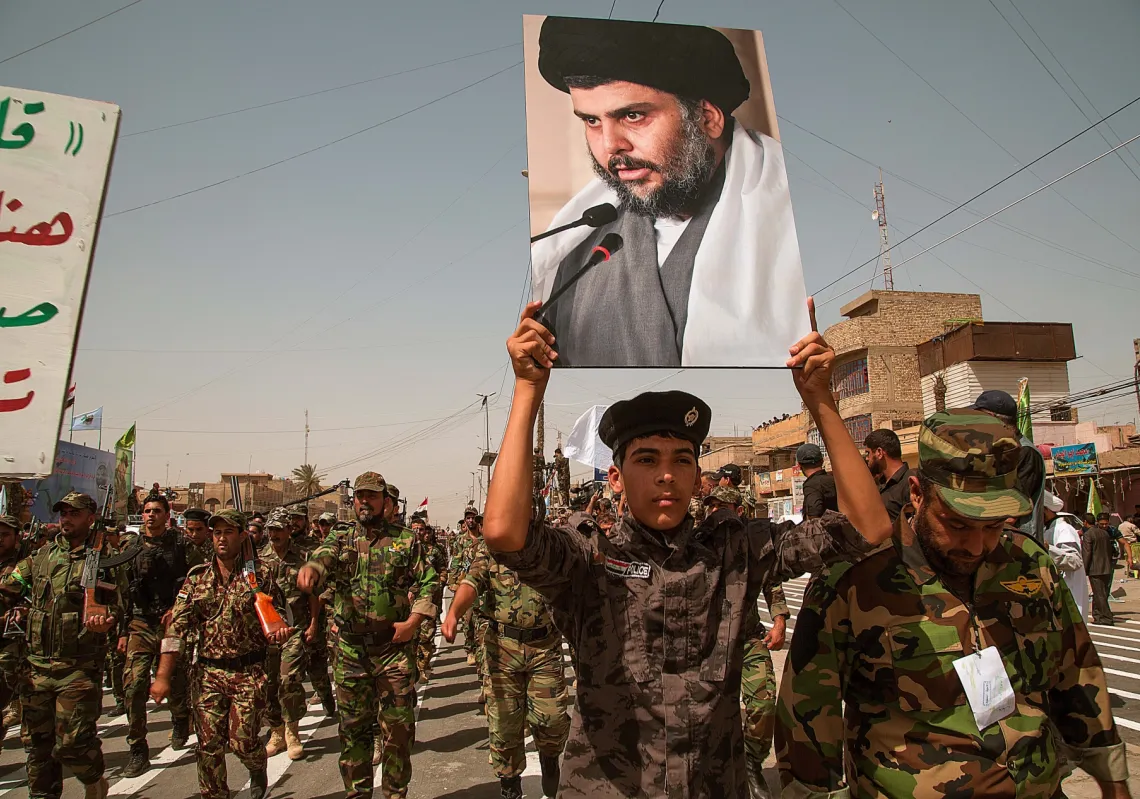
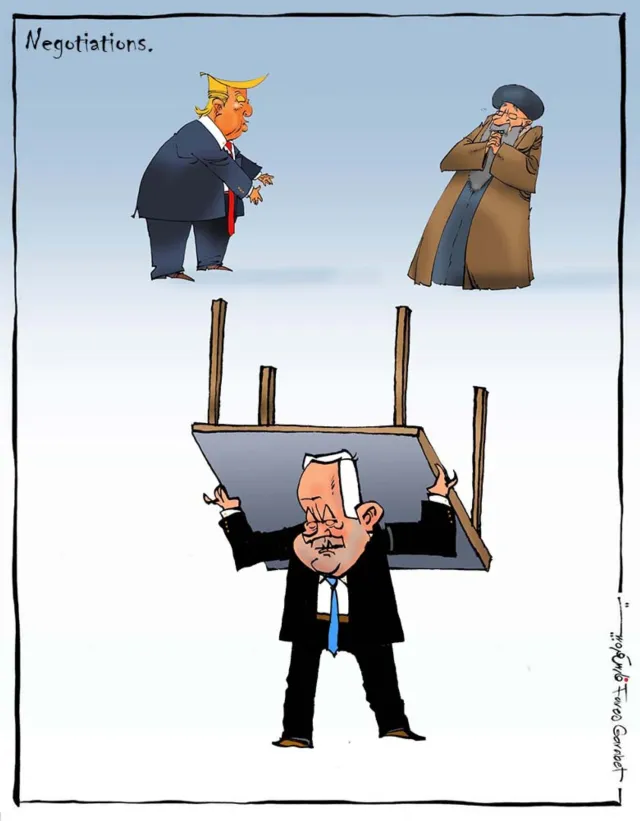
As the US-Iran war intensifies, it has drawn in non-state actors across the region. While Baghdad says it is not a party to the conflict, militias have stepped in on Tehran's side.
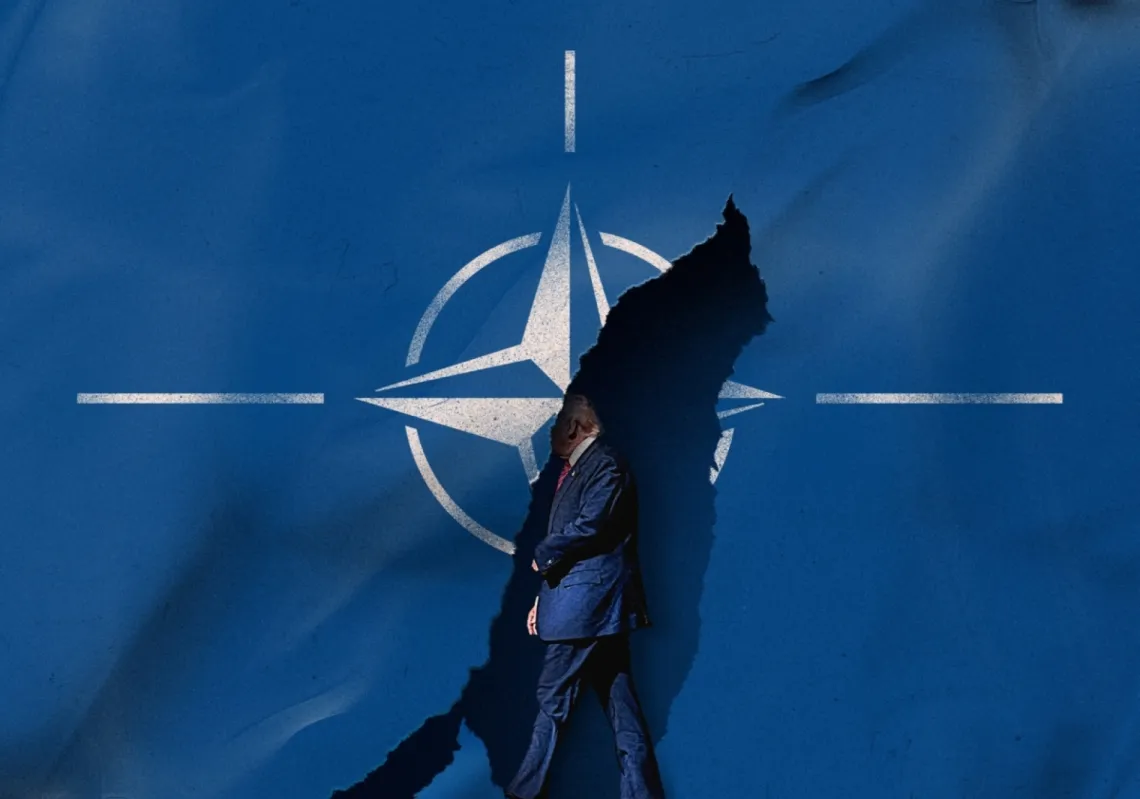
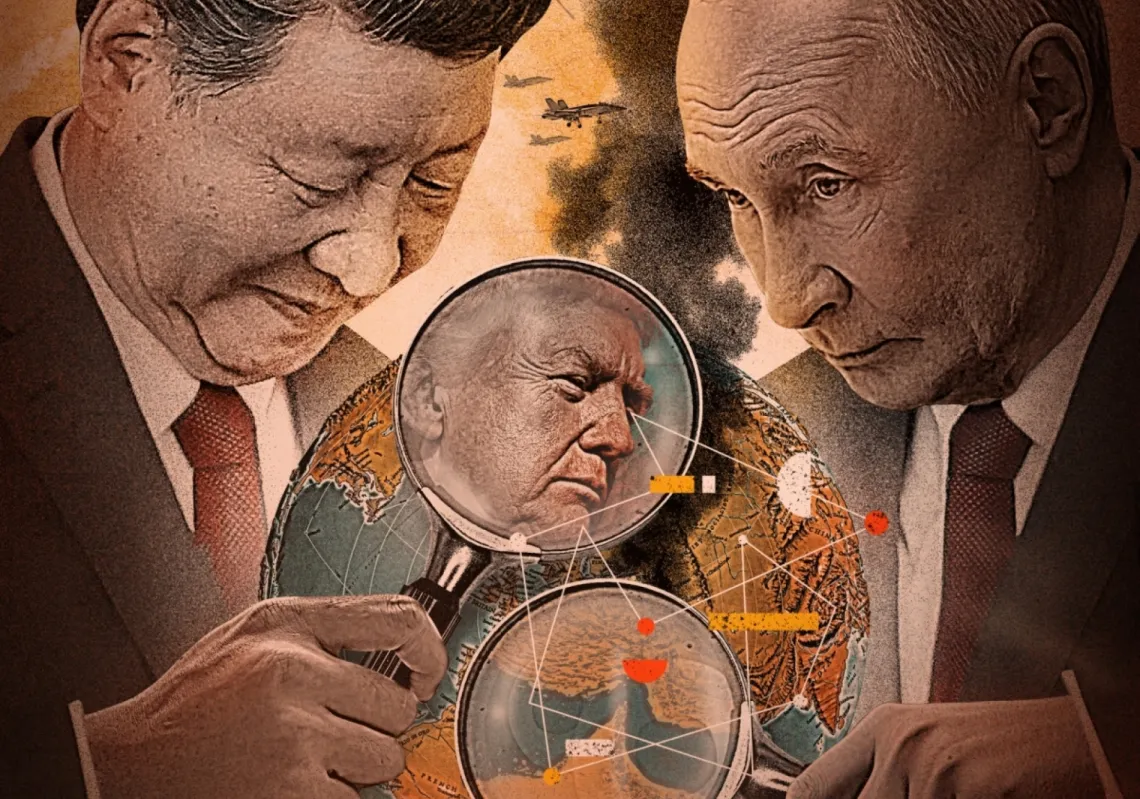
The US president dislikes multilateralism and deprioritises values-based alliances, instead preferring to do bilateral business with dealmakers, leaving the postwar order in tatters
Al Majalla examines the repercussions of Hamas's attack on Israel, which set into motion a series of significant changes and power shifts in the Middle East
There is still time to turn conflict into durable stability and to construct a regional order that benefits all. Failure to do so could leave things in limbo until the next big flare-up.
After Israel dealt Iran and its regional axis a string of crippling blows last year, Lebanon now finds itself better-positioned to reclaim its eroded state sovereignty. Will it grab the chance?
Lebanon's president and prime minister have a big decision to make: whether, and how, to use the army to disarm Hezbollah. Today's army can be trusted, but its task must be well thought through.
The US-Israeli war against Iran aims to draw in Gulf states, but history has shown that entering wars is far easier than exiting them. Prudence is needed now more than ever.
PA Foreign Minister Varsen Aghabekian Shahin tells Al Majalla that Israel is taking advantage of the fact that the world is distracted by the US-Iran war to create irreversible facts on the ground
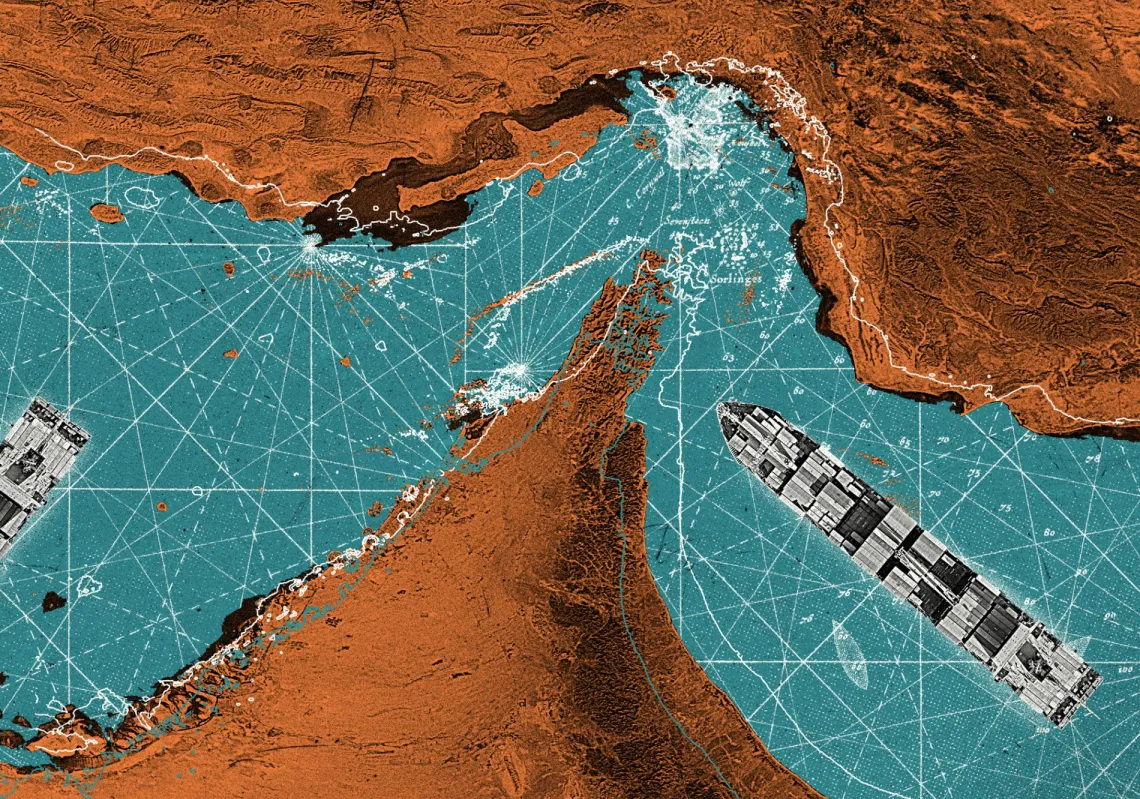
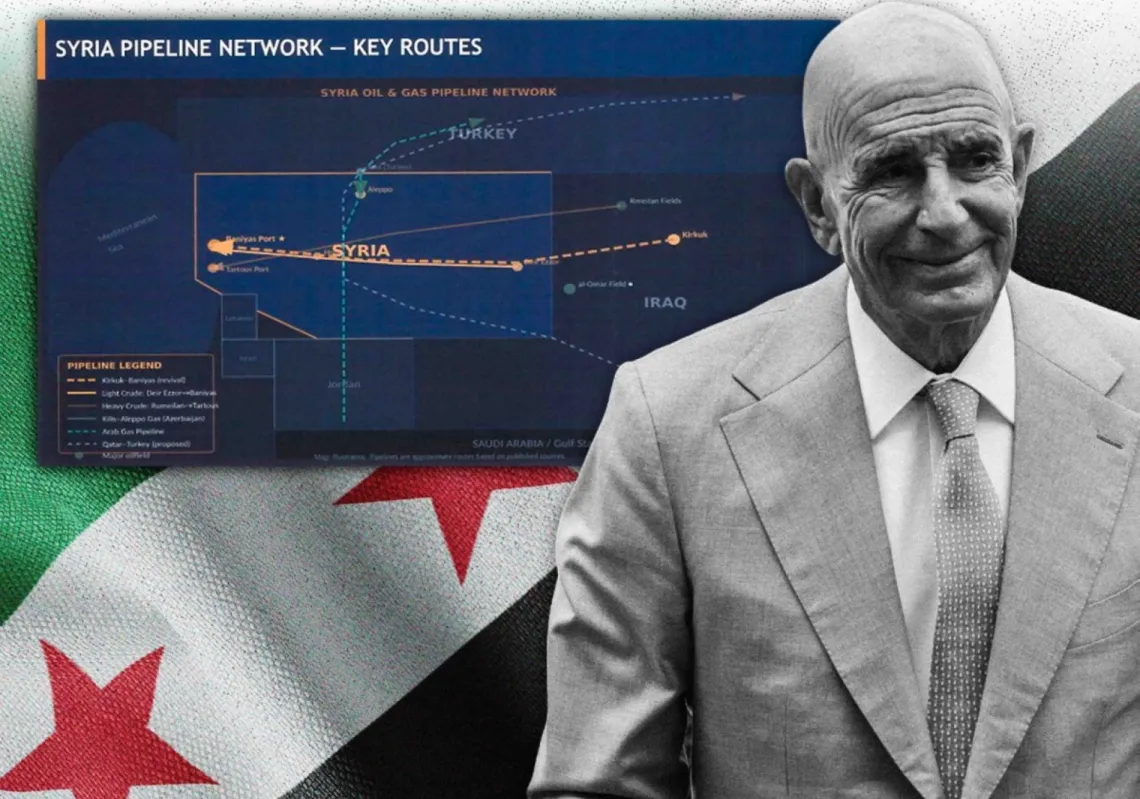
Given the effective closure of the Hormuz Strait and Houthi threats to close off the Red Sea, Syria may emerge as a corridor and conduit to bypass these embattled maritime chokepoints
A former army forensics employee who later became known as Caesar tells Al Majalla how he risked his life to expose the torture and killing of countless Syrians in regime prisons