The US and Iran mull next moves amid shaky truce

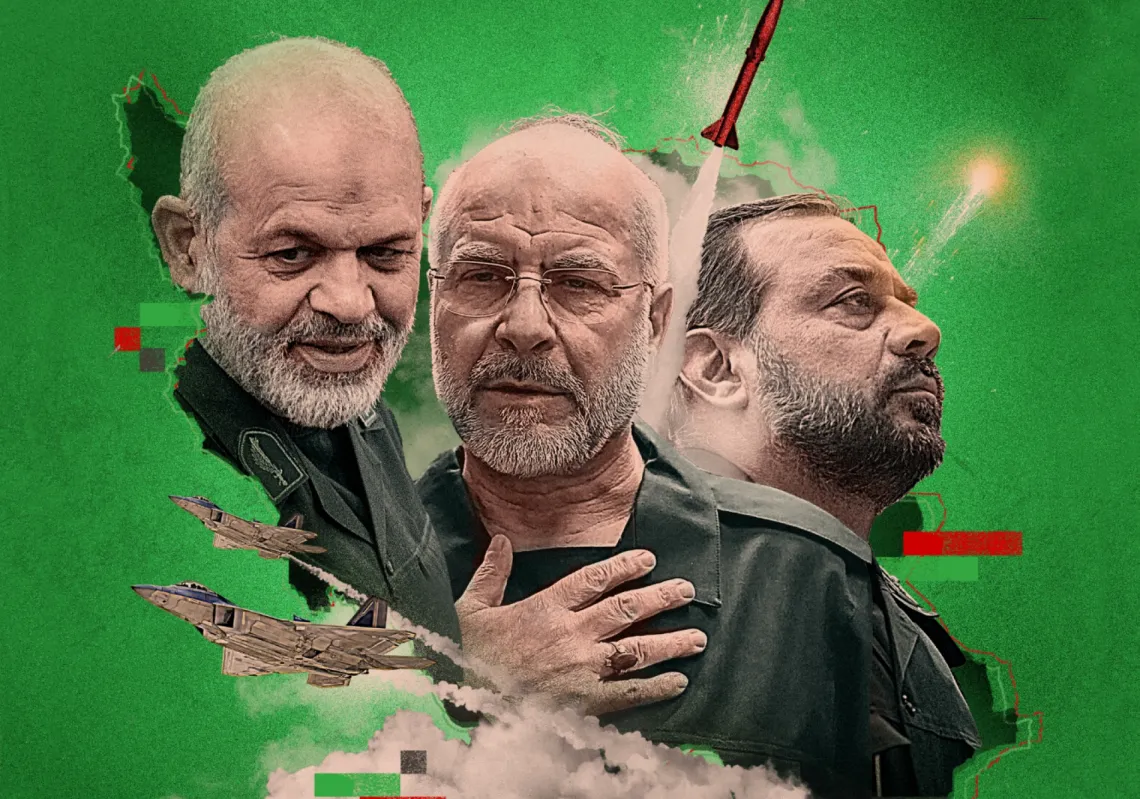
Washington weighs the desire to avoid a protracted war with offsetting the appearance of defeat, as Tehran debates whether to consolidate gains before conditions shift or press perceived advantages

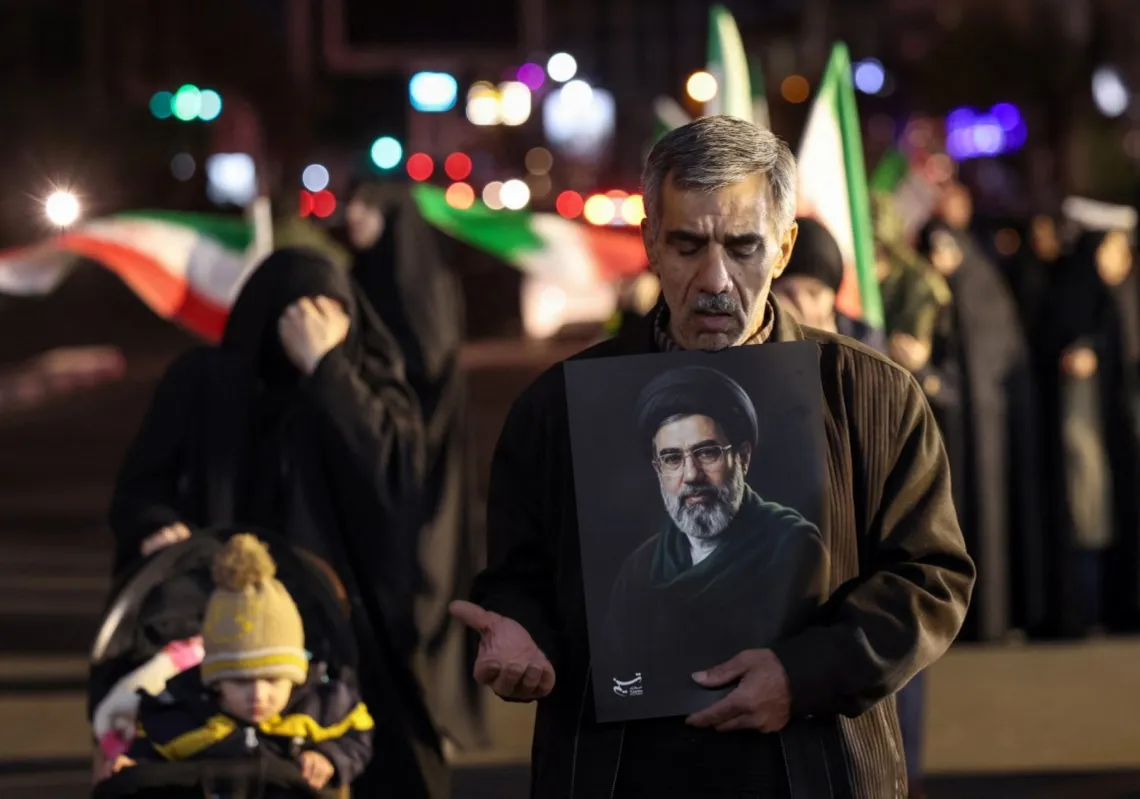
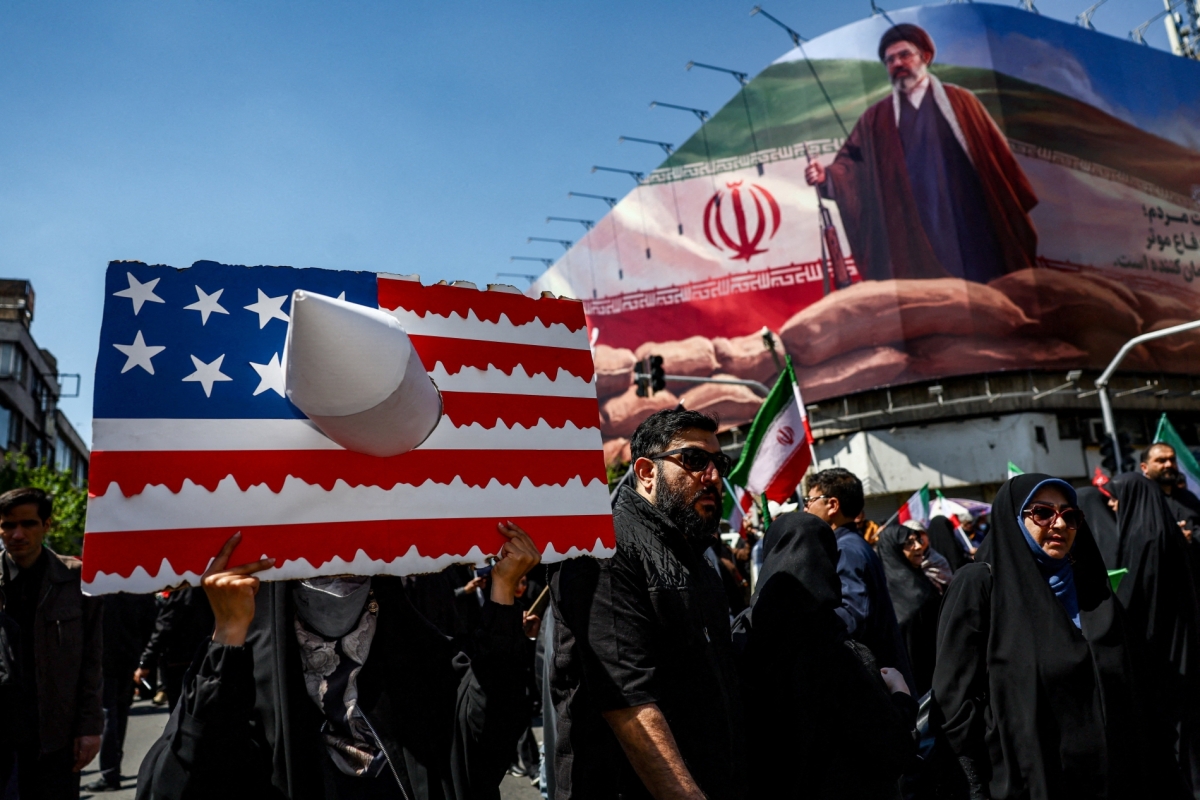
Iranians mark 40 days since Ayatollah Ali Khamenei was killed in US-Israeli strikes at a demonstration in Tehran on 9 April, 2026.
Majid Asgaripour / AFP
Iranians mark 40 days since Ayatollah Ali Khamenei was killed in US-Israeli strikes at a demonstration in Tehran on 9 April, 2026.

The US and Iran mull next moves amid shaky truce

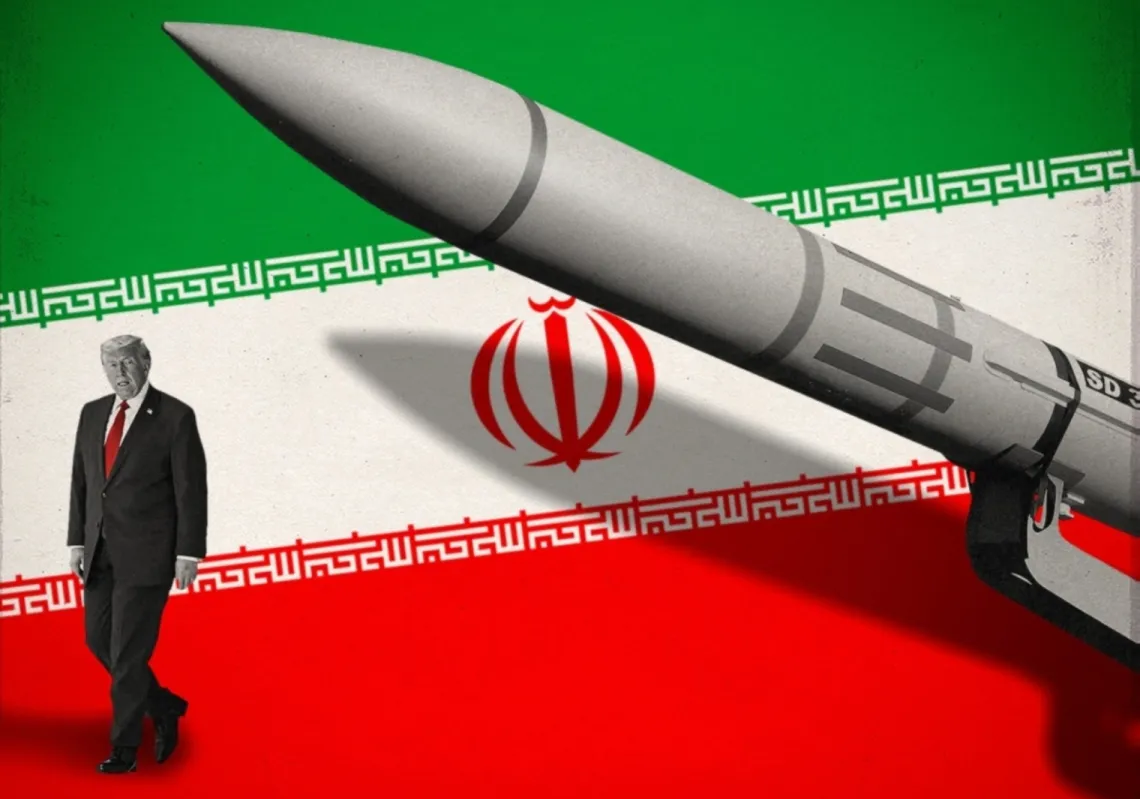
Forty days into a hugely costly war that neither side had fully intended to fight, but both had in some way or another long prepared for, the guns have, for now, mostly fallen silent. The two-week truce announced on 7 April between Iran and the United States is being presented by some as a diplomatic breakthrough. It is not. It is only deferred escalation.

The circumstances of the pause matter as much as its terms. In the final hours before a looming US deadline, President Donald Trump agreed to suspend planned strikes on Iranian infrastructure—reportedly including bridges and power plants—conditional on the reopening of the Strait of Hormuz. The sequence is telling. This was not a ceasefire born of diplomatic convergence, but one narrowly negotiated under pressure, in which immediate risk management took precedence over long-term settlement.

Tehran, for its part, has moved quickly to shape the meaning of the moment. The Islamic Republic has declared a “historic victory,” framing the ceasefire not as a compromise but as a resounding US retreat. In this telling, Washington—having failed to achieve its objectives—has been forced to accept the contours of a 10-point Iranian proposal that sets the basis for ending the war. And while the language is inflated—as such language often is in wartime—the underlying intent is serious. Iran is not merely describing events, but it is attempting to define them.

Against this backdrop, Tehran isn't negotiating a pause; it is negotiating an endgame. The distinction matters. While the US appears to view the ceasefire as a temporary mechanism to halt escalation and reopen a critical maritime corridor, Iran is using the same window to press for structural outcomes: full sanctions relief, recognition of its right to enrich uranium, compensation for wartime damage, and constraints on future American military activity in the region. In effect, Tehran is attempting to convert battlefield endurance into political normalisation.

Nowhere is this more visible than in the debate over the Strait of Hormuz. The waterway, through which roughly a fifth of the world’s oil flows, has—thanks to this war—become integral to Iran’s deterrence strategy. In previous crises, the threat of closure was used as leverage.
Reuters
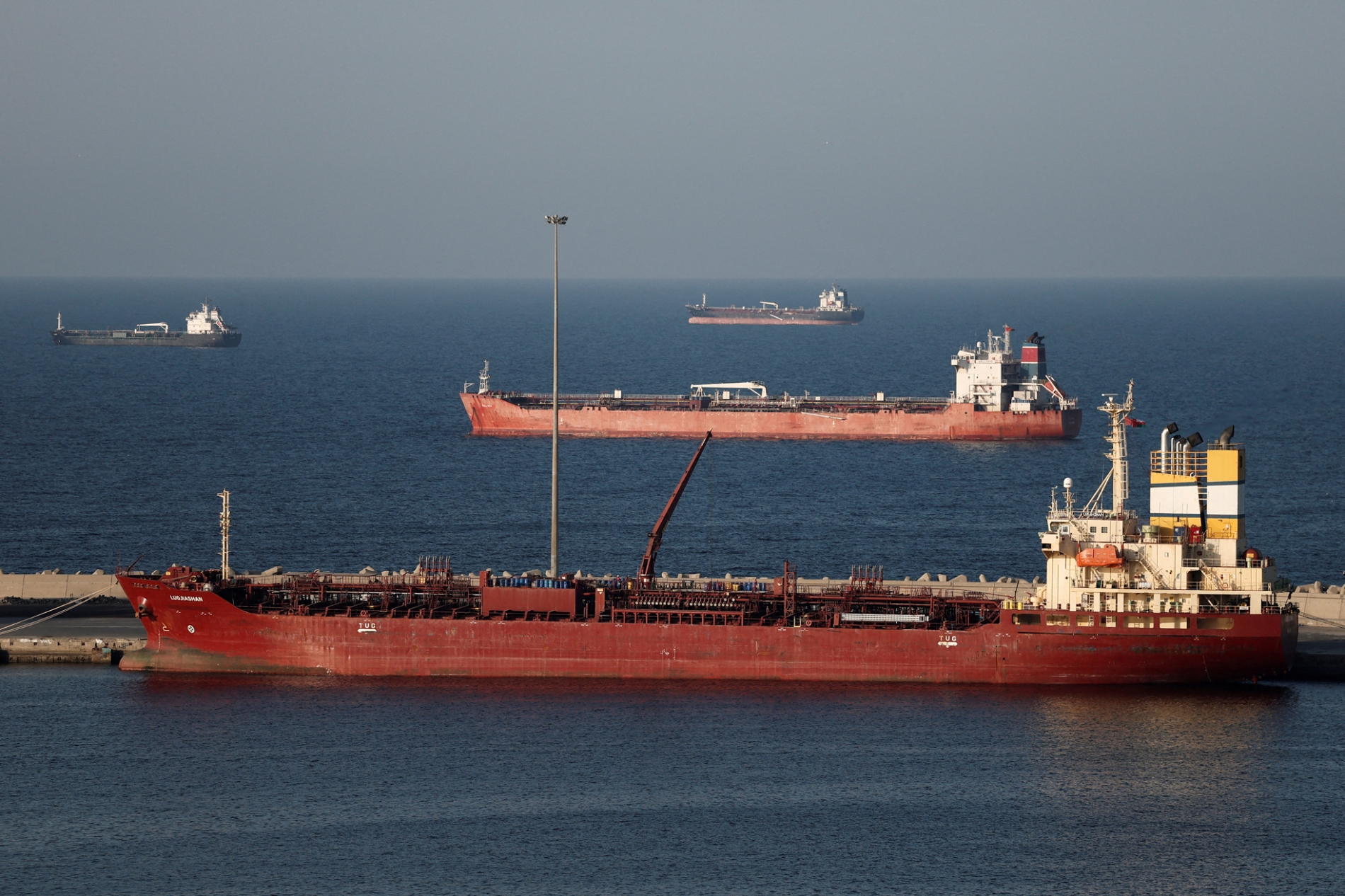
An oil tanker docked in Muscat port, Oman, amid Iranian threats to close the Strait of Hormuz, on 7 March 2026.

Leveraging gains

In this crisis, Iran has taken it a step further. It has demonstrated not only the ability to disrupt access, but also to condition its reopening. The current arrangement—limited transit under a defined protocol—suggests an ambition that extends beyond temporary control. Tehran is testing the idea that access to Hormuz can be regulated, negotiated, and, in some form, institutionalised. This could be a case of Iranian overreach, but this is its current stance.

For Washington, this presents a dilemma that is both strategic and psychological. The United States retains overwhelming military capabilities. But, as in previous wars in the region, translating that capability into political outcomes has proven more difficult. Escalation remains possible. Yet escalation without a clearly defined endgame risks entrenching the very dynamics it seeks to undo.
The war, in Iran's telling, has exposed a United States that can escalate but not strategise.

This tension has been visible in the administration's messaging. Trump has described Iran's proposal as a "workable basis" for negotiation, while also insisting that it is "not good enough." He has spoken of imminent success and the possibility of further strikes in the same breath. He has essentially ruled out regime change while using rhetoric that suggests he is willing to pursue it. Each of these positions can—in isolation—be part of a coherent strategy. Taken together, they reveal something else: an approach lacking internal logic.

The absence of a clearly articulated end-state hasn't gone unnoticed. Allies are calibrating their positions cautiously. Markets have responded to uncertainty as much as to events. And in Tehran, the ambiguity has been absorbed into a broader narrative of American inconsistency and strategic drift. But the Iranians, too, have to make some big, consequential decisions about the future they seek with the US if they aspire to achieve permanent peace, as they claim. 

Majid Asgaripour / AFP
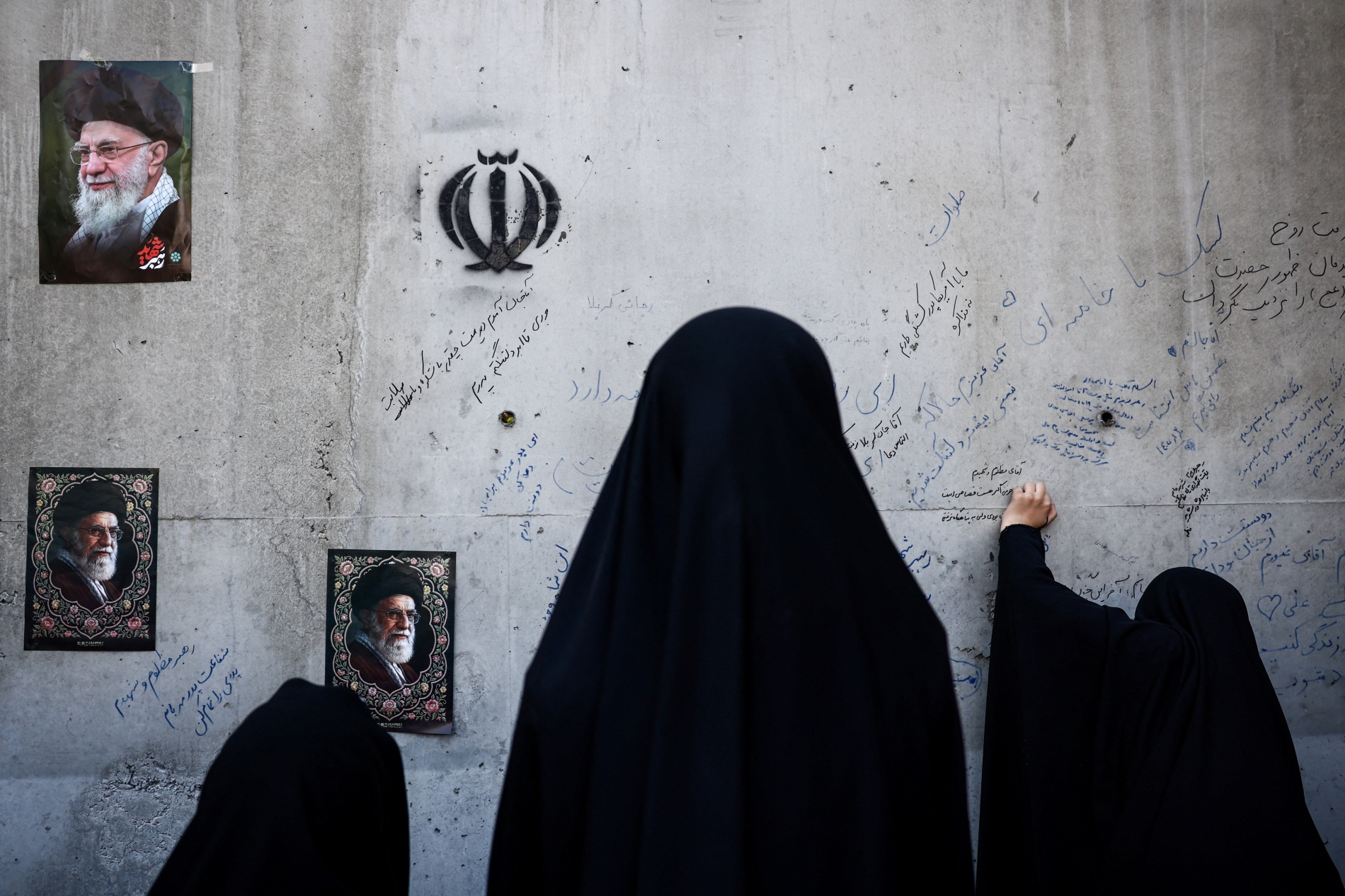
Pictures of the late Supreme Leader of Iran, Ayatollah Ali Khamenei, hang on a wall on the day of a ceremony marking 40 days since he was killed in Israeli and US strikes, in Tehran, Iran, on 9 April 2026.

Capabilities vs coherence

Iranian officials and commentators have been quick to seize on the contradictions. The war, in their telling, has exposed a United States that can escalate but not strategise. Former foreign minister Mohammad Javad Zarif characterised one of Trump's most recent speeches on Iran as "nonsense with zero content" in an attempt to recast the war not as a contest of capabilities, but as a contest of coherence.

What began as a military confrontation is increasingly being fought on political and psychological terrain. Iran's strategy reflects this shift. Militarily, it has not sought a decisive victory in the conventional sense. Instead, it has sought to exact costs on infrastructure, regional stability, and global energy flows, thereby expanding the scope of the war without escalating vertically. The disruption of Hormuz, the extension of pressure to Gulf states, and the activation of allied militant groups—Hezbollah in Lebanon, the Houthis in Yemen and the Popular Mobilisation Forces in Iraq— across multiple theatres all point to a doctrine of horizontal escalation designed to internationalise the consequences of the war.

Politically, the objective is complementary. Tehran is seeking to transform resilience into legitimacy. Throughout the war, it emphasised continuity—rapid replacement of leadership figures, sustained functionality of state structures—as evidence of systemic durability. And it is positioning itself as a rational actor willing to negotiate, but only on terms that reflect its perception of the new balance.

For its part, the US has demonstrated operational effectiveness, but its political objectives have been less clearly defined. Is the goal to degrade Iran's capabilities? To compel behavioural change? To force a broader realignment? Or simply to end the war without appearing to concede? A straightforward answer hasn't been clearly articulated.

Iran never pretended to be able to win the war outright, but what it has done is try to make it impossible for the US to win on the terms laid out by the Trump administration. This basic reality may create the necessary space over the next two weeks to produce a middle ground for a possible diplomatic compromise to build on the ceasefire.

The obstacles are substantial. Iran's demands—ranging from the lifting of sanctions to compensation to regional security guarantees—are an unthinkable concession on the part of Washington. The notion of withdrawing US forces from the region or formally recognising Iran's network of allied groups as part of a legitimate security architecture runs counter to decades of American policy.

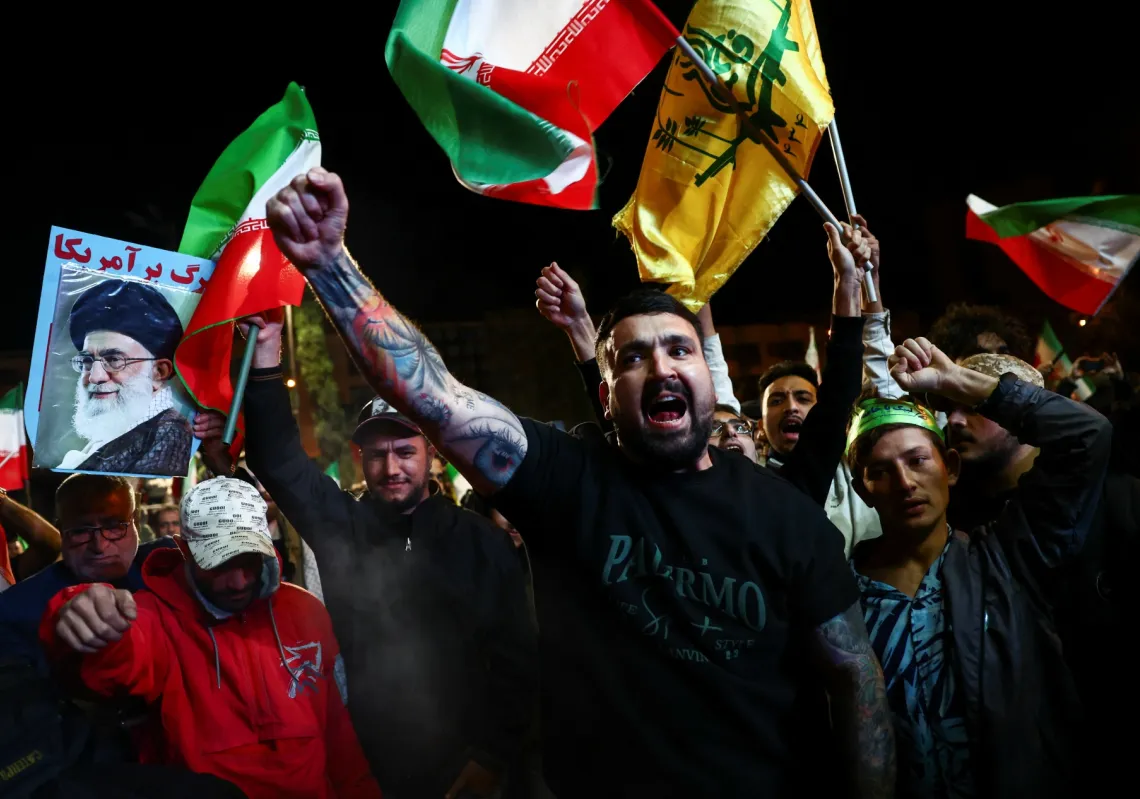
Majid Asgaripour / Reuters
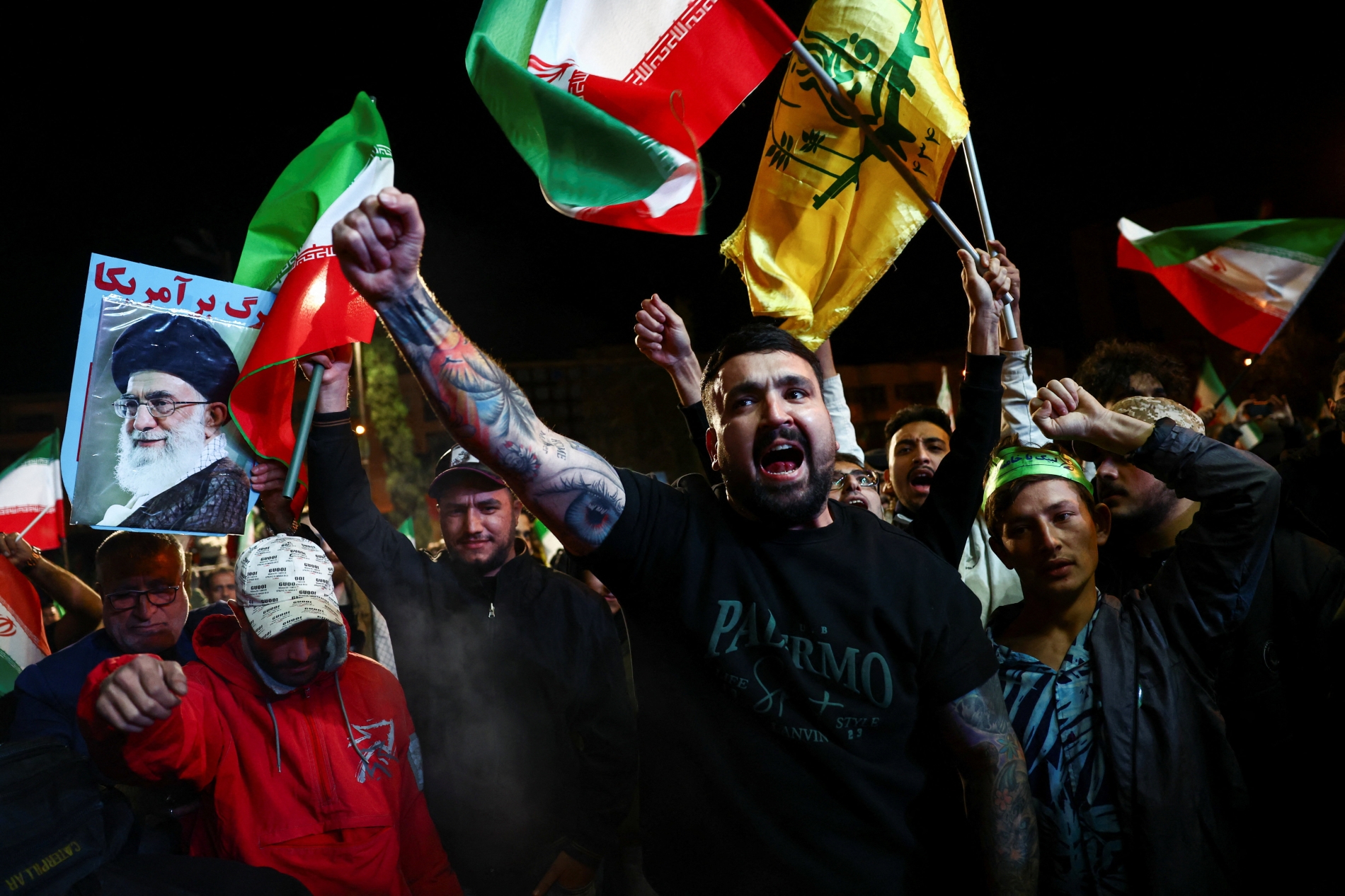
People shout slogans as they gather after a two-week ceasefire in the Iran war was announced, in Tehran, Iran, 8 April 2026.

On the nuclear issue, the familiar divide persists: Iran signals a willingness to forgo weaponisation but insists on its right to enrichment; the United States seeks limits that go further. It is a divide unlikely to be bridged.

Necessary negotiations

And yet, a narrow space for manoeuvre exists. The very fact that both sides now speak of frameworks—however divergent—suggests that the conflict has entered a phase in which direct negotiation is not only possible but necessary. There is a window here to prevent disaster, but whether it will be used before it shuts remains unclear.

Inside Iran, the ceasefire has produced a layered response. There is relief, but a sober understanding that it may not be over. A narrative of victory coexists with a more cautious recognition of uncertainty ahead. The debate within the political elite reflects this tension: whether to press perceived advantages or to consolidate gains before conditions shift.

In the United States, the picture is similarly mixed. The desire to avoid a prolonged conflict is evident. So too is the need to avoid the appearance of retreat. The balance between these imperatives will shape Washington's approach in the coming weeks.

The war has already altered the strategic landscape. Iran has demonstrated an ability to absorb pressure and generate leverage in ways that complicate traditional assumptions.

Tenuous pause

For now, the two sides have chosen to pause. But the pause is conditional, limited, and reversible. It rests on assumptions that the other side will moderate its demands, that negotiations can produce incremental progress, and that escalation can be contained.

What is clear is that the war has already altered the strategic landscape. Iran has demonstrated an ability to absorb pressure and generate leverage in ways that complicate traditional assumptions. And the US has shown that while it can escalate, it cannot easily impose outcomes on its own terms unless it wages another forever war in the Middle East, which Trump so vehemently claims he is against.

This mutual recognition is what made the ceasefire possible. Whether it will be enough to make lasting peace possible is another question entirely.

font change