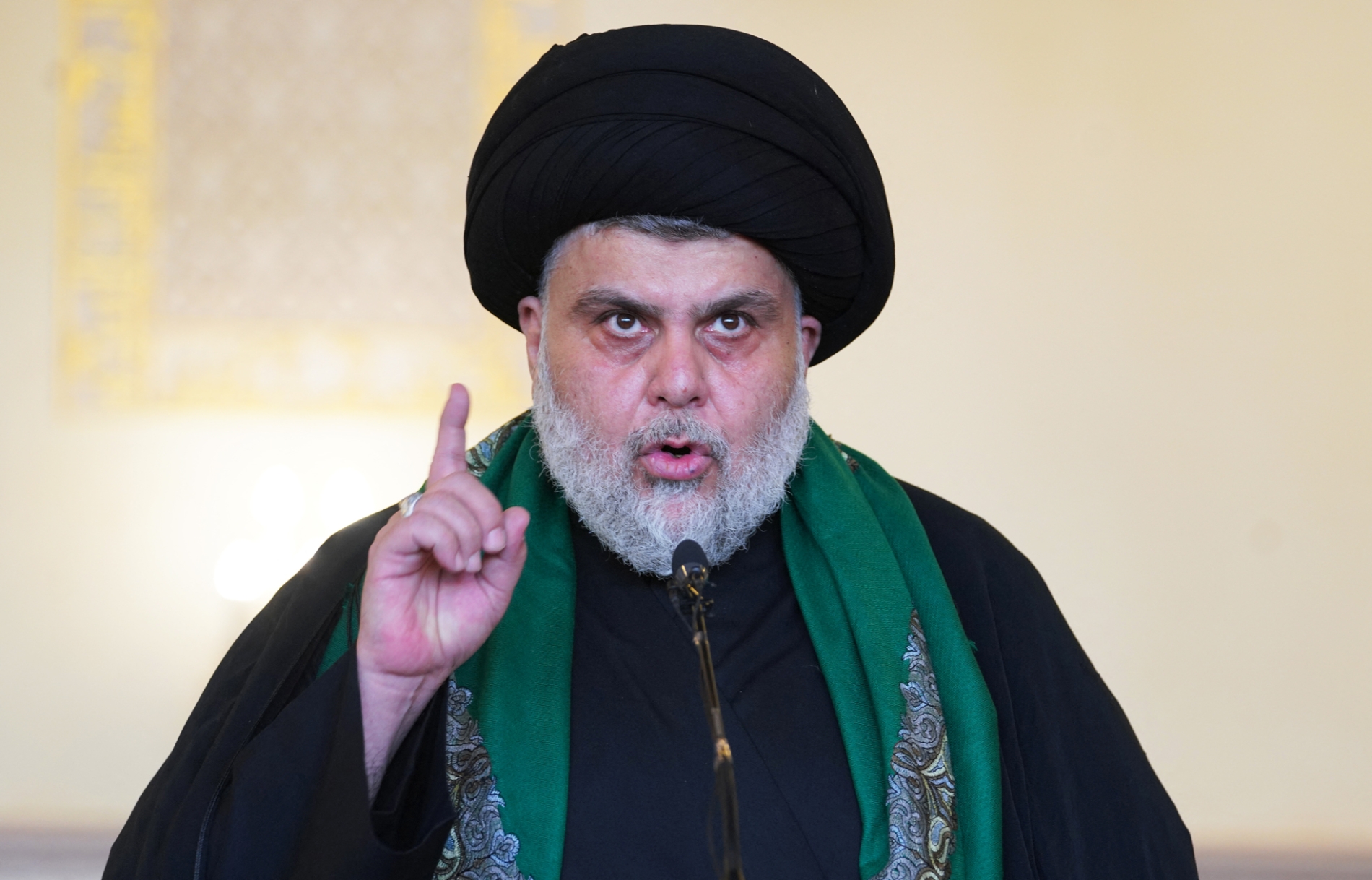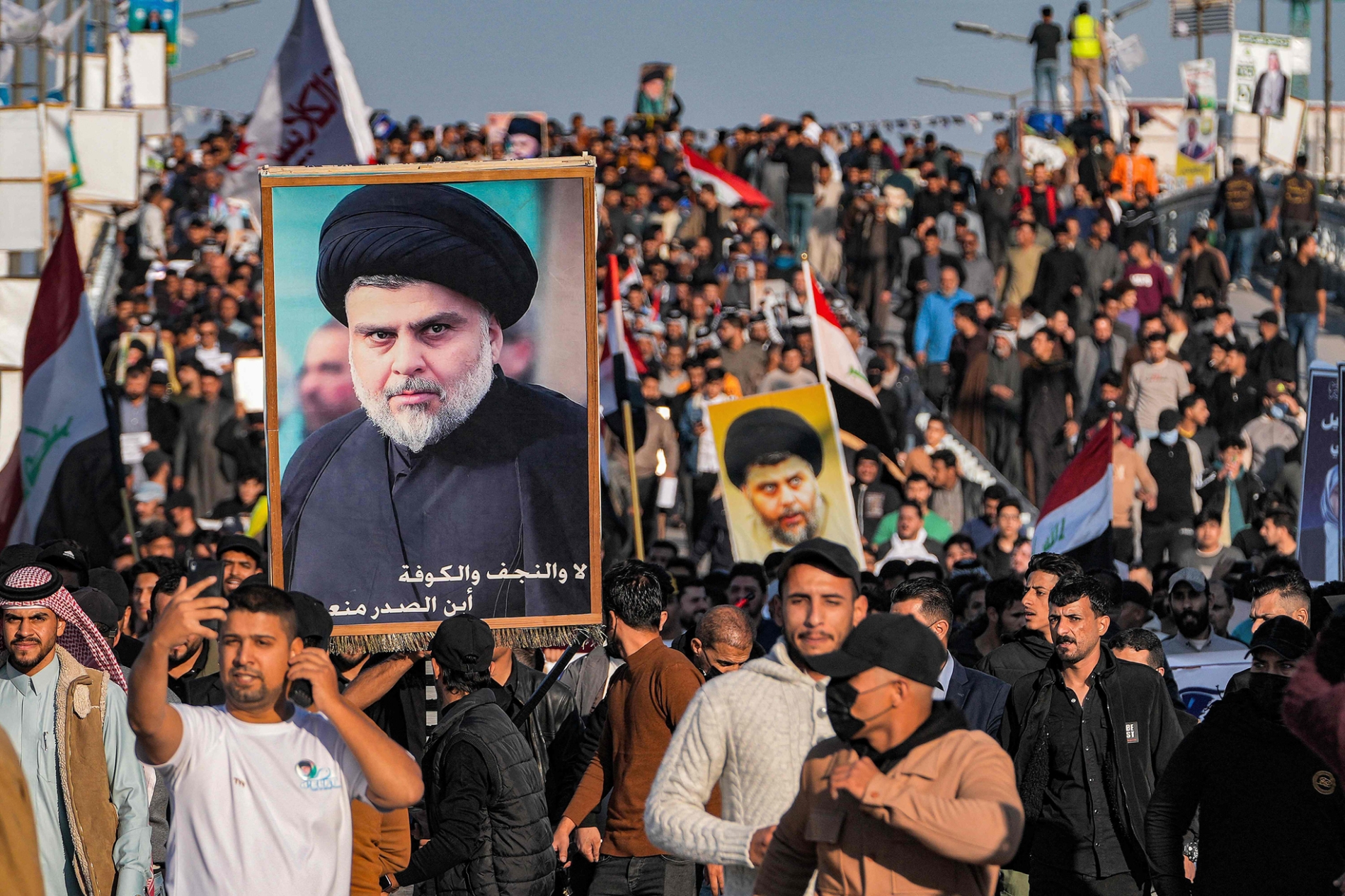
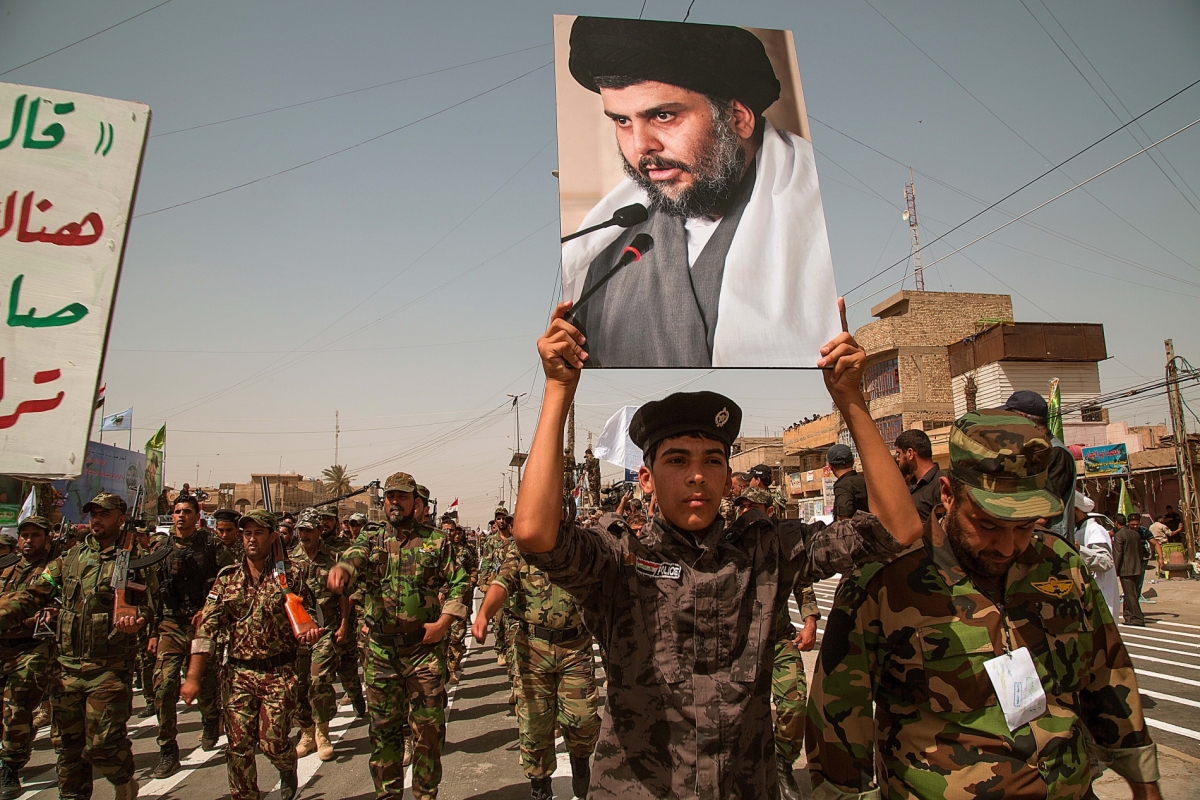

For the third time in less than two decades, prominent Iraqi Shiite cleric and politician Muqtada al-Sadr has announced the dismantling of a militia he created and oversaw. Last month, he announced that the Peace Brigades—the last and most important armed wing linked to the Sadrist current—would disarm and fully integrate into the Iraqi army, and affiliated civilian institutions would be transformed into the Bunyan al-Marsous project, without weapons, headquarters or military uniforms, becoming a purely civilian service institution.
The timing of the move is far more significant than the dismantling itself. It comes as US pressure on Baghdad to disarm militias is at an all-time high. It also coincides with rapid regional shifts that have redrawn the balance of power across the Middle East, and with the formation of a new Iraqi government seeking to restore state authority and recalibrate the relationship between official institutions and armed factions.
Weeks before the announcement, al-Sadr had set strict conditions for the move. He called for the exclusion from government of any party possessing an armed wing and demanded that all weapons be placed exclusively under state control. It appeared as if he was trying to redefine himself as a statesman rather than a leader of an armed faction, and also position himself as a proactive player in Iraqi politics, not just a reactionary figure.
To understand the latest development, it is helpful to view it through the lens of Sadrist history. After the fall of Saddam Hussein’s regime in 2003, the Mahdi Army led by Muqtada al-Sadr emerged as one of the most important armed actors in the new Iraq. Within a few years, it had grown into a formidable military and social force that fought American troops and later became involved in Iraq’s internal conflicts. As armed confrontations escalated and political pressure mounted, al-Sadr announced a ceasefire in 2007, before taking his most famous decision in August 2008 when he froze the activities of the Mahdi Army indefinitely.
At the time, the decision was less an admission of defeat than an attempt to save the Sadrist project from military and political exhaustion. Al-Sadr realised that the militia’s continued existence in its old form threatened his political future and eroded his ability to manoeuvre within the new Iraqi system. He then pivoted by restructuring it and launching new religious and social wings, while retaining a more disciplined and less visible core.
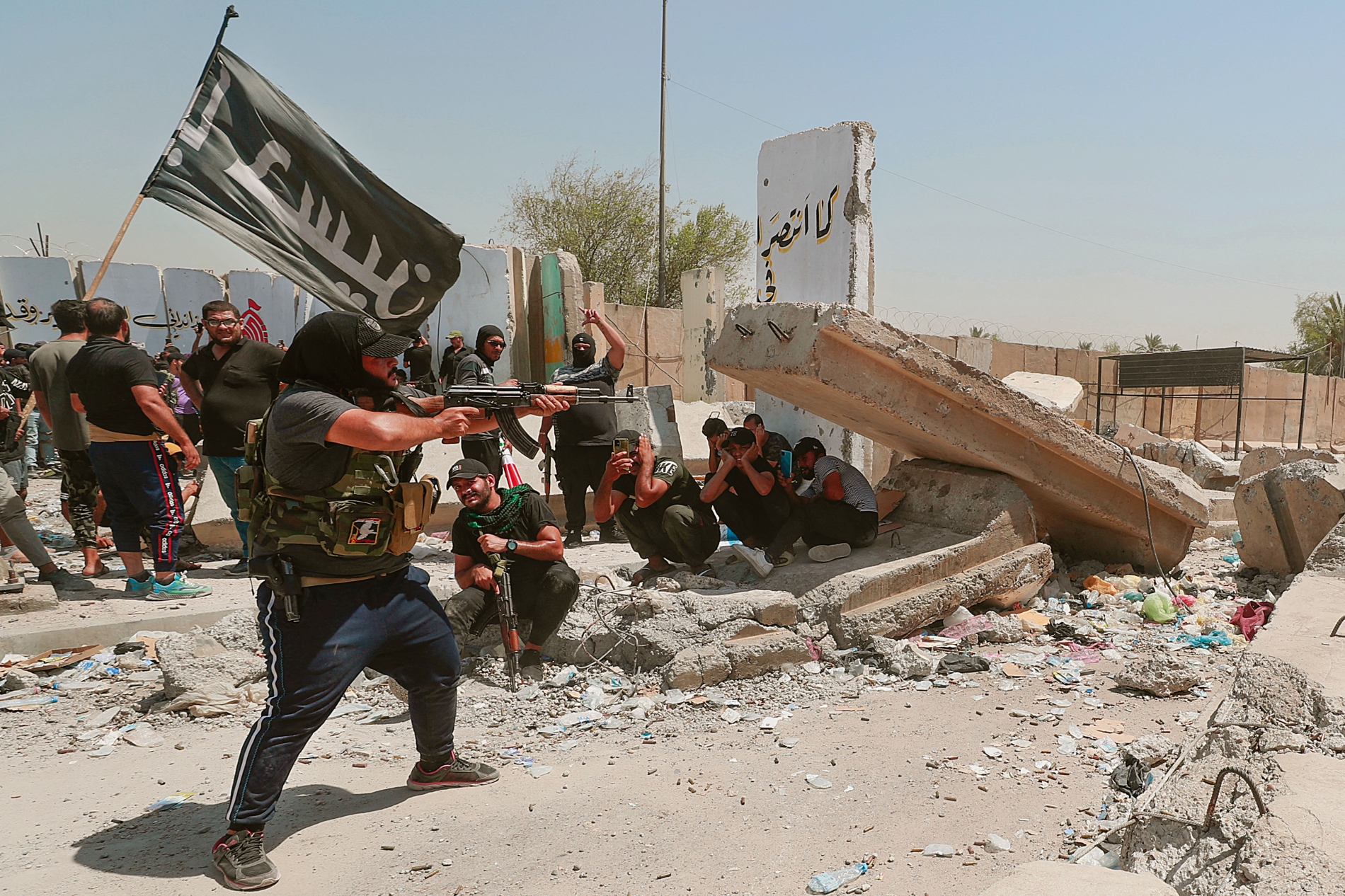
Repeated pattern
That was not the first time he suspended and reactivated his militia. He had done the same several times over the years, especially when he felt any militia encumbered his political prospects. Later, with the rise of the Islamic State (IS) in 2014 and the collapse of large parts of Iraq’s security apparatus, al-Sadr returned to the military scene through a new gateway: the Peace Brigades. When he first launched the group, its declared remit was to protect religious shrines and participate in the fight against IS, following a historic fatwa of collective duty issued by the highest religious authority, Ayatollah Ali al-Sistani. Despite the change in name and circumstances, the new formation represented, at its core, the return of a Sadrist fighting force to Iraq's military landscape.