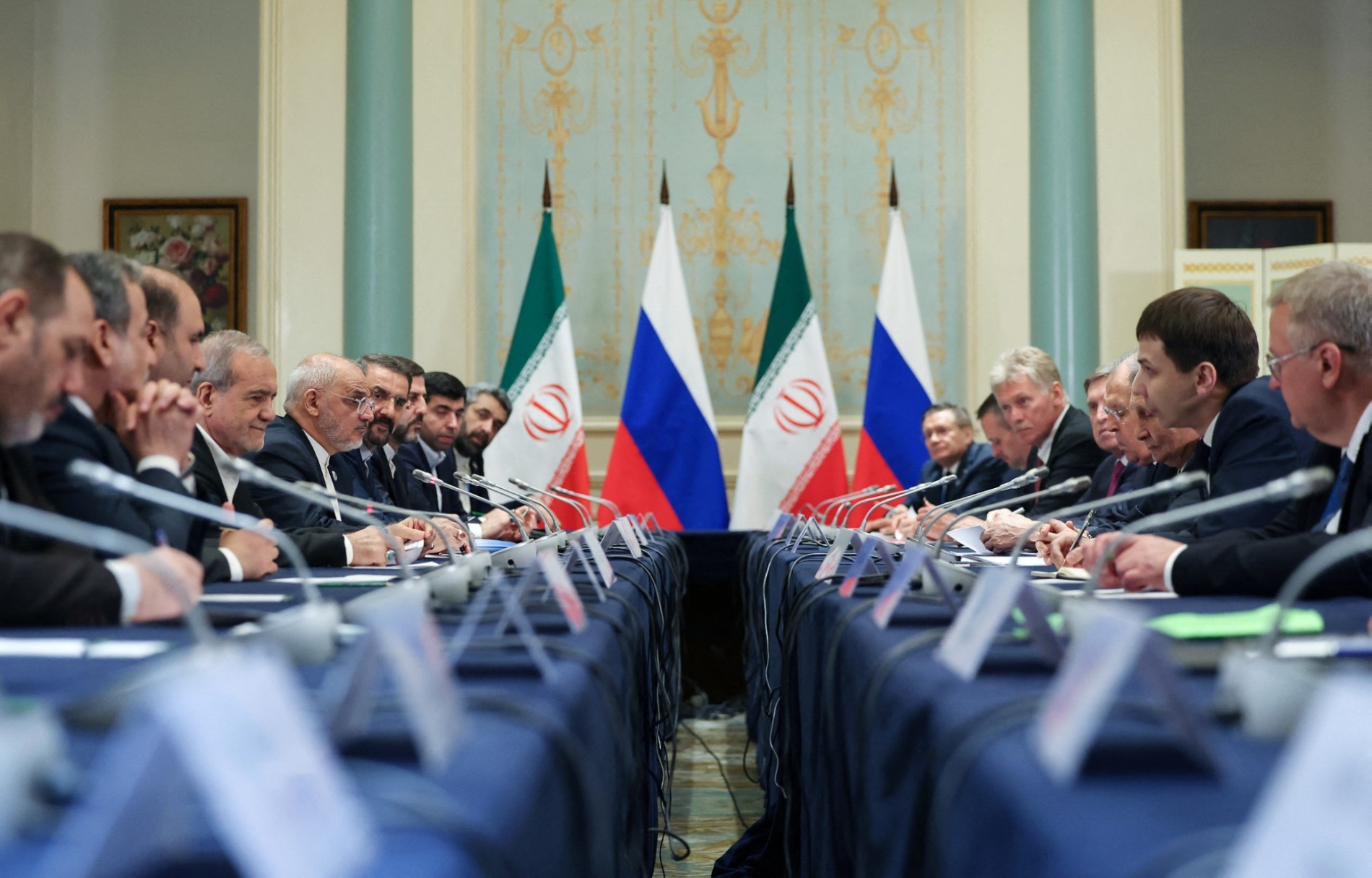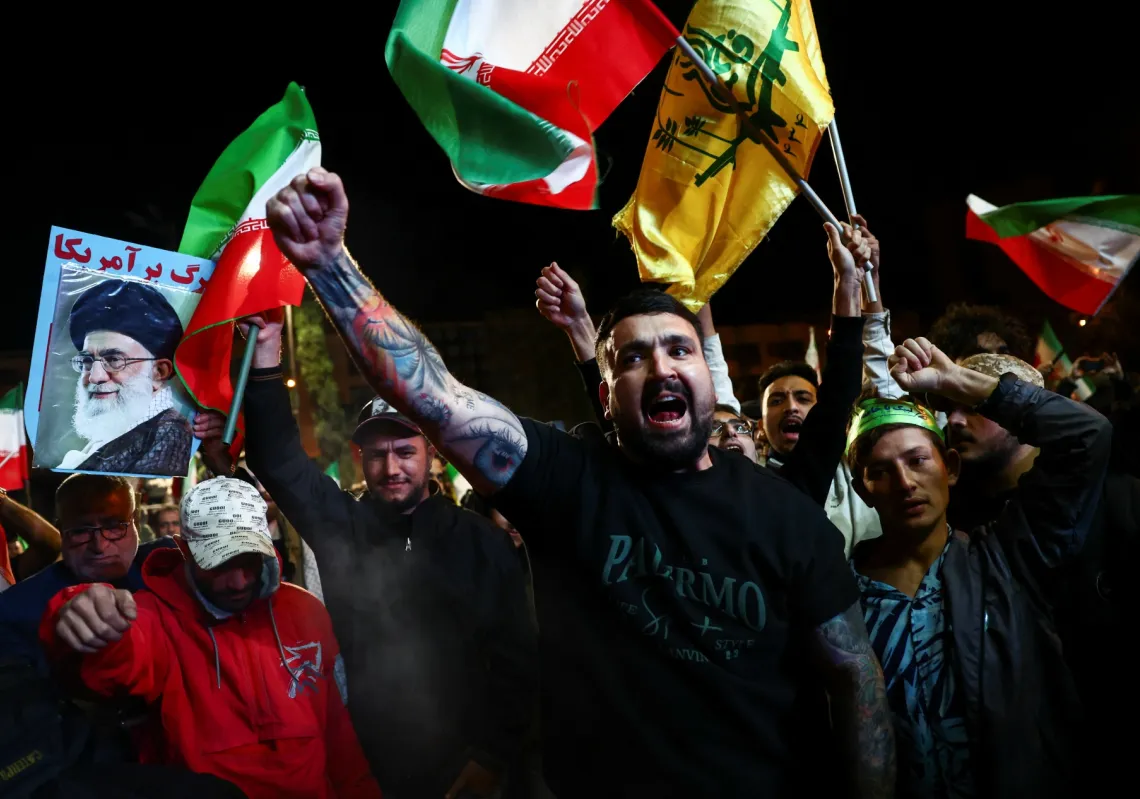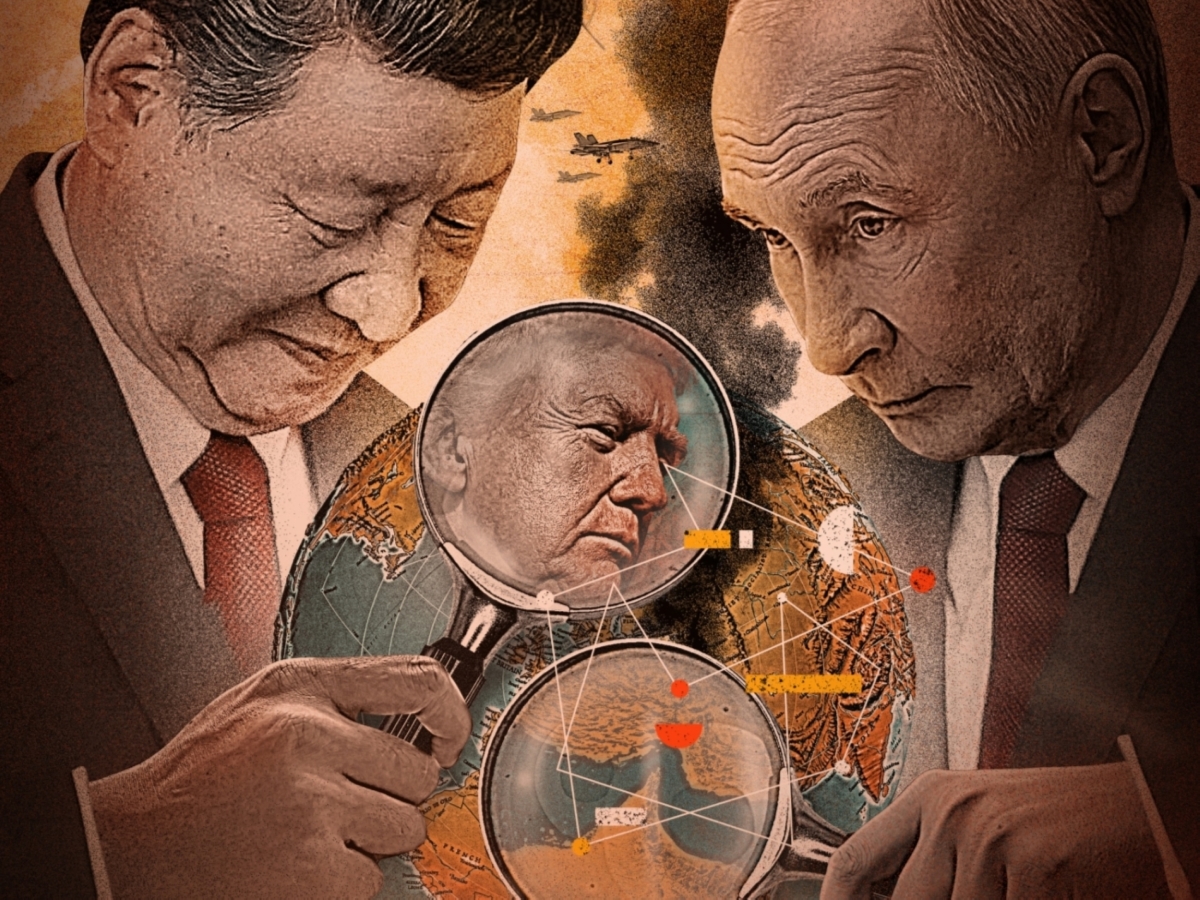

When the US and Israel waged war on Iran on 28 February 2026, killing its Supreme Leader Ali Khamenei, two global powers watched intently from afar: China and Russia. Both had signed a trilateral strategic pact with Tehran just weeks earlier, pledging to deepen economic and defence ties (though offering no security guarantees).
Neither side stepped in militarily to stop the strikes. The pact was never meant as a full-fledged alliance. Those expecting some form of Russian or Chinese intervention were, in my view, clearly misinterpreting the relations among the three countries. Still, one would be wrong to assume that Beijing and Moscow are simple bystanders. Both see opportunities and threats—and are calibrating their responses in line with their perceived interests.
Chinese priorities
Beijing's short-term concern is energy security. China gets between 40 to 45% of its crude oil imports through Iran alone, and some 30% of its LNG supply through the Strait of Hormuz. Before the war, it was transporting approximately 1.4 million barrels per day to Chinese refineries, representing about 13% of China's total crude imports and accounting for roughly 80 to 90% of Tehran's oil export revenue. In the first weeks of the war, Sinopec announced it would cut refining capacity by more than 10%.
The war could have been a near-term disaster for China had it not been prepared. The economic insulation China enjoys is noticeable: While Western consumers reel, Beijing entered the war with a clear plan to soften the blow. By surging imports in early 2026, China built a strategic reserve covering 140 days of imports.
Furthermore, with Brent Crude hovering at $109 (a 51% surge), China’s ability to purchase Russian and Iranian oil in Renminbi allows it to absorb the "inflationary shock" far better than rivals tied to the dollar. It leveraged its energy transition, having already shifted enough domestic consumption toward renewables and electric vehicles to create structural buffers that make it less affected by the crisis than other Asian countries.
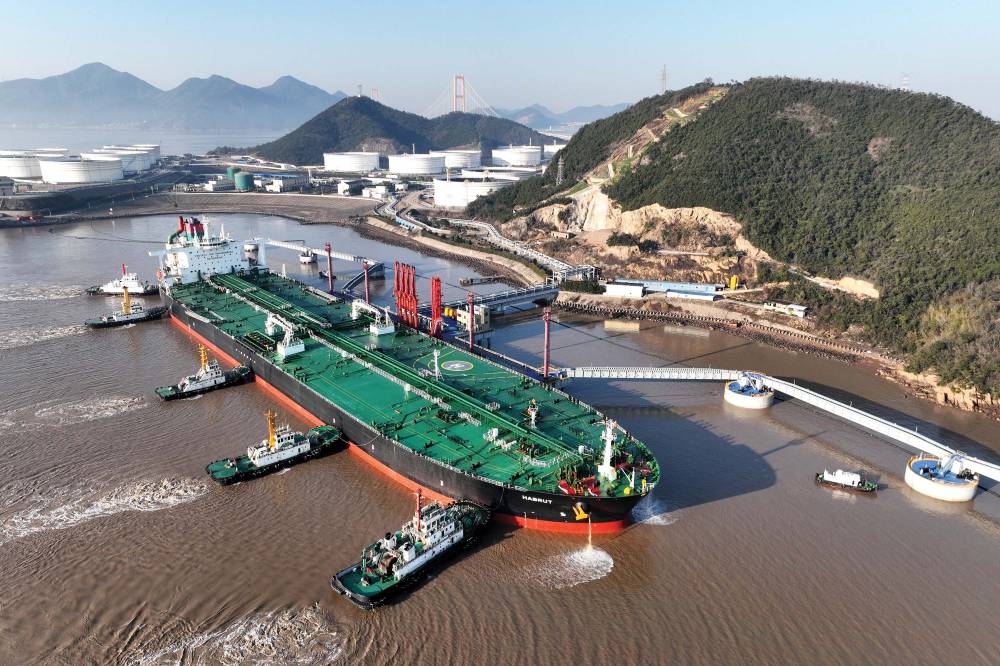
But this cushion isn't a long-term solution. Although it can sustain a short spike in energy prices, Beijing cannot afford the conflict to last for too long. The Chinese economy is focused on exports, meaning sluggish demand and inflation outside China will impact its bottom line.
On the strategic and diplomatic levels, the war offers opportunities but also poses potential threats. The US and Israeli attack against Iran, if successful in prompting regime change, could remove a key ally, altering the strategic picture for decades to come. As of now, the immediate risk of regime collapse has eased, and the closure of the Hormuz Strait has given Iran some leverage. But even if it survives, Iran's economy would still be in shambles, which could foment domestic unrest.
On the other hand, Beijing may stand to benefit from a deadlock in the conflict, particularly if the US were to double down with ground forces. If Washington ends up being bogged down in the Middle East for years, Beijing would have more leeway to flex its muscles in Asia. Washington has been pulling assets away from key US allies in Asia, and stocks of interceptors and bombs that could be used in a war with China—if Beijing were to attempt to forcefully take over Taiwan, for instance—have been depleted.
Still, Beijing is unlikely to aim for this specific outcome because of the economic constraints mentioned above: A long-lasting deadlock, while beneficial on the geopolitical level, could be deadly to the Chinese economy, and Beijing’s first goal is stability within China.
As a result, Beijing is incentivised to exploit the war without prolonging it. Helping Iran through limited weapons and intel supply can achieve that goal, offering opportunities to test US military capabilities (and perhaps draw some lessons that could be used in a future conflict with Washington), while also supporting Iran’s effort to impose a cost on the US, as a way to force Washington to agree to its conditions.
But China still faces some constraints here. First, it has to take into consideration its relationship with the Gulf: Overt support for Iran’s war effort could complicate its relations with Gulf states, which came under Iranian attack. Second, visible and proven attempts to support Iran could also embolden China hawks in Washington, and jeopardise the chances of a trade deal with Trump.
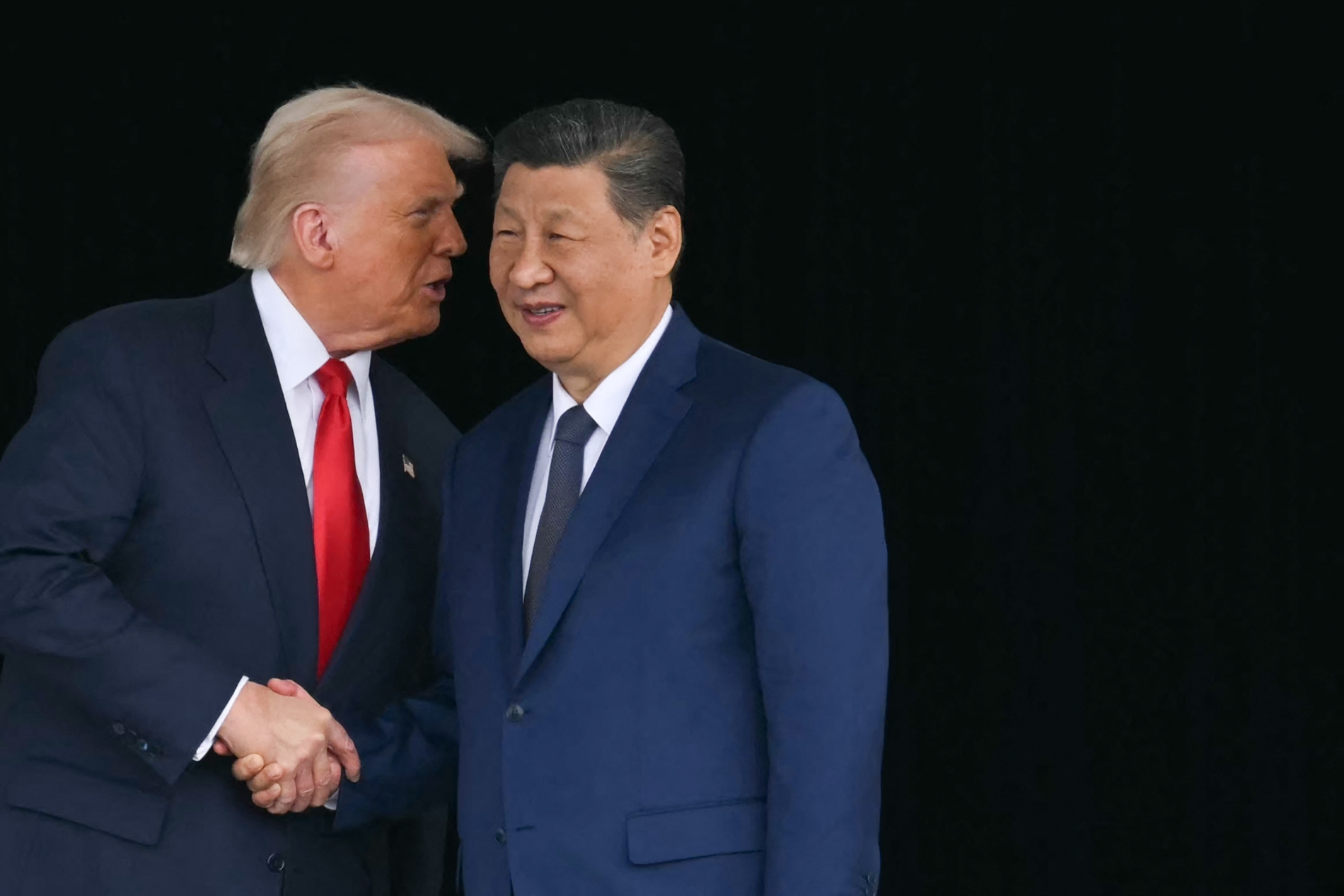
So far, Beijing has seen Trump as an opportunity rather than a liability. The trade war launched by the US president has been manageable, and Trump has shown time and time again that he is keen to secure a deal with Beijing rather than escalate the conflict further. China is unlikely to sacrifice this opportunity for Iran's sake. Compared to Moscow, Beijing faces more constraints.
Russia's priorities
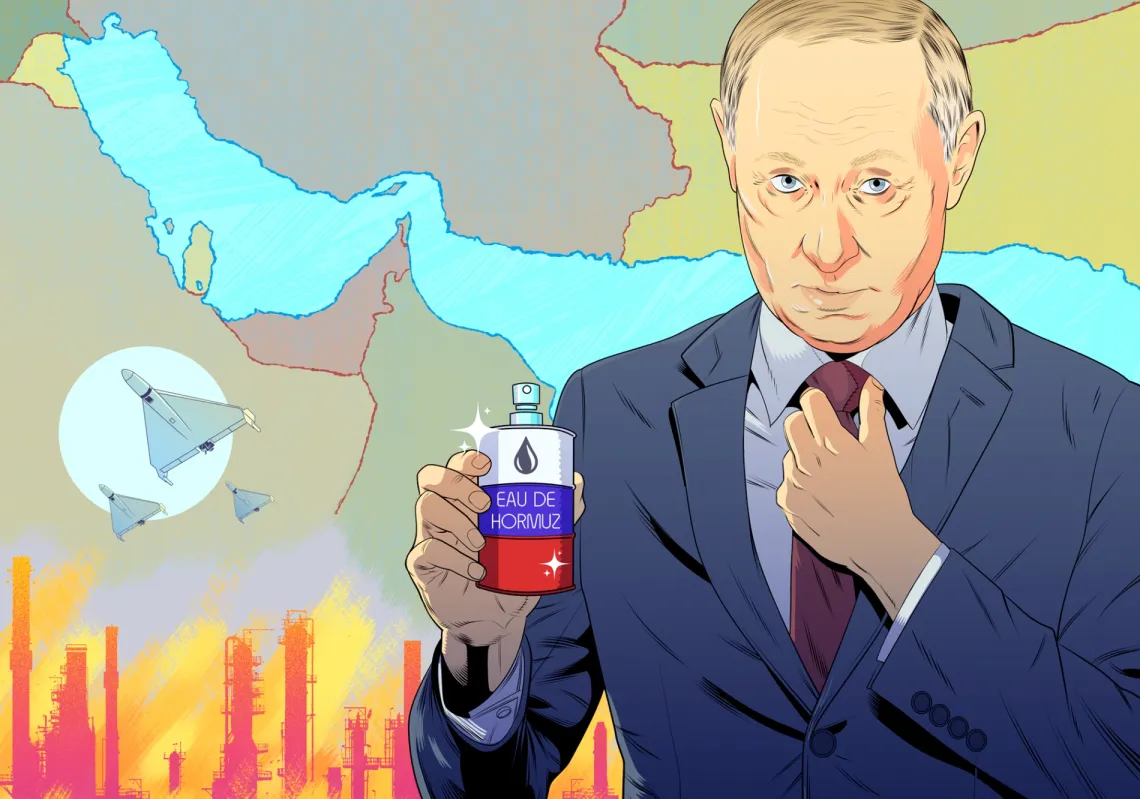
Moscow's position is structurally simpler. Russia is, by almost every objective measure, the conflict's primary economic winner. The numbers are clear. Before the war, Russia's Urals crude had plunged to roughly $40 per barrel under the weight of Western sanctions. When Brent surged past $100 per barrel in the opening days of the conflict, the discount between Russian crude and global benchmarks narrowed.
According to some estimates, Russia earned an additional €6bn in fossil fuel revenues within the first two weeks alone. For a Kremlin staring down a projected budget deficit, the Iran war was an unexpected miracle. Spending cuts planned for 2026 were promptly deferred to 2027.