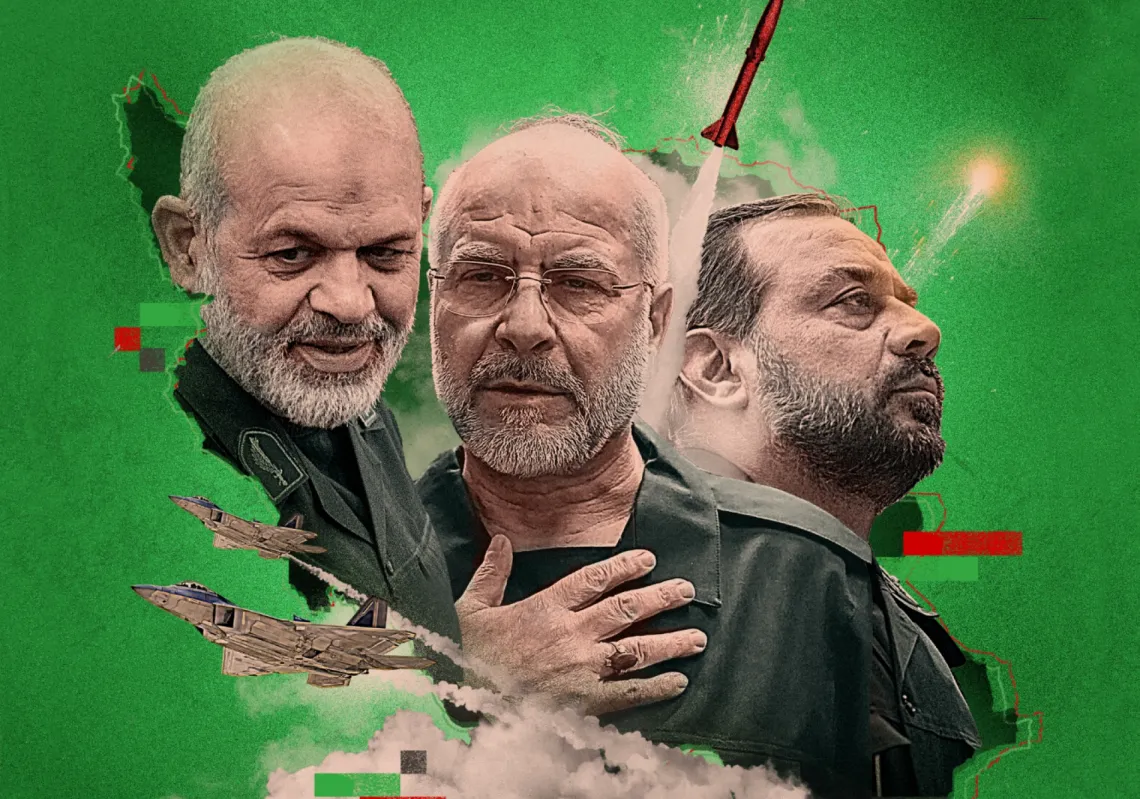
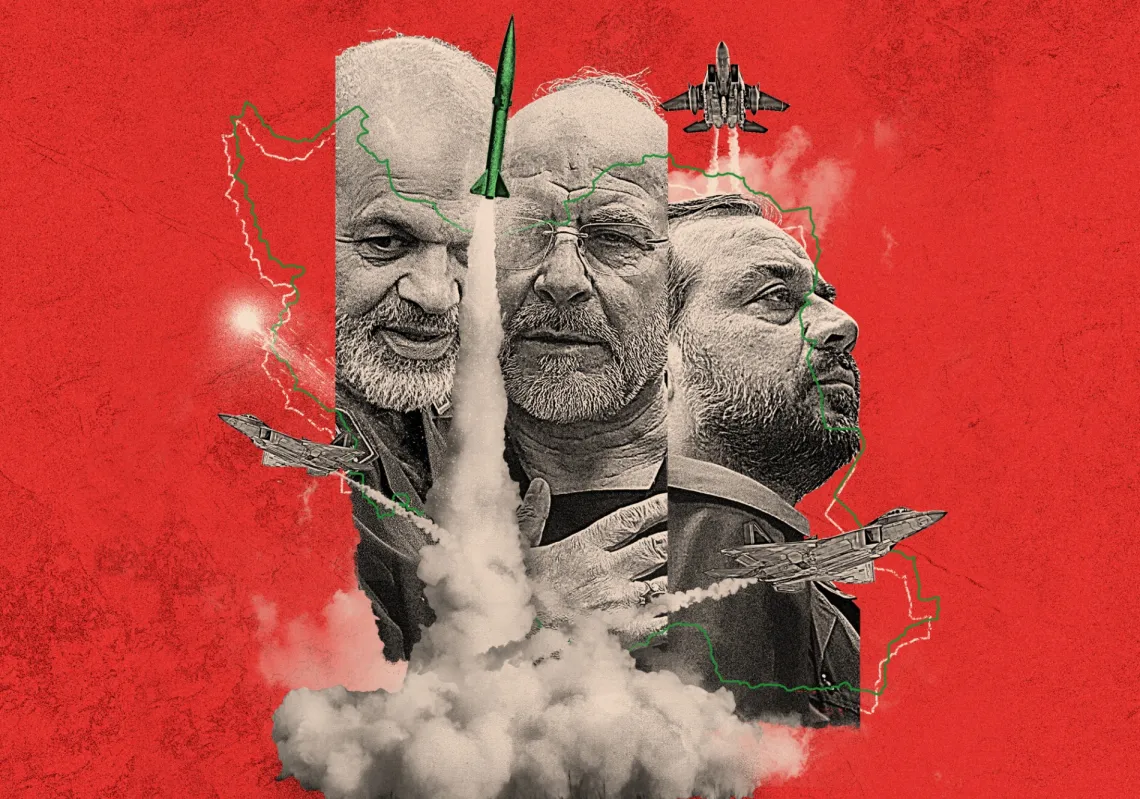
We explore how the composition and structure of the government have changed since the US assassinated Iran's Supreme Leader Ali Khamenei on 28 February
Security is the name of the game in Iran these days, and a small huddle of men steeped in the defence of the regime are now seen as central to decision-making in the absence of a visible cleric.
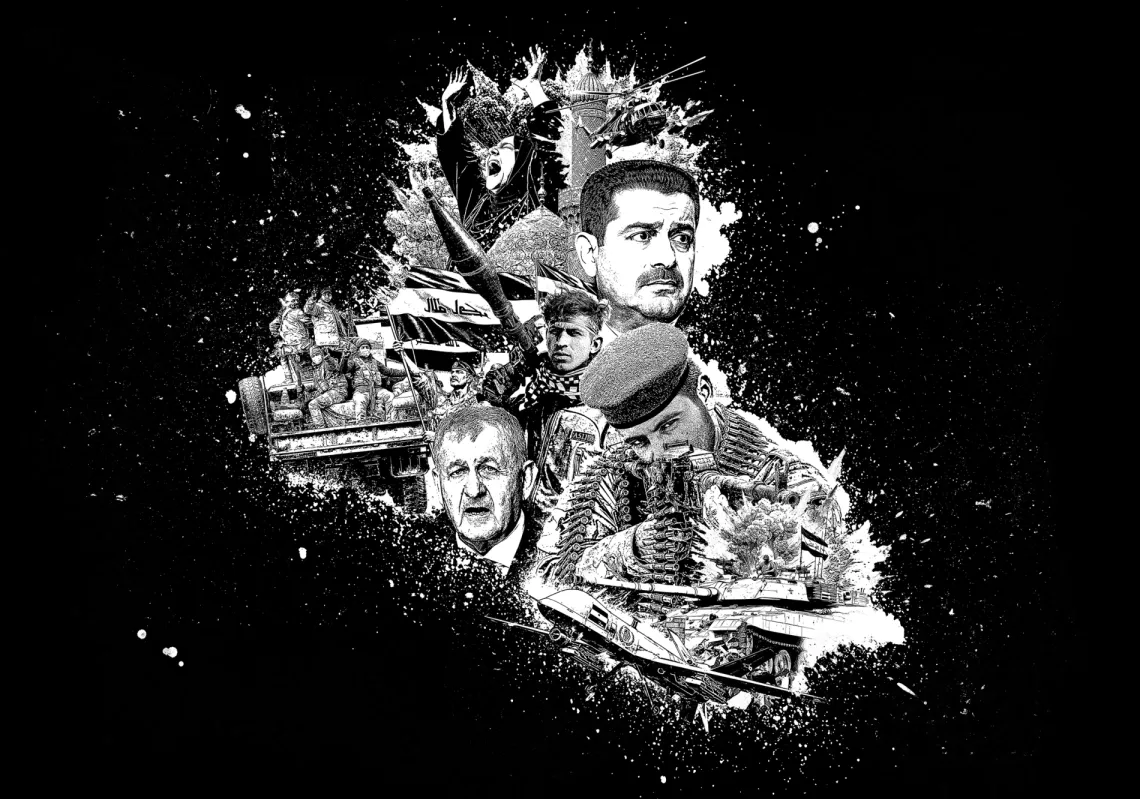
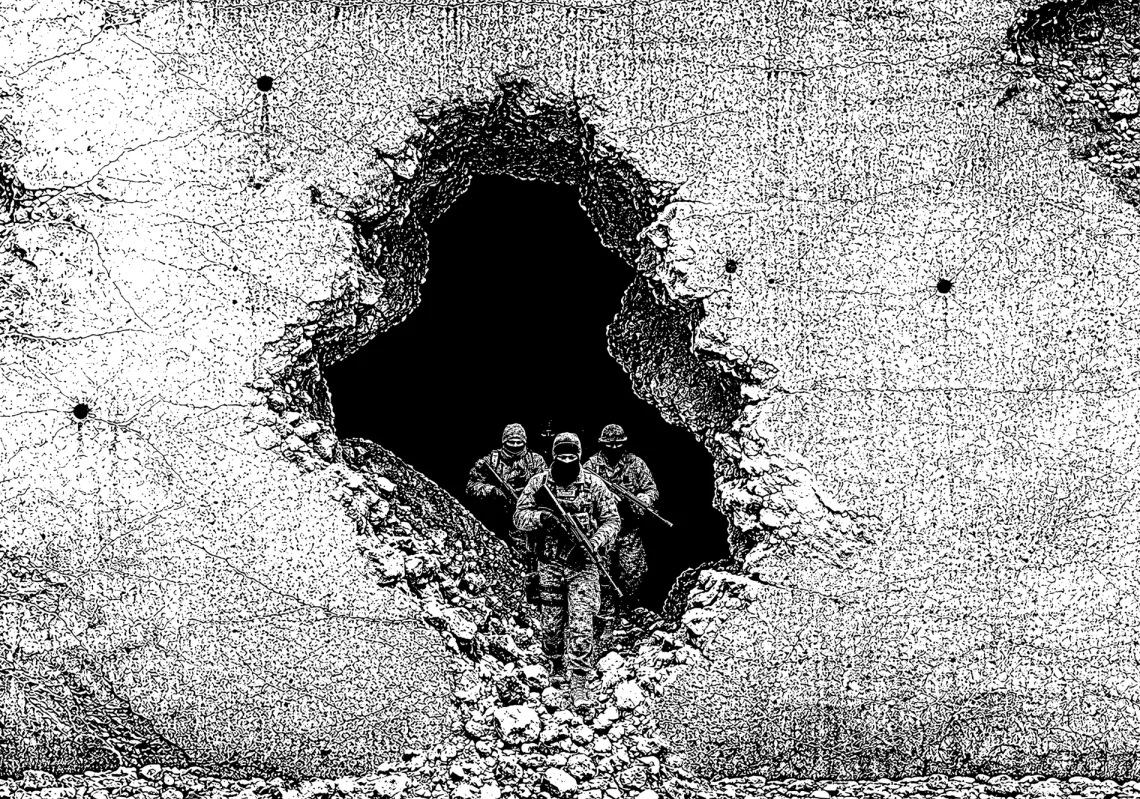
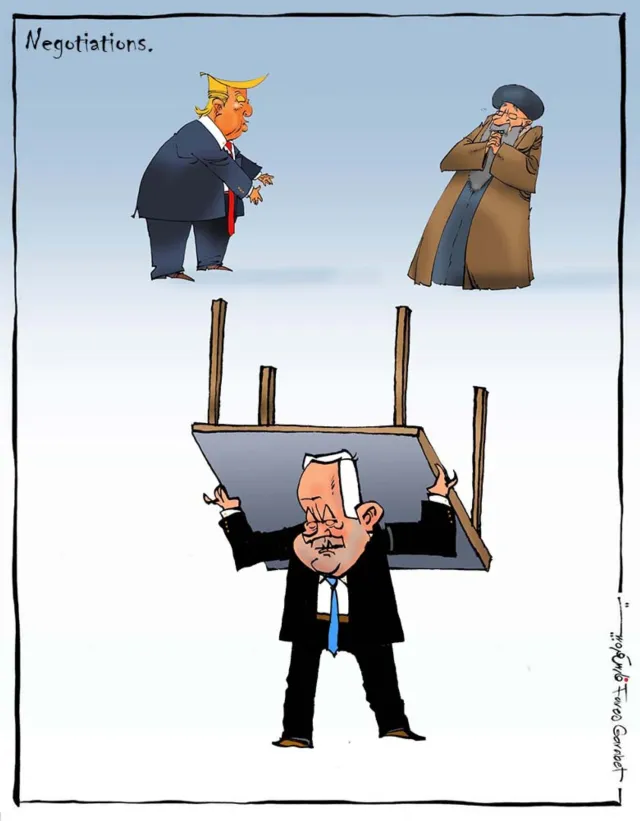
As the US-Iran war intensifies, it has drawn in non-state actors across the region. While Baghdad says it is not a party to the conflict, militias have stepped in on Tehran's side.
Powerful militias have usurped the state's authority by opening a war front to support Iran. At this critical juncture, Iraq needs statesmen willing to put the state first.
The US-Israeli war against Iran aims to draw in Gulf states, but history has shown that entering wars is far easier than exiting them. Prudence is needed now more than ever.
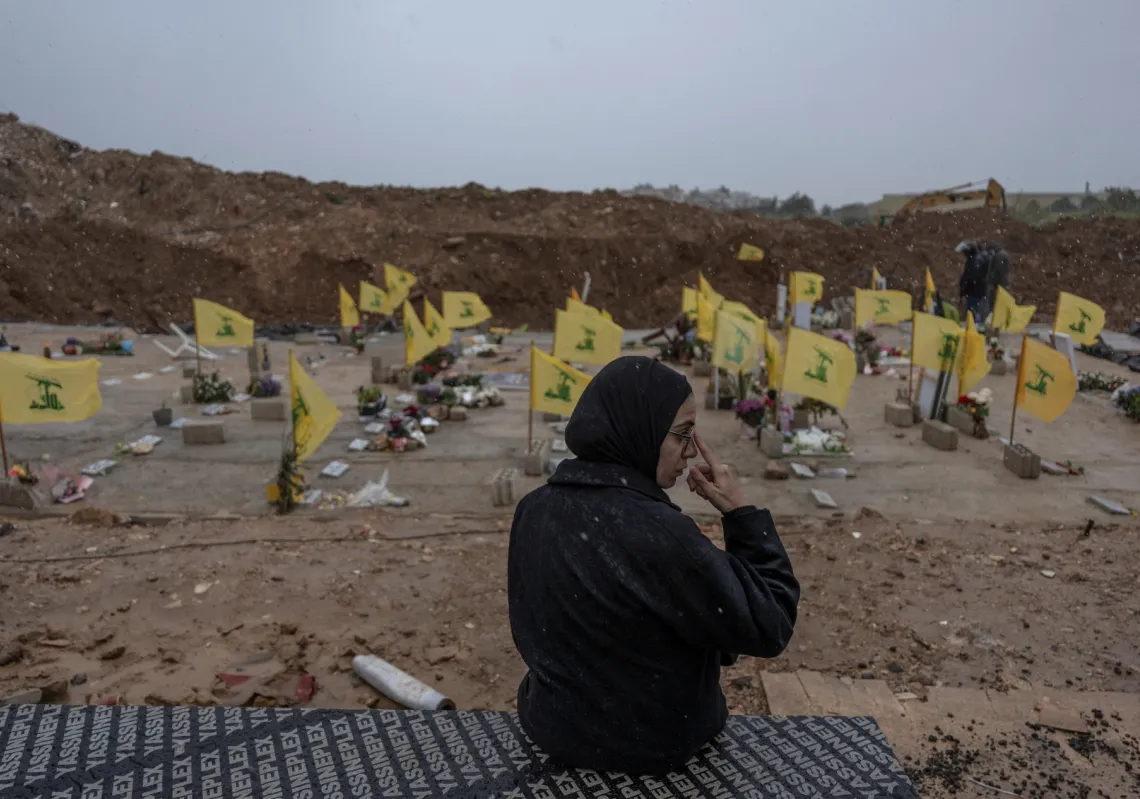
Tehran says any negotiated settlement to the US-Iran war must include its Hezbollah allies, but this could take a long time—a luxury Lebanon may not have.
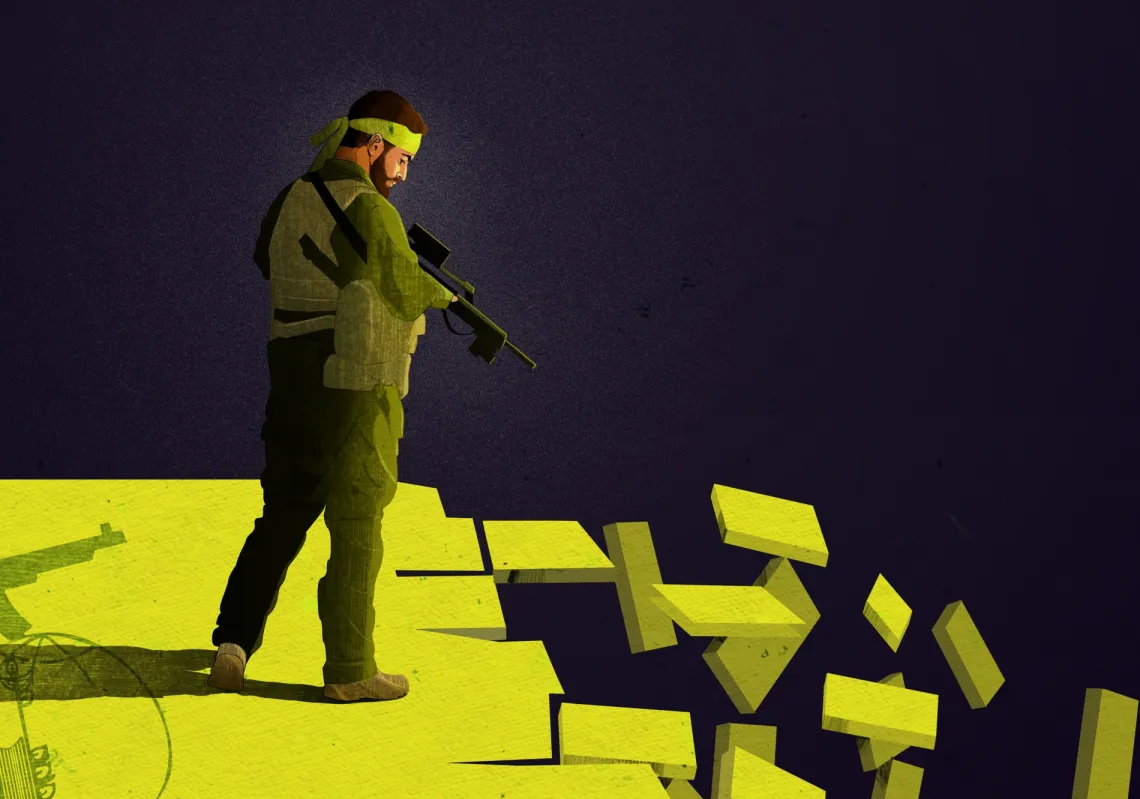
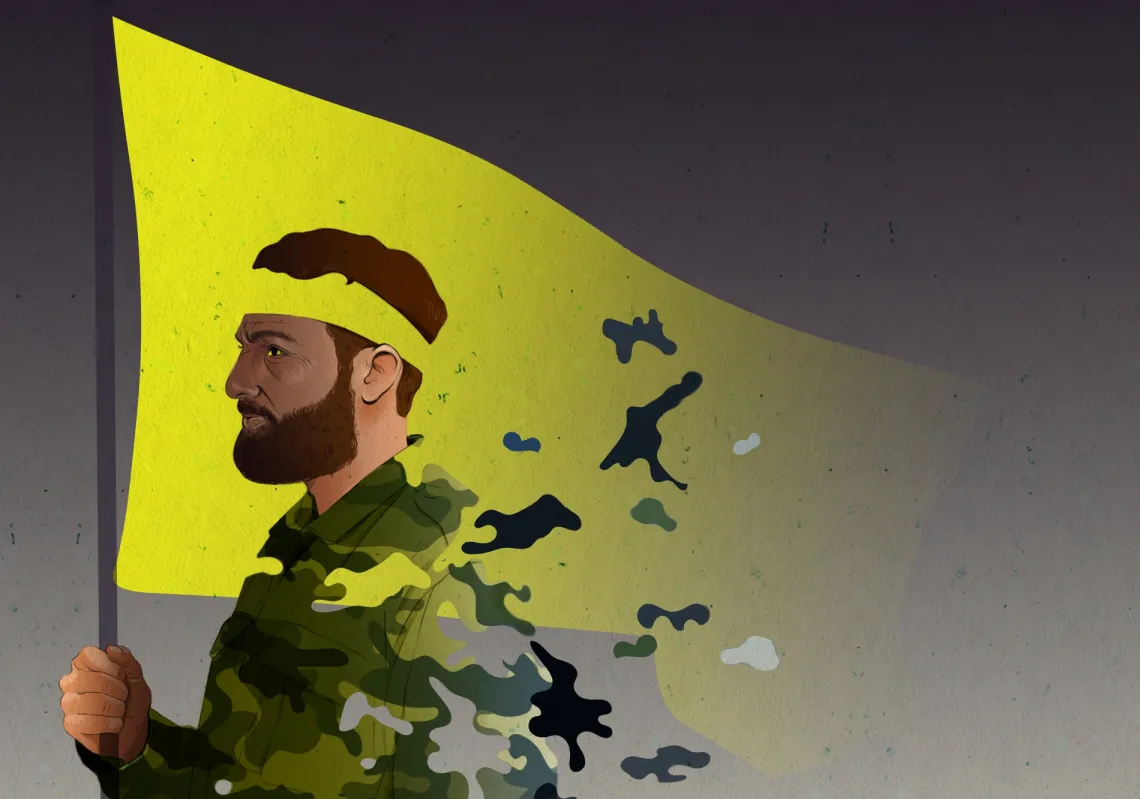
Amid mounting international, regional and domestic pressure, the group's fate hangs in the balance. A defeat of the Islamic Republic, therefore, could spell the end of Hezbollah.
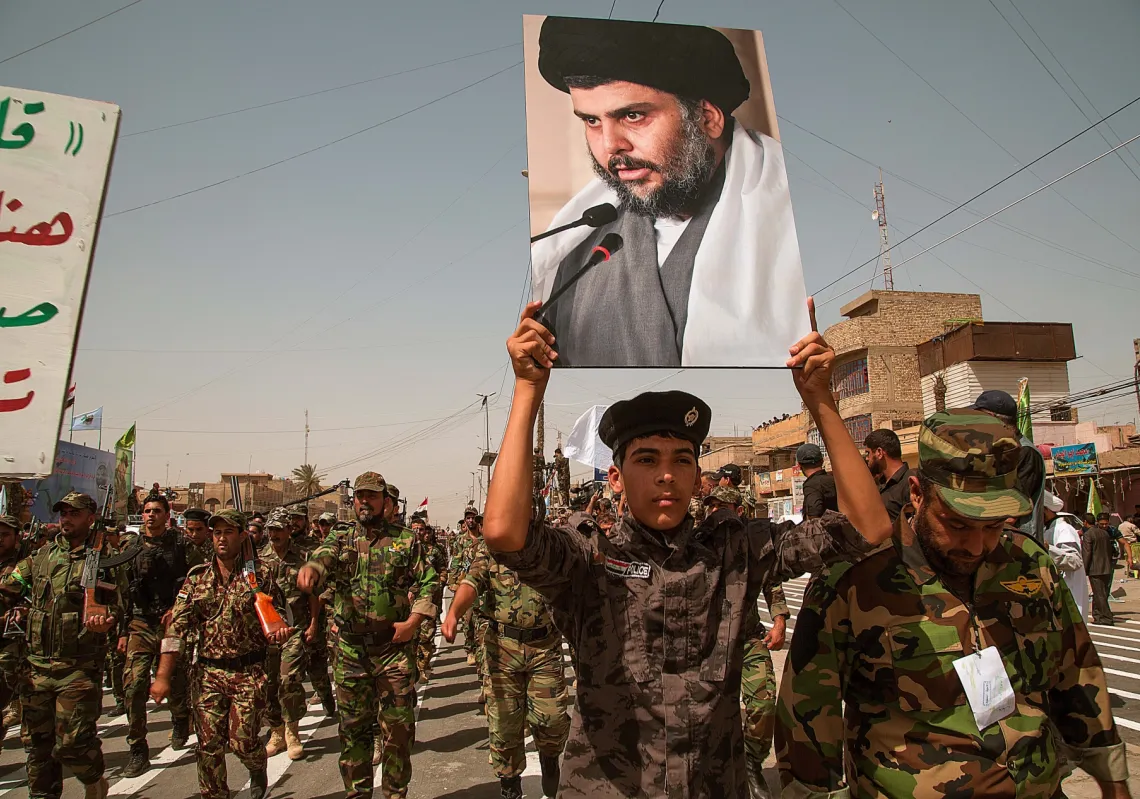
The decision to dismantle the Peace Brigades may herald a new stage in the Iraqi state's trajectory, or it could just be a shrewd recalibration to disorient friend and foe alike
An estimated 60% of all US banknotes in circulation are held outside the United States. In many parts of the world, the dollar is effectively the unofficial local currency. Al Majalla explains why.
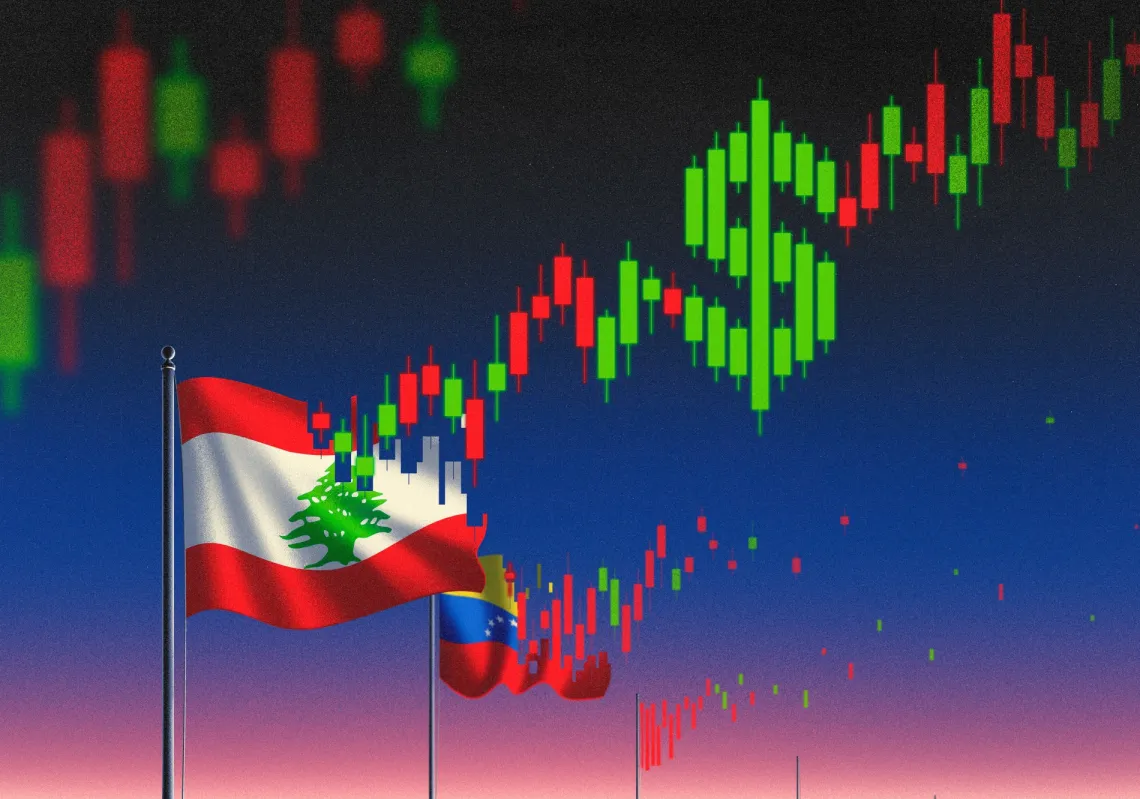
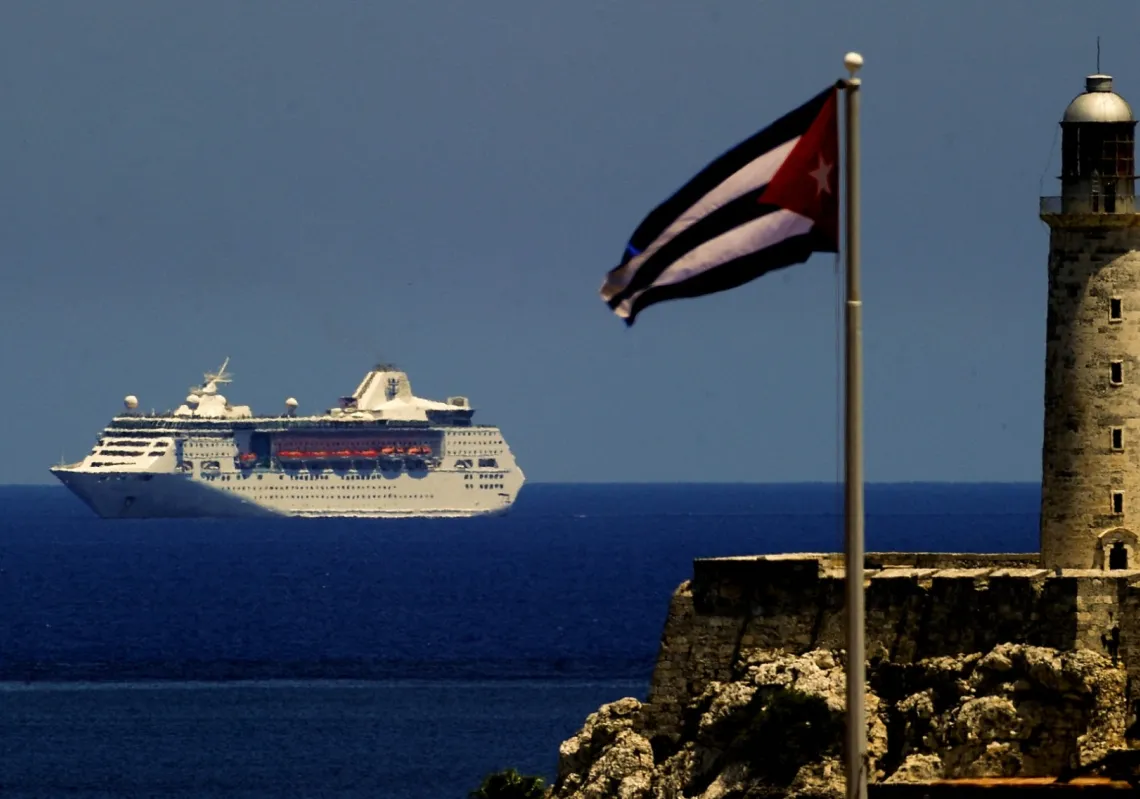
A new American legal ruling turns the screw on the Caribbean island nation by increasing the risks companies face by continuing to make money there. This is all part of the plan.