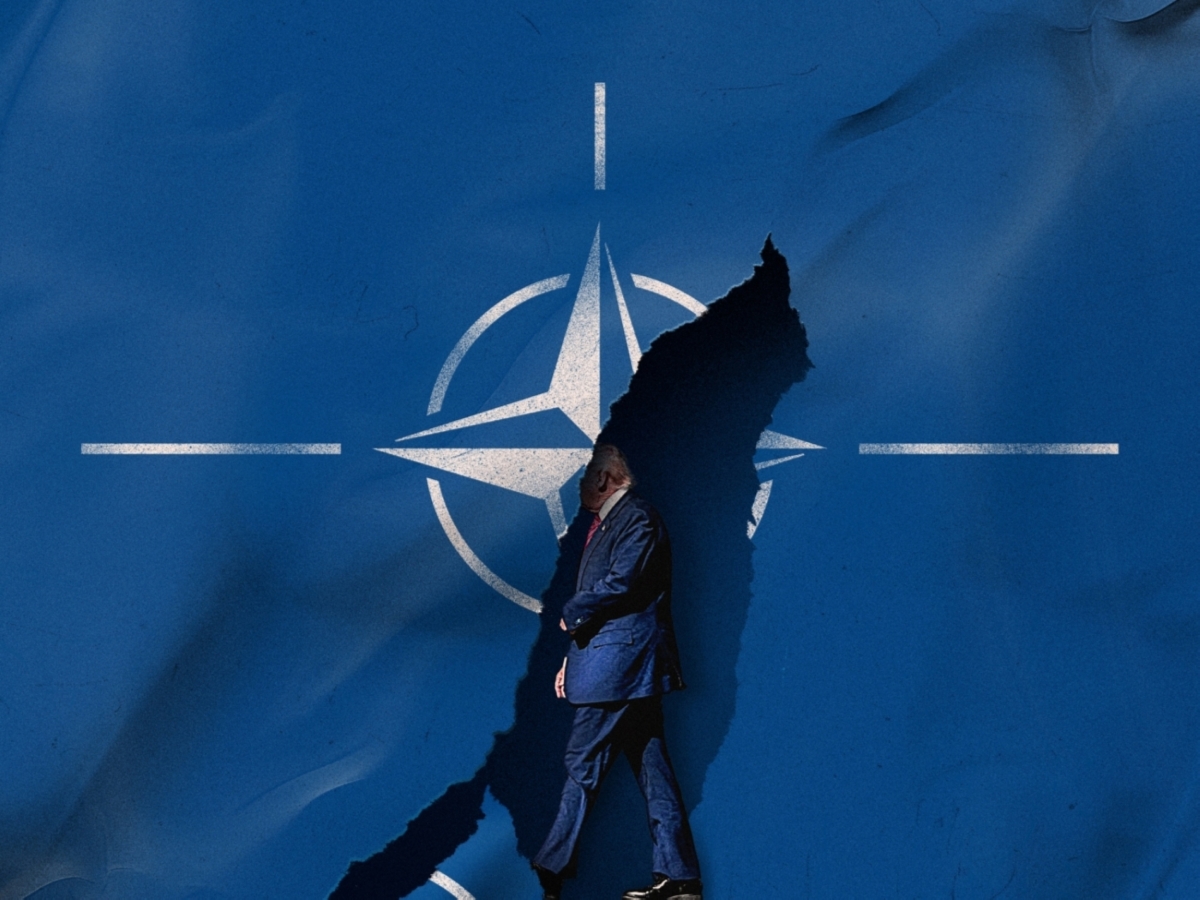

NATO allies said on Monday they would not get involved in US President Donald Trump's plan to blockade Iranian ports, proposing to intervene only once fighting ends, in a move likely to anger Trump and increase strains in the alliance.
"We're not supporting the blockade," British Prime Minister Keir Starmer told the BBC.
"My decision has been very clear, that whatever the pressure, and there's been some considerable pressure, we're not getting dragged into the war," he said.
Meanwhile, France will organise a conference with Britain and other countries to create a multinational mission to restore navigation in the strait, French President Emmanuel Macron said on X on Monday.
"This strictly defensive mission, distinct from the belligerents, will be deployed as soon as the situation allows," Macron said.
No effort must be spared to swiftly reach, through diplomatic means, a strong and lasting settlement to the conflict in the Middle East.
Such a settlement must provide the region with a robust framework enabling all to live in peace and security....
— Emmanuel Macron (@EmmanuelMacron) April 13, 2026
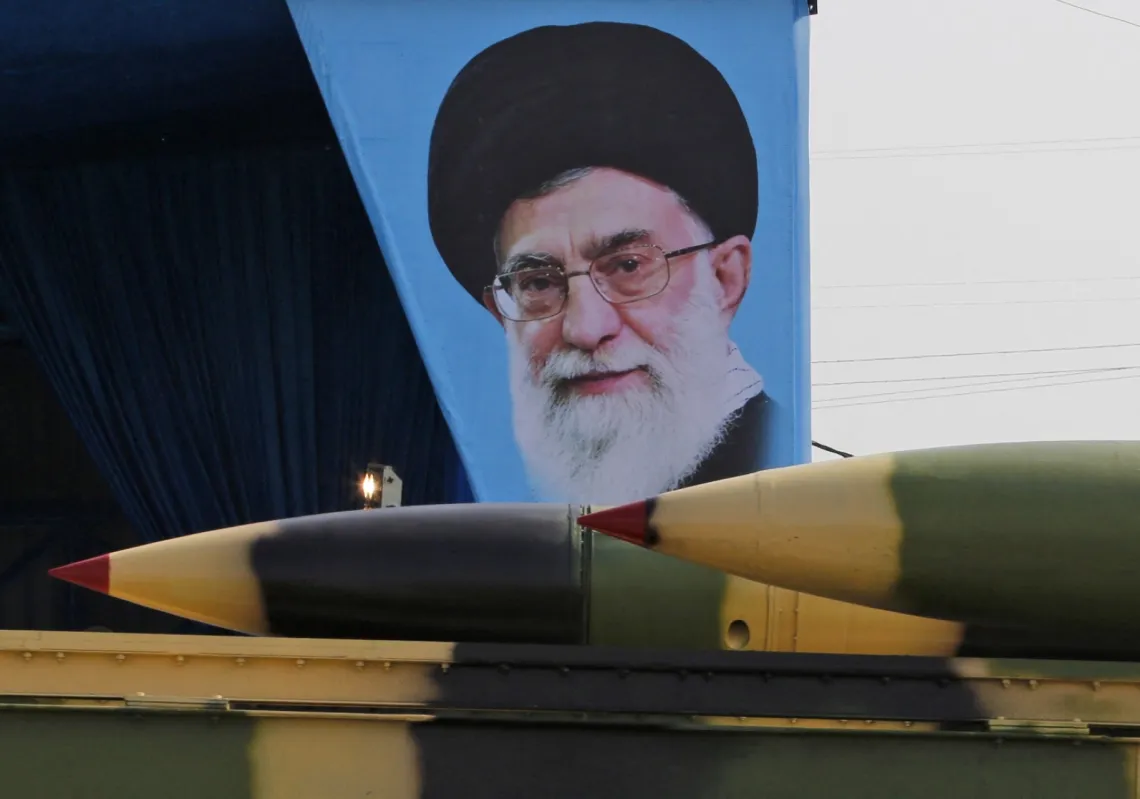
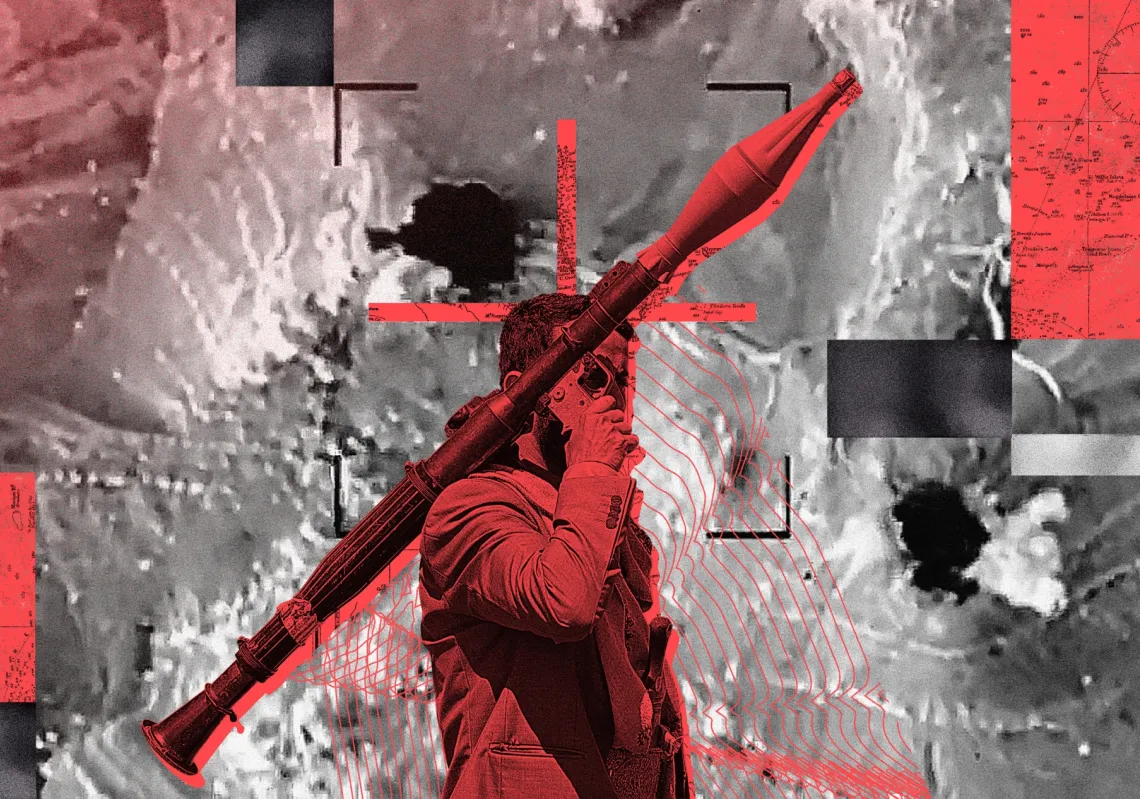
For his part, Trump claims to have inflicted the greatest ever defeat upon the Islamic Republic of Iran, with the US-Israeli war that began on 28 February in a tenuous pause at the time of writing. Despite the extensive damage caused to Iran’s military and civilian infrastructure by the heavy American and Israeli bombing, which will take years to rebuild, things did not go according to plan for Trump. Not only did Iran not surrender, but it fought back fiercely.
America took hits. On 3 April, an F-15 fighter jet was shot down over Iran. Both crewmen were ultimately rescued, but two helicopters involved in the recovery mission were struck by Iranian fire, as were two A-10 Thunderbolt aircraft, both of which were lost. On the same day, a Chinook helicopter was destroyed on the ground in Kuwait. On 5 April, two C-130 Hercules four-engine turboprop military transport aircraft were destroyed in Iran. These aircraft had been involved in the search for the missing airmen.
Three other F-15s were lost to ‘friendly fire’ in Kuwait early in the war. Likewise, on 12 March, a KC-135 refuelling tanker crashed, while another had to make an emergency landing. A day later, five more were damaged at a US base in Saudi Arabia. On 19 March, an advanced F-35 fighter was hit by Iranian ground fire and had to make an emergency landing for the first time. The pilot was treated for injuries.
On 23 March, a US Black Hawk helicopter was hit by a drone at Baghdad Airport. On 27 March, an Iranian attack on a US airbase in Saudi Arabia left several American aircraft damaged and 29 personnel injured. One of the aircraft blown up was an E-3 Sentry, used for early warning, surveillance, command and control, and communications. To date, the United States’ equipment losses—including more than a dozen unmanned aerial vehicles—have been estimated at around $1bn.
Hitting out
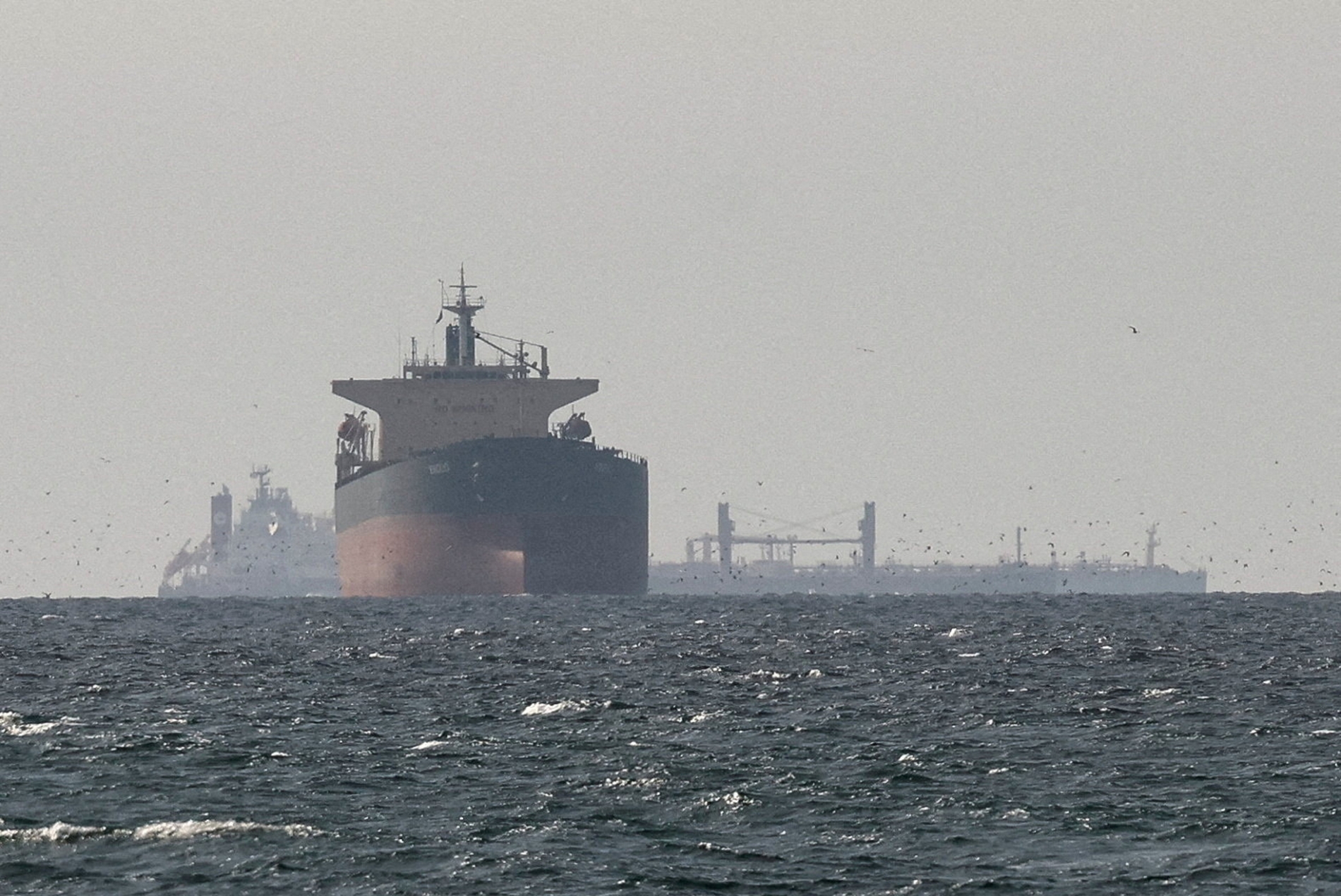
Economically, the costs have been far higher, with shipments through the Strait of Hormuz halted except for authorised vessels. In a sign of frustration, Trump fired several generals last week, including the Army’s Chief of Staff, Gen. Randy George, alongside Gen. David Hodne, who led the Army’s training command, and Maj. Gen. William Green Jr, who led the Army Chaplaincy.
Diplomatically, Trump has been at war with allies, notably the North Atlantic Treaty Organisation (NATO), which has formed the backbone of defence across the Western world for 80 years. When NATO allies appeared reluctant to help him reopen the Strait of Hormuz after he waged war on Iran without consulting them, he threatened to leave the alliance. Some analysts say this has drastically undermined trust in NATO’s Article 5, which says an attack on one member is an attack on all, committing the whole alliance to assist.
Secretary of State Marco Rubio questions NATO’s value, warning the alliance becomes a “one-way street” if the U.S. can’t use European bases to defend its own interests:
“Sean, I’ve been one of the strongest defenders of NATO during my time as a United States senator, because I... pic.twitter.com/G3XgHjJfI9
— Sean Hannity(@seanhannity) April 1, 2026
US Secretary of State Marco Rubio expressed his disappointment that NATO allies had not granted the US access to their airspace and military bases during the conflict, adding that this warranted a fresh look at the alliance once the war against Iran was over. “NATO cannot be based solely on a mission to defend Europe,” he said.
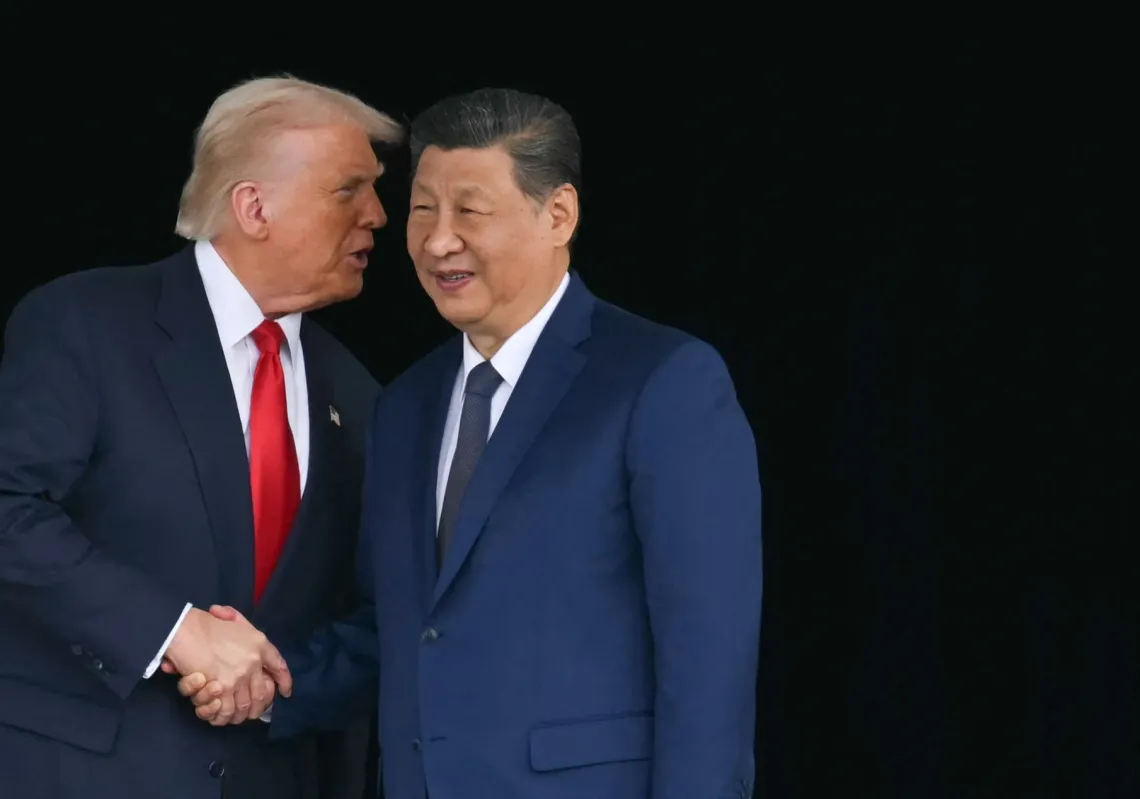
Trump described the alliance as a “paper tiger” and publicly mocked both French President Emmanuel Macron and British Prime Minister Sir Keir Starmer. For his part, Spanish Prime Minister Pedro Sanchez openly opposed the US-Israeli war, calling it illegal, closed Spanish airspace to the US Air Force and refused permission for the US to use its military bases of Morón and Rota for attacks on Iran. In response, Trump threatened to end all trade with Spain.