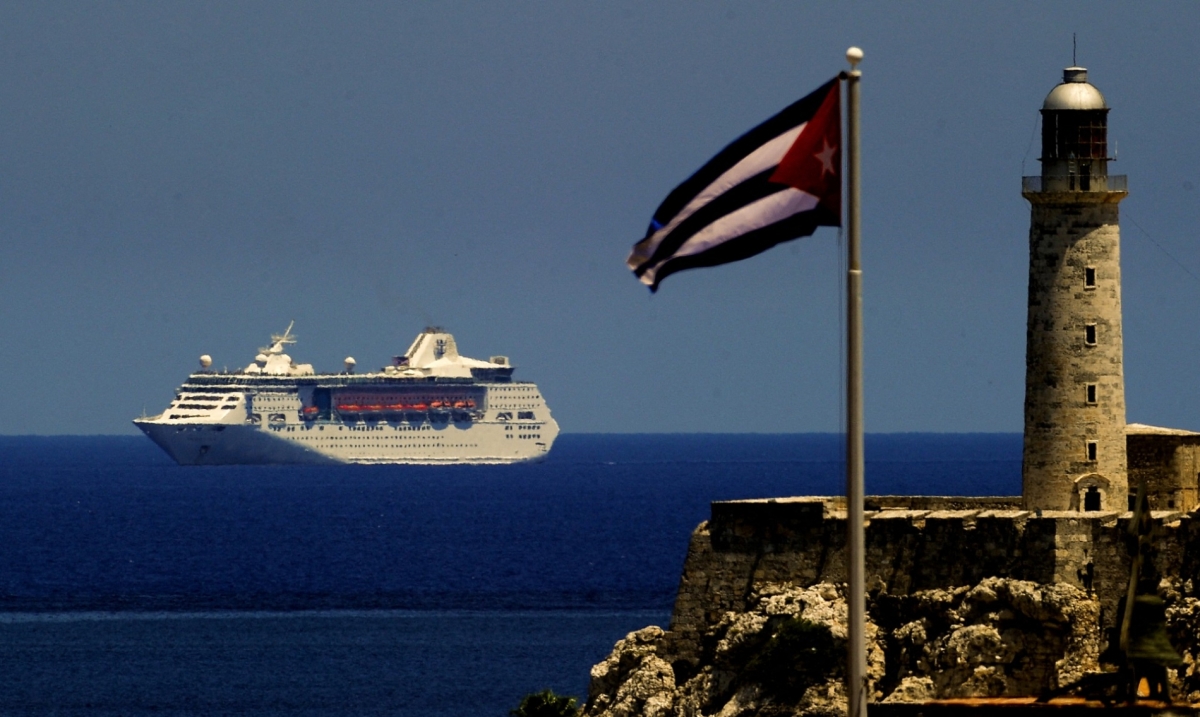

A US Supreme Court ruling last week revives multi-million-dollar Cuba compensation claims against cruise giants, reopening one of the oldest wounds in relations between Washington and Havana.
The ruling concerned Havana Docks Corporation v Royal Caribbean Cruises, which, on its surface, relates to cruise ships, dock facilities, and a property concession granted before the Cuban Revolution. Its political significance, however, is larger than the litigation itself, as a case over the Port of Havana has become part of the struggle over confiscated property, sanctions, and US efforts to shape Cuba’s future.
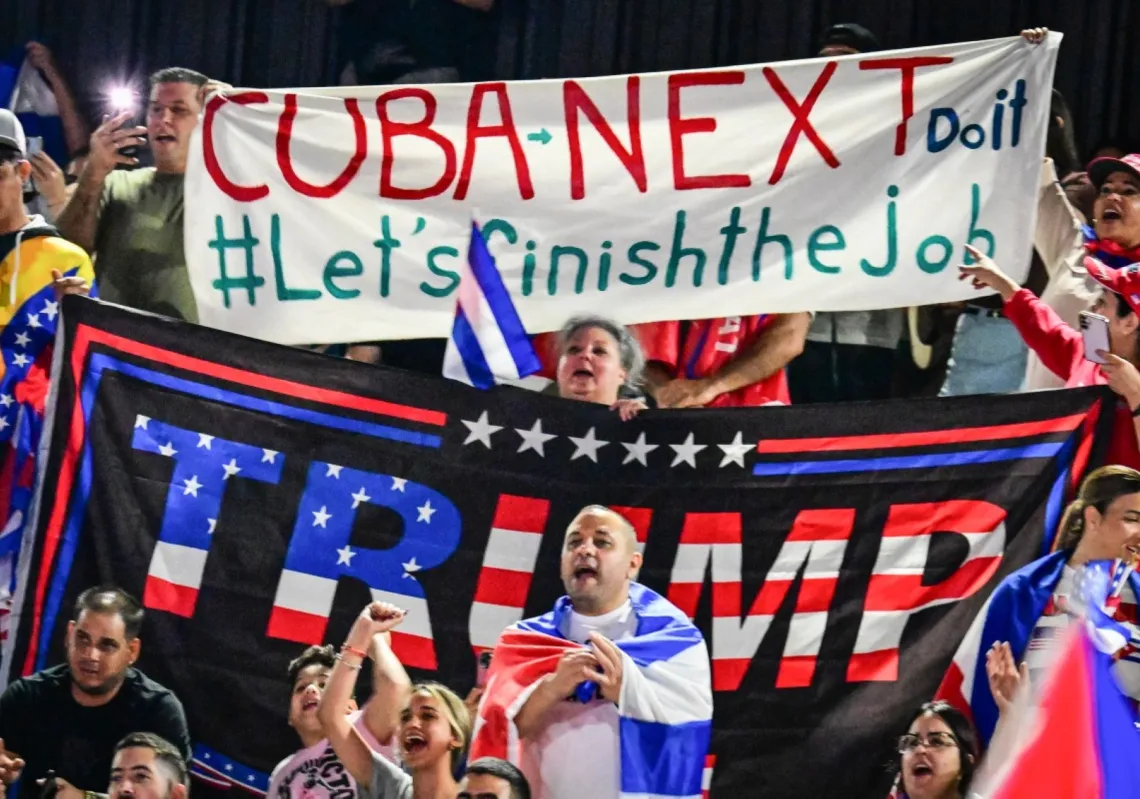
The ruling does not mean that companies can now sue the Cuban government directly for revolutionary-era expropriations. Rather, its importance lies elsewhere. By accepting a broader reading of ‘confiscated property’ under Title III of the Helms-Burton Act, the Court has increased the risks faced by companies using assets seized after 1959, giving Trump’s Cuba policy a sharper judicial edge as his administration tightens sanctions, oil restrictions, and punitive measures.
In this way, the latest Havana Docks ruling turns an old property claim into a contemporary instrument of coercion, reflecting a policy architecture in which sanctions act as both economic tools and political statements about sovereignty, legitimacy, and the state Washington believes should exist in Cuba.
Havana Docks Corporation acquired a concession in 1928 to develop and operate docks at the Port of Havana. After Fidel Castro came to power on the island in 1959, the new Cuban government seized properties linked to American nationals, including the docks, which had been built by the company. Havana Docks later obtained a certified claim through the Foreign Claims Settlement Commission (FCSC), although it had lacked a route to compensation for decades.
Enter Helms-Burton
That changed in 1996, when Congress passed the Cuban Liberty and Democratic Solidarity Act, better known as Helms-Burton. Title III created a private right of action for US nationals whose property had been confiscated by the Cuban government, making those who trafficked in such property potentially liable in US courts. Because of the diplomatic risk, successive presidents kept Title III suspended, but Trump allowed that suspension to lapse during his first term, in May 2019.
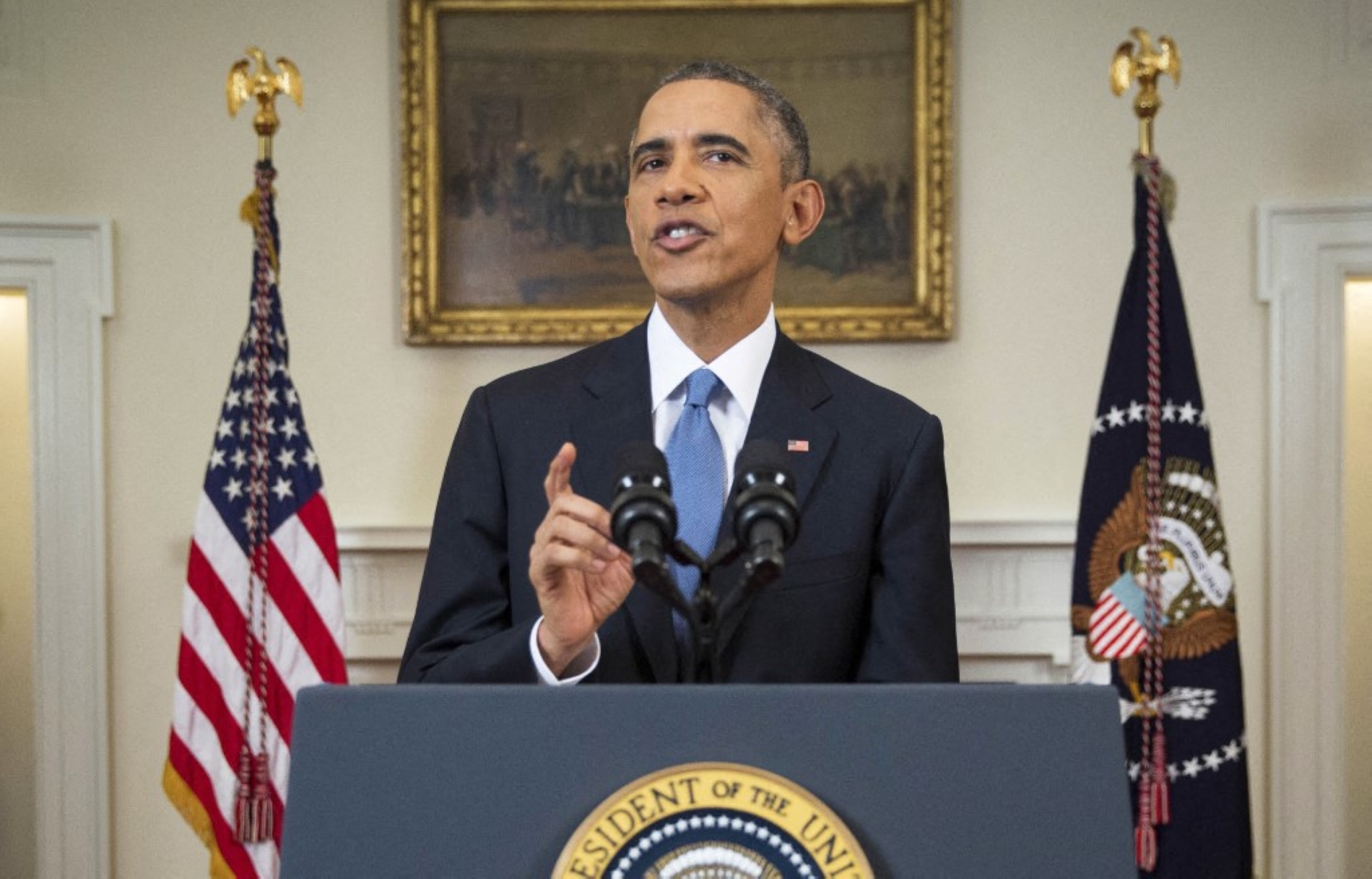
Havana Docks then sued four cruise lines that had carried passengers to Cuba between 2016 and 2019, during the period shaped by former US President Barack Obama’s rapprochement. The cruise lines argued that the company’s concession would have expired in 2004 even without confiscation, so their later use of the facilities did not interfere with any continuing property interest. The Court rejected that view, holding that the relevant property could be the physical docks themselves, not only the time-limited concession. Assets taken after 1959 may now carry litigation risk even where the original interest would otherwise have expired.