
Today (23 April), the US hosts the second round of talks between the Lebanese and Israeli ambassadors to Washington. The first meeting of these diplomats on 14 April was significant, not because it was the first direct legal contact between senior officials of these states since 1993, or because the talks were particularly substantive. What made this meeting important—indeed unprecedented—was that it took place despite vocal opposition and violent threats of both Iran and Hezbollah. Time will tell whether this incident was an aberration or the beginning of a new path for the country.
Since the January 2025 election of President Joseph Aoun and the installation of Prime Minister Nawaf Salam’s government the following month, Beirut has made numerous statements and decisions. During his inaugural speech, Aoun pledged a state monopoly on weapons; in August, the government tasked the Lebanese Armed Forces to submit a plan for disarming Hezbollah throughout the country, beginning in the south Litani sector, and; following Hezbollah’s missile attack on Israel early last month, the government banned Hezbollah's military activities, declared the Iranian ambassador persona non grata, and ordered the arrest and deportation of Iran’s Islamic Revolutionary Guard Corps personnel from Lebanon.
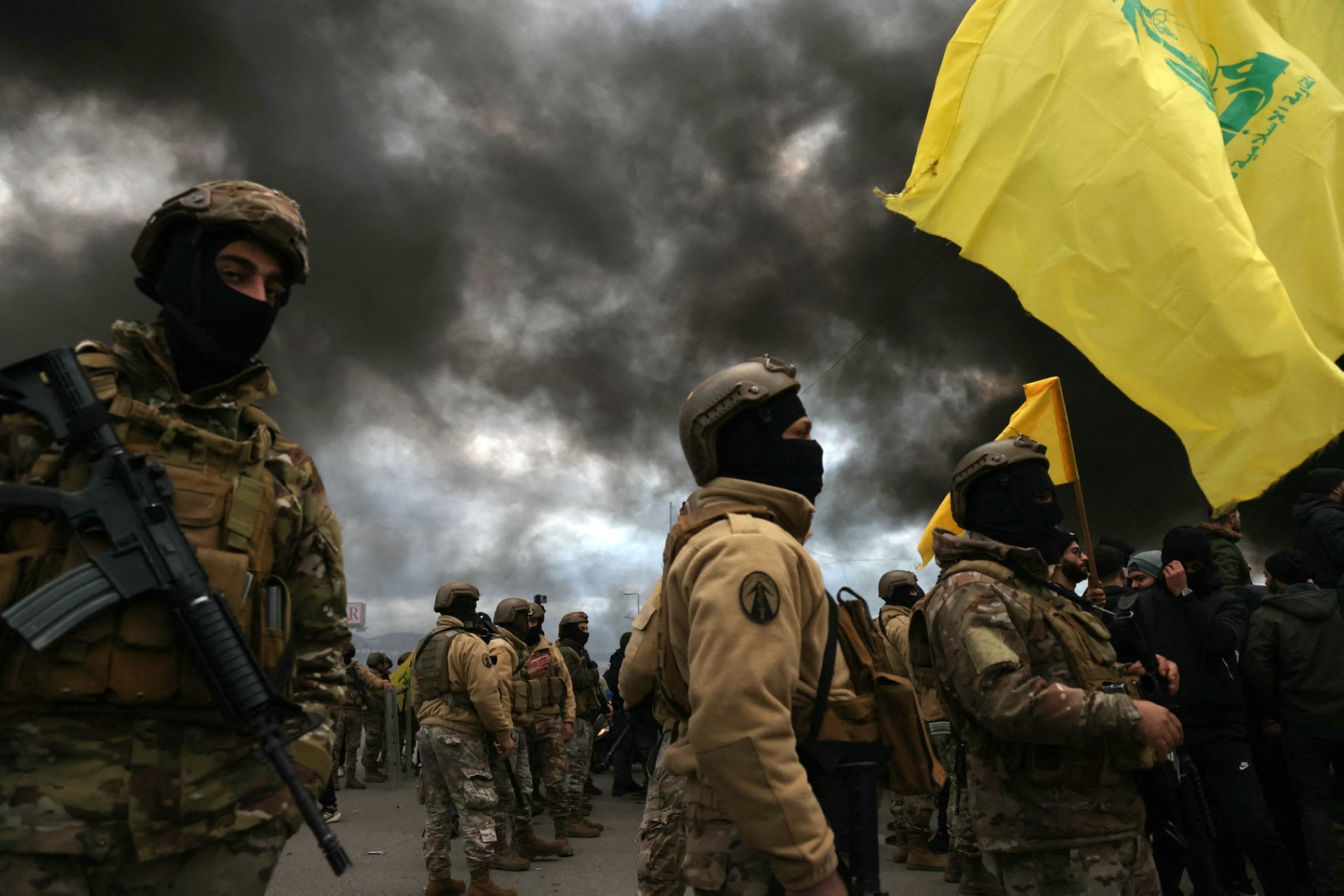
These decisions were a stark departure from previous administrations. As such, they were met by a series of threats by Hezbollah and other local and regional opponents. Despite these declarations, the LAF's effort to collect the Iran-backed militia’s weapons in South Lebanon was only partially implemented, while the rest weren't carried out at all. Most prominently, the Iranian ambassador to Beirut refused to depart the country and continues to reside in the official residence, reportedly with some of Hezbollah’s remaining top leaders.
The threats against the government are considerable and come from many quarters. Hezbollah is particularly concerned that Aoun might meet with Israeli Prime Minister Benjamin Netanyahu, something President Trump floated on social media on 16 April. In response, Hezbollah and its supporters are accusing Aoun and Salam of “treason,” and warning of severe consequences. For his part, Mahmoud Qomati, deputy head of the group’s political council, threatened that a “popular tsunami” would topple the government. Meanwhile, both Iran and Hezbollah are invoking the name of Lebanese leader Rafik Hariri in their own ominous messaging to Beirut, assassinated by Hezbollah in a 2005 car bombing.
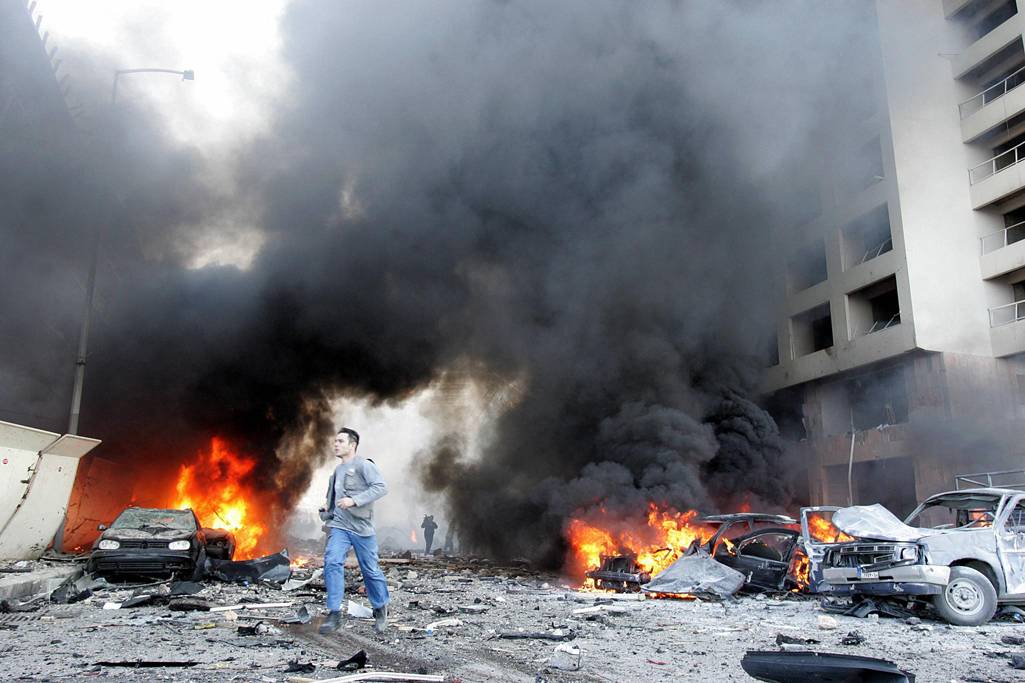
Beirut takes these threats seriously. In mid-April—just weeks after reports started circulating of an attempted Hezbollah coup against the Salam Government—the LAF was ordered to deploy in Beirut, to defend against Hezbollah and protect the Government Serail.
Hezbollah and Iran didn’t approve of the direct talks with Israel, yet Beirut had few options. After Hezbollah joined the war to help Iran on 28 February, conditions dramatically deteriorated in Lebanon. When the first ceasefire was reached in November 2024, Israel occupied five strategic hilltop points along the frontier. But after Hezbollah broke the truce, Israel displaced almost a million mostly Shiites to the north of the Litani. The resulting humanitarian crisis and the end of most economic activity in the state due to the resumption of Israeli bombing—especially in Beirut—pushed the government to do anything necessary to secure a ceasefire.
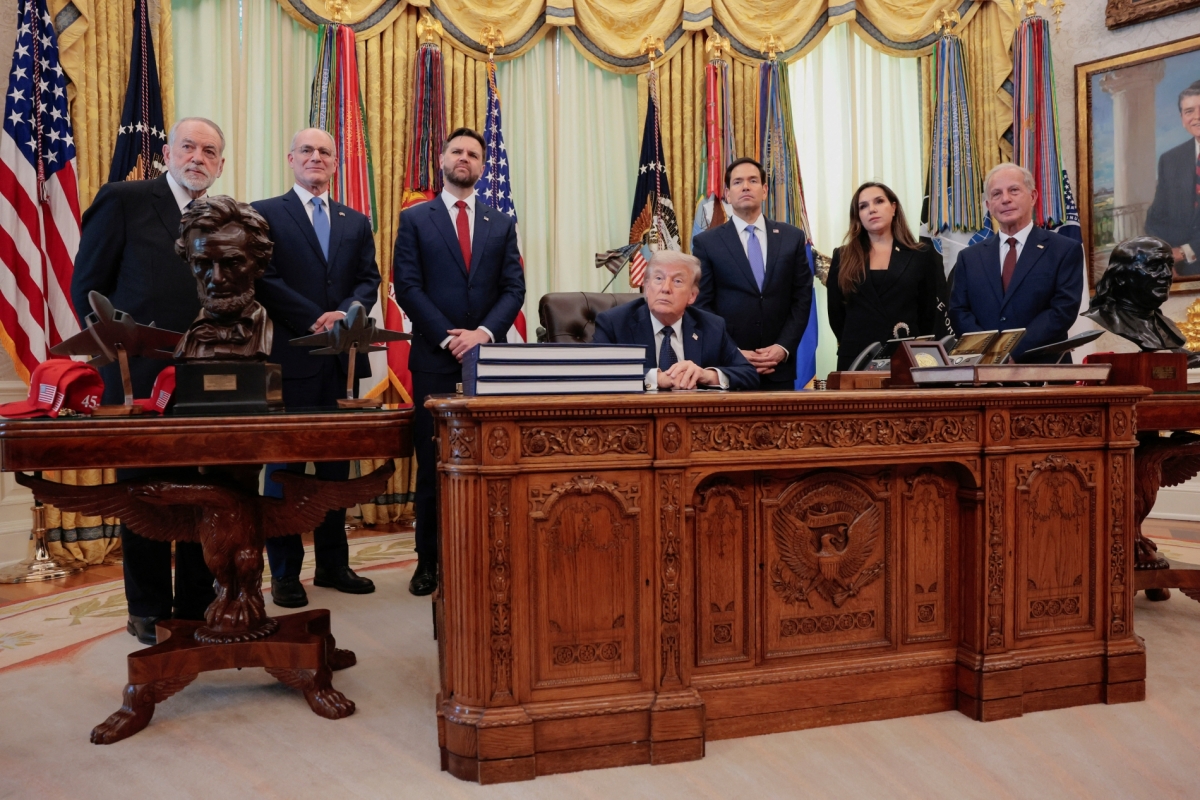
Lebanon came to Washington hoping the Trump administration would broker a ceasefire. Days after the State Department meeting, he announced a ten-day cessation of hostilities via a social media post. “Israel will not be bombing Lebanon any longer. They are PROHIBITED from doing so by the U.S.A.,” he said, “Enough is enough.”
Whether Washington forced the ceasefire because it was part of Iran’s demands to reopen the Strait of Hormuz or because it wanted to encourage promising direct contacts between Lebanon and Israel is unclear. But the important thing is that Lebanon got the respite it required. No doubt Israel is less pleased with the constraints, but it has carried out sporadic attacks since then.
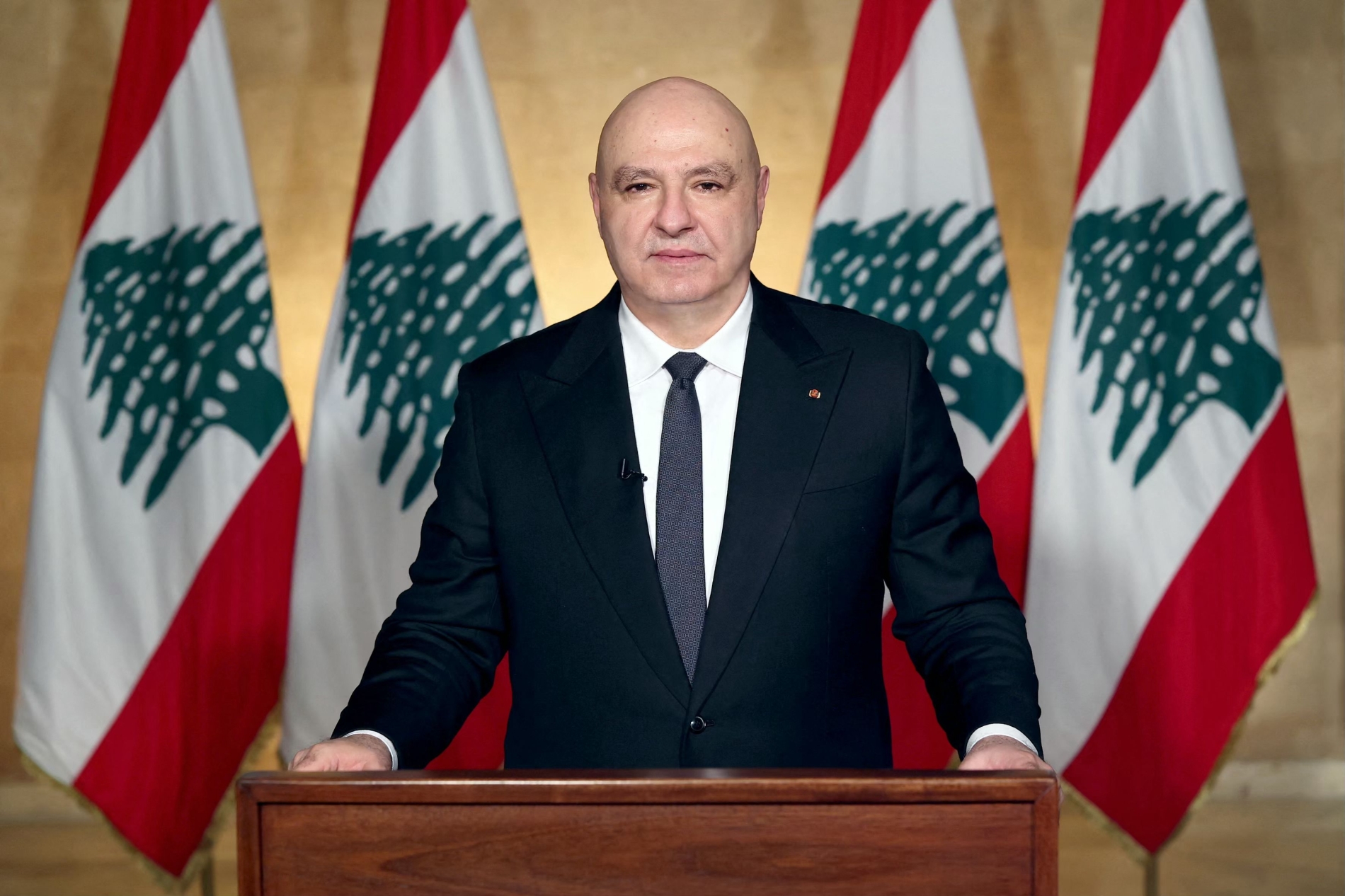
Defiant address
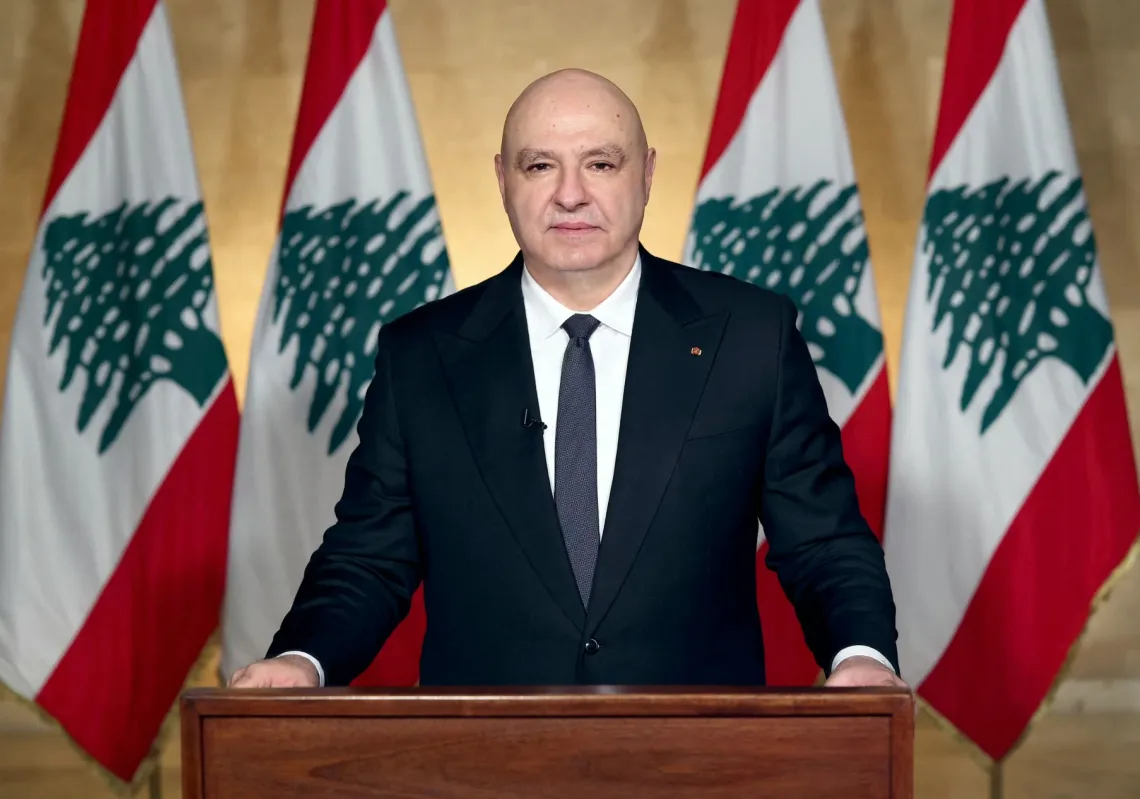
The same day the halt to fighting was announced, President Aoun addressed the Lebanese public, saying, “We know that we will be the target of attacks for one simple reason: we have restored to Lebanon its independence and its decision-making for the first time in nearly half a century. We now negotiate in our own name; we decide in our own name. We are no longer a card in anyone’s pocket, nor a battlefield for others’ wars. And we never will be again.”
Aoun didn’t mention Hezbollah or Iran by name in his speech, but it was clear who he was referencing. For its part, Hezbollah’s response to the address was predictably defiant. "The resistance is the one that imposes...and we are the ones who draw up the decisions,” Mahmoud Qomati said.
As Lebanon's government moves forward with Israel talks, it faces significant challenges. Most obvious is the very real threat of Hezbollah violence. Since Hariri's assassination in 2005, the group has murdered nearly two dozen politicians, journalists, and other local critics. Another problem is state capture. Hezbollah and its allies are embedded throughout the bureaucracy and occupy key political, economic, and national security roles.