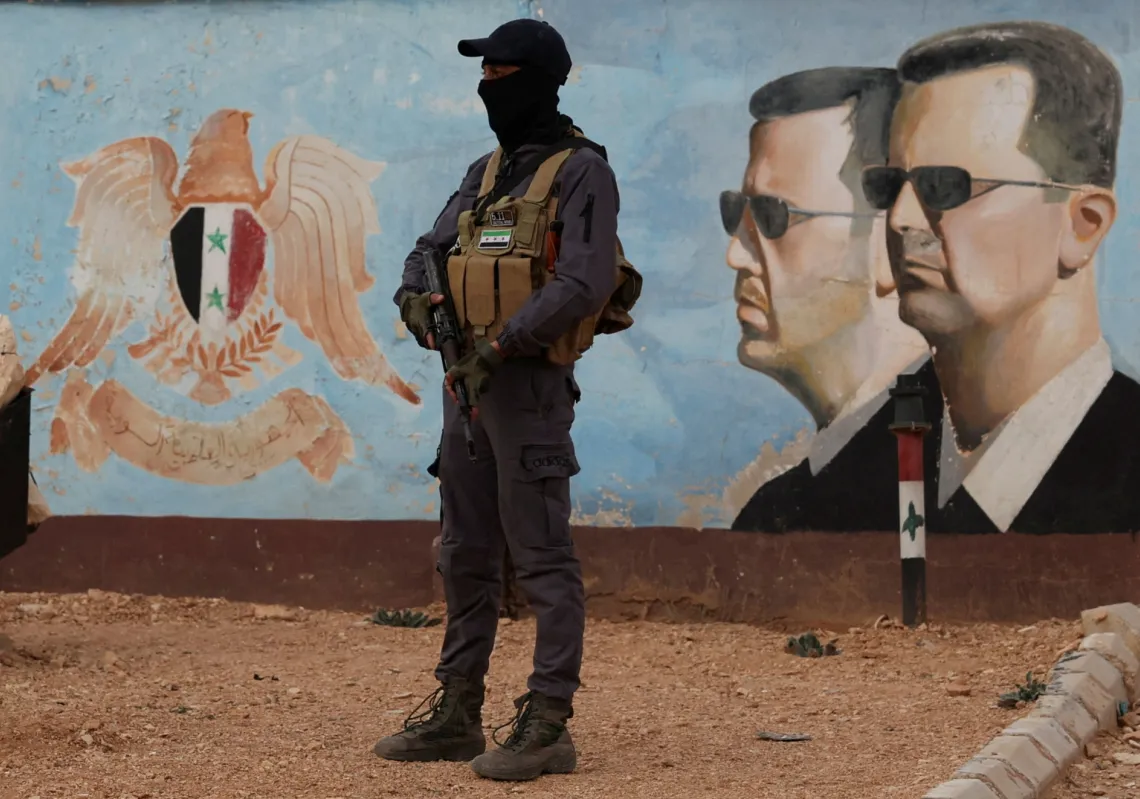
The Assads bound Syria to regional power plays far beyond its means. As the country embarks on a new path, hollow rhetoric must be replaced with a vision grounded in freedom, equality, and sovereignty
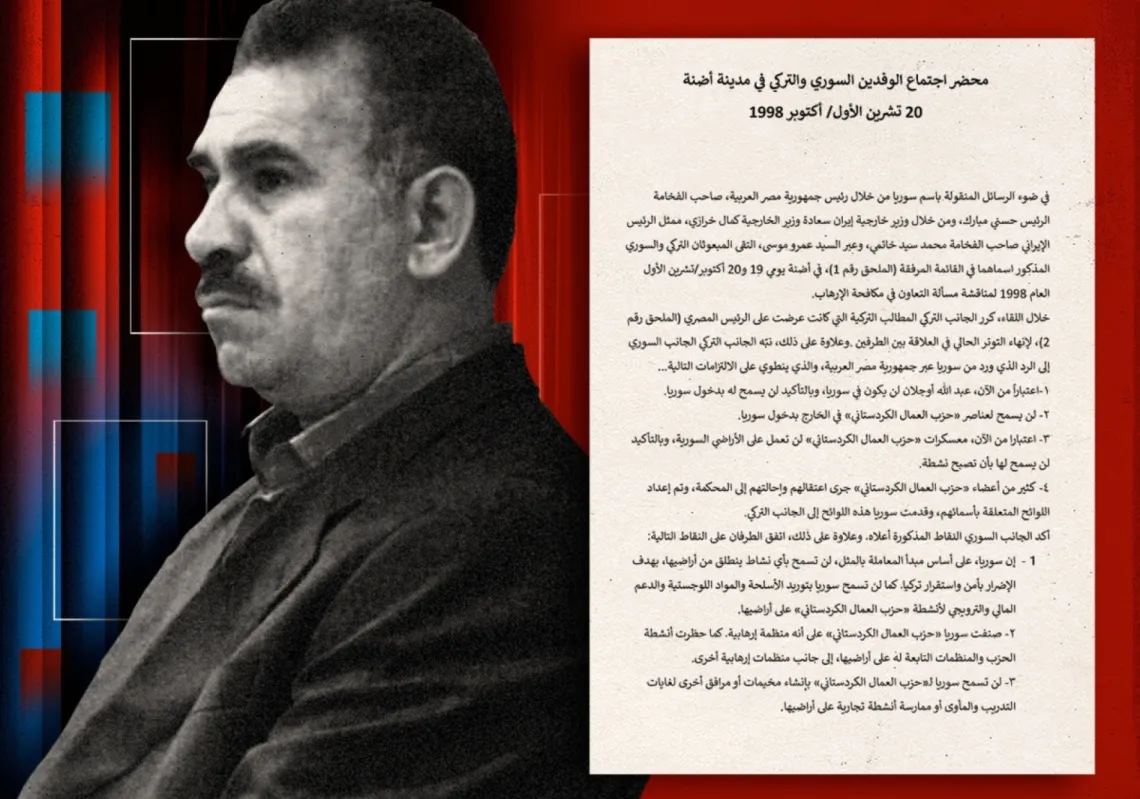
The Adana Agreement defused a crisis in 1998 on the brink of a military confrontation. As revision talks are underway, Al Majalla reexamines the agreement.

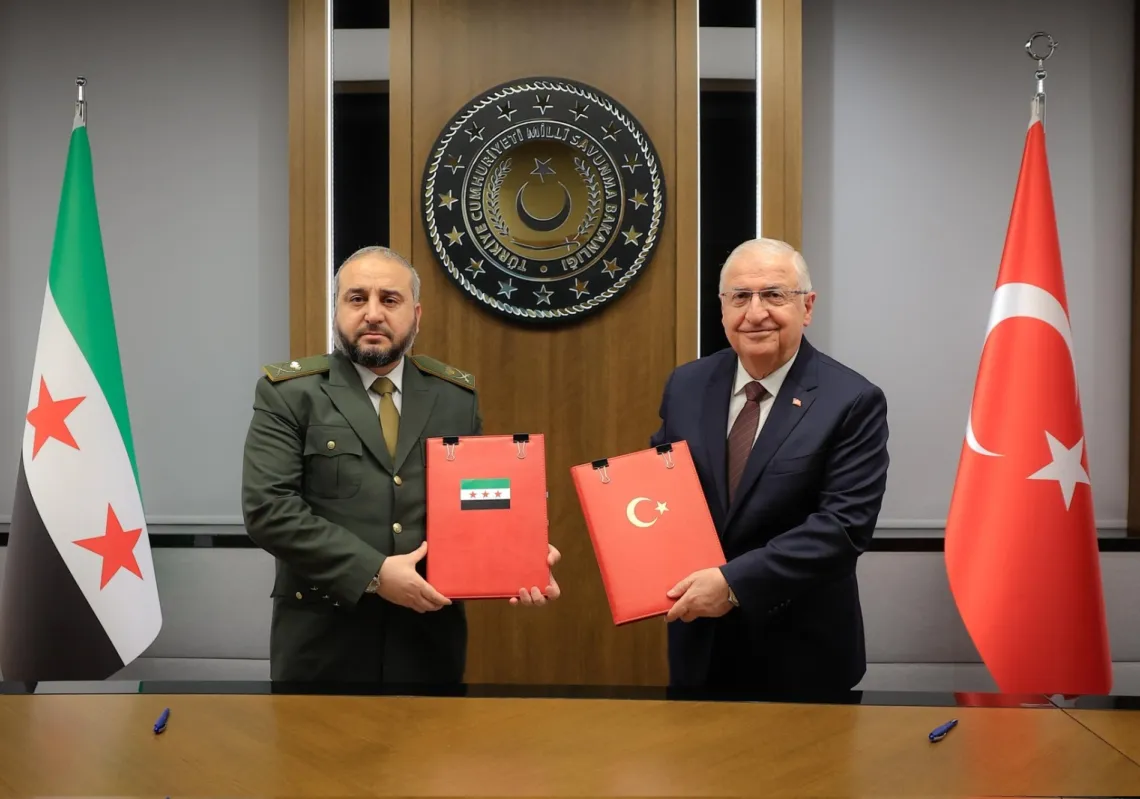
Israel has made clear its objection to Turkish military bases in Syria. Could a recently signed MOU between Ankara and Damascus to boost security cooperation threaten Türkiye's good ties with the US?
Donald Trump's ambassador to Türkiye and envoy to Syria has been having some critical conversations in regional capitals since April, from disarming Hezbollah to preventing another war with Israel
The burning of weapons from the banned PKK group of armed Kurdish separatists after members voted to dissolve it could be the closure some need. But will the door stay closed?
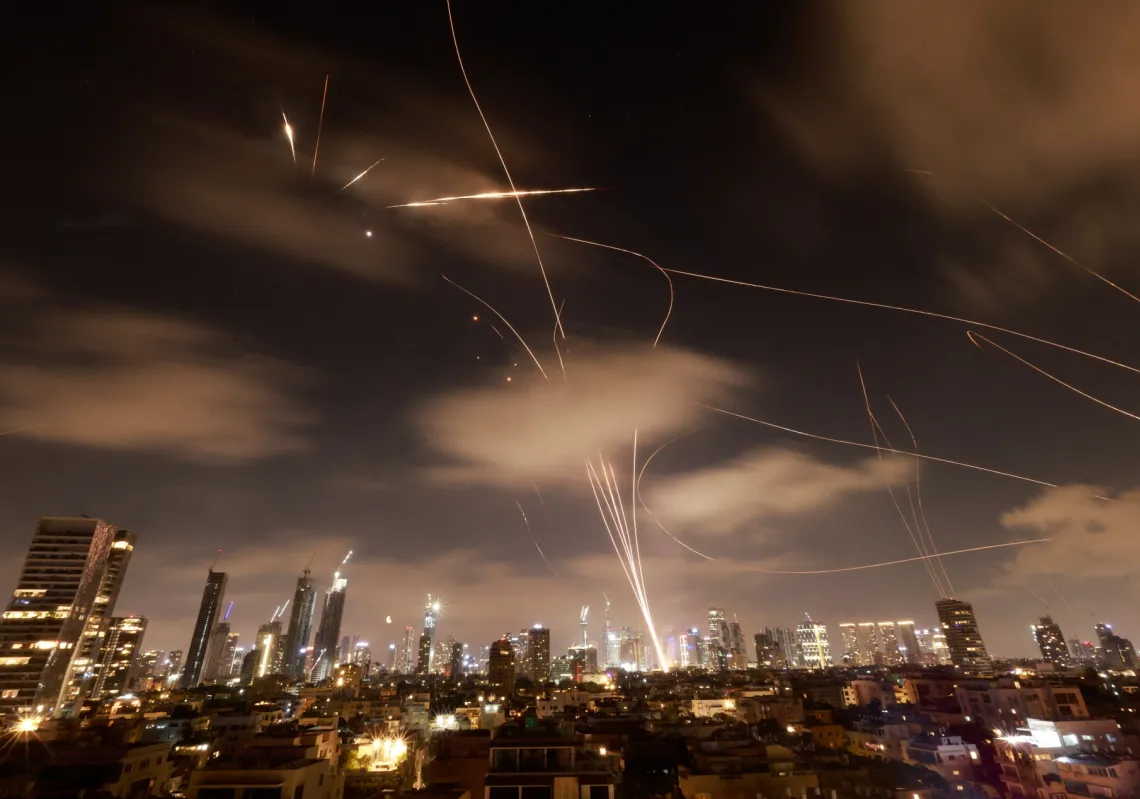
Ankara watched and learned from events in June 2025, as missiles flew between Tel Aviv and Tehran. The Middle East is changing, as is warfare and intelligence. For Türkiye, it is time to to act.
Ankara and Tel Aviv have been at each other's throats for years, not least over Gaza, while a change in leadership in Syria has thrown fuel on the fire. Thankfully, there are deconfliction mechanisms.
Having agreed on an outline for integration with Syrian President Ahmed al-Sharaa last month, Kurdish-led groups have now issued a raft of contradictory demands, angering both Damascus and Ankara
Syria's interim President Ahmed al-Sharaa and Turkish President Recep Tayyib Erdoğan are both concerned about Kurdish separatism for slightly different reasons. What will they do about it?
Recently published documents show a US no longer willing to finance an international system that doesn't reflect its strategic priorities and allows its adversaries a seat at the table
After 16 years, there is finally a political transition in Budapest. This is an annoyance in Moscow and Washington, a relief in Brussels, and a warning to Europe's populists.
Satellite technology from China and data analysis from Russia have helped Tehran be far more precise with its missiles and drones in its war against the US and Israel.