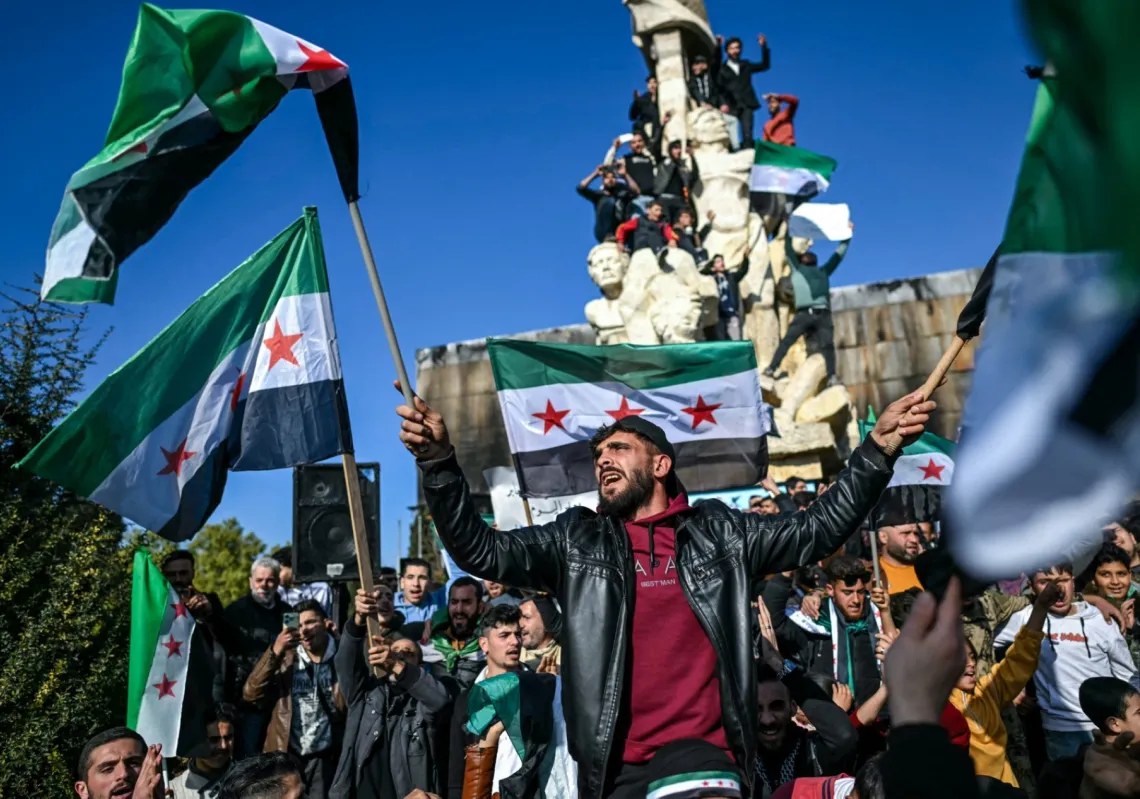
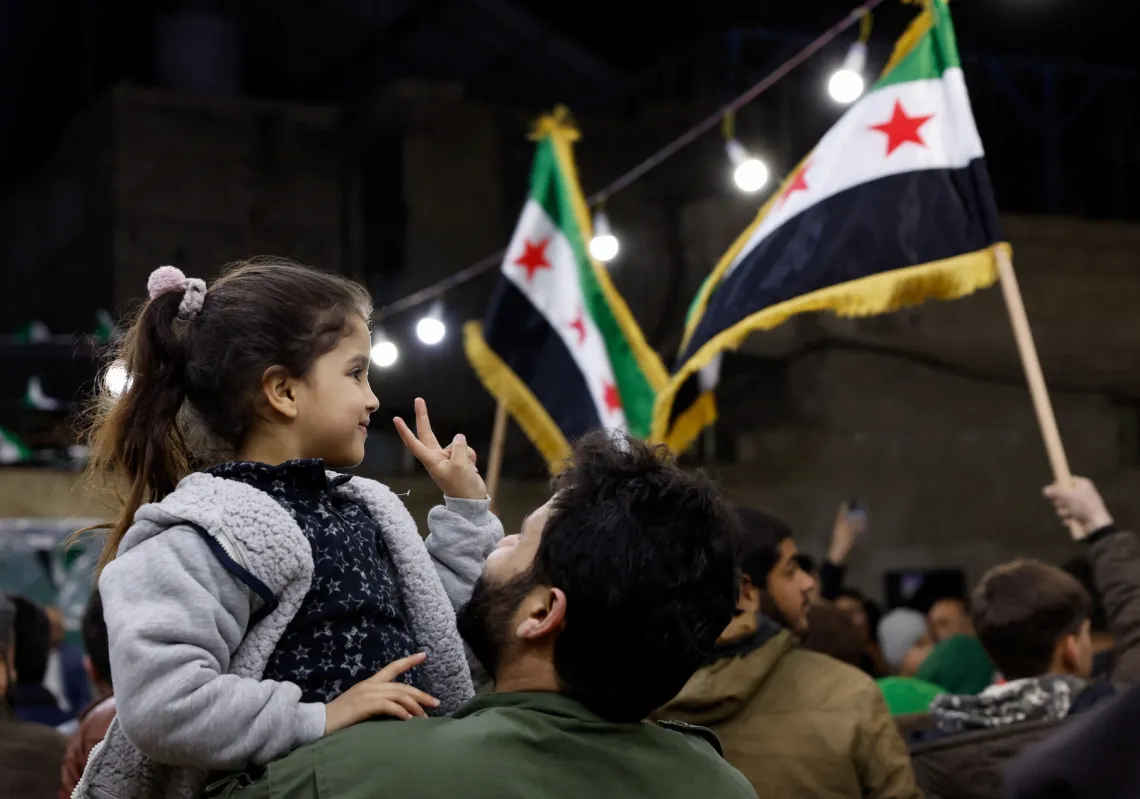
Syria's future will hinge not on speeches delivered to international audiences but on Sharaa's ability to build durable stability and restore trust at home
The combined effect of the shocks to the Assad regime and Hezbollah's operational capacity has been to transform, rather than end, illicit cross-border economies like arms and captagon
A tax system proposed by Syrian authorities—aimed at boosting investment and growth—will help the wealthy, but will it make the economy more productive and help the poor?
US envoy Tom Barrack has been shuffling between the two countries ahead of the UN General Assembly in a bid to get something concrete signed this week in New York
Nureddin al-Atassi was the first and last Syrian president to address the UN General Assembly in 1967. But President Ahmed al-Sharaa will break this trend when he is in New York next week.
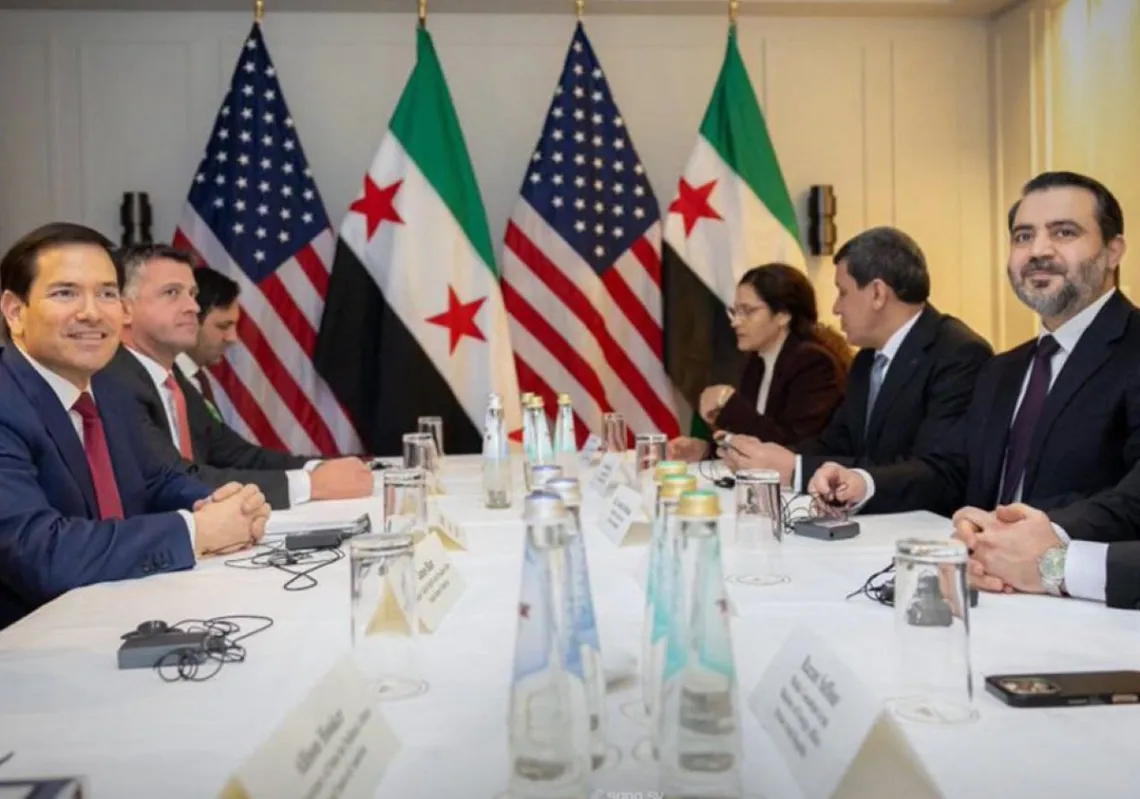
Syria's foreign minister met Israeli officials in London on 17 September, sparking speculation that a deal is in the offing. But even if one is reached, it risks being more symbolic than substantive.
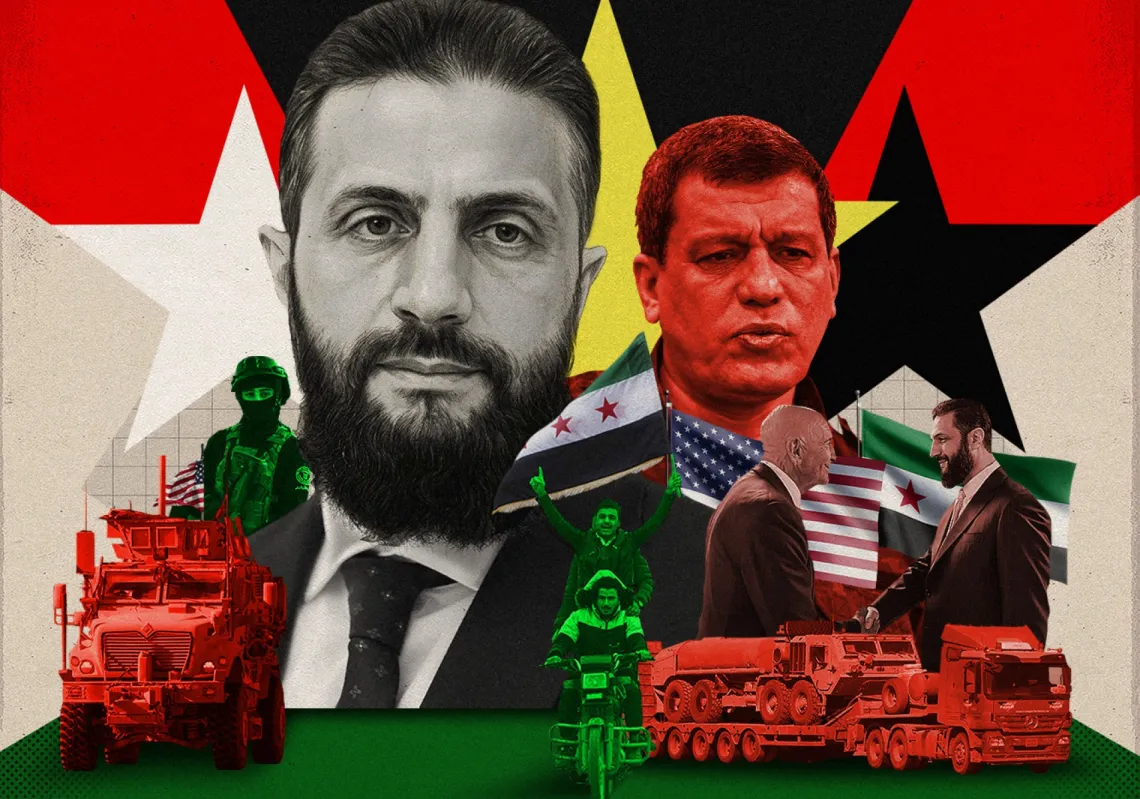
From the plains of Idlib to the presidential palace in Damascus and now the UN headquarters in Manhattan, Al Majalla traces the Syrian president's journey to get to this historic moment
When states are attacked, authority gravitates towards institutions capable of mobilising resources, enforcing discipline, and coordinating a military response
There are few examples of successful US regime-change operations in history. And without permanent ground troop presence, these wins can easily be reversed.
Cairo and Tehran have been at loggerheads since 1979, but the Iranian threat has always acted as a check on Israeli ambitions. If Iran is completely defeated, Israel will reign supreme.