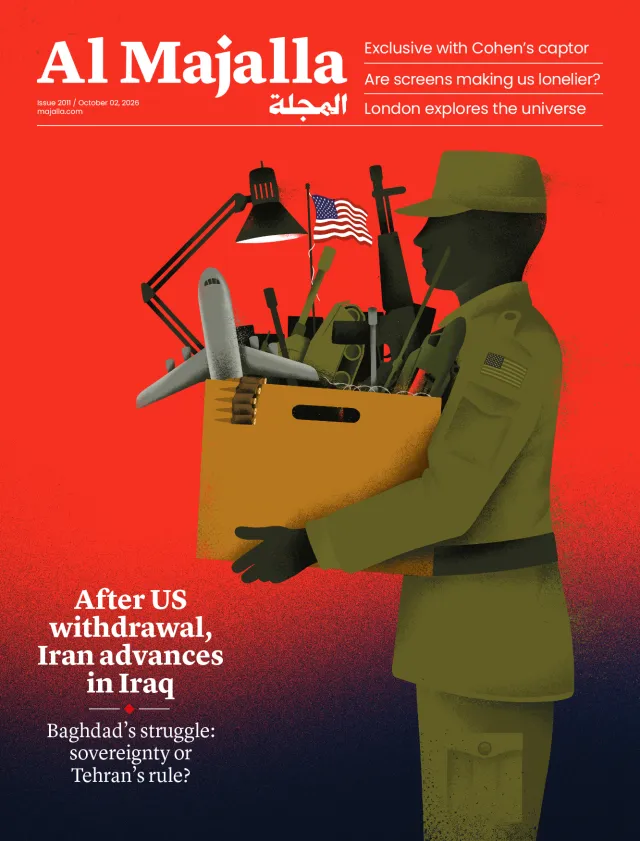

There are few good alternatives to the Hormuz Strait

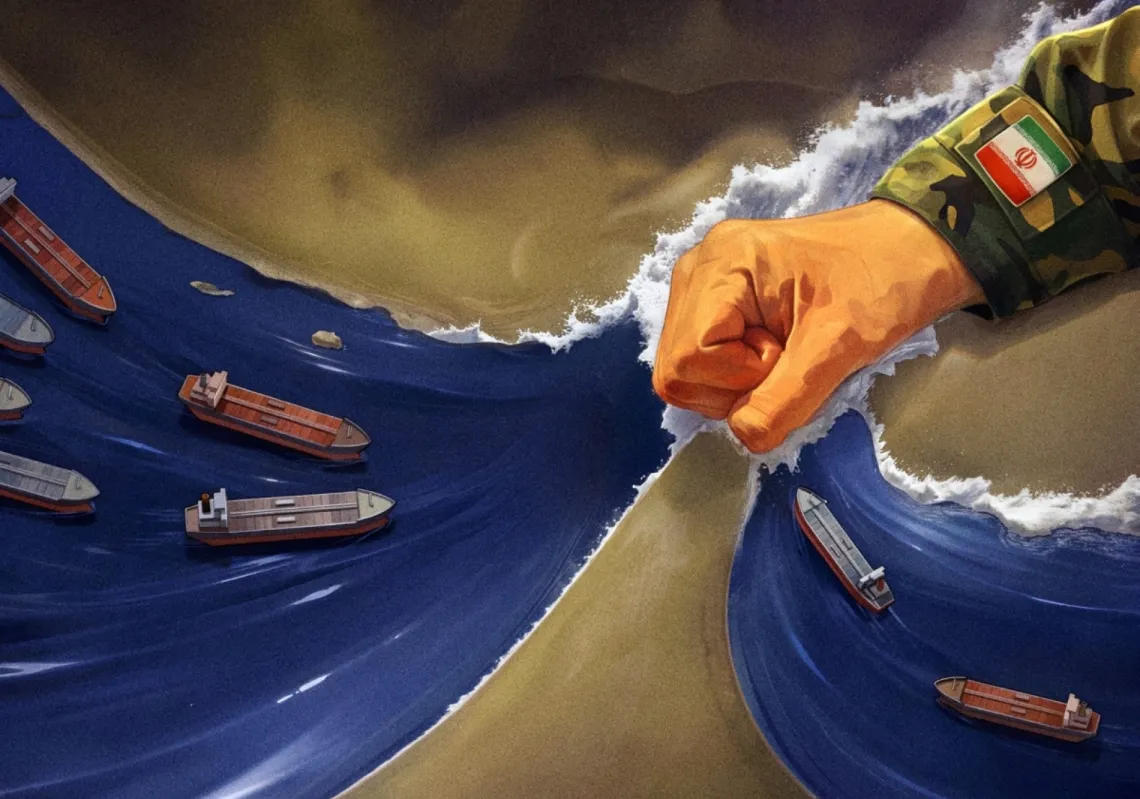
Riyadh and Cairo are trying to ease the acute oil shortfall through alternative pipelines, but these are just band-aid solutions, as the world's most vital energy corridor remains closed by Iran

Sara Padovan

There are few good alternatives to the Hormuz Strait

Saudi Aramco chief executive Amin Nasser has been far from alone in warning of the “catastrophic consequences” for the world energy market if Iran continues to effectively close shipping through the Strait of Hormuz, a maritime chokepoint through which up to 20% of the world’s oil and gas flows. “The longer this disruption endures, the more severe its consequences for the global economy will become,” he said, naming aviation, agriculture, and the automotive industry as being among the sectors most affected.

With global oil inventories having fallen to their lowest level in five years, Nasser said the crisis would accelerate the drawdown in stocks, reiterating the need for transit to recommence through the Strait, which connects the Arabian Gulf and the Gulf of Oman. “Although we have faced disruptions in the past, this crisis is—by a wide margin—the most severe the oil and gas sector in the region has ever confronted.”

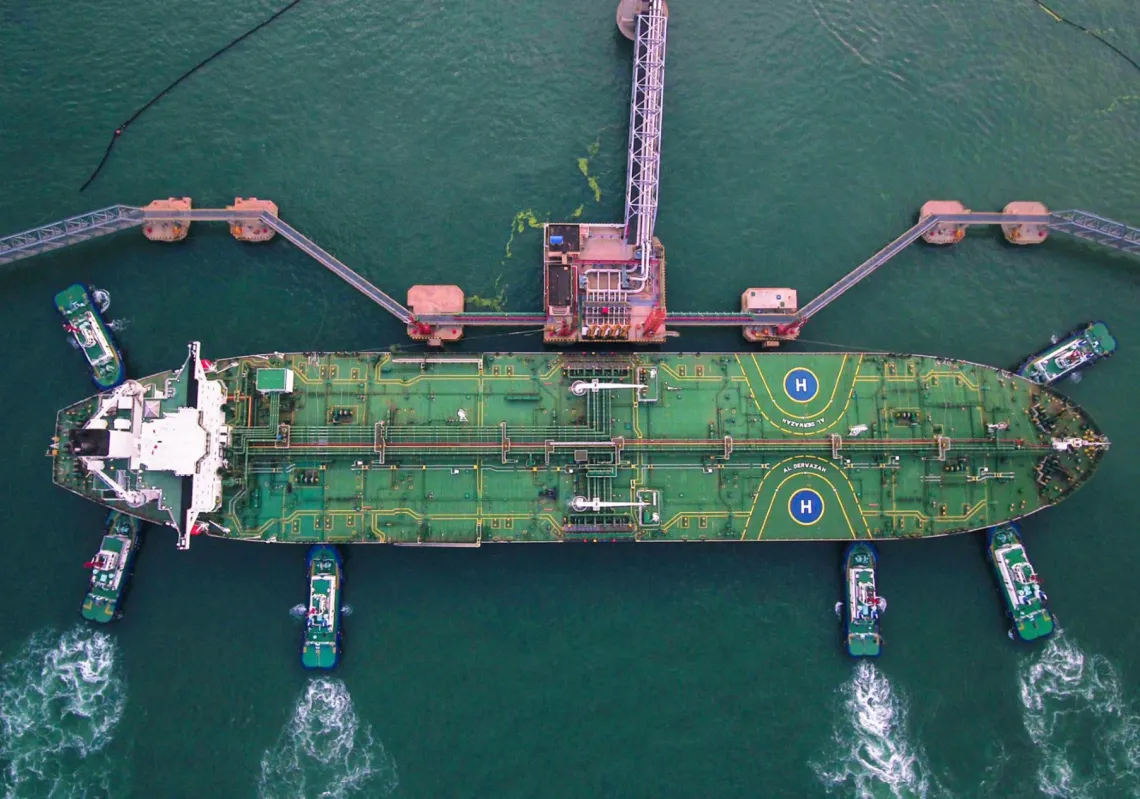
For now, Aramco has suspended oil exports through the Gulf, as cargoes can no longer be loaded onto tankers. Saudi Arabia is trying to ease an acute market shortfall through its only alternative outlet: the East-West pipeline, which carries crude to the port of Yanbu on the Red Sea. The pipeline is nearing its full capacity of seven million barrels per day (bpd), as customers seek alternative shipping routes.

The Strait of Hormuz carries not just oil but also vast quantities of exported liquefied natural gas (LNG), with Qatar the biggest producer locally. Still under attack from the United States and Israel at the time of writing, the Iranian government has said it will continue to attack any ships sailing through or near the Strait, which is one of the world’s major trade arteries. On 12 March, US Treasury Secretary Scott Bessent tried to reassure markets by saying that US warships would escort merchant vessels through the waterway.

Scanning for alternatives

Debate among analysts has focused on whether regional infrastructure can provide alternative routes for transporting oil and gas if the Strait is closed. Options include Saudi Arabia’s East-West pipeline (known as Petroline) and Egypt’s SUMED pipeline, which links the Red Sea to the Mediterranean.

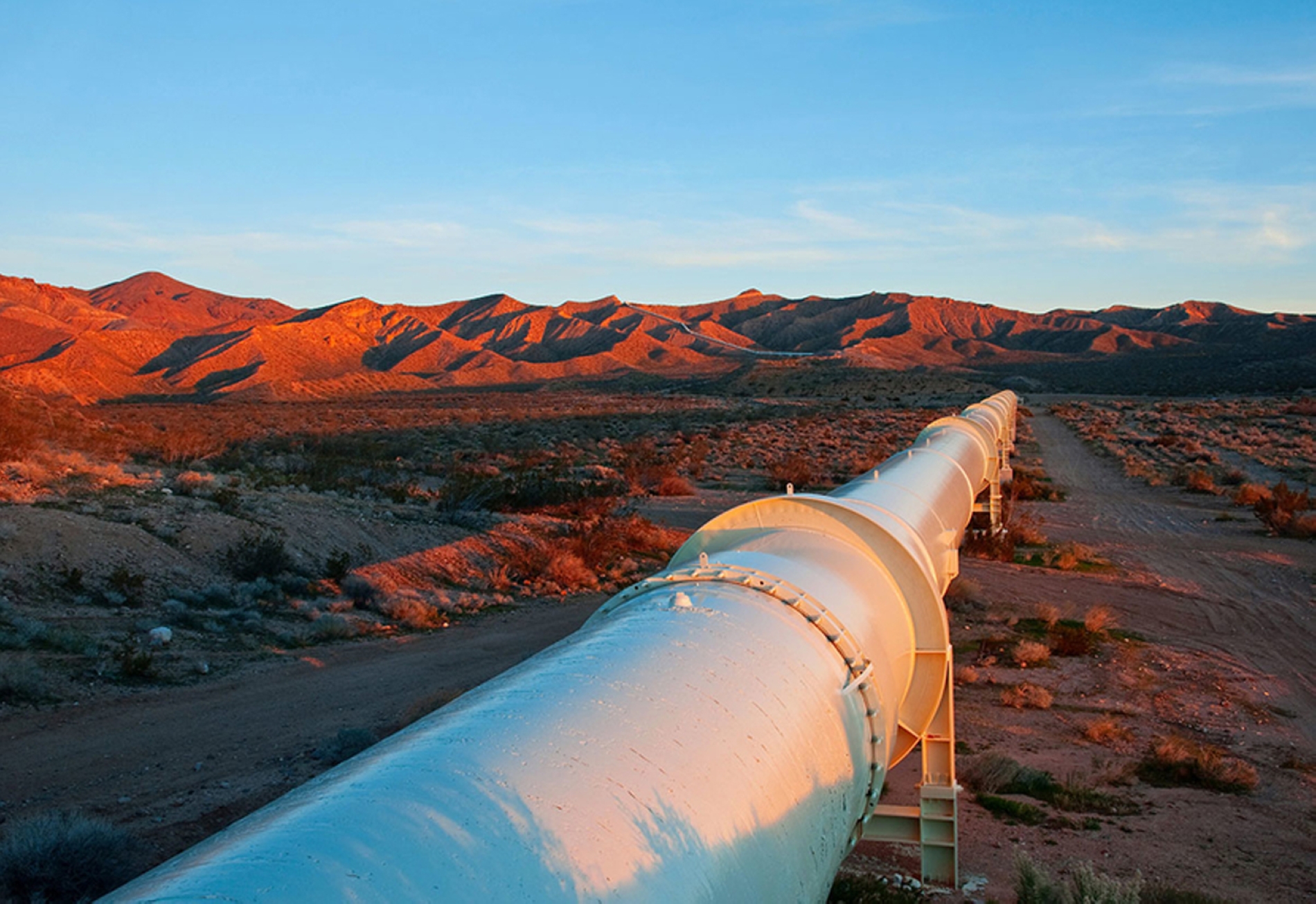
At nearly 1,200km, the Saudi pipeline is seen as one of the most important strategic projects in the Middle East’s energy infrastructure. It carries crude oil from eastern oilfields to Yanbu, from where it can be exported without passing through the Strait of Hormuz. Aramco has already redirected some crude to Yanbu, but stressed that the adjustment was temporary.
Global Data
The Saudi East-West oil pipeline

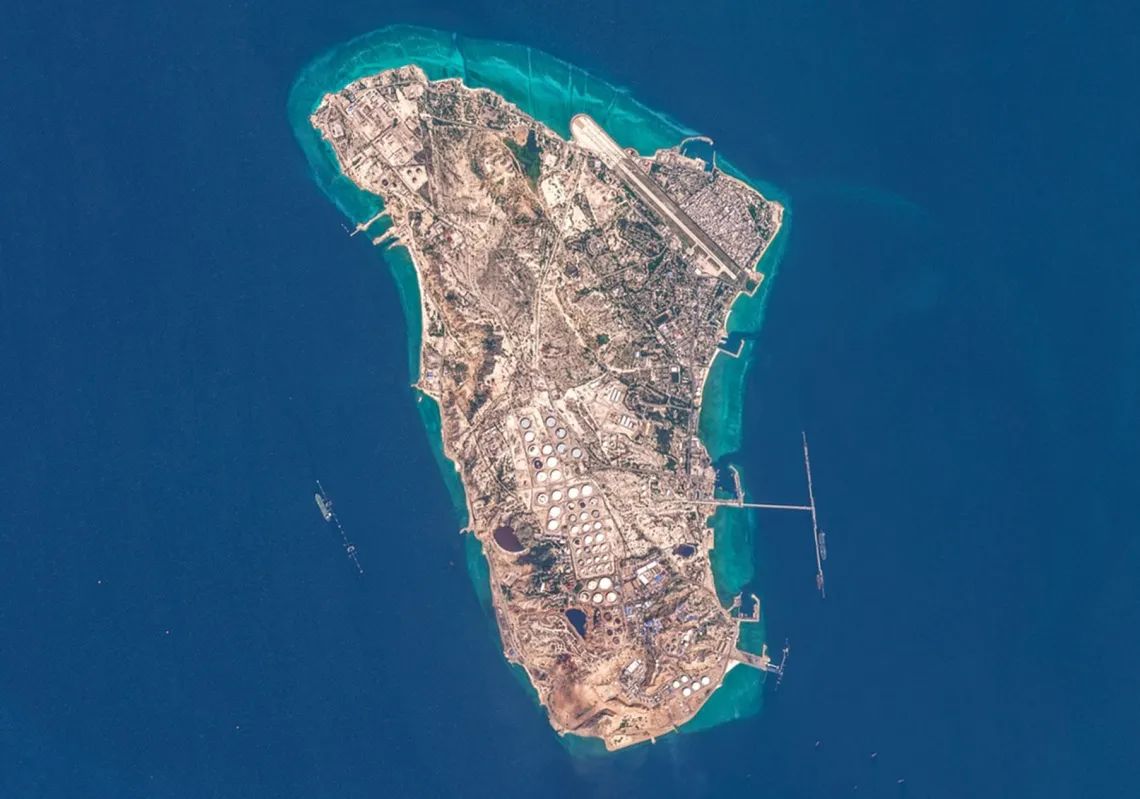
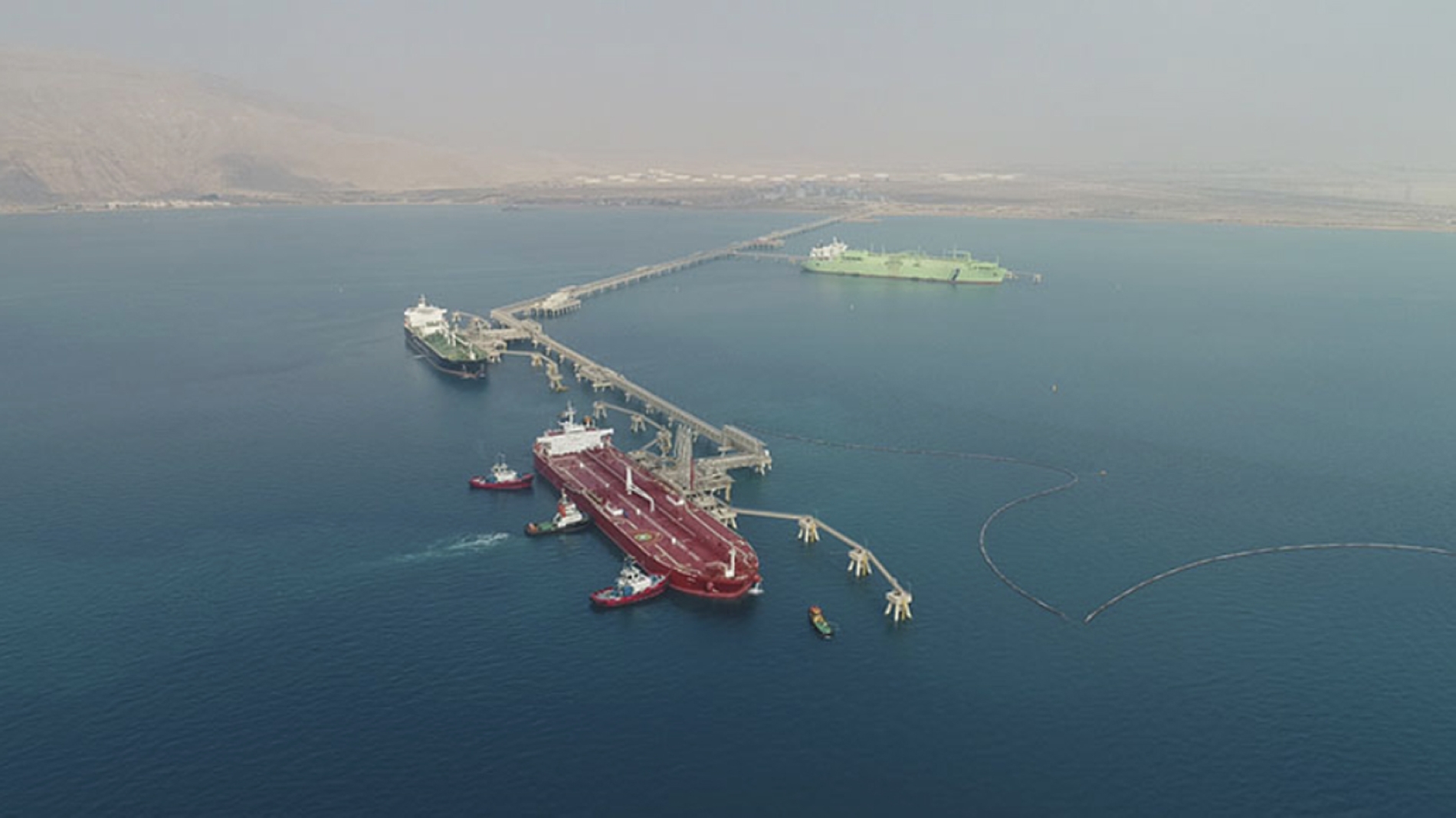
Ultimately, energy security in the Gulf cannot rely on military protection of oil tankers through the Strait of Hormuz, which is unsustainable in the long run. In the meantime, the Saudi East-West pipeline fulfils a similar function to the 370km pipeline from Abu Dhabi to the port of Fujairah on the Gulf of Oman, which allows Emirati crude from the Habshan oilfield to bypass the Strait of Hormuz. Dreamt up in 2006, it was inaugurated in 2012 and built with Chinese assistance. Fujairah has a port, refinery, and vast oil storage facilities.
We have faced disruptions in the past, but this crisis is—by a wide margin—the most severe the oil and gas sector in the region has ever confronted

Saudi Aramco chief executive Amin Nasser

Egypt's 320km SUMED pipeline is older. Built in the 1970s, it is an important oil transit route linking the Red Sea to the Mediterranean through Egyptian territory. Around 2.5 million barrels per day (bpd) are transported between Ain Sokhna on the Gulf of Suez and Sidi Kerir on Alexandria's northern coast, crossing the Nile Valley and the Western Desert. SUMED is jointly owned by several Gulf states, with the Egyptian General Petroleum Corporation holding the largest stake. Terminals at Ain Sokhna and Sidi Kerir can hold around 38 million barrels of oil.

sumed.org
The Sumed shipping line's seaport consists of an arrival quay approximately 3 kilometres long with three berths, and is equipped with marine facilities including mooring barriers and other marine equipment.

Limited capacity

Egypt's Petroleum Minister Karim Badawi said some Gulf crude could pass through SUMED to ease pressure, but his predecessor Osama Kamal said it could not fully replace the Strait of Hormuz as a transport route. The capacity of regional alternatives remains limited when set against the volume of oil that passes daily through the Strait, according to Prof. Medhat Youssef from the Faculty of Engineering at Zagazig University in Al-Sharqia, Egypt.

Speaking to Al Majalla, he said: "More than 20 million barrels of oil pass through the Strait of Hormuz every day. SUMED's capacity does not exceed 2.5 million bpd. That's about 12% of the volumes crossing the Strait. Part of this capacity is used to transport Egyptian crude from the Gulf of Suez to refineries in Alexandria, reducing the capacity available for Saudi oil to 2.2-2.3 million bpd."

Ambassador Maged Refaat, a member of the Egyptian Council for Foreign Affairs, agreed that SUMED was "no substitute" for the Strait of Hormuz. He told Al Majalla that the pipeline allows Saudi Arabia to route part of its oil exports through the Red Sea and then via the Suez Canal or SUMED, but offers no solution for other Gulf states, such as the UAE or Kuwait. Qatar is one of the states most exposed to the consequences of a closure of the Strait of Hormuz. It supplies around 25% of the world's LNG, most of which passes through this vital corridor.

Dr Ramadan Abu El Ela, head of the Petrochemical Engineering Department at Pharos University in Alexandria, argued against any direct linkage between the Strait of Hormuz and the SUMED pipeline, since the Strait is a principal maritime corridor for moving oil from the Gulf to Asia and Africa, whereas SUMED's primary function is to transport oil from the Red Sea to the Mediterranean via the Suez Canal.

Suez Canal Authority
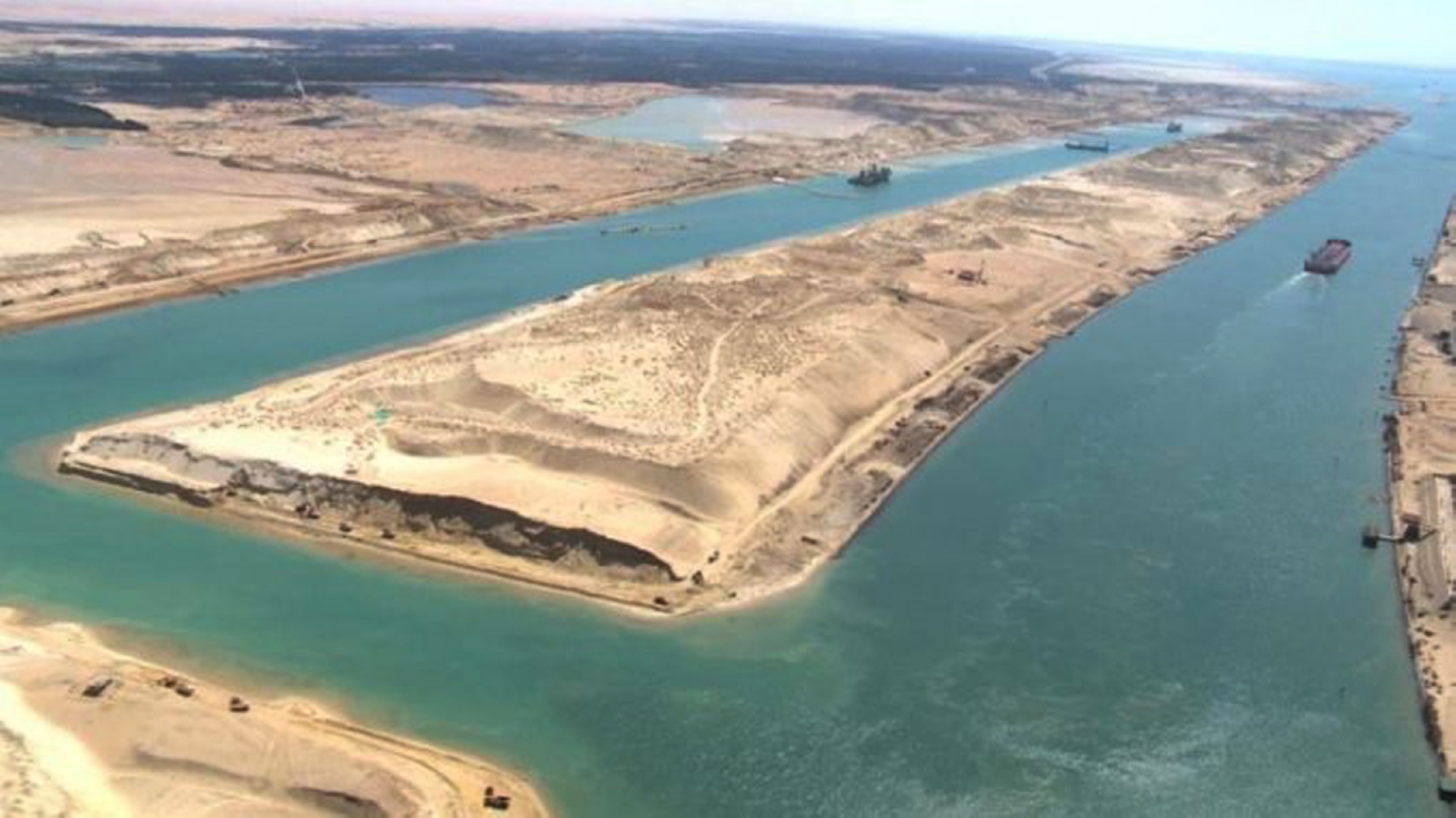
Oil flows through the Suez Canal.

No real substitute

In recent years, much of the Gulf's oil exports have been destined for Asia, especially China and India, whereas the SUMED pipeline was designed to serve Europe. Dr Hossam Arafat, professor of petroleum engineering at Cairo University, told Al Majalla that China holds enough oil for about 105 days, but India's reserves may cover no more than about 25 days.

The challenges facing regional alternatives to the Strait of Hormuz are not confined to technical constraints and operational capacity. Pipelines face security threats in periods of regional tension, with energy infrastructure in the Middle East historically a target for attacks or sabotage, as happened with the gas pipeline in Arish, Egypt, after 2011.

Regional pipelines such as Saudi Arabia's East-West line and Egypt's SUMED pipeline can help to soften some of the impact of any disruption to navigation through the Strait of Hormuz, but cannot replace this vital passage, which is more than a maritime corridor in the Gulf—it is a central node in the global energy network. Prolonged disruption will extend far beyond the region, with repercussions for the world economy, from Asia to Europe.

font change