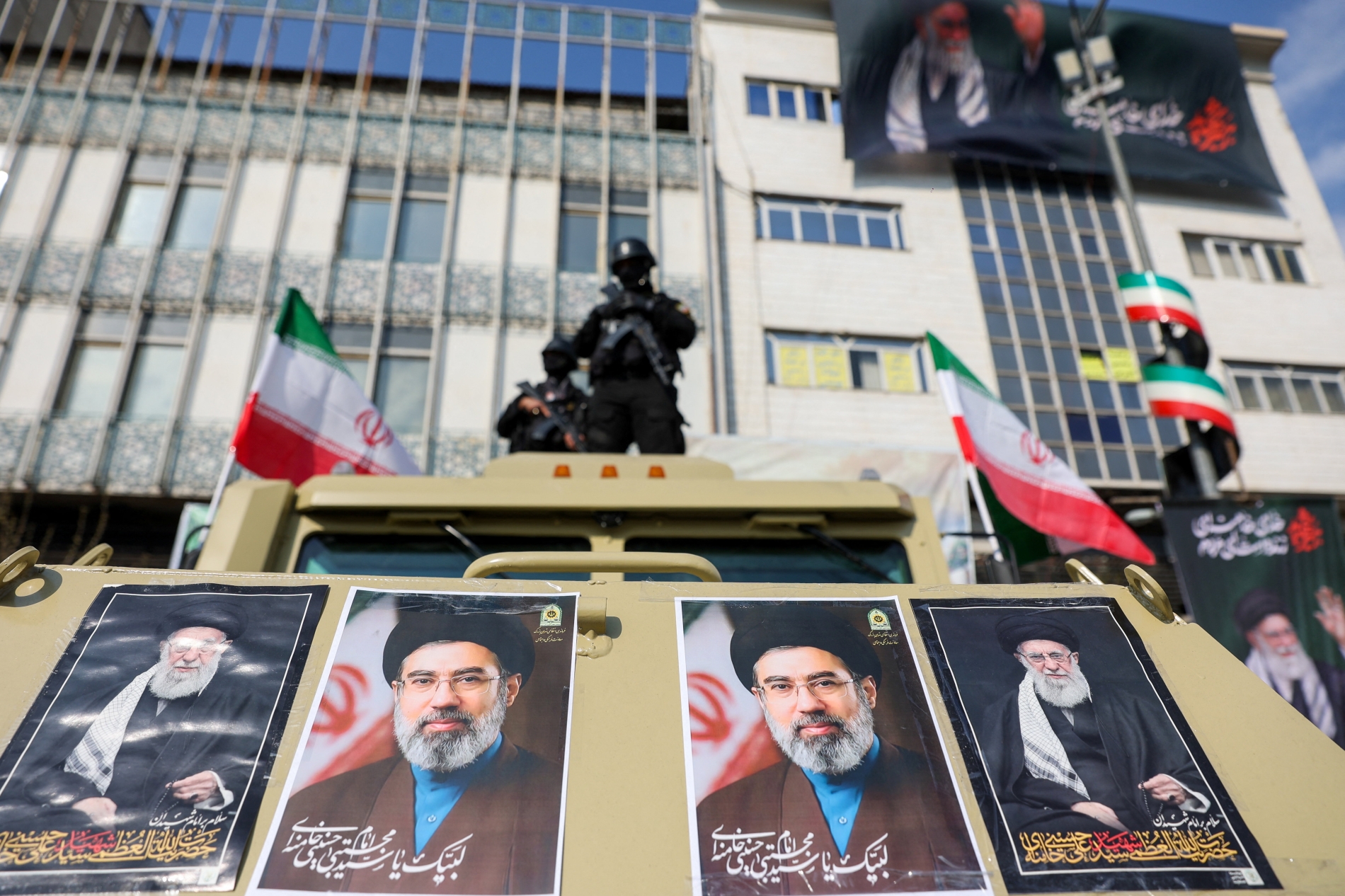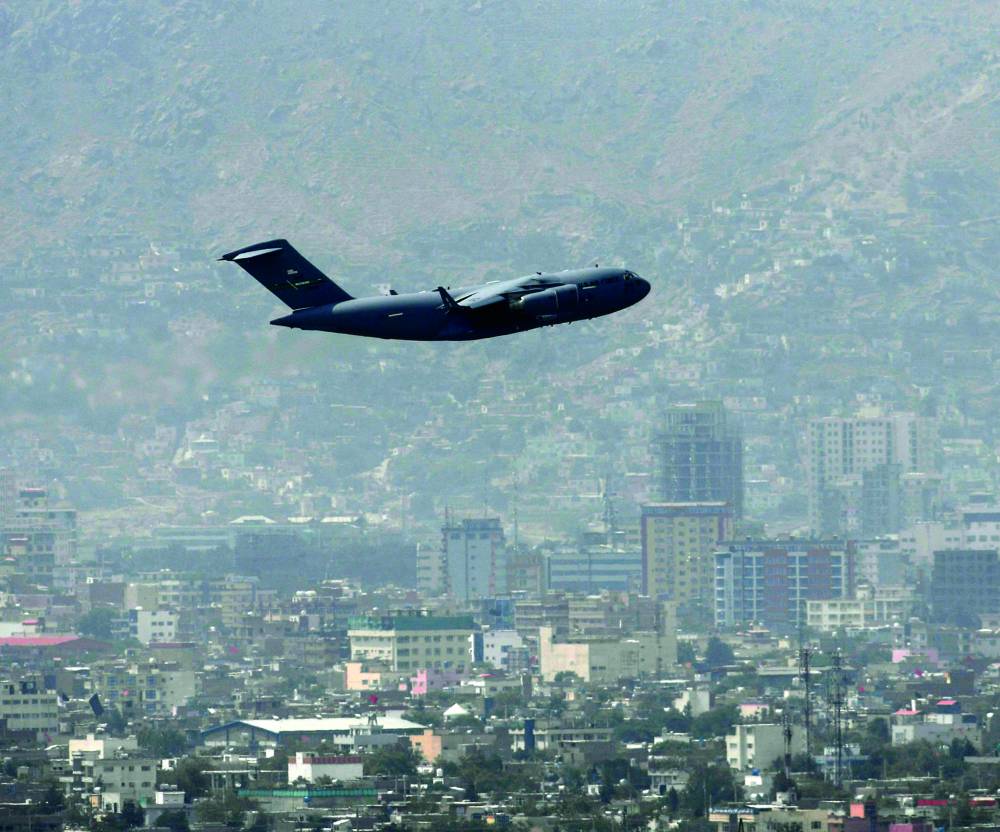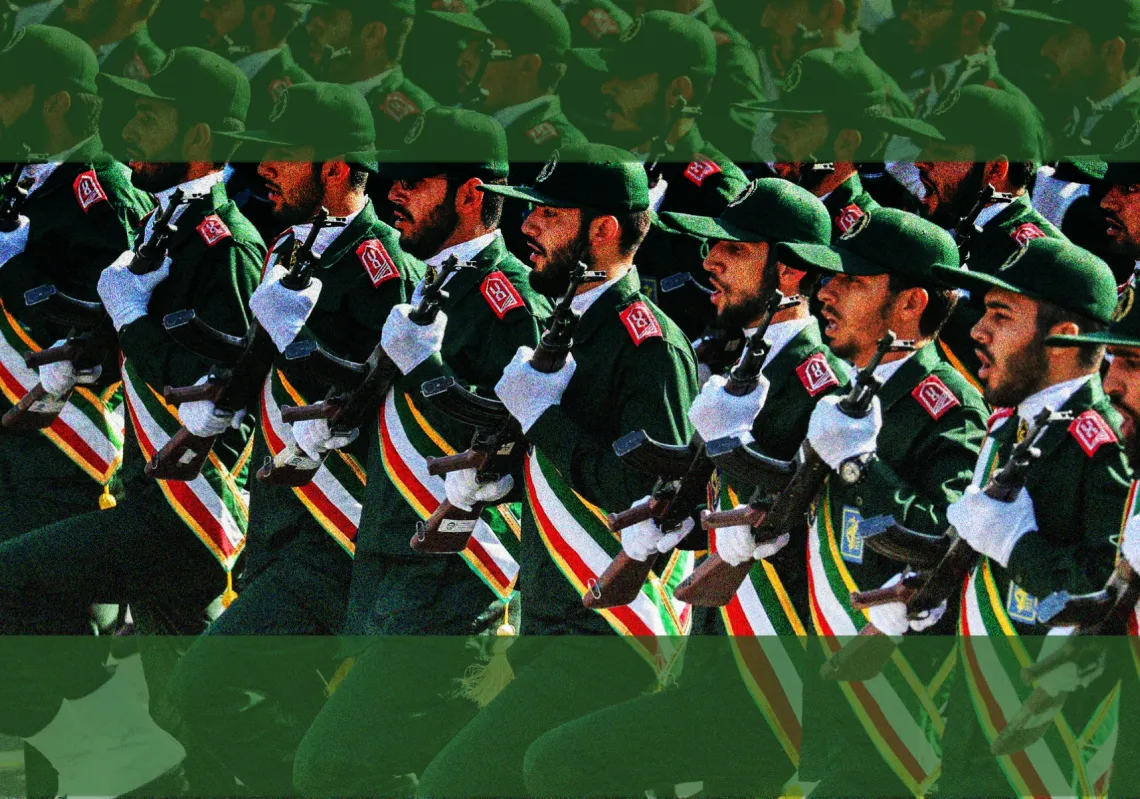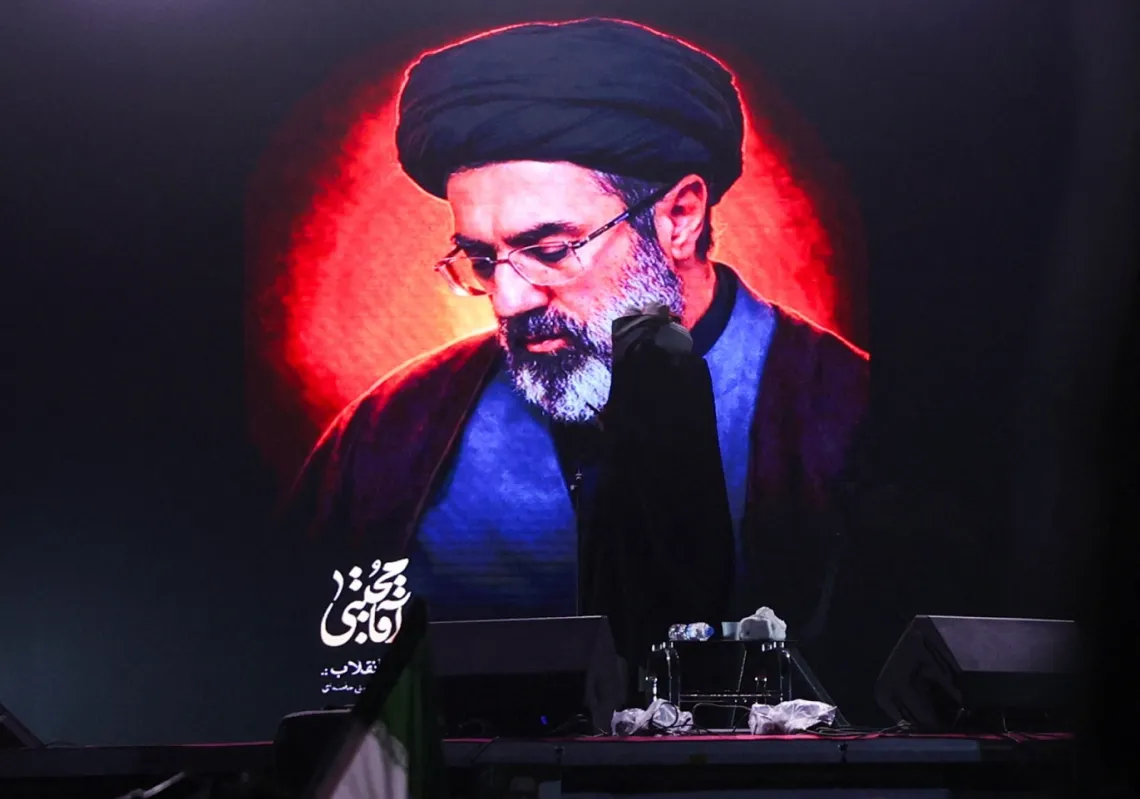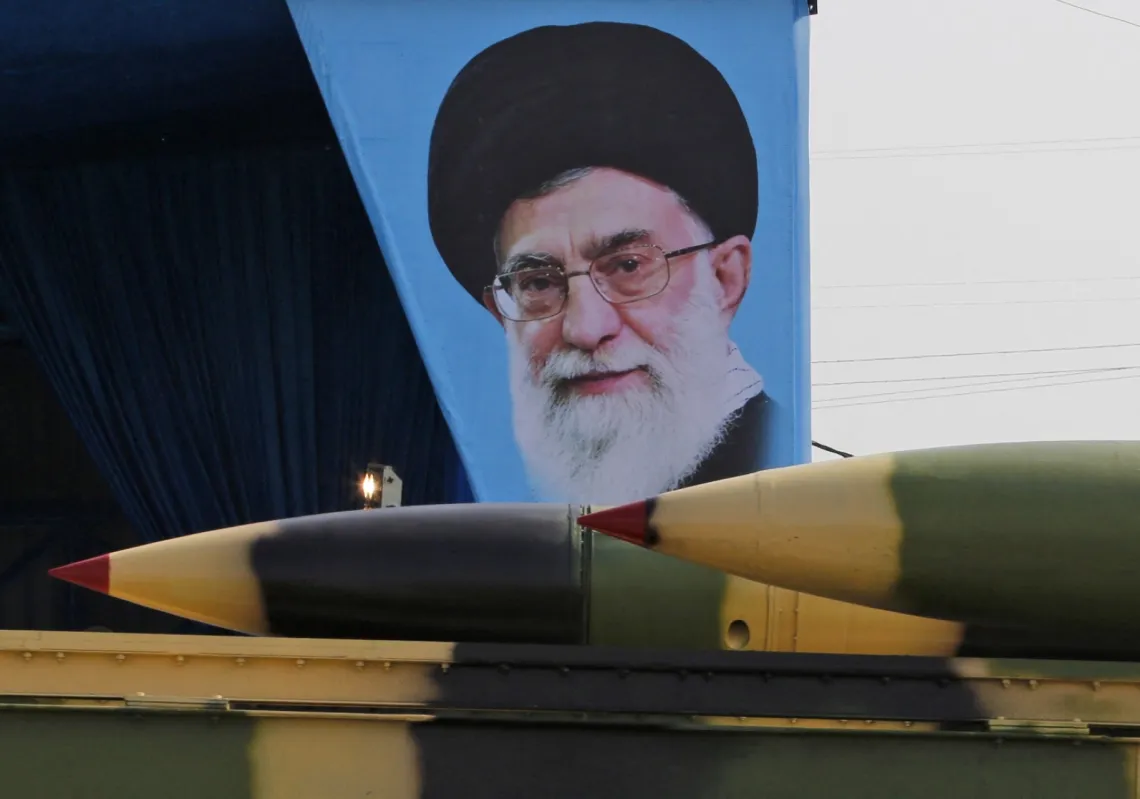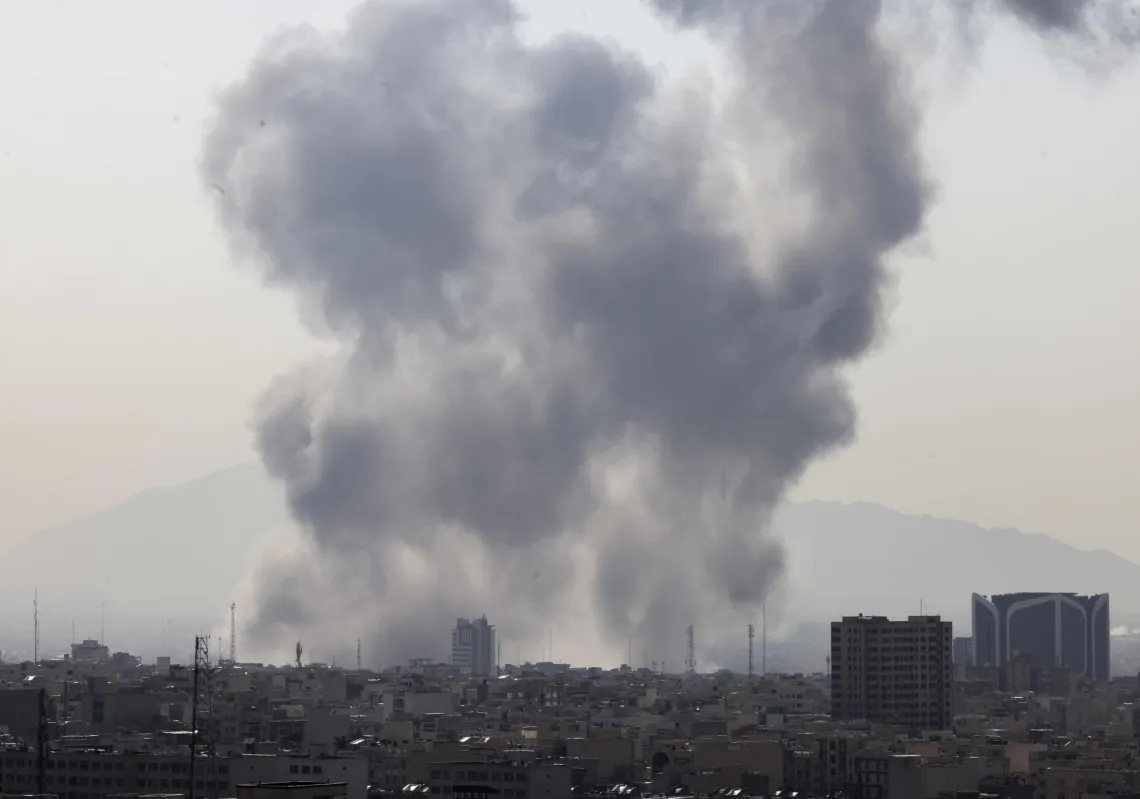

The US, it seems, is back in the ‘regime change’ business. Despite his past promises to “stop the reckless and costly policy of regime change,” Donald Trump’s Operation Epic Fury looks anything but. Israel’s assassination of Iran’s supreme leader Ali Khameni on the first day and Trump’s urging the Iranian people to “take over your government,” all point to what Keir Starmer has described as attempted “regime change from the skies.”
While the war’s legality is highly questionable, and there are serious concerns about how long it will last, how far it will spread and how destabilising it will be for the Middle East and beyond, this article focuses on just one aspect: could it work? After all, the US does not have a great record when it comes to regime change.
Looking at recent historical examples from the Middle East and beyond, the augurs are not promising. Successful regime changes have usually required ground troops, and even then, the long-term results have rarely been positive for Washington.
The ghosts of regime change past
No two conflicts are the same, so even identifying past ‘regime changes’ to compare with the Iran war today brings challenges. Some conflicts, such as the 1999 Kosovo War, precipitated regime change, but this was not the US and NATO’s stated goal when intervening. Likewise, NATO’s entry into Libya’s civil war in 2011 was supposedly to defend civilians, but it quickly moved to support rebel fighters to overthrow Muammar Gaddafi. Yet these two conflicts offer perhaps the most hope to Trump that ‘regime change from the skies’ can work. In both cases, the US and its allies did not have to deploy large numbers of ‘boots on the ground’.
In the Kosovo case, 50,000 NATO troops were deployed, including around 8,000 from the US, but this was as a peacekeeping force after the air campaign that had forced Slobodan Milosevic’s Serbian forces to withdraw. Regime change in Serbia itself eventually happened over a year later, when Milosevic lost the first round of presidential elections, and street protests prompted the military to side with the crowd over him.
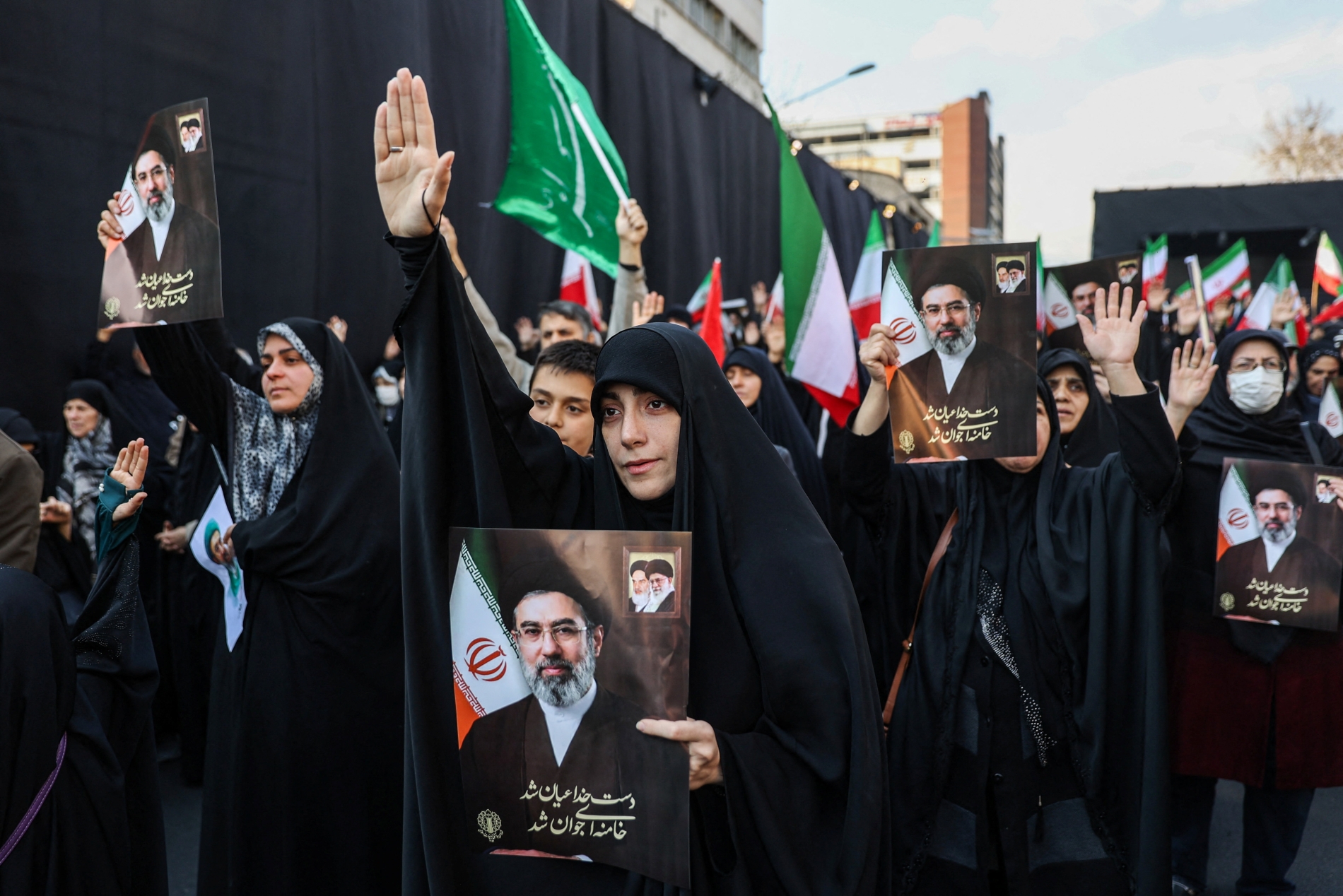
Such an outcome might be what Trump is hoping for in Iran, but there are significant differences. Iran is a much bigger, more diverse country than Serbia, with populations of 85 million and 6 million, respectively, meaning it would take a far larger coordinated popular movement than the one that toppled Milosevic. Moreover, we have already seen the willingness of Iran’s security forces to side with the regime over protestors, when an estimated 30,000 were killed earlier in 2026. Trump may hope elements of the security forces switch sides and emulate what happened in Serbia, but the signs so far are not promising.
The 2011 Libyan case offers an alternative example. There, a significant portion of the security forces stayed loyal to Gaddafi. NATO intervention effectively gave air cover to armed rebels to help overthrow him.