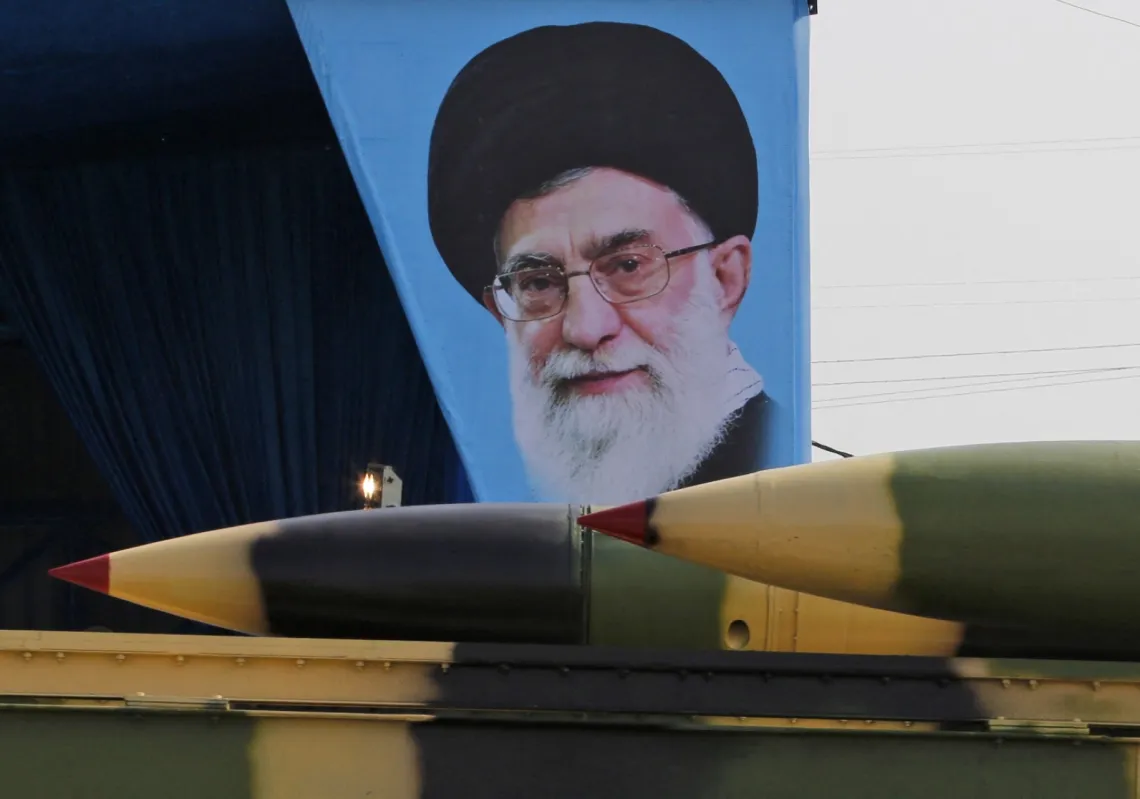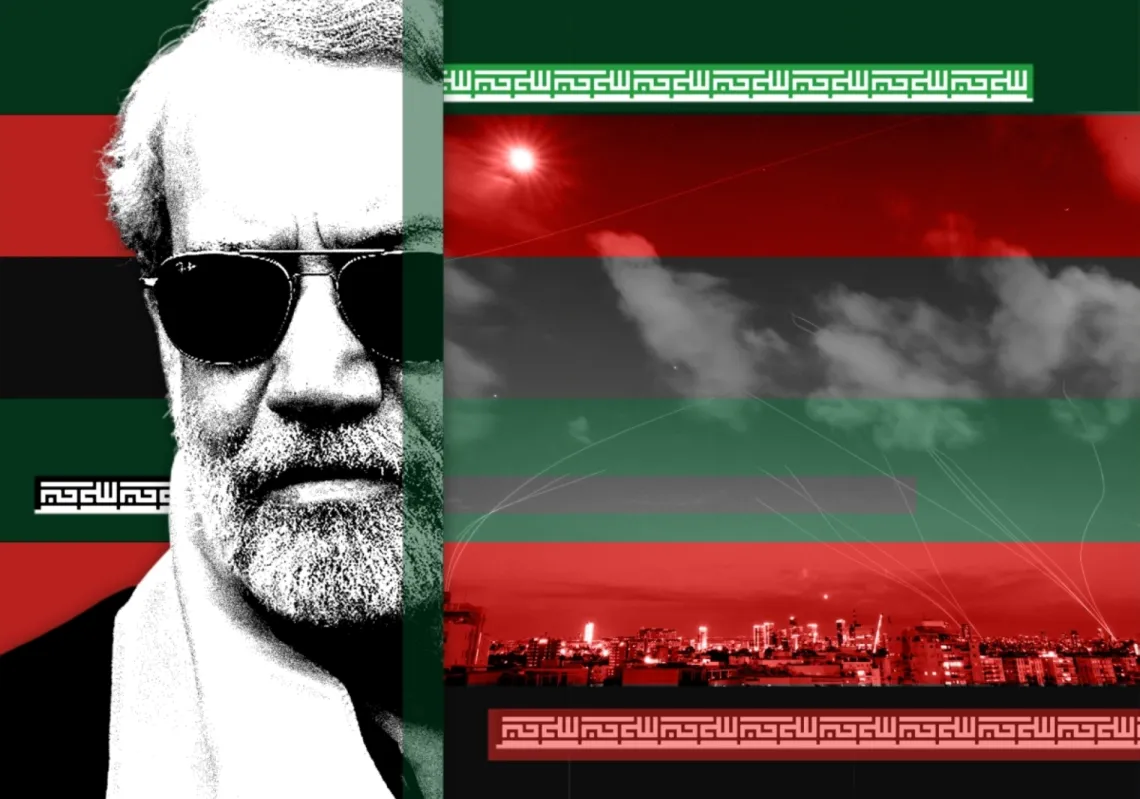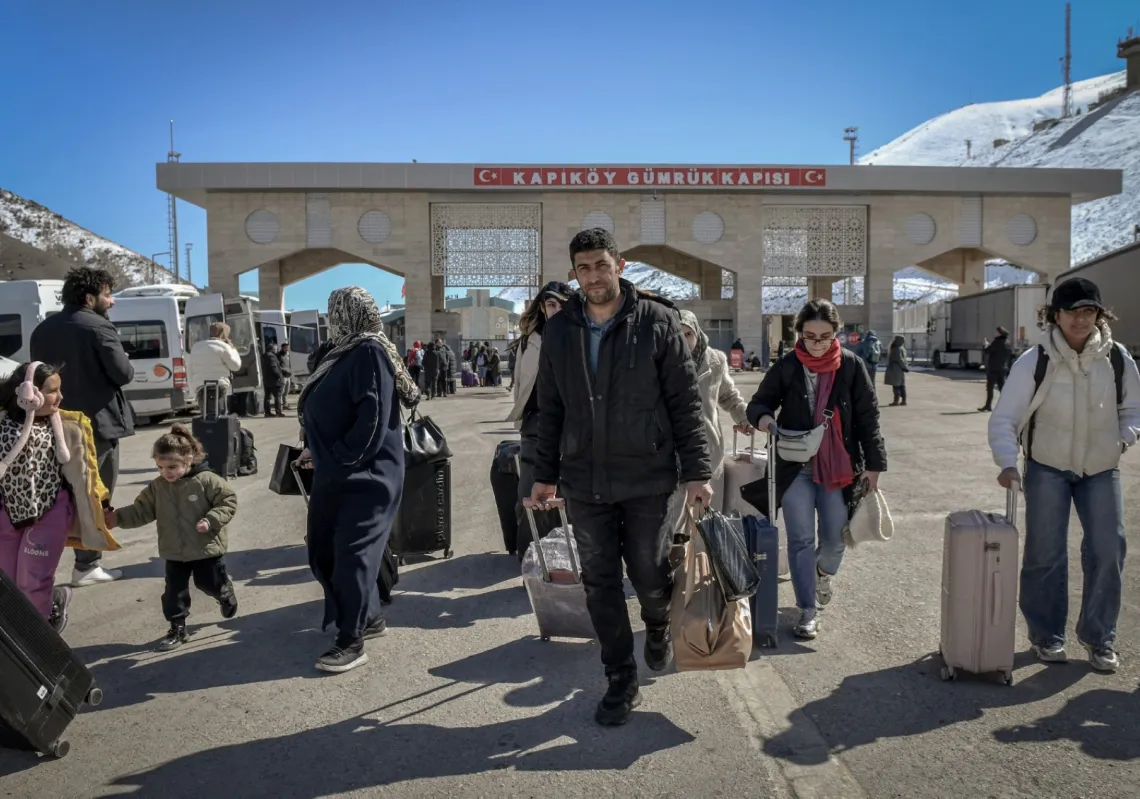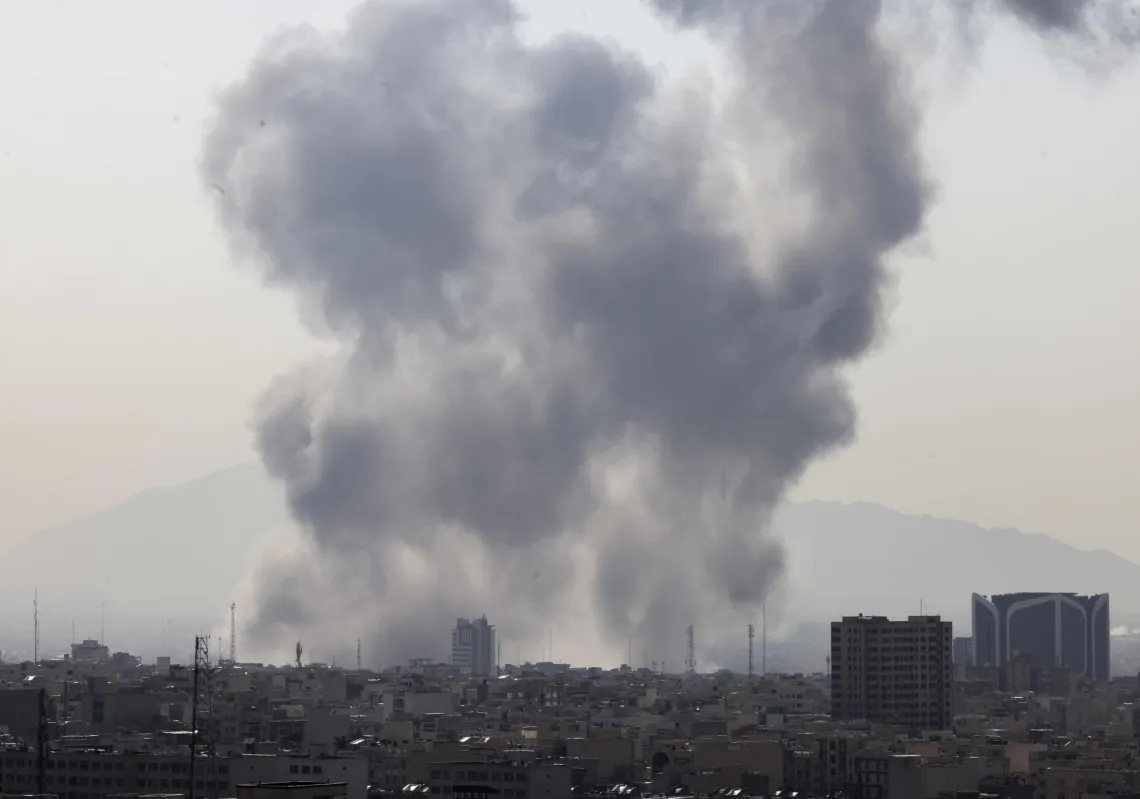

Iran entered the current conflict in a structurally weakened position. Years of sanctions had battered the economy, and its once formidable network of regional proxies had been degraded by successive confrontations with Israel and the United States since Israel went on the offensive after the 7 October 2023 attacks. Public frustration with the Islamic Republic had also grown after years of repression and economic decline, compounded by the late Supreme Leader Ali Khamenei turning a deaf ear to popular demands for reform.
To many observers, these conditions seemed to point to one conclusion: that a prolonged war could bring the system down. But structural weakness does not automatically translate into regime collapse. History suggests that wars often produce the opposite effect. Under external pressure, political systems consolidate power around the actors best equipped to fight wars and ensure survival.
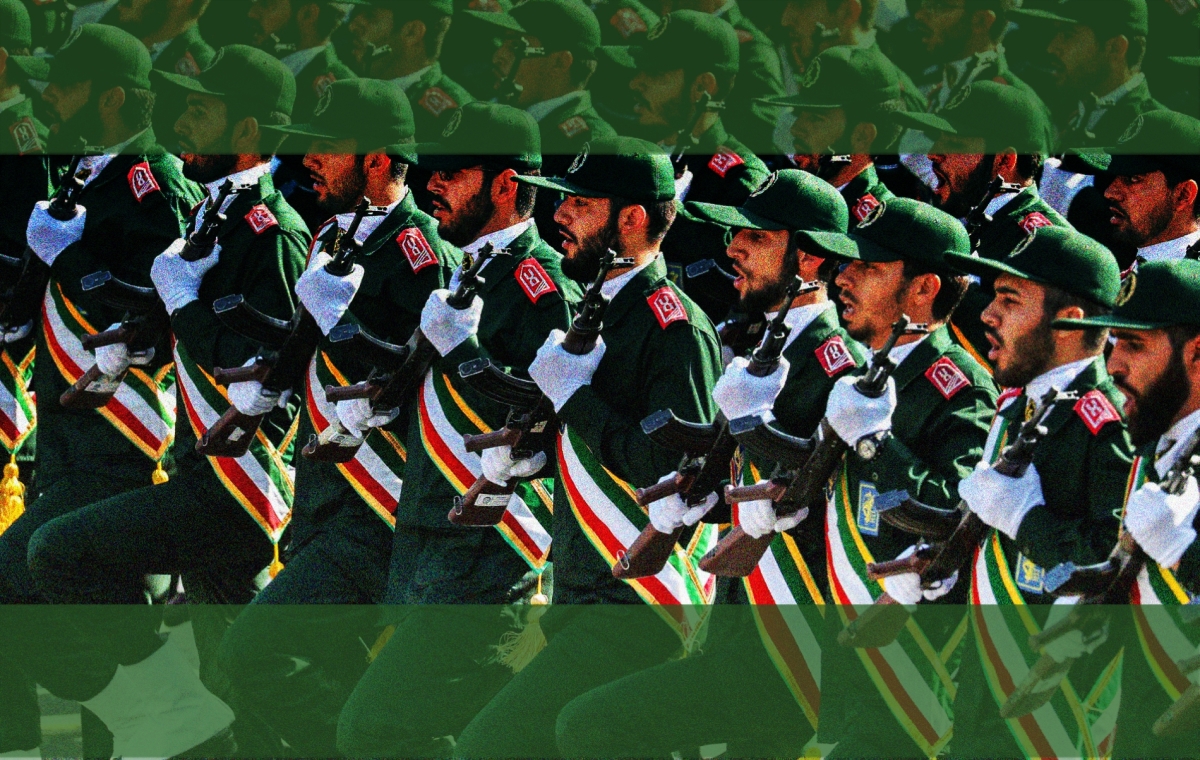
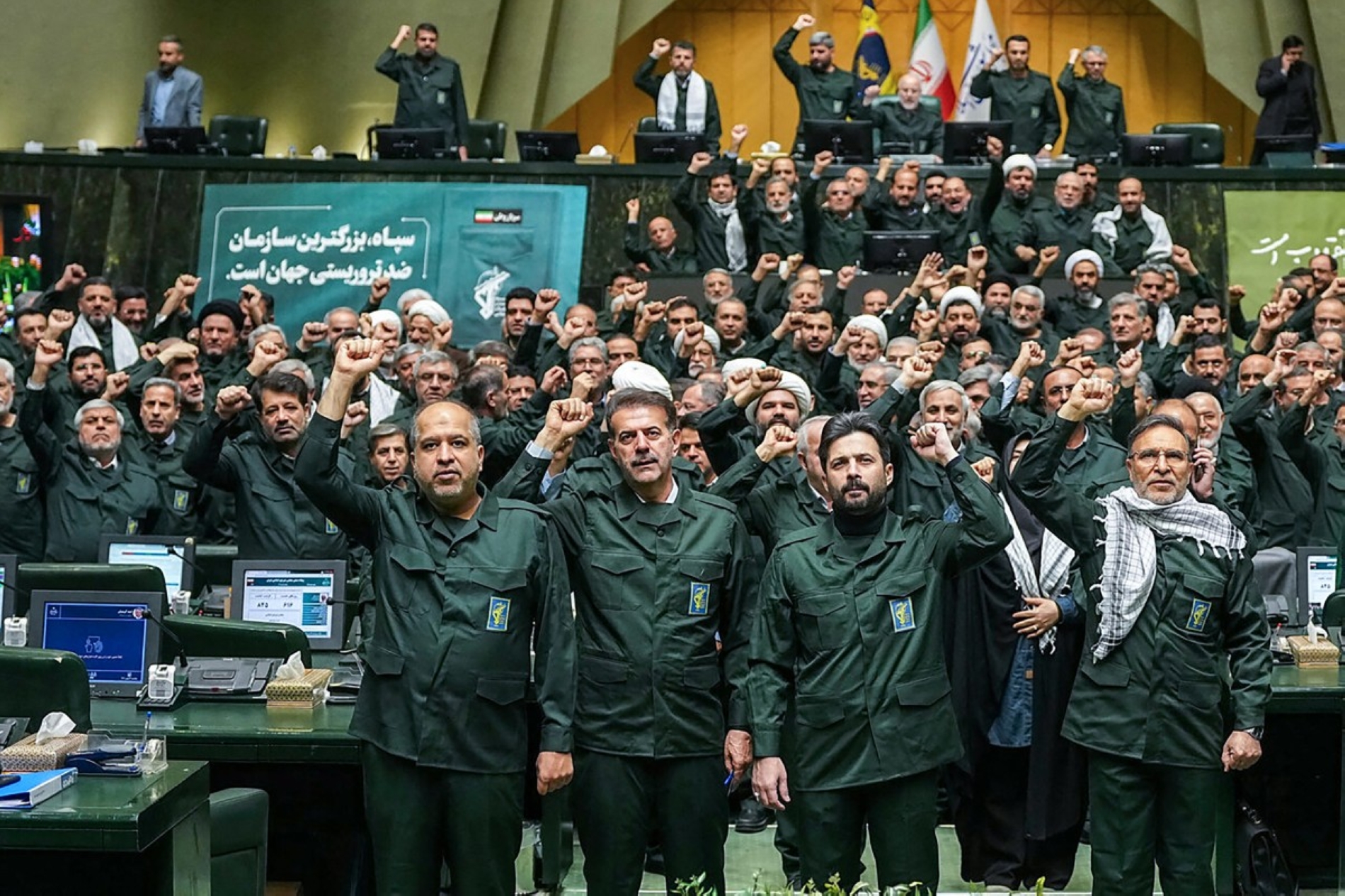
There are relevant examples to point to. Russia’s security services gained enormous influence during and after the Chechen wars in the 1990s and early 2000s, which helped propel Vladimir Putin to power. China’s Communist Party strengthened its hand during the Korean War by mobilising society against perceived foreign encirclement. In Iran, the actor best positioned to benefit from wartime consolidation is the Islamic Revolutionary Guard Corps (IRGC).
Distributed power
To understand how the war could reshape Iran’s internal power structure, one must look beyond the surface indicators of weakness and examine the institutional foundations of the Islamic Republic. Contrary to popular belief, the system was never built around a single individual, even one as dominant as Khamenei. Power in Iran is distributed across overlapping institutions: the office of the Supreme Leader, the clerical establishment, the security apparatus, and the IRGC. This architecture was designed in part to ensure continuity in moments of crisis, including leadership transitions.
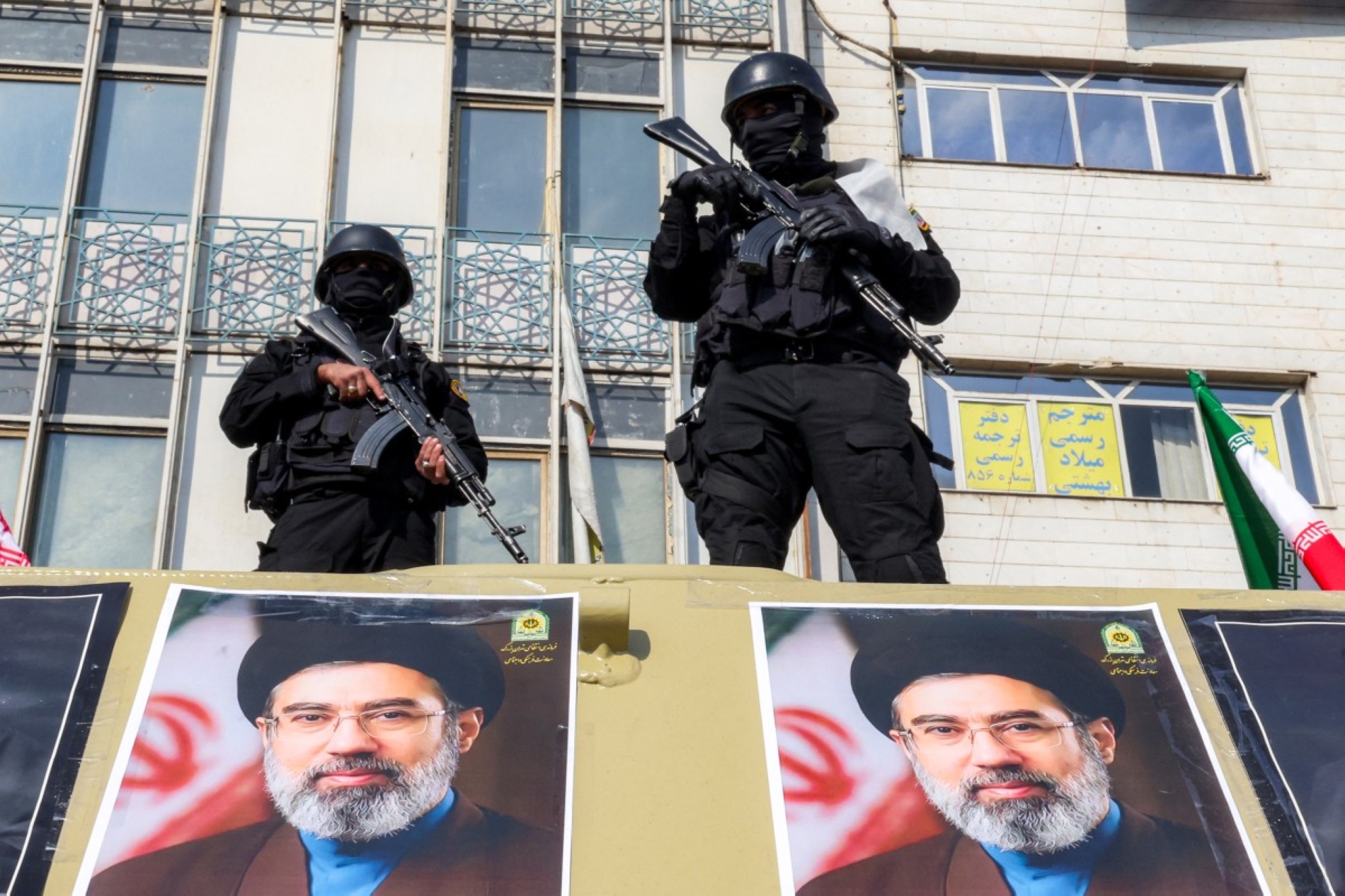
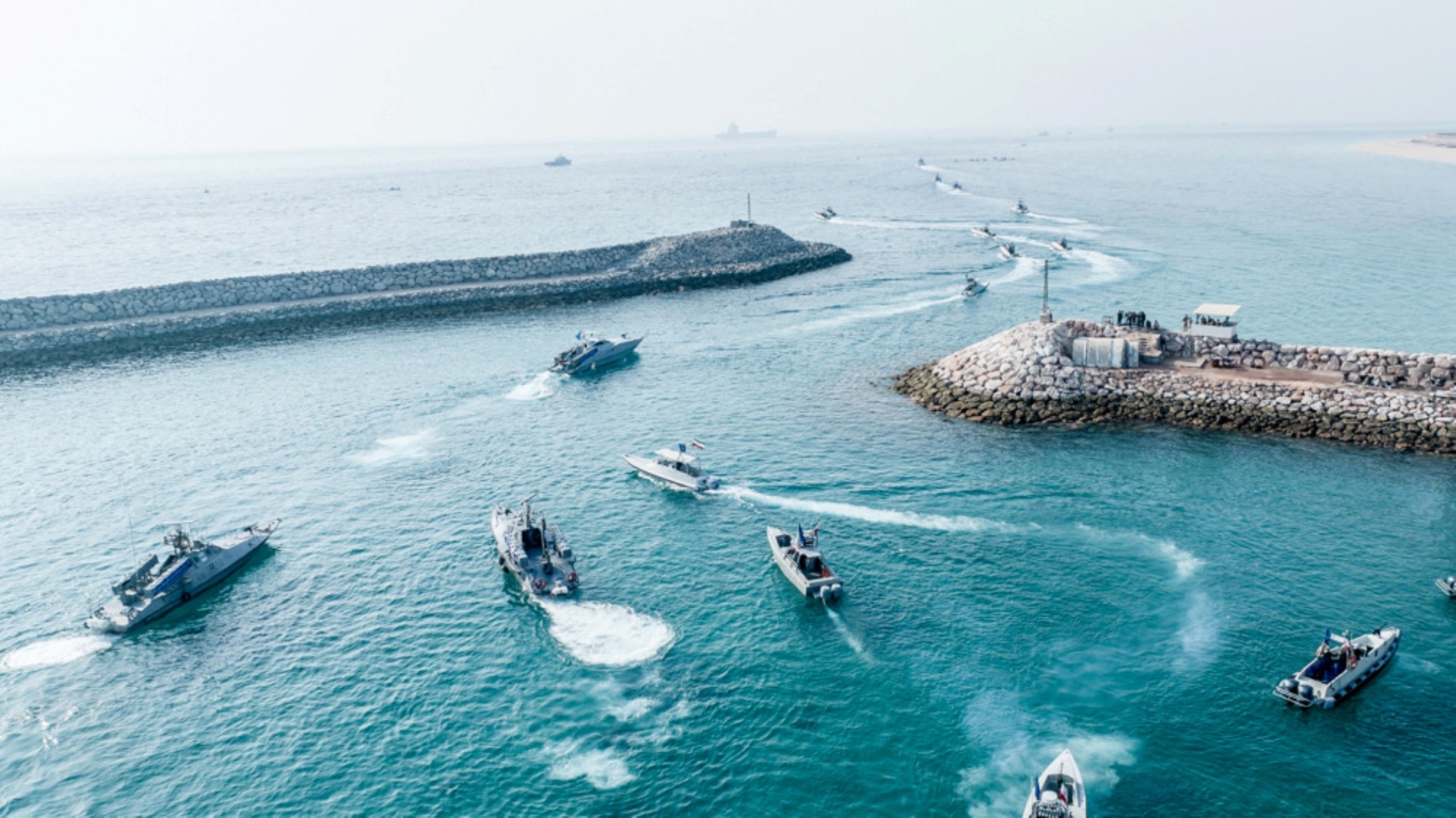
The origins of the IRGC illustrate this logic. Established in March 1979, just weeks after the revolution, the Guards were created explicitly to protect the new political order against both internal and external adversaries. Over the decades, it evolved from an ideological militia into one of the most powerful institutions in the country, commanding major military capabilities while expanding its reach into the economy, intelligence services, and regional policy.
A show of resilience
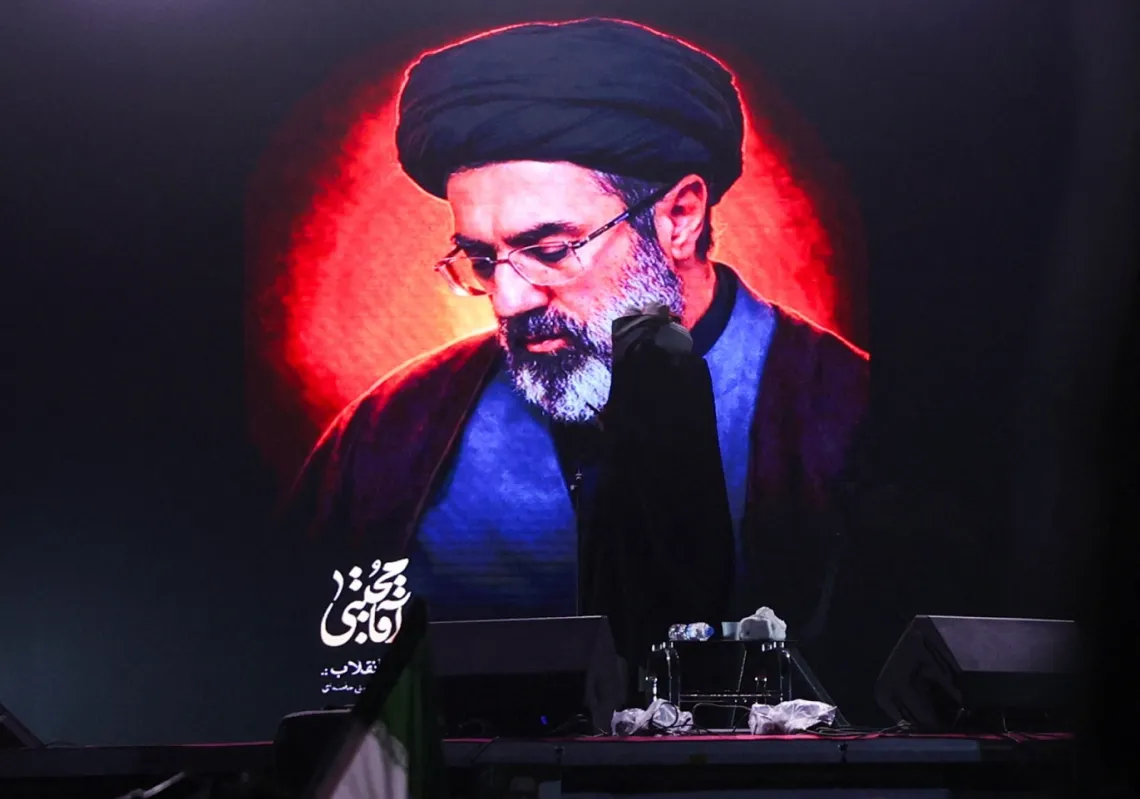
So far, the death of Khamenei, the establishment of an interim structure, and the emergence this week of a successor (his son) illustrate the system’s resilience. Iran’s constitution includes mechanisms designed to prevent a power vacuum, including an interim leadership structure and the role of the Assembly of Experts in selecting a new supreme leader.
More importantly, real authority in matters of national security lies with institutions that remain intact even during leadership disruption. The IRGC, the Supreme National Security Council, the recently created Defence Council, and the intelligence services together form the backbone of the state’s planning capacity and coercive power. This institutional design complicates predictions of sudden regime collapse.