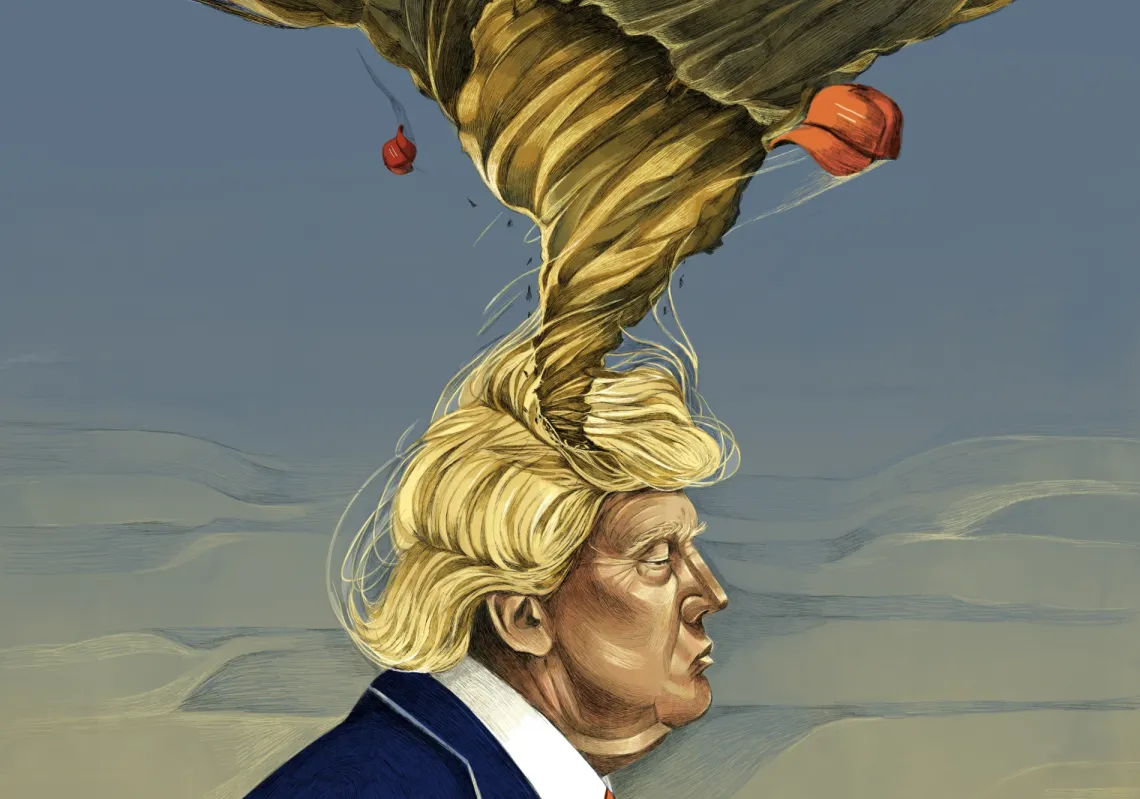
From Gaza to Lebanon and Syria, this is the story of a year of tumult and surprise which has reshaped the region and echoed through global affairs. And Trump's return means more uncertainty ahead.
In an interview with Al Majalla, the head of the Syrian Center for Media and Freedom of Expression says that accountability is key to ensuring peaceful coexistence in a country torn apart by war
There is a huge misconception that Syria's Alawite community was a major benefactor of the Assad regime. But nothing is further from the truth. Al Majalla explains.
Key regional powers—Türkiye, Egypt, Iran—do not see eye to eye over what transpired in Syria. One emerges as a winner, the other a loser, and Syria's new Islamist-leaning leaders unsettle the third.
War caused its GDP to fall by 86%, leaving 69% of Syrians impoverished. Regime change brings hope for an economy once one of the Middle East's strongest. This is its story and a look ahead.
While Syria's new leader has, so far, managed to blur the lines between political Islam and secularism, the ability of his government to withstand pressures will be put to the test
The Syrian civil war has left its economy in ruins. In addition to GDP shrinking by more than 90% between 2010 and 2024, the population remains trapped in deprivation, with 69% of the population…
Joyous at Iran's lost influence in Syria, Israel could have celebrated with Syrians after Assad's ouster. Instead, it rained bombs down, occupied land, and destroyed Syrian assets. Why? Ask Netanyahu
Using information from well-placed sources both in Syria and outside, Al Majalla pieces together events in those 11 momentous days that toppled Bashar al-Assad's regime, shaking Syria and the region
In an interview with Al Majalla, the prominent French jurist discusses Israeli and Western duplicity, their violation of international law, and why Israel bears the cost of Gaza's reconstruction
Tehran's elite have few friends, but regional states fear the consequences of a disorderly transition. If Iran's 92 million people turn on one another, it could cause millions to flee abroad.
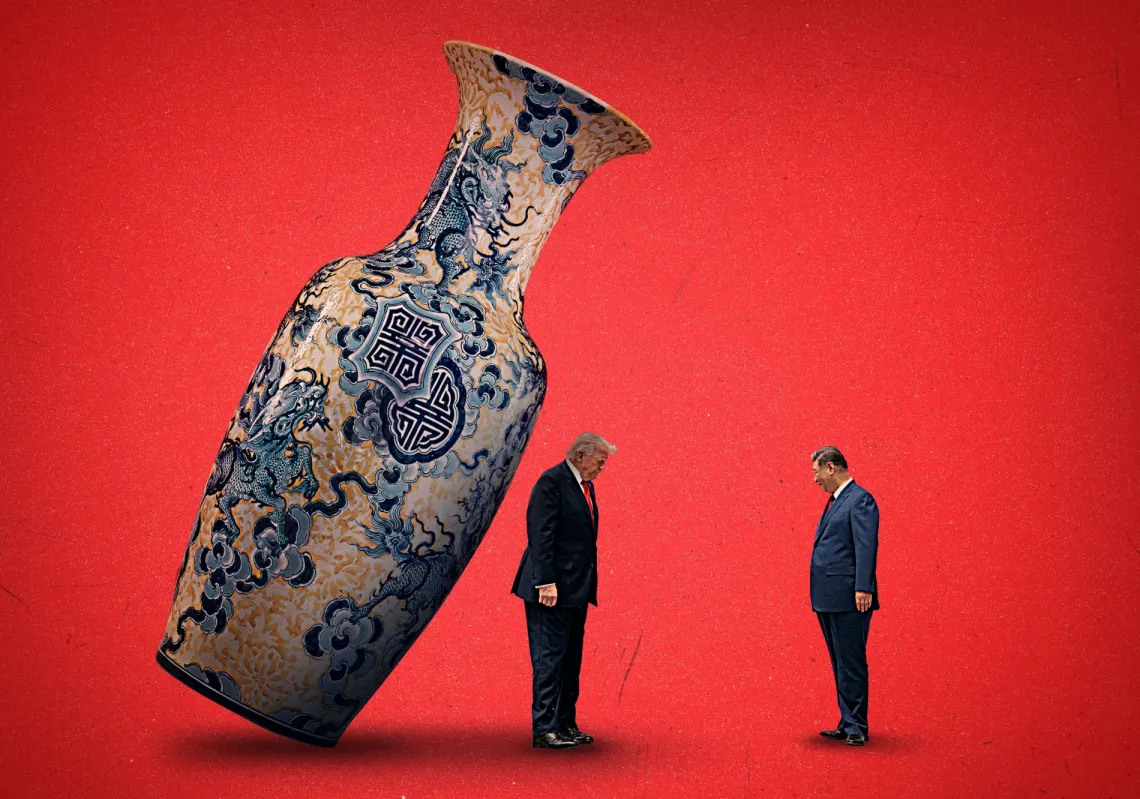
Going forward, the international community needs to reduce dependence on the US without upsetting the world's largest military and economic power. It will be a shaky tightrope to walk.
Scrapping foreign ownership caps and qualifying criteria will bring in more capital, with markets reacting positively to the latest reforms that build towards a more open country