China’s grand strategy reaches a critical juncture
This could be a decisive year for Beijing as long-running strategies collide with harsher geopolitical realities. The outcomes will shape global power balances well beyond 2026.
Gregori Saavedra
China’s grand strategy reaches a critical juncture
As 2026 begins, China stands at a decade-long inflection point. Beijing’s leadership faces mounting pressure to demonstrate that its state-directed model can withstand intensifying external pressure while delivering its domestic stability agenda.
For observers of China’s grand strategy, 2026 is shaping up as a year when several long-developing trends reach critical junctures, from the implementation of the 15th Five-Year Plan to an escalating US-China industrial war and the evolution of Beijing’s diplomacy across the Global South. These dynamics are set to make 2026 one of the most turbulent—and potentially defining—years for global geopolitics in a decade.
The first full year of China’s 15th Five-Year Plan will reveal whether Beijing can deliver its dual mandate of upgrading technological self-sufficiency and re-engineering a demand-driven domestic economy. The plan’s emphasis on indigenous innovation in semiconductors, artificial intelligence, quantum computing, and space exploration represents China’s most comprehensive attempt yet to insulate its economy from Western technological controls.
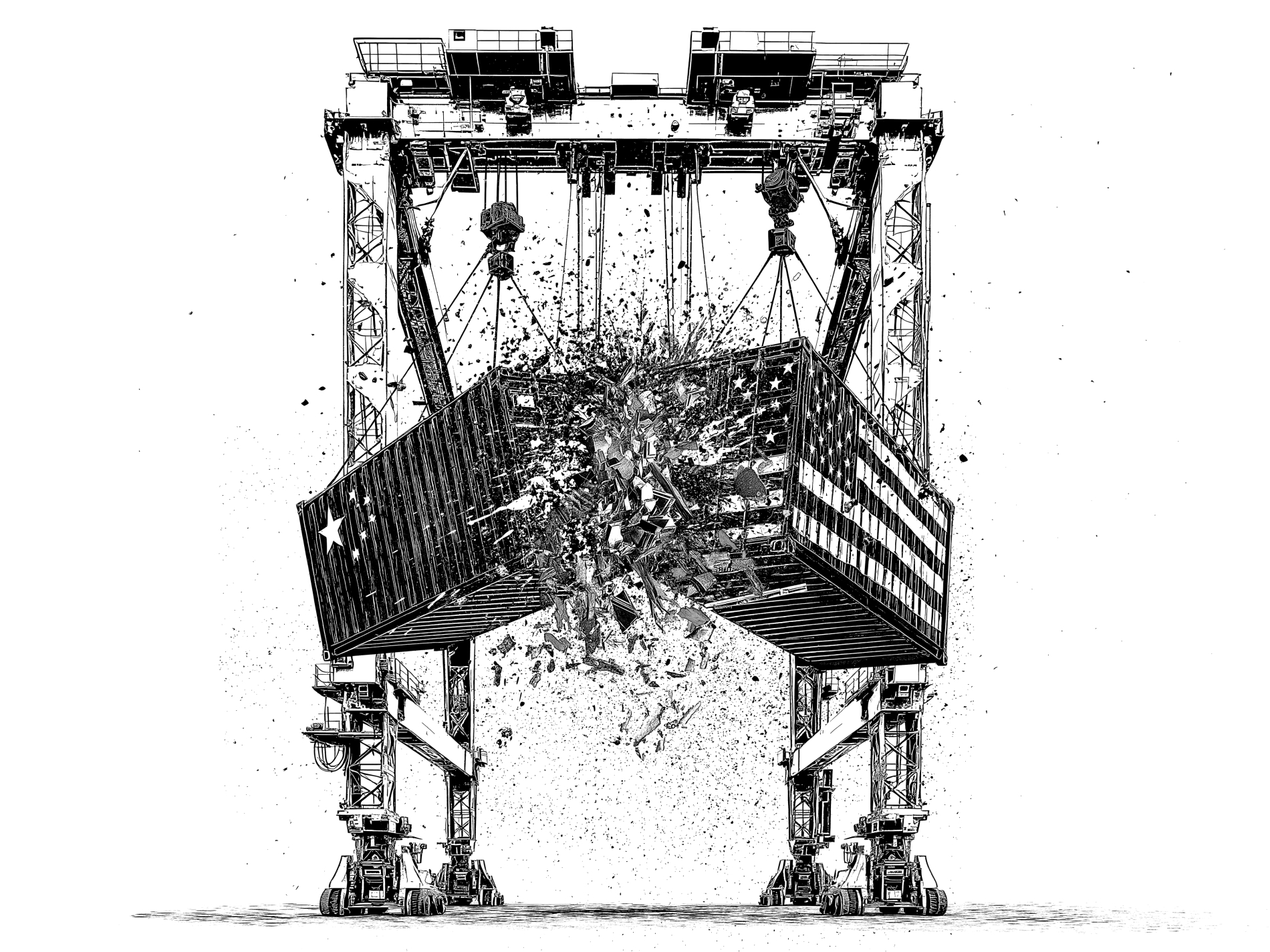
Behind the recent diplomatic manoeuvring and conciliatory pronouncements, China’s most consequential moves in 2026 will unfold in semiconductor fabs, robot and drone factories, and rocket launch bases. Beijing is gearing up for prolonged economic confrontation through a new decade of industrial policy—centred on so-called ‘new quality productive forces’—on a scale unprecedented in the world’s peacetime.
Boldest bid
Through subsidies, procurement mandates, and export restrictions, China is pursuing its boldest bid for technological self-reliance since the Cold War. The Big Fund Phase III, formally the National Integrated Circuit Industry Investment Fund, has mobilised over $47bn for semiconductor development—a sum rivalling the US Chips and Sciences Act. Unlike earlier phases, which spread investments broadly across the chip ecosystem, Phase III concentrates resources on the most acute bottlenecks—lithography machines, electronic design automation software, and advanced packaging technologies that can compensate for China’s inability to produce cutting-edge chips below seven nanometres.
This capital push aims to overcome fundamental physics and engineering constraints that are hindering China’s semiconductor industry. While Dutch multinational ASML’s extreme ultraviolet lithography (EUV) machines remain beyond China’s reach, a government-backed ‘Manhattan Project’ in Shenzhen has produced a working EUV prototype, with commercial AI chip production targeted for 2028.
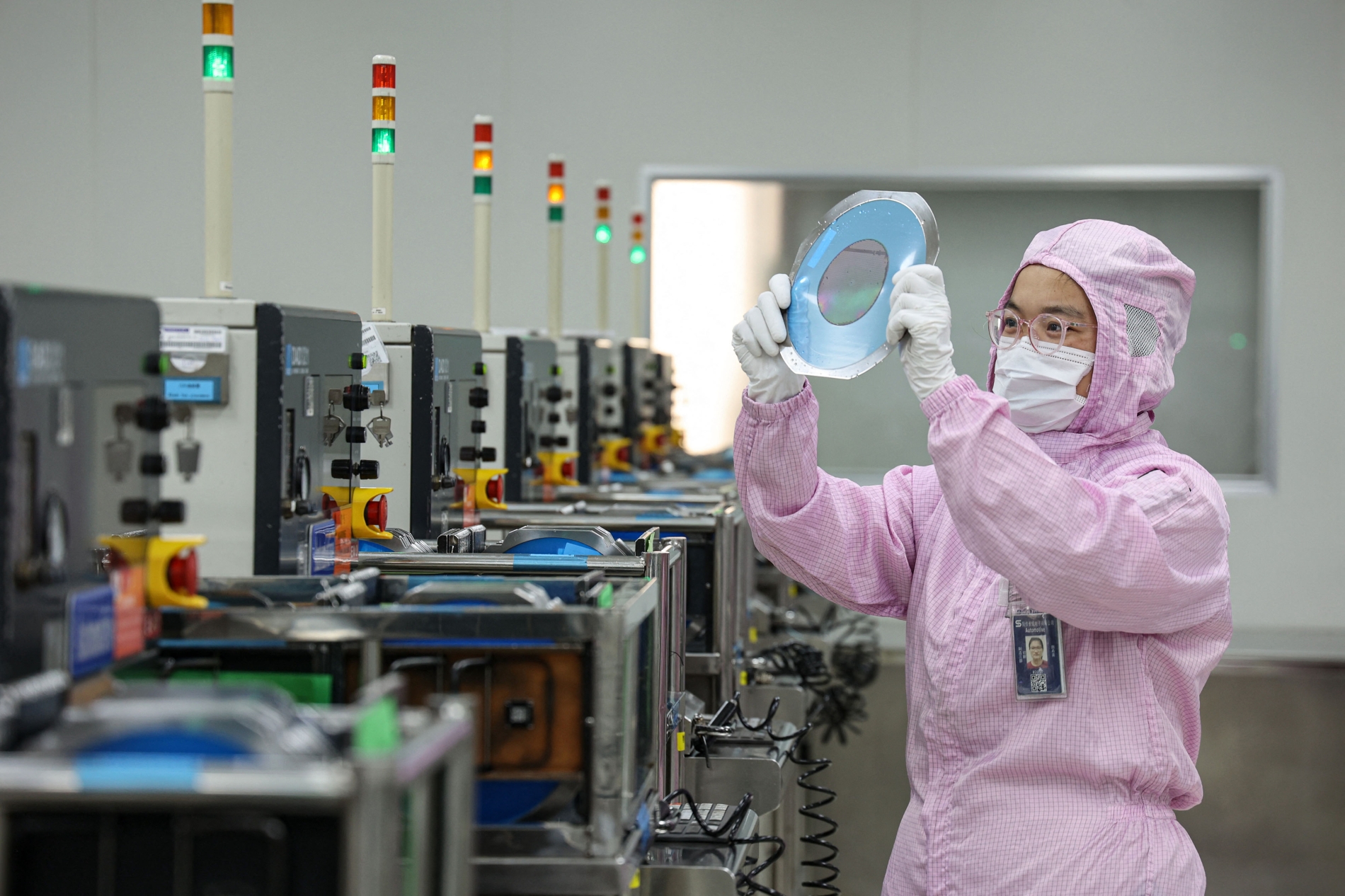
This photo taken on December 25, 2024 shows an employee producing semiconductor chips for export at a factory in Binzhou, in eastern China's Shandong province.
Success in 2026 will not be measured by whether China’s chip sophistication matches TSMC (Taiwan Semiconductor Manufacturing Company) or Samsung, but whether it can establish a viable catch-up trajectory that further reduces dependence enough to withstand tightening export controls over time.
More immediately consequential is Beijing’s procurement mandate requiring semiconductor manufacturers to source at least 50% of their equipment for new chip production from domestic suppliers. This policy, quietly implemented in late 2025, forces Chinese chipmakers into a trade-off: comply with government directives and accept lower yields and quality, or defy Beijing’s orders and risk losing access to state subsidies and financing. It also creates immediate opportunities for Chinese equipment makers like NAURA and AMEC, which will see captive demand regardless of whether their products match foreign alternatives in performance.
Critical minerals card
Beijing’s willingness to weaponise its dominance of critical mineral supply chains was laid bare in December 2024 when it announced export restrictions on gallium and germanium, metals essential for semiconductor and defence applications. In early 2025, China expanded controls to rare earth magnets, straining supply chains across sectors from consumer electronics to missile guidance systems. On 1 January, Beijing tightened the screws further with new licensing requirements for silver exports, striking at the core of global electronics, aerospace, and medical equipment production while it still holds leverage.
These are demonstrations of power, not bluff. China controls roughly 90% of global rare earth processing capacity, while decades of environmental damage have made Western countries reluctant to restart large-scale mining. The silver market is more diversified, but China remains the world’s largest producer—capable of triggering supply shocks felt across commodity markets.
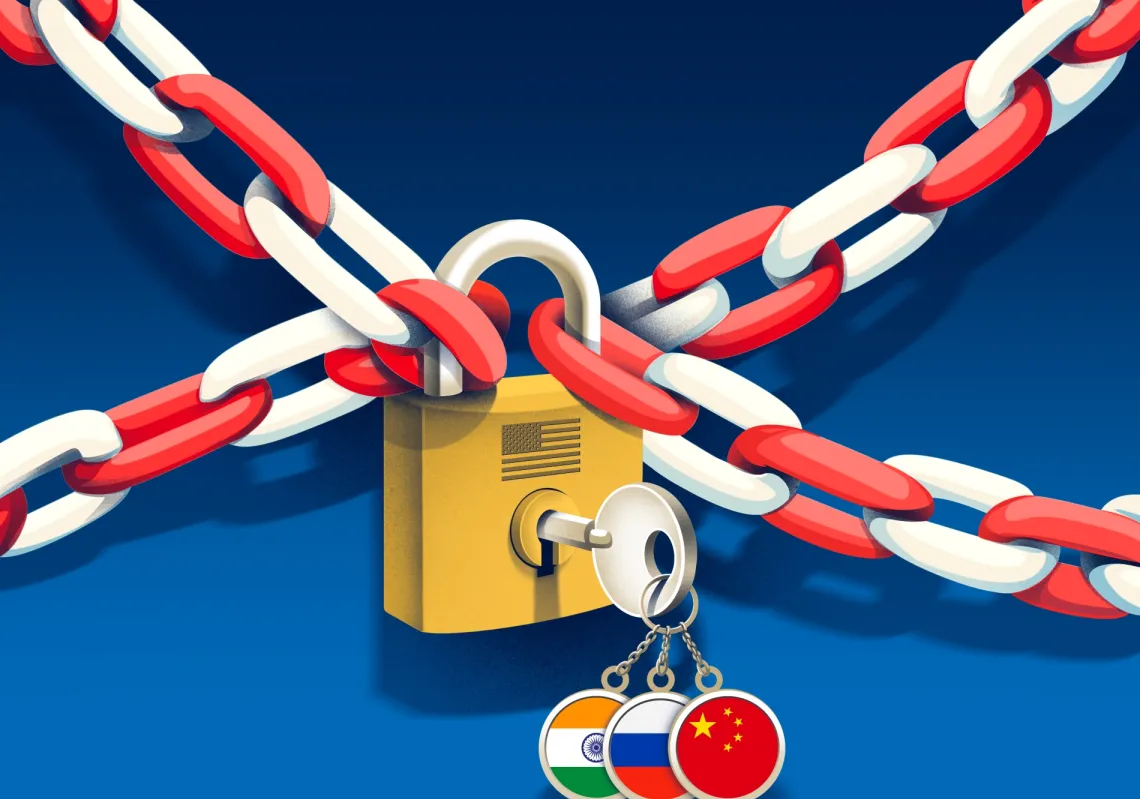
The strategy linking these moves is clear: China is constructing parallel technological and industrial systems designed to operate without Western inputs while exploiting Western dependence on Chinese materials.
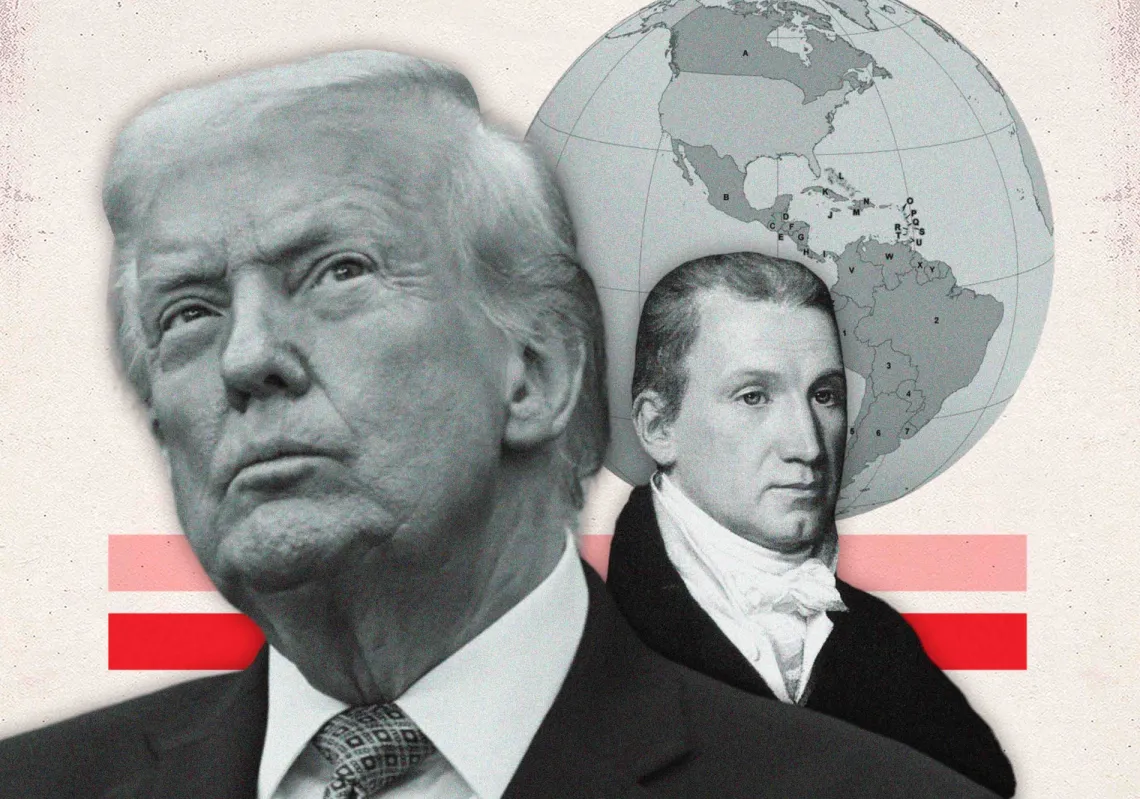
The Monroe Doctrine's resurfacing is the clearest sign of the deprioritisation of Asia-Pacific security commitments since the Cold War
It is a deliberately patient strategy, but 2026 is when the plan will either prove viable or expose its limits. If Chinese semiconductor fabs can deliver acceptable yields using mostly domestic equipment—and if export restrictions force adjustments in Western defence procurement—Beijing's model will have proven effective. If not, the costs of this industrial reorganisation—misallocated capital, subsidised inefficiency, and retaliatory trade losses—could overwhelm even China's state-directed economy.
For Western policymakers, there are no cheap options left. The window for action narrows with each new Chinese fab and every mandate enforcing domestic sourcing. The industrial war is already underway, and neither China nor the West holds a winning hand.
De-dollarisation push
China's push to reduce dependence on the dollar is emerging as the most consequential element of its economic statecraft. Unlike export restrictions on critical minerals, which cause instant supply disruptions, de-dollarisation unfolds over decades—but its eventual impact on US power could prove deeper and longer-lasting.
Beijing is not seeking to replace the dollar outright—a goal both unrealistic and unnecessarily provocative. Instead, it is systematically building a parallel financial infrastructure, allowing countries to trade, invest, and hold reserves outside Washington's reach.
China's heavy gold buying through 2025 illustrates the strategy. Gold's share of foreign reserves climbed from 5.5% in December 2024 to 8.3% in November 2025. With the global average around 15%, Beijing still has room to expand holdings in 2026, regardless of price swings.
The centrepiece is the Cross-Border Interbank Payment System (CIPS), China's alternative to SWIFT. Complementing it, Project mBridge, a joint central-bank digital currency (CBDC) platform involving China, Thailand, the UAE, Hong Kong, and Saudi Arabia, aims to enable near-instant cross-border payments at a fraction of SWIFT's cost. Together, these systems could bypass Western financial networks entirely, shielding China from sanctions and offering partners a viable alternative to the dollar.
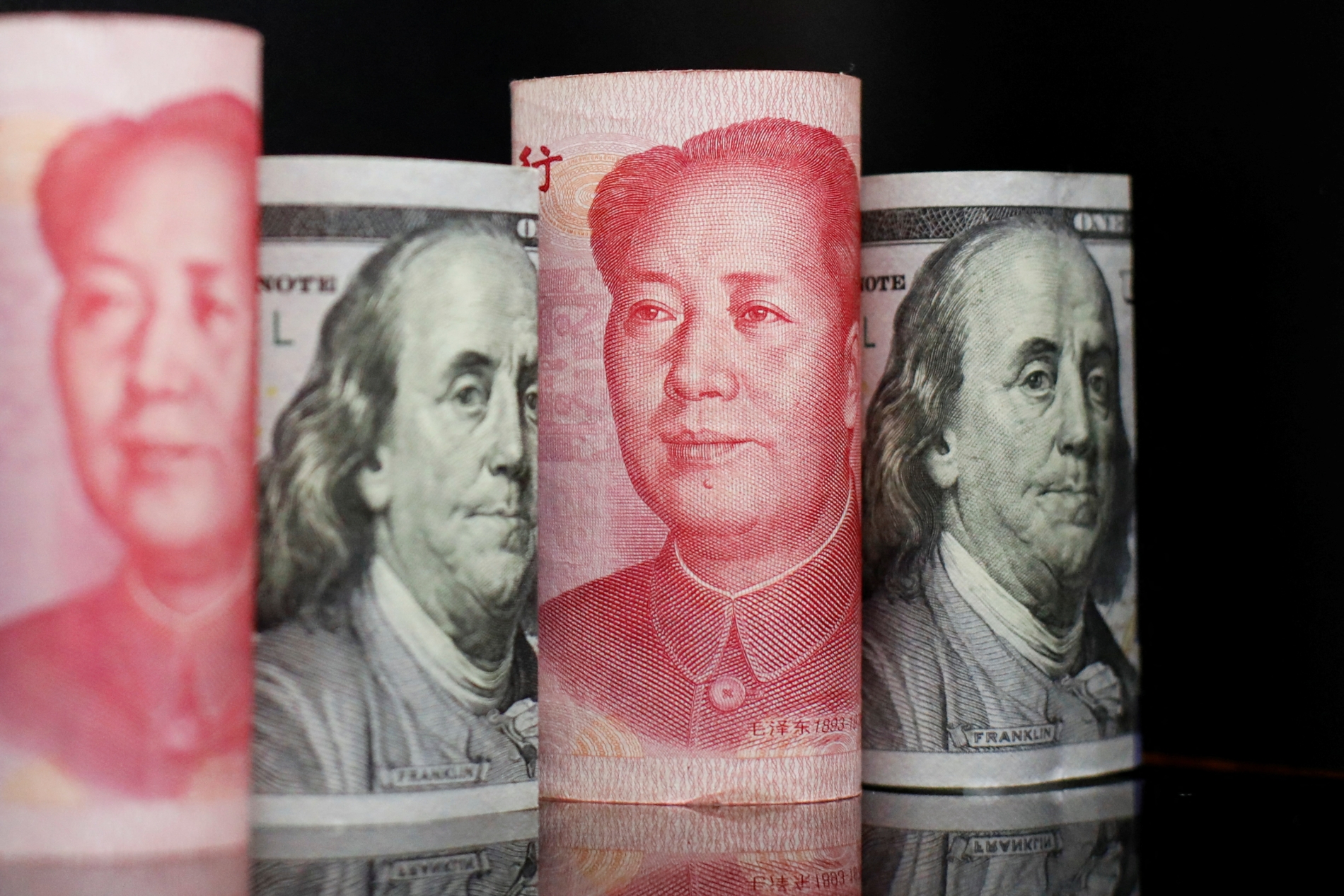
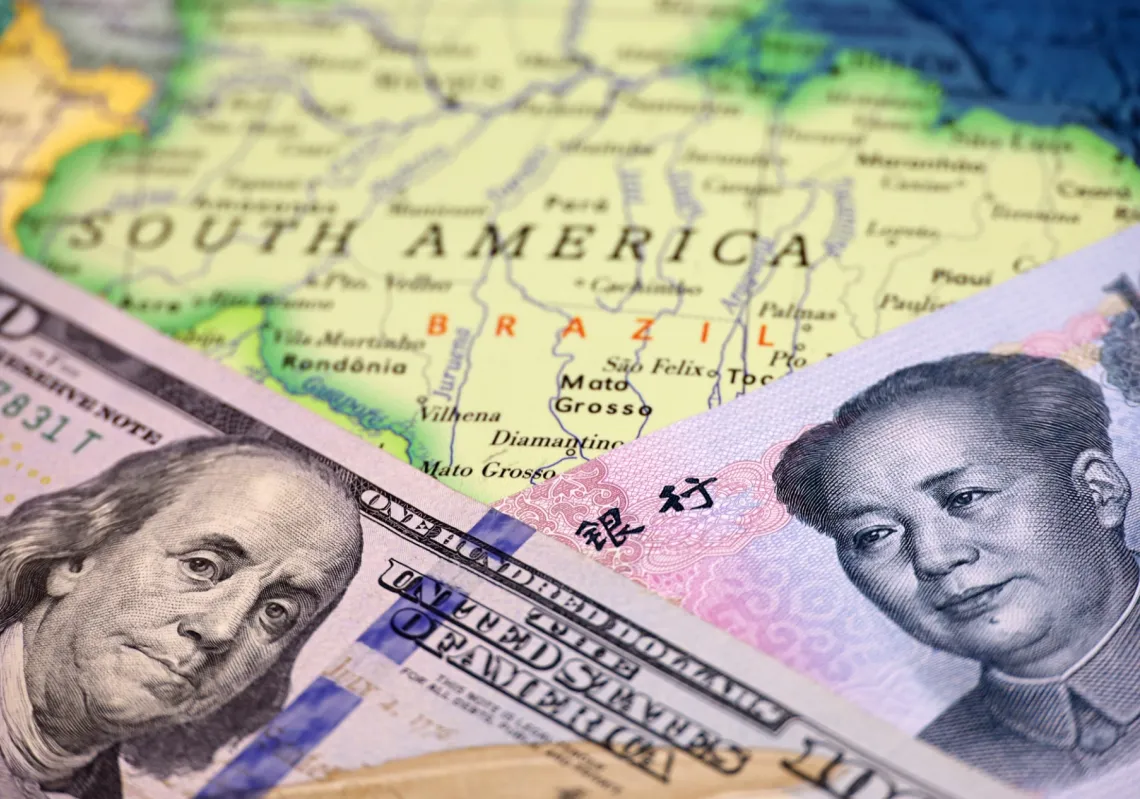
Chinese yuan and US dollar banknotes in this illustration were taken on 29 September 2022.
The petroyuan campaign strikes at the dollar's most strategic domain—energy trade. In March 2023, China National Offshore Oil Corporation executed the world's first cross-border liquefied natural gas deal settled in yuan (¥), with Saudi Arabia weighing similar contracts. If Gulf producers price even part of their oil in yuan, it would erode one of the core pillars of the dollar's global dominance.
BRICS leaders have stepped up monetary cooperation with the goal of launching a common currency as early as 2026, with approximately 90% of intra-bloc trade already occurring in local currencies, up from 65% in 2023. Yet this ambition faces significant headwinds. US President Donald Trump has threatened 100% tariffs on BRICS countries unless they commit to never creating a currency to replace the dollar, while Brazil and India have explicitly backed away from talk of displacing the dollar.
China has expanded the Panda bond market as another mechanism for internationalising the yuan. Hungary now leads with ¥11bn in cumulative issuance, while the African Export-Import Bank issued the first pan-African multilateral Panda bond in March 2025. Pakistan was set to debut by the end of 2025, bolstering Beijing's bid to position itself as an alternative financial centre for nations seeking cheaper capital outside Western markets.
Beijing's strategy faces formidable obstacles that temper predictions of imminent dollar displacement. The renminbi (RMB) accounted for approximately 6% of global trade finance as of 2024, with its share of global reserves below 3%. Capital controls continue to constrain the RMB's widespread use.
The most likely outcome is not a dollar collapse but gradual erosion of its dominance—a shift from a unipolar system to a multipolar order in which the yuan, euro, and dollar coexist. This would not eliminate American financial power but would blunt the impact of sanctions, raise the costs of deficit financing, and diminish the geopolitical leverage that comes with controlling the world's primary reserve currency.
China is playing a long game. Financial infrastructure creates network effects that become self-reinforcing once critical mass is reached. The dollar's dominance rests on trust, habit, and the absence of credible alternatives. Beijing is methodically addressing the third factor, and if US policymakers overuse sanctions or misread Beijing's hedging as an outright bid to dethrone the dollar, the first two may erode faster than expected.
A triple gambit over Taiwan
Trump's December 2025 National Security Strategy (NSS) signalled a fundamental reordering of US security priorities, with major implications for Taiwan—even as Washington approved its largest-ever arms package to the island. The contrast exposes the central paradox of Trump's China policy: economic confrontation divorced from military competition.
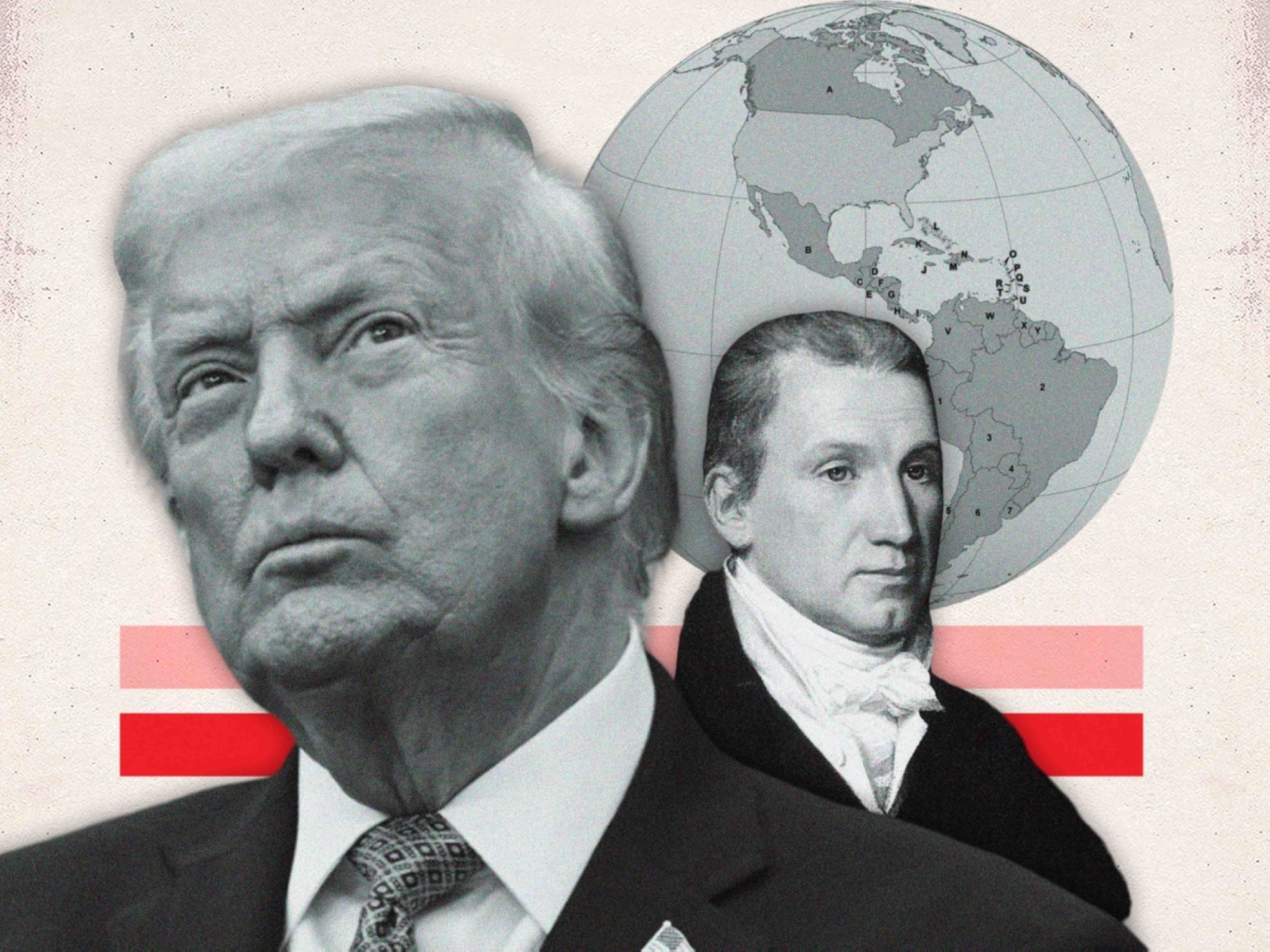
The NSS states that "after years of neglect, the United States will reassert and enforce the Monroe Doctrine to restore American preeminence in the Western Hemisphere," including "a readjustment of our global military presence to address urgent threats in our Hemisphere."
This marks the clearest de-prioritisation of Asia-Pacific security commitments by a US administration since the Cold War. The 2025 NSS defines economics as 'the ultimate stakes', recasting Washington's China posture around achieving a "mutually advantageous economic relationship" with Beijing.
At the end of 2025, China put that shift to the test with the most aggressive military exercise yet around Taiwan. Justice Mission 2025 expanded in scope and intent, marking the first time Beijing explicitly stated that drills target foreign intervention. The language underscored a dual objective—enhancing 'anti-access' and 'area denial' capabilities—to warn the US and Japan that any external assistance to Taiwan would be blocked.
Asked about the drills, Trump said, "nothing worries me," later adding that China "has been doing naval exercises for 20 years in that area." That studied nonchalance, paired with record arms sale, captures Trump's strategy: arm Taiwan heavily enough to deter Beijing while profiting the US defence industry, all under the cover strategic ambiguity reinforced by a Western Hemisphere pivot.
The balance established in late 2025 sets up a volatile 2026. Beijing now sees evidence that Trump's strategic focus has shifted, even as arms deliveries continue. The result is a dangerous window in which Beijing may doubt Washington's willingness to intervene, while Taiwan's new capabilities remain years from credible deterrence.
A Taiwanese coast guard ship (R) monitoring a Chinese coast guard ship, a few nautical miles from Taiwan's northeastern coast on 12 December 2024.
The paradox for 2026 is stark: both Beijing and Taipei are hedging against US uncertainty—but in opposite directions. China is testing how far it can push before provoking a US response, while Taiwan races to build self-defence capacity, should that response never come. The Western Hemisphere pivot magnifies miscalculation risk, making 2026 a year of heightened tension and strategic uncertainty across the Taiwan Strait.
US focus on Western Hemisphere
This emphasis on the Western Hemisphere came into sharp focus in Venezuela. The South American country was one of several developing nations where China had been filling a strategic vacuum left by the US—until 3 January, when Washington overturned that reality through military action. In 'Operation Absolute Resolve', US forces bombed Venezuelan targets, disabled Chinese-supplied air defence systems, and captured President Nicolás Maduro, ending his 13-year rule in under three hours and stunning the international community.
The strike was a major setback for China's Latin America strategy, complicating efforts to expand its regional investments. For two decades, Venezuela had served as China's flagship partner in Latin America, receiving nearly $60bn in loans—43% of Beijing's regional total.
Maduro's capture came just one day after meeting with Qiu Xiaoqi, China's special envoy for Latin American affairs, who had called China and Venezuela "long-standing strategic partners." The hollow symbolism of that exchange, followed by Maduro's swift ouster, laid bare China's core constraint: it can offer commercial guarantees—but only within a security environment ultimately under US control.
The Venezuela operation underscored the Trump administration's willingness to use force—a 'Trump Corollary' to the Monroe Doctrine—to reassert unchallenged dominance in the Western Hemisphere. China condemned the action as "deeply shocking" and a serious violation of international law, but its response is likely to stop at diplomatic protest. Beijing simply lacks the military reach to counter Washington's power on its doorstep.
While President Xi Jinping's hold on power remains firm, 2026 may offer early clues about succession—or its continued absence. Xi enters the penultimate year of his third term as Communist Party leader, and the pattern of provincial leadership appointments will signal whether he is grooming a generation of potential heirs or merely tightening control with no exit in sight.
The most extensive military purge since the Cultural Revolution unfolded through 2025. Coupled with complete opacity over succession, it has created conditions where internal politics could weigh as heavily on China's 2026 trajectory as any external challenge.
The purge's scale shattered post-Mao norms. The Fourth Plenum of the Central Committee expelled 14 members and alternate members, including nine generals, leaving the Central Military Commission hollowed out. Political turbulence and uncertainty over policy continuity are now likely to dominate 2026, ahead of China's semi-decadal leadership reshuffle in 2027.
In the near term, China's external behaviour will increasingly mirror its internal political imperatives. Heightened military pressure on Taiwan serves both strategic and domestic needs, allowing Xi to project strength amid succession uncertainty. Economic management will favour stability over reform, as Xi cannot risk disruption while balancing internal politics and global friction. The anti-corruption drive will keep widening, driven less by governance reform than by Xi's demand for absolute loyalty.
Each year without succession clarity raises the odds that China's eventual leadership transition will be chaotic—a scenario with profound implications for global stability
Each year without succession clarity raises the odds that China's eventual leadership transition will be chaotic—a scenario with profound implications for global stability.
The deeper concern is institutional resilience. Xi has dismantled collective leadership norms, concentrating power in ways that strain the system's capacity to respond to crisis. Should economic headwinds deepen or a major geopolitical shock occur, the over-centralisation of authority could become a critical vulnerability.
What is certain is that the external environment will harden, domestic structural challenges will intensify, and the political centre of gravity will narrow further around Xi himself.
For observers, 2026 warrants close attention to granular indicators—new diplomatic initiatives, provincial promotions, industrial policy moves—that will reveal whether Beijing can sustain its global ambitions or overstretch its capacity. Those signals will shape not only China's economic and political future but the global distribution of power for years to come.