Saudi Arabia loosens restrictions on foreign investors

Scrapping foreign ownership caps and qualifying criteria will bring in more capital, with markets reacting positively to the latest reforms that build towards a more open country

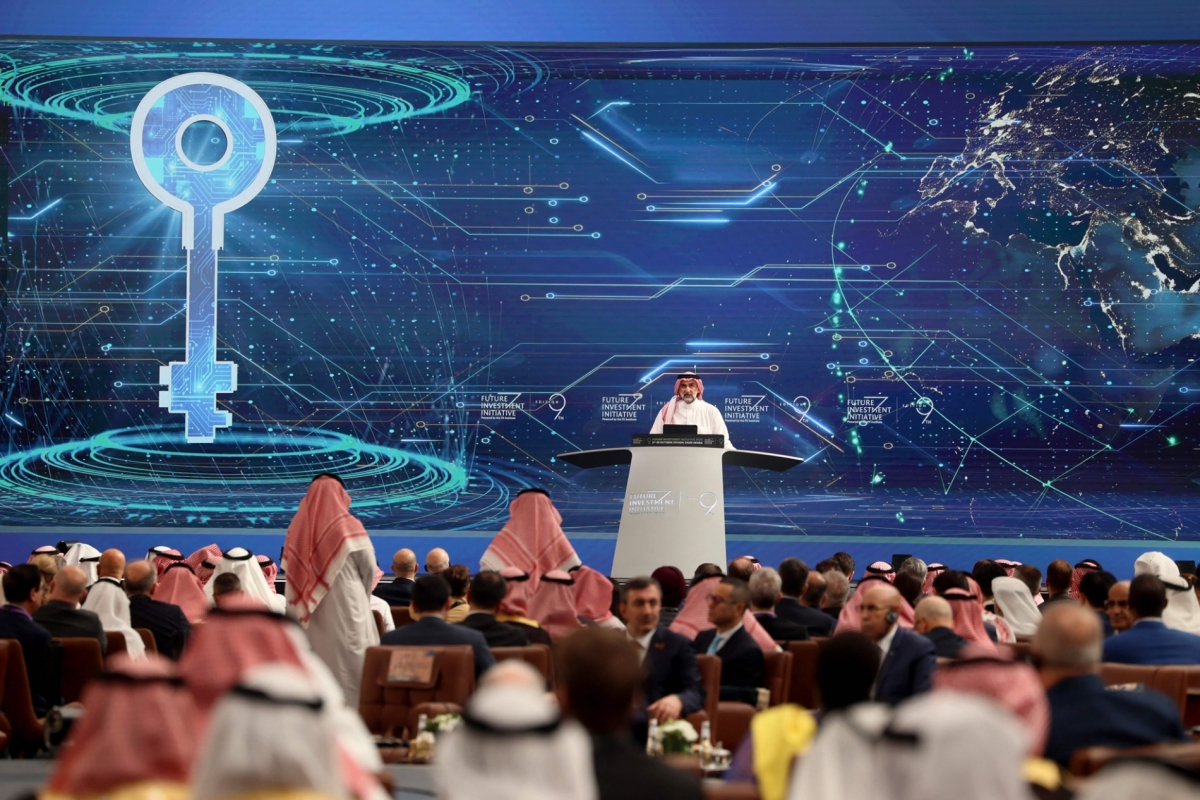
Yasser Al-Rumayyan, Governor of the Public Investment Fund, delivers a speech during the third edition of the Future Investment Initiative, in Riyadh on 28 October 2025.
AFP
Yasser Al-Rumayyan, Governor of the Public Investment Fund, delivers a speech during the third edition of the Future Investment Initiative, in Riyadh on 28 October 2025.

Saudi Arabia loosens restrictions on foreign investors

Saudi Arabia has removed more restrictions on non-resident portfolio investors, with analysts expecting the next stage to be lifting foreign ownership limits for listed companies. It comes after the Saudi Capital Market Authority (CMA) last week announced the opening of the market to all categories of foreign investors, enabling them to invest directly as of 1 February 2026. This eliminates the Qualified Foreign Investor designation and the need to meet qualification requirements.

It also eliminates the regulatory framework governing swap agreements, which were used to enable non-resident foreign investors to obtain economic benefits only from listed securities, and allows direct investment in shares listed on the Main Market.

The amendments will make Saudi equities accessible to a greater number of investors and are “expected to contribute to attracting additional international investments,” the CMA said. Saudi Arabia’s plan to end foreign ownership limits in the $2.3tn market is meant to serve the same purpose, yet more sustainably and on a wider scale. The CMA has yet to decide whether to remove the cap gradually or all at once. Either way, it seems all but inevitable.

Foreigners are currently permitted to hold up to 49% of a listed company in Saudi Arabia. Removing this limit, potentially this year, will allow them to hold majority stakes for the first time. The Saudi market reacted positively when the move was first reported by Bloomberg in September. “It will certainly make the Saudi market more attractive to investors,” said Tim Callen, a visiting scholar at the Arab Gulf States Institute in Washington, speaking to Al Majalla.

A ramp-up in initial public offerings (IPOs) is among the expected ramifications. Saudi Arabia’s main market saw 13 IPOs in 2025 and 14 in 2024. “More investors and more liquidity may make it more attractive for business owners to pursue IPOs,” said Callen, a former IMF mission chief for Saudi Arabia.

Pressure and fears

The move is set to boost not only the Saudi stock market but also the Vision 2030, which aims to diversify the economy away from oil. The 2025 budget deficit is estimated at 5.3%, a financing gap widened by significant spending on tourism, entertainment, and large-scale infrastructure projects under the national plan.
WAS
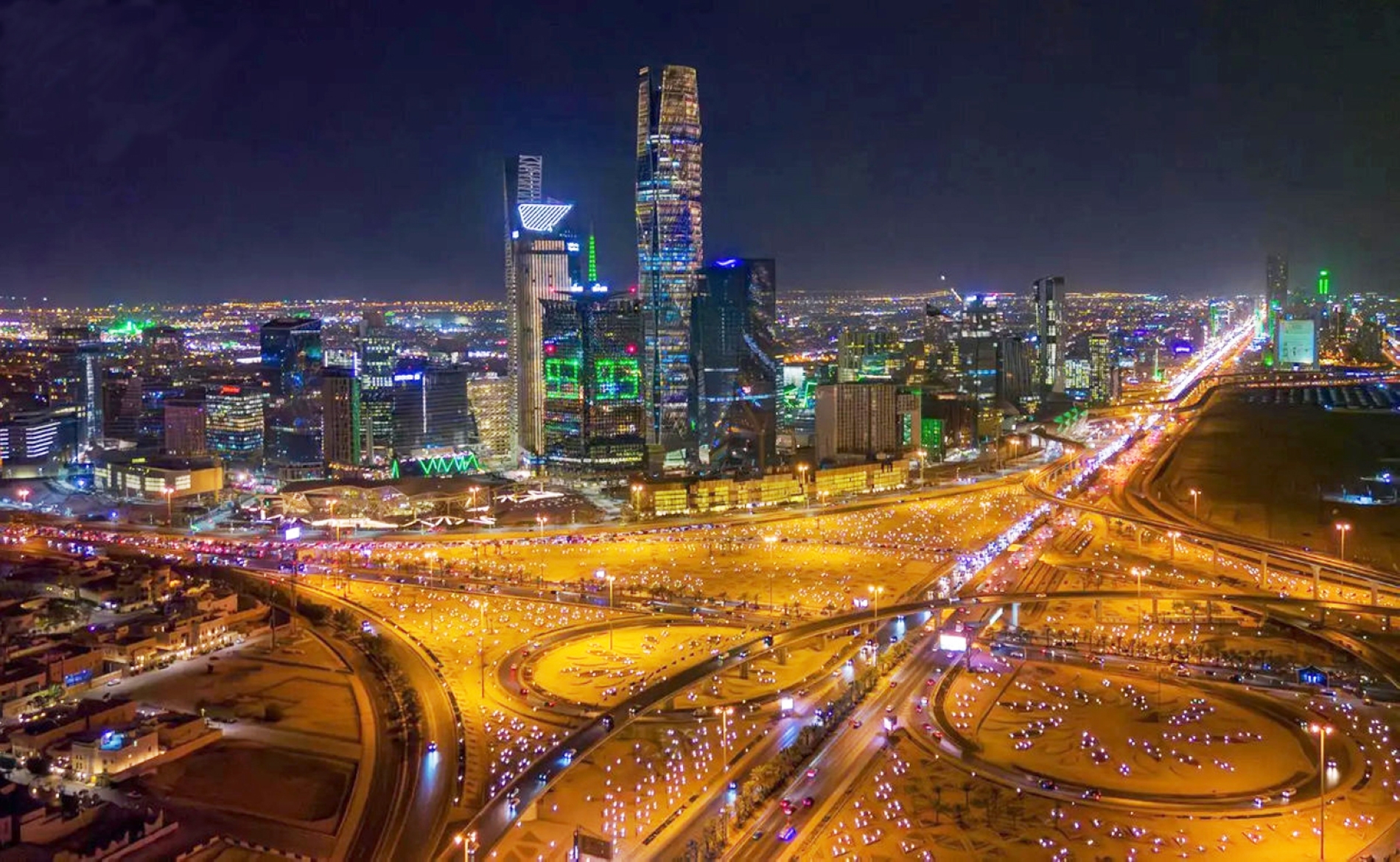
Riyadh skyline

Alongside regional geopolitical tensions and recent production increases by oil-producing nations, the effective US takeover of Venezuela’s oil wealth will likely keep prices low for longer, which will not help the Saudi budget. The influx of foreign capital into Saudi Arabia could help offset low oil prices, which have mostly traded below $70 a barrel since the second half of 2025.
The latest reforms let foreign investors invest directly and eliminates the need to meet qualification requirements

However, fears over the removal of the ownership cap might fuel caution. "The downsides are that you may lose domestic control of some companies and the market will become more reliant on foreign capital, which may be more volatile than domestic capital," Callen said. Foreign holdings in the Saudi capital market hit $157.3bn by the end of the third quarter of 2025, with around 88% of the investments in Tadawul (the Saudi Stock Exchange), according to official figures.

Removing ownership limits is intended to make the bourse more appealing to global investors, given competition from other Gulf markets that offer incentives to attract foreign capital. Saudi Arabia's Crown Prince Mohammed bin Salman has sought to establish the country as a global business hub with a potent technology sector.

Reuters
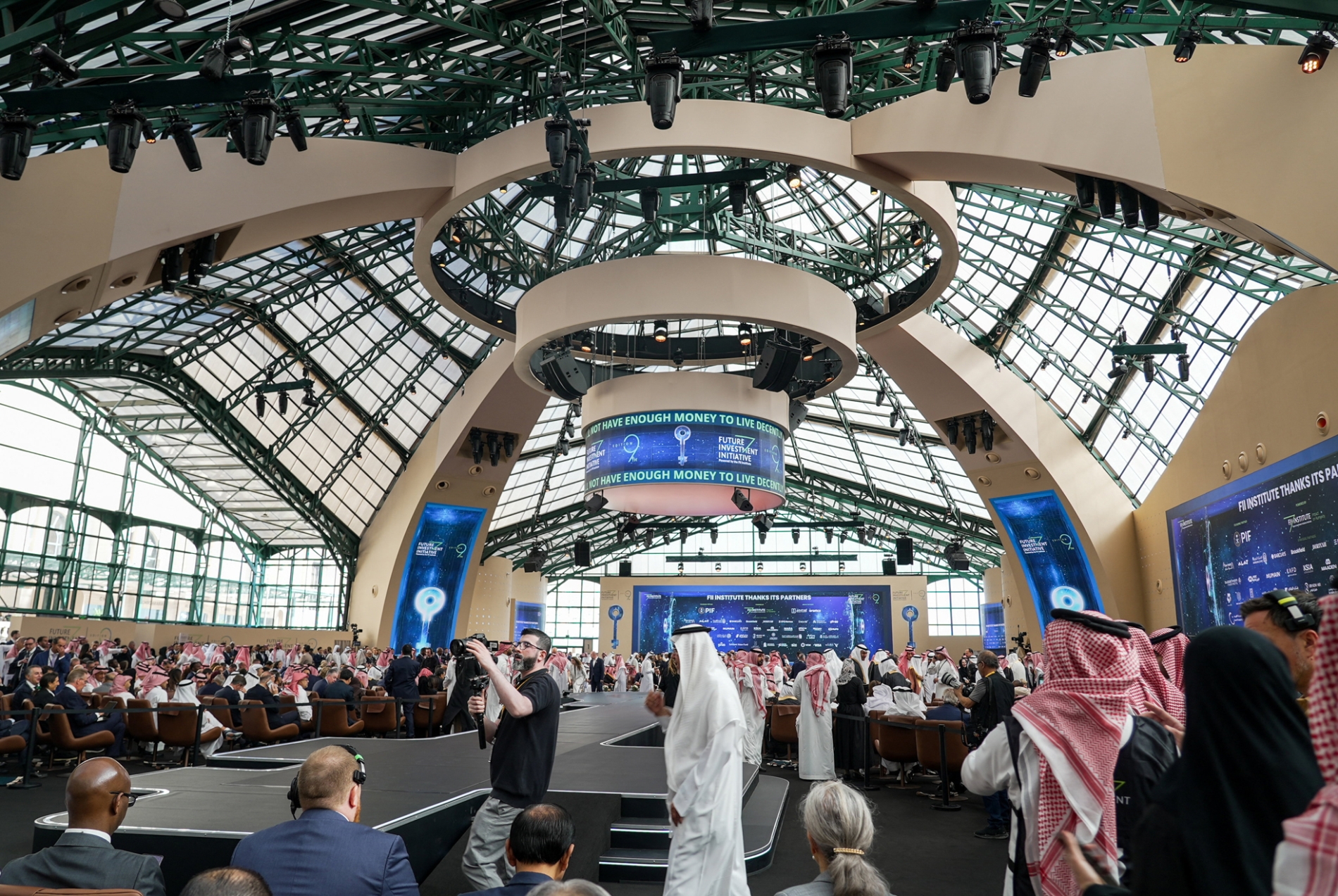
The ninth edition of the "Future Investment Initiative" forum in Riyadh, on 28 October 2025.

Planning for growth

As the economy opens, population growth is driving changes in planning and accommodation. By 2030, Saudi Arabia's population could reach up to 60 million, with non-nationals accounting for half. The population was 35.3 million in 2024, with foreigners comprising more than a third. In September, Bin Salman froze both commercial and residential rents in Riyadh for the next five years, amidst alarm about property prices.  

In July, the world's largest commercial real estate services and investment firm CBRE Group Inc said: "The residential real estate market in Riyadh is experiencing robust demand, particularly for land sales." It cited "significant private and public sector investment and new project launches aiming to address the substantial housing supply gap".

Around 60,000 homes are due to be built in the next two years, according to the company. Social reforms were also introduced to ensure multiculturalism and pave the way for Riyadh and other Saudi cities to become more cosmopolitan in the coming years. The additional housing runs alongside the CMA, gradually opening the market to foreign capital and Saudi technology firms competing to attract top talent. For investors and others, the signs are promising.

font change