
For decades, mystery and thriller novels were routinely dismissed across the Arab world as vapid entertainment—works designed to distract rather than to illuminate. In recent years, however, a growing number of Arab novelists have challenged this view, reclaiming the genre as a serious literary form and transforming suspense into a narrative tool for probing the societies they inhabit and the histories that shape them.
Rather than discarding the genre’s traditional elements, these writers refine them. Cryptic crimes, hidden manuscripts, unexplained disappearances, and investigations that spiral far beyond their apparent starting points remain central motifs.
At the same time, within this shared architecture, each novelist constructs a distinct fictional world shaped by local history, political memory, and social anxiety. The result is a body of work that uses suspense not as an end in itself, but as a means of reading society.
This ongoing transformation is evident in recent examples from Morocco, Egypt, and Iraq, which illustrate how writers are redefining the genre’s possibilities.
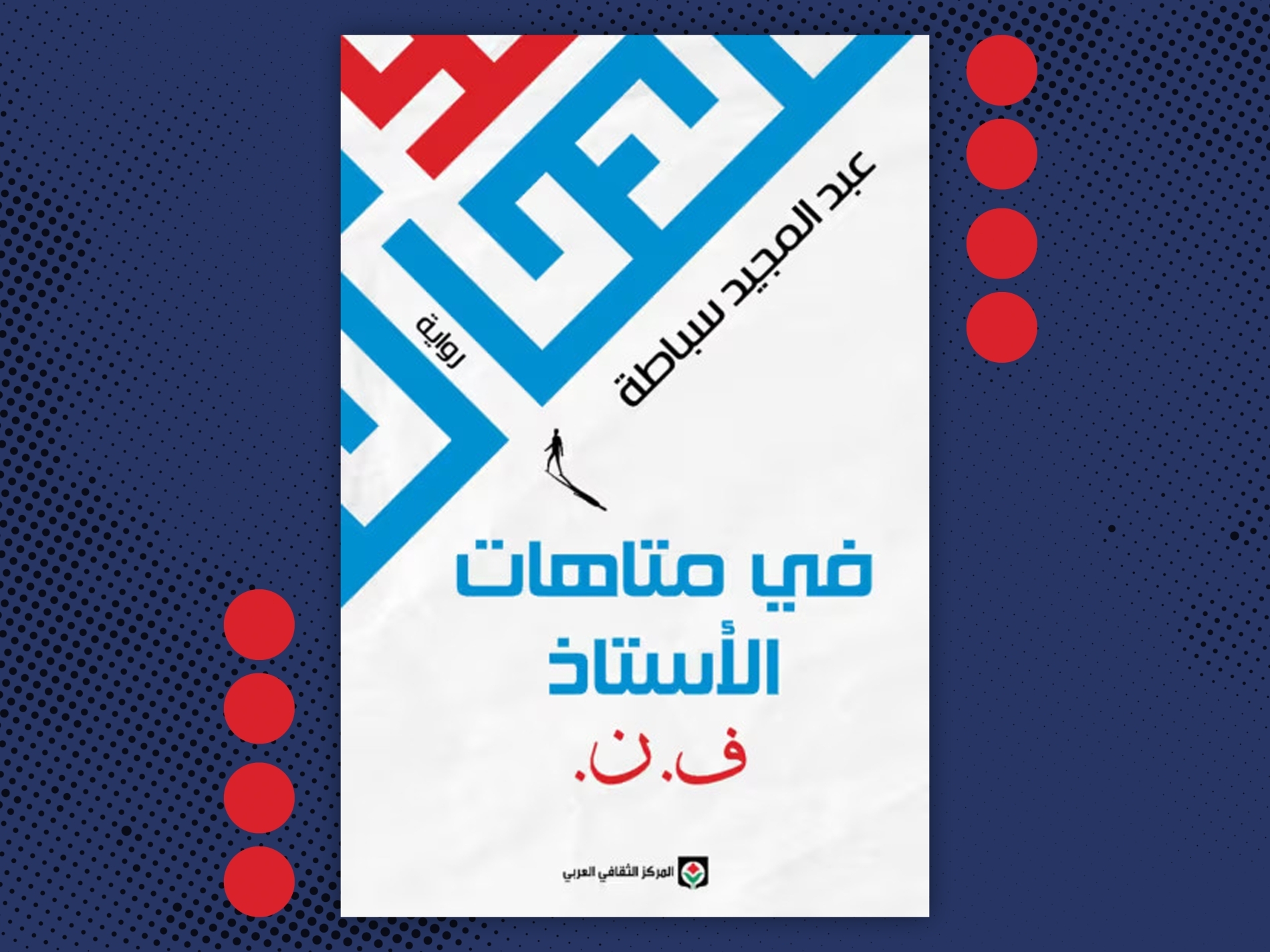
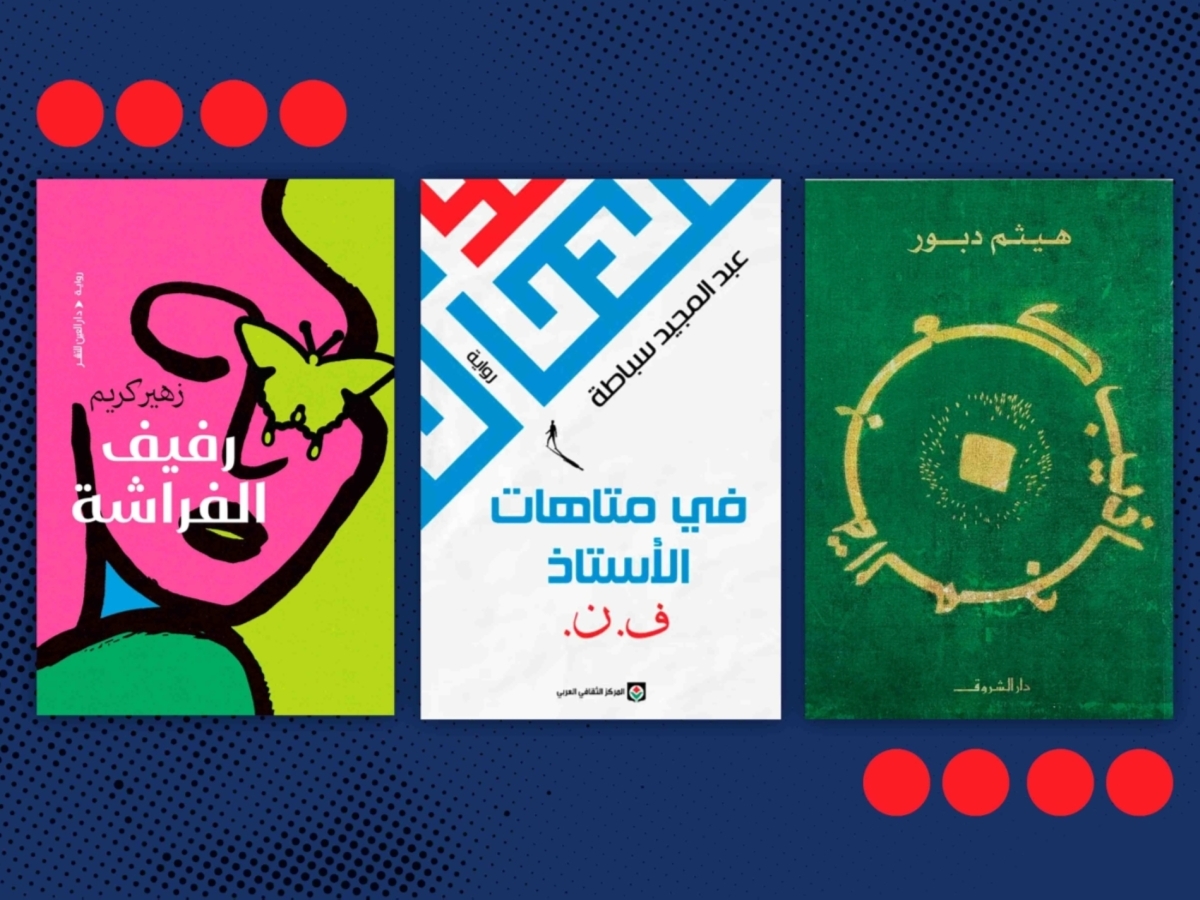
In the Labyrinths of Professor F. N.
Abdelmajid Sebbata’s Moroccan novel, In the Labyrinths of Professor F. N., opens with a suicide and an allegation of sexual harassment. The investigation that follows, however, quickly extends beyond the immediate scandal, drawing the reader into overlapping layers of history, memory, and power.
Sebbata moves fluidly between the near and distant past—between a professor weighed down by an unspoken intellectual legacy and a writer who believes the very act of writing may offer salvation. His narrative oscillates between the lives of ordinary citizens, restless dreamers, and a past that refuses to remain buried.
One moment, the reader is wandering through Al-Andalus; the next, they are standing among victims of the Second World War in Russia. The narrative is punctuated by military intelligence reports, forgotten manuscripts, and archival fragments—documents so coveted that their pursuit leads to theft, betrayal, and murder.
The novel unfolds as a genuine labyrinth. Across 14 chapters, Sebbata presents a mosaic of interconnected stories, each rich in detail and sustained by a steady undercurrent of suspense. What binds these disparate strands is a clever narrative device: a professor of comparative literature who steps in to replace his deceased colleague. Through his lectures, the novel engages with literary texts, using them as a prism through which the novel’s larger concerns are explored.
These lectures interrogate fundamental questions: how truth is recorded, who has the authority to preserve it, and how knowledge is shaped by the competing claims of power, academia, and the public. Sebbata also probes the moral inheritance of political struggle, asking whether later generations are capable of preserving the ethical commitments of past revolutionaries or merely trade on that legacy for status and advantage.
The novel is striking in its ambition. Sebbata deploys a range of narrative techniques, seamlessly shifting between letters, blogs, intelligence files, and first-, second-, and third-person narration. Typography is integral to the storytelling: Andalusian script marks historical manuscripts; typewritten text reproduces German intelligence reports; a screenplay format introduces a documentary project; and a psychology student’s thesis appears intact within the narrative. Furthermore, at times, Sebbata deliberately breaks narrative illusion, inserting critical commentary and definitions of concepts such as honour, betrayal, love, and authority—each accompanied by a story that gives the abstraction lived meaning.
At more than 500 pages, the novel rejects conventional narrative arcs. Instead, its fragments gradually coalesce, like the pieces of an intricate puzzle, until a final image brings coherence to the chaos.
Published in 2025 by the Arab Cultural Centre, In the Labyrinths of Professor F. N. has been long-listed for the 2026 International Prize for Arabic Fiction.
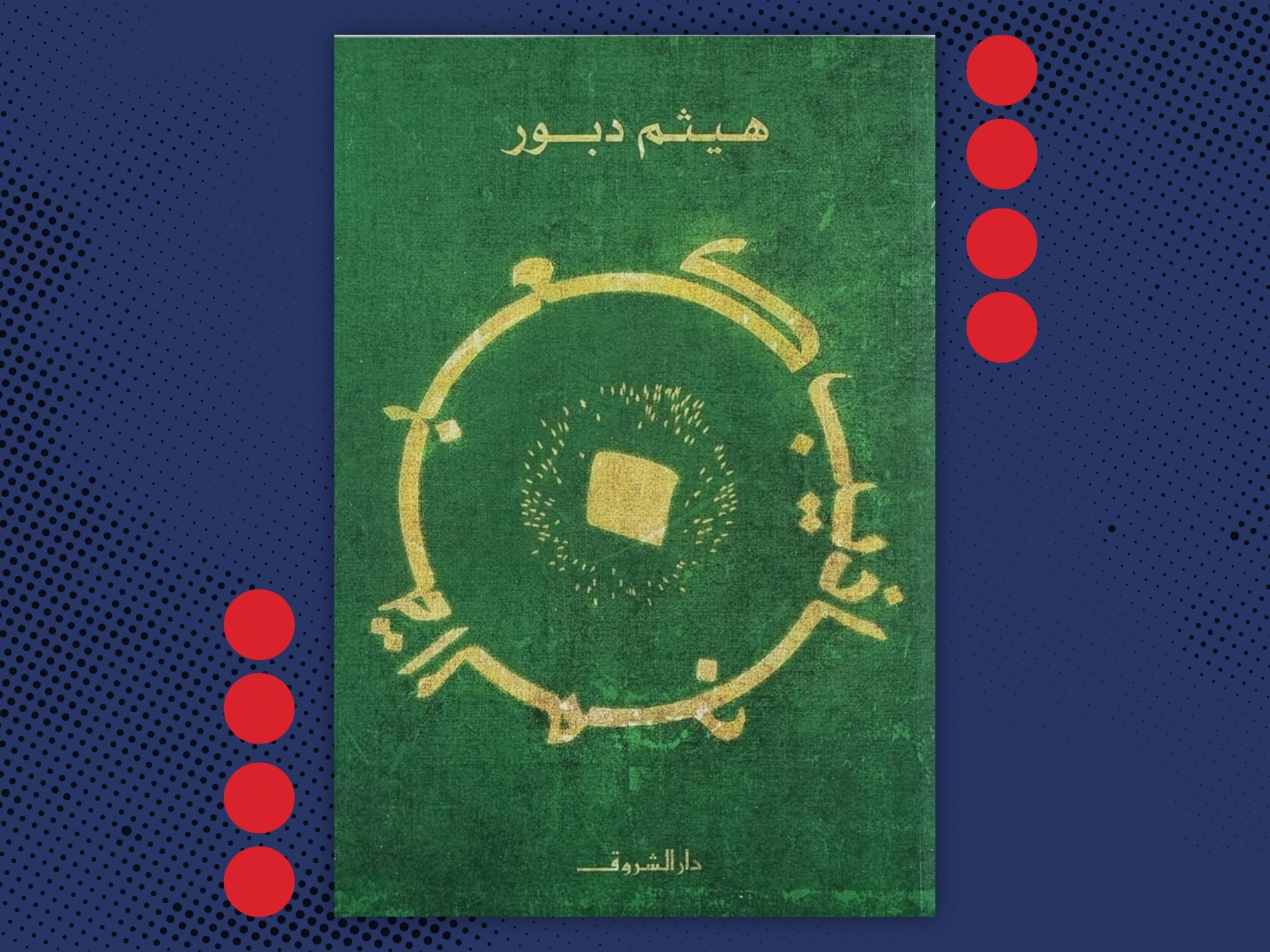
The Kaaba of the Enraptured
In The Kaaba of the Enraptured, the Egyptian novelist Haitham Dabbour constructs a fictional town called Hamaythara, centred on the shrine of the renowned Sufi mystic Abu al-Hasan al-Shadhili. Through a tightly-paced detective narrative, Dabbour draws the reader into a concealed world of devotion, charisma, and manipulation.
The novel opens with the abduction of a journalist called Karma by an unknown assailant. As the story unfolds, the reader trails a web of intrigue linking the photographer Ahmed al-Bahi and the preacher Anas, culminating in the revelation that the kidnapper is a shadowy figure known only as ‘the Imam’. His objective is not ransom, but a historical manuscript dating back to the Mamluk era—a document he believes will grant him spiritual authority and control over his followers.
This quest leads directly to the manuscript itself, written by a figure known as ‘the Captive’, and transports the reader to the era of al-Hakim bi-Amr Allah, the sixth Fatimid caliph, and his sister Sitt al-Mulk. Dabbour structures the novel around two parallel narrative lines. The first examines contemporary Egyptian society in the period following the fall of the Muslim Brotherhood—marked by state crackdowns, the rise of populist preachers, and the exploitation of religious sentiment among the vulnerable. Certain Sufi practices appear here not as spiritual refuge, but as instruments of domination.
The second narrative line excavates a neglected chapter of Egyptian history, exploring how political authority once sought legitimacy through religious scholars and astronomers. It is within this historical strand that the mathematician and astronomer Ibn al-Haytham becomes entangled in power struggles so perilous that he ultimately feigns madness to escape punishment.
Dabbour shifts confidently between past and present, maintaining a steady rhythm of suspense while gradually unveiling the motives behind the abduction. Secrets emerge from the photographer’s family archive; coincidences propel the discovery of the manuscript; and al-Bahi’s journey becomes both an investigation and a desperate attempt to rescue the woman he loves.
Structurally, the novel is divided into three sections, though Dabbour avoids conventional numbering. Instead, he borrows from cinematic language, using framing and perspective to suggest that each section draws the reader closer to the mystery’s core. The final section is dense with revelations, some of which stretch plausibility, yet the narrative momentum largely holds. By the end of the second section, the novel’s thematic questions have already crystallised, leaving the final act to carry the weight of adventure.
The Kaaba of the Enraptured was published in 2025 by Dar al-Shorouk.
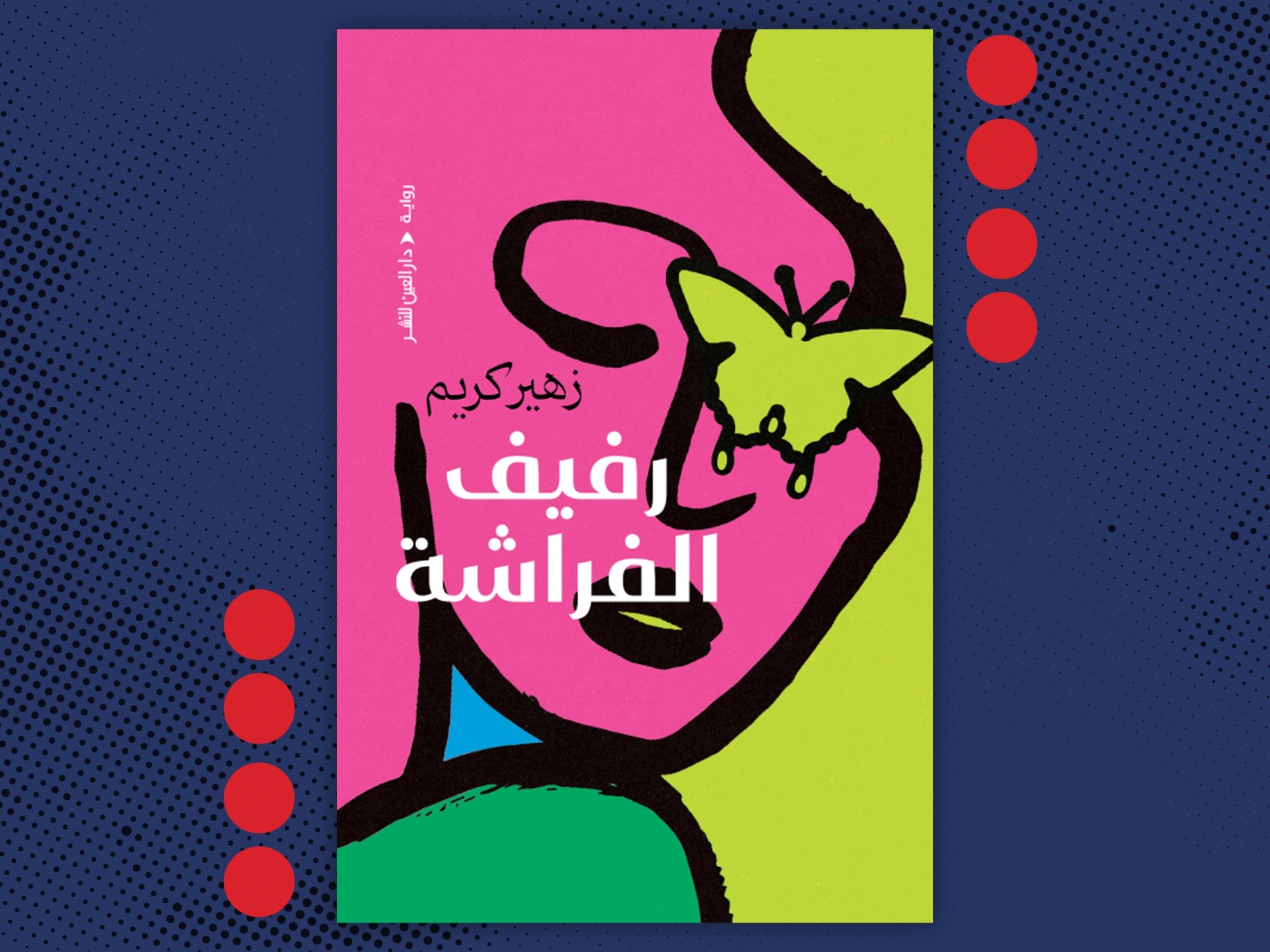
Flutter of a Butterfly
In Flutter of a Butterfly, the Iraqi writer Zuhair Karim inserts himself into the narrative, alongside the novel’s manuscript, which is discovered by chance in a hotel. The manuscript belongs to Kamel, an engineer whose life is shaped by exile, love, and unresolved memory.
Through its pages, Kamel revisits his childhood and youth in Iraq, recalling how a love affair compelled him to distribute political leaflets—an action that forced him to flee the country and embark on a long journey of exile. The reader is propelled not by a single mystery but by the urge to discover what Kamel is running from and what shaped his current situation.
From the outset, Kamel’s inner life is shaped by books and stories. He recalls the tales that formed his imagination, most vividly in a chapter titled A Child Inside the Cupboard of Stories. Poetic language infuses the novel’s chapter titles—A Small Sun That Will Not Set, A Musician with a Crutch Beside Him, One Wing of Darkness and Another of Light—and signals a world where realism and fantasy coexist.
As the narrative unfolds, Kamel oscillates between reality and imagination. He soars through the skies, observes the world through a bird's eyes, then returns to his room to read and inhabit literary characters. Kafka's Metamorphosis, Shakespeare's Romeo and Juliet, and the stories of the prophets all enter the narrative, blending personal memory with collective myth.