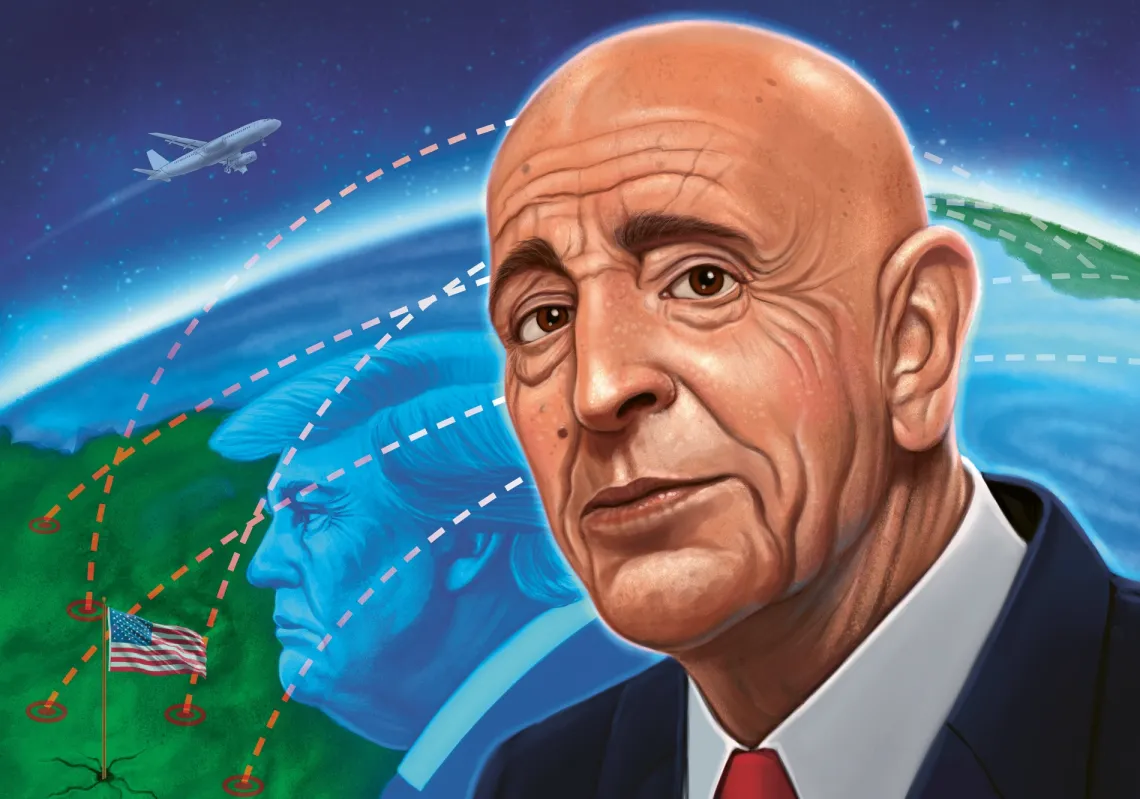
Trump's decision was crucial to restoring Syria's international connections and improving its economic prospects. However, much more needs to be done to ensure peace and prosperity for its citizens.
Firms relying on the recent wave of lifted sanctions and exceptive relief will face significant hurdles in verifying that transactions do not benefit excluded actors
The former US envoy to Damascus tells Al Majalla how to find a path to a lasting settlement and a new place in the Middle East, from his unique perspective and first-hand experience in Assad-era talks
Syrian Jews who left the country over the years visited recently following the collapse of Bashar al-Assad's regime. For the first time in decades, they prayed at the historic Al-Franj Synagogue.
An investigative report by Al Majalla details the manner and extent to which the former Syrian regime used legislation to seized citizens' property across the country
Reconstruction projects will not be able to rely solely on direct grants and loans. Recovering economies will have to create conditions to attract regional and international investment as well.
The region's youth see themselves as active participants in developing their own countries. They want their voices heard and their talents recognised globally.
Many had hoped the drug trade would stop after Assad's fall, but traffickers have shown resilience. With sustained regional demand and limited job opportunities, the industry isn't going anywhere.
After 14 years of conflict, building transparent institutions and systems that meet international standards is a prerequisite for reigniting the economy, says the Governor of the Central Bank of Syria
Al Majalla reveals the covert talks over several years between the representatives of a reluctant Syrian president and successive White House administrations hoping find a missing American.
Any disruption in the Hormuz has cascading knock-on effects that extend far beyond energy markets, impacting international trade. Al Majalla explores all this and more.
The current conflict is unlikely to go global for now, but the speed at which it has spread regionally is alarming. A look at history shows the geopolitical factors that led to world wars.