
As Israel seeks to reshape the Middle East—militarily, politically, and economically—the Arab world must put forward an alternative vision anchored in the principles of the UN Charter
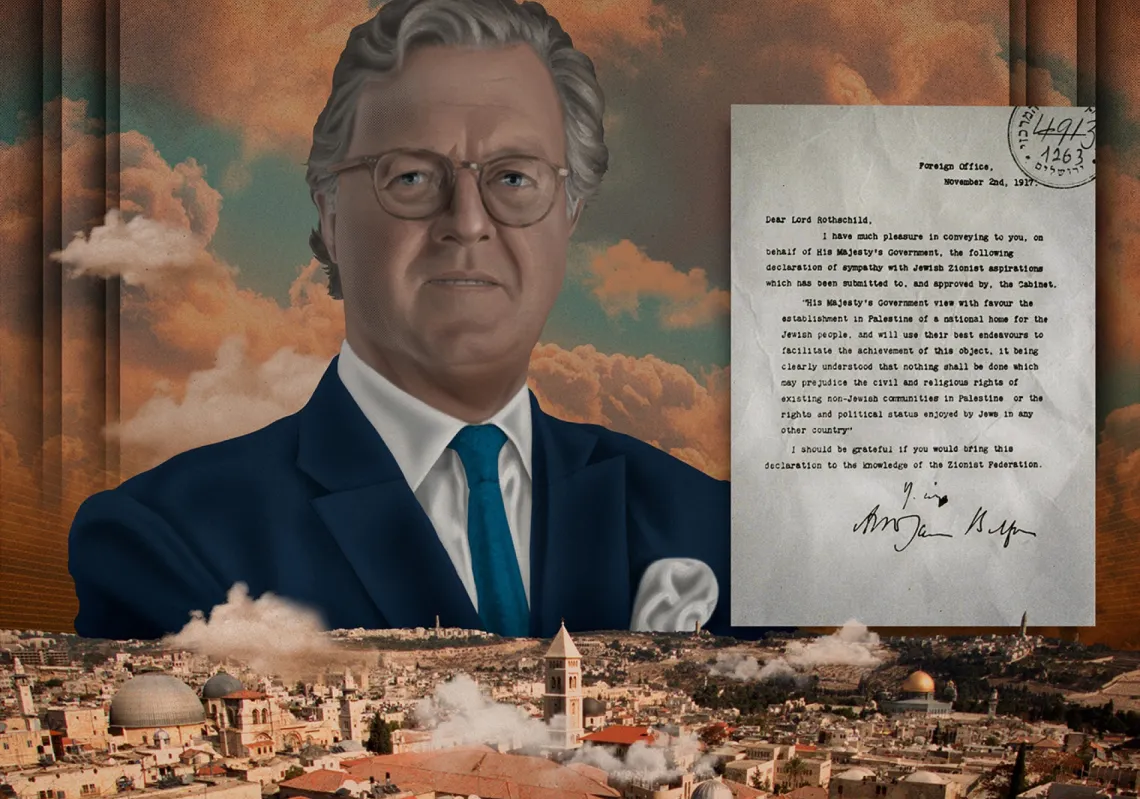
For more than a century, Jews have been accused of plotting dominion over the Middle East. Recent Israeli military success has simply restored and restoked an age-old canard.
For Benjamin Netanyahu, it would be a 'humanitarian zone'. For most countries, it would be a war crime. For Egypt, it could be the straw that breaks the camel's back.
Arming proxies and launching pre-emptive strikes was Iran's 'forward strategy' model since the devastating Iran-Iraq War of 1980-88. Then, from October 2023, Israel copied it. A recipe for disaster?
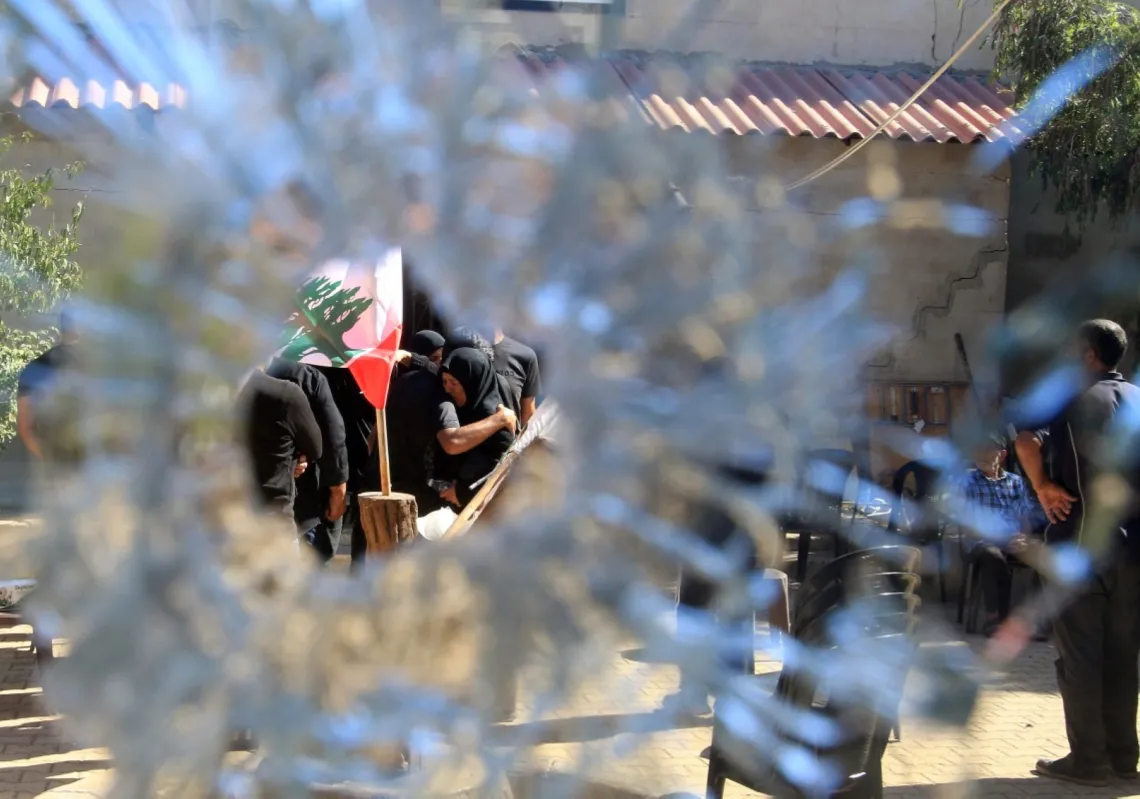
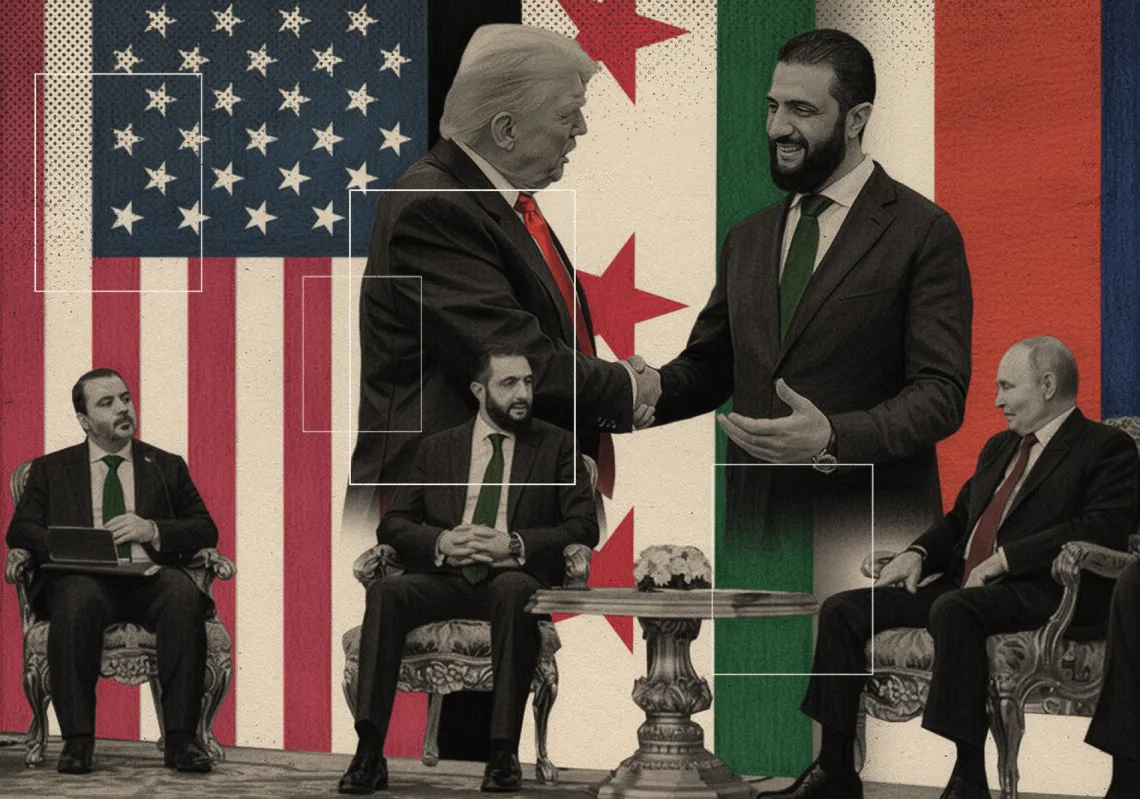
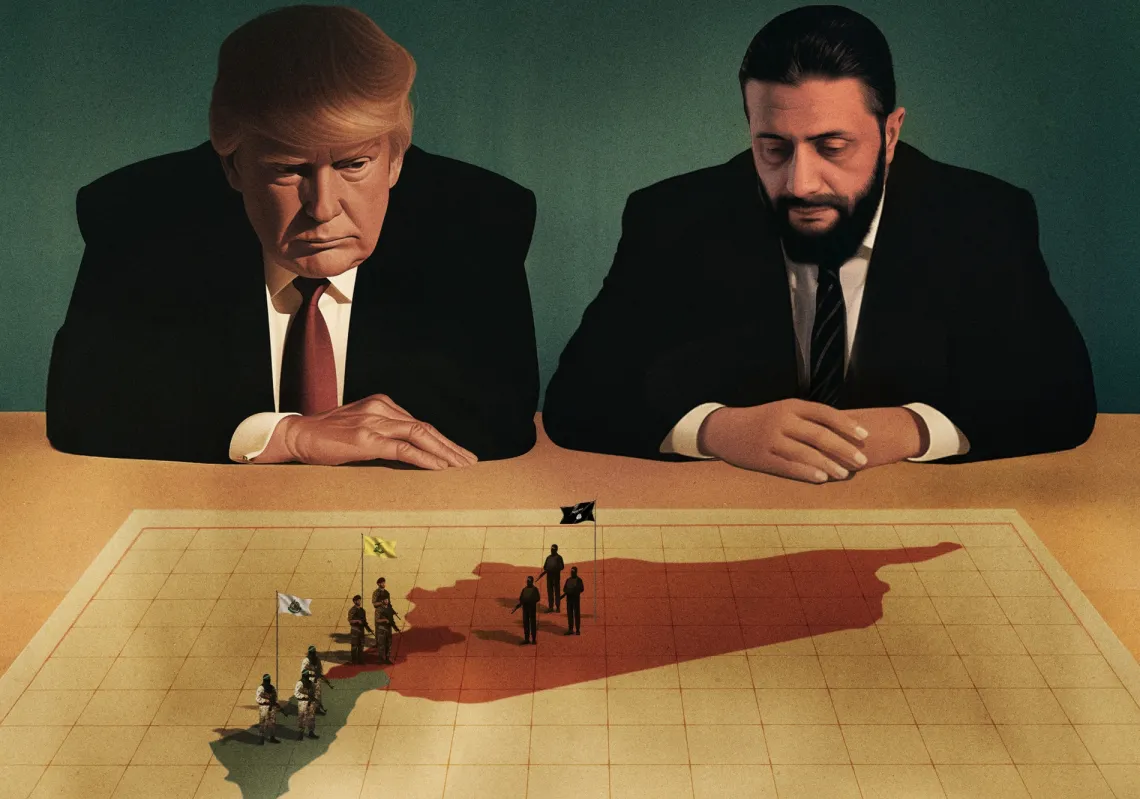
Tel Aviv does not want a military power led by former Islamists on its doorstep, so is throwing a protective missile system around Syria's minorities, whether they want it or not. Will it backfire?
The gloves are off in cyberspace, with Israeli and Iranian actors increasingly targeting their adversaries' vulnerabilities since the 12-Day War last month. It is forcing a rethink of digital defence.
This is a once-in-a-blue-moon opportunity to agree a détente between two hostile neighbours, but getting there is tricky. Several issues must (but can) be overcome.
Ankara watched and learned from events in June 2025, as missiles flew between Tel Aviv and Tehran. The Middle East is changing, as is warfare and intelligence. For Türkiye, it is time to to act.
Airspace closures, rising fuel costs, shifting flight maps and delayed aircraft deliveries have repriced flights around the world, with some travel routes hit worse than others
Veteran Lebanese journalist Nada Abdelsamad transports readers back to the time when Beirut's Jewish quarter, known at the time as Wadi al-Yahud, was thriving
Ankara's national security priority is no longer Kurds or Gülenists, but Israel. Likewise, in Tel Aviv, Türkiye is increasingly seen as a future Israeli adversary. Both are preparing accordingly