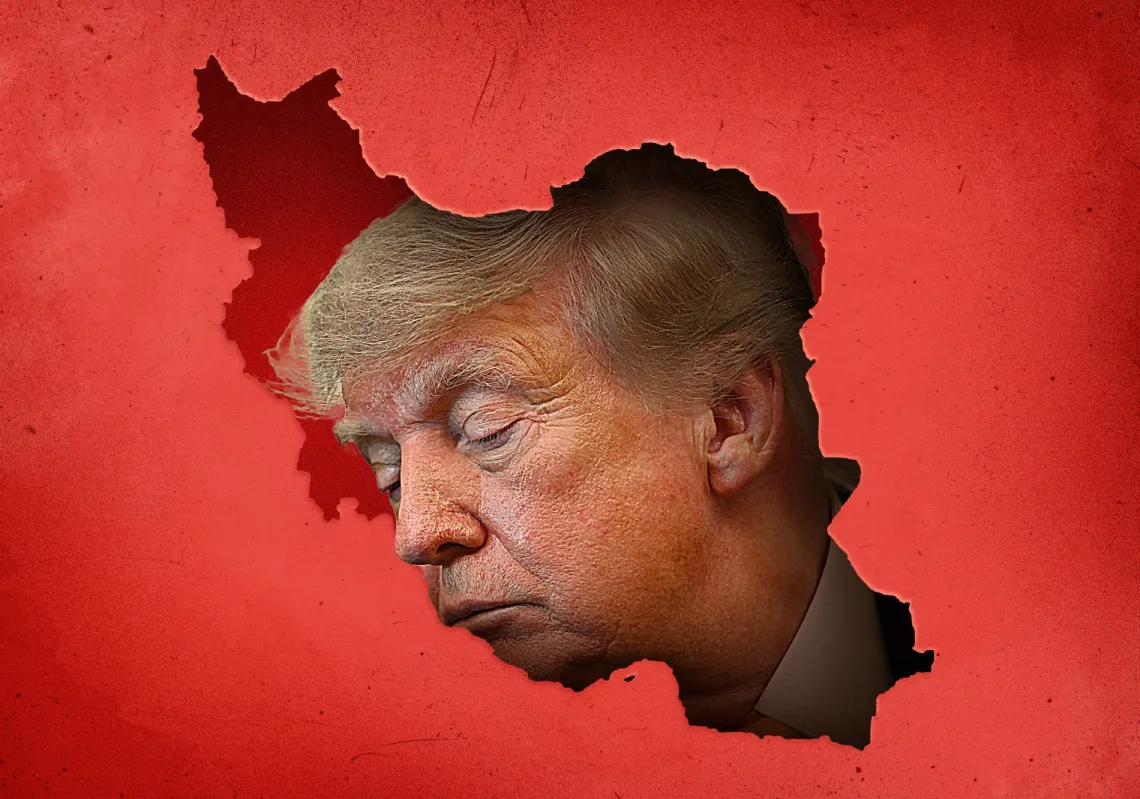
On the eve of America's invasion of Iraq in March 2003, Syrian and Iranian leaders met to consider their options. In part 6 of a seven-part series, Al Majalla reveals their shared concerns and hopes.
Washington must seriously reform its notoriously slow and complex foreign military sales process to help regional partners meet the rising strategic challenge of Iran
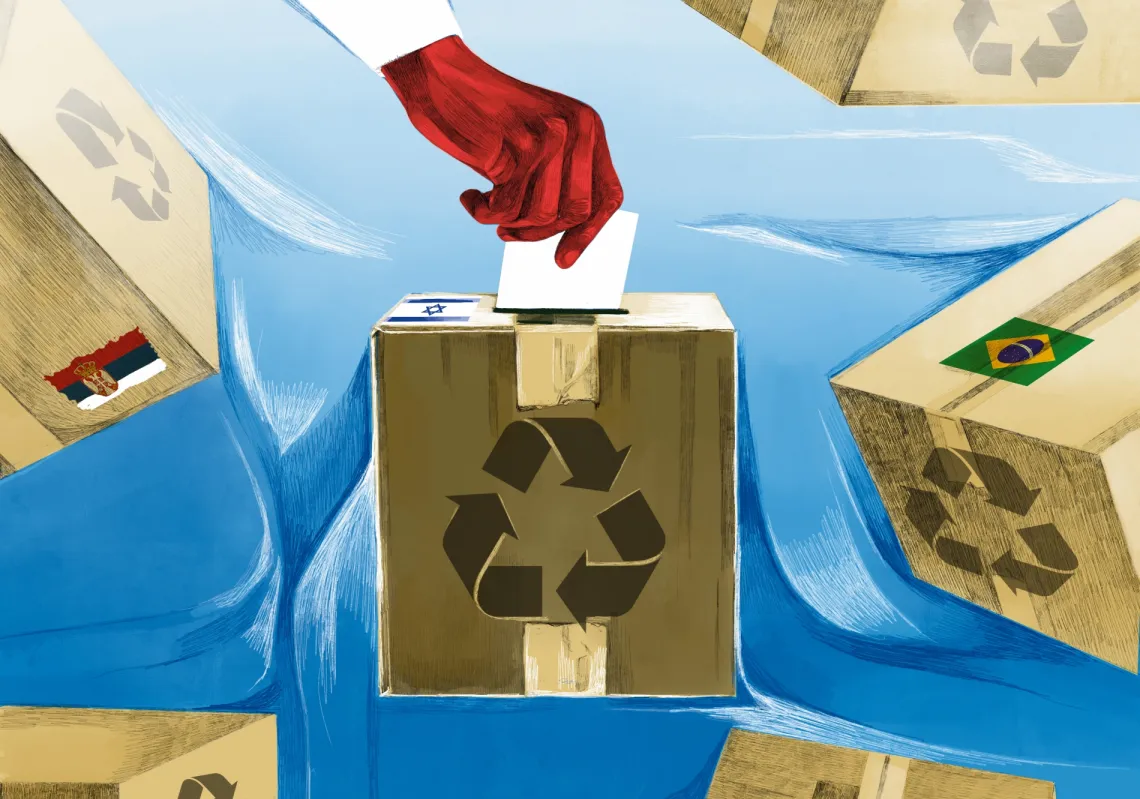
Saudi Arabia's new approach that looks after its own interests seems to be paying off. China has been pivotal in getting regional players to cooperate peacefully in a way that benefits all.
A serious game plan to advance a two-state solution with unified support from the US and its regional partners would help turn the tide against Iran and those who support it.
Al Majalla dedicates its February issue to exploring Iran's use of militias to exert influence and negotiate with the United States and other major powers.
From Iraq to Syria and Lebanon to Yemen, Iran-backed militias have expanded their power and influence. However, regional escalation following the 7 October attack on Israel is testing their limits.
Friday's drone attack on one of Iraq's largest gas fields has led to a temporary suspension of production, resulting in major power cuts across the country's northern Kurdistan region.
Both Tehran and Washington have powerful incentives to resolve the conflict through negotiations, but actors on all sides have reasons to derail these efforts
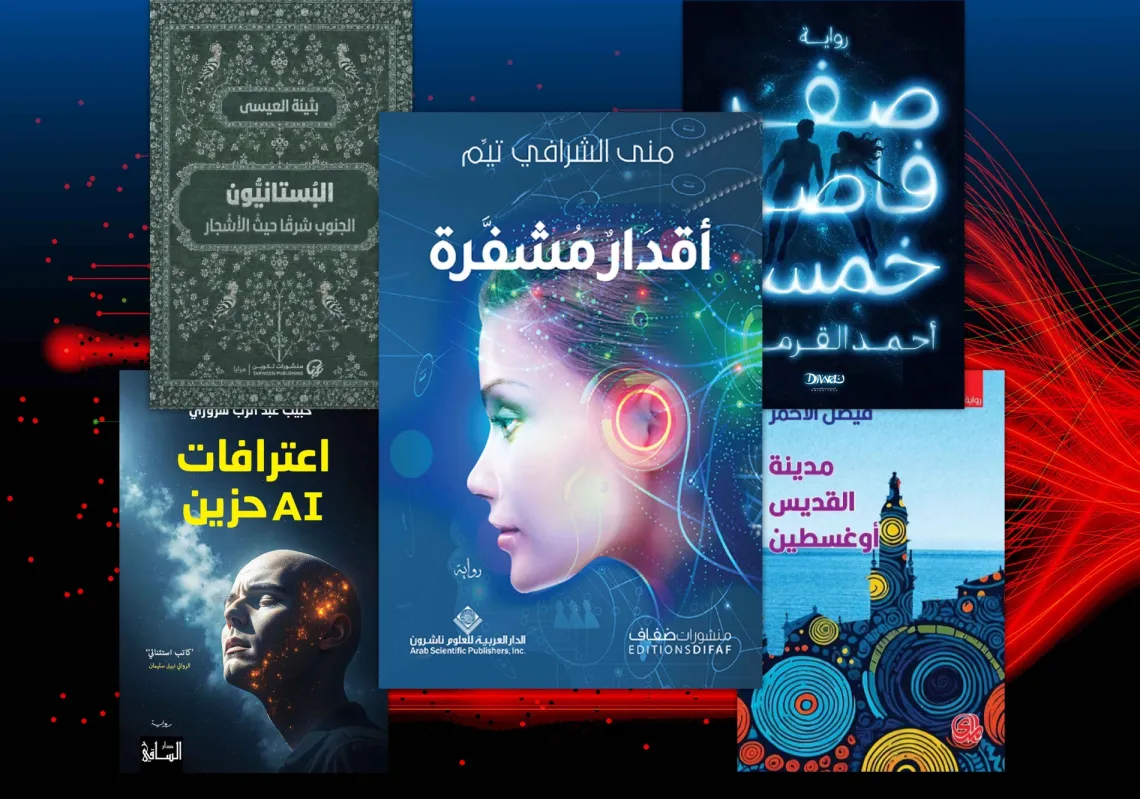
From machines that develop human emotions to societies governed by artificial intelligence, Arab novelists explore the promises and perils of a radically transformed future