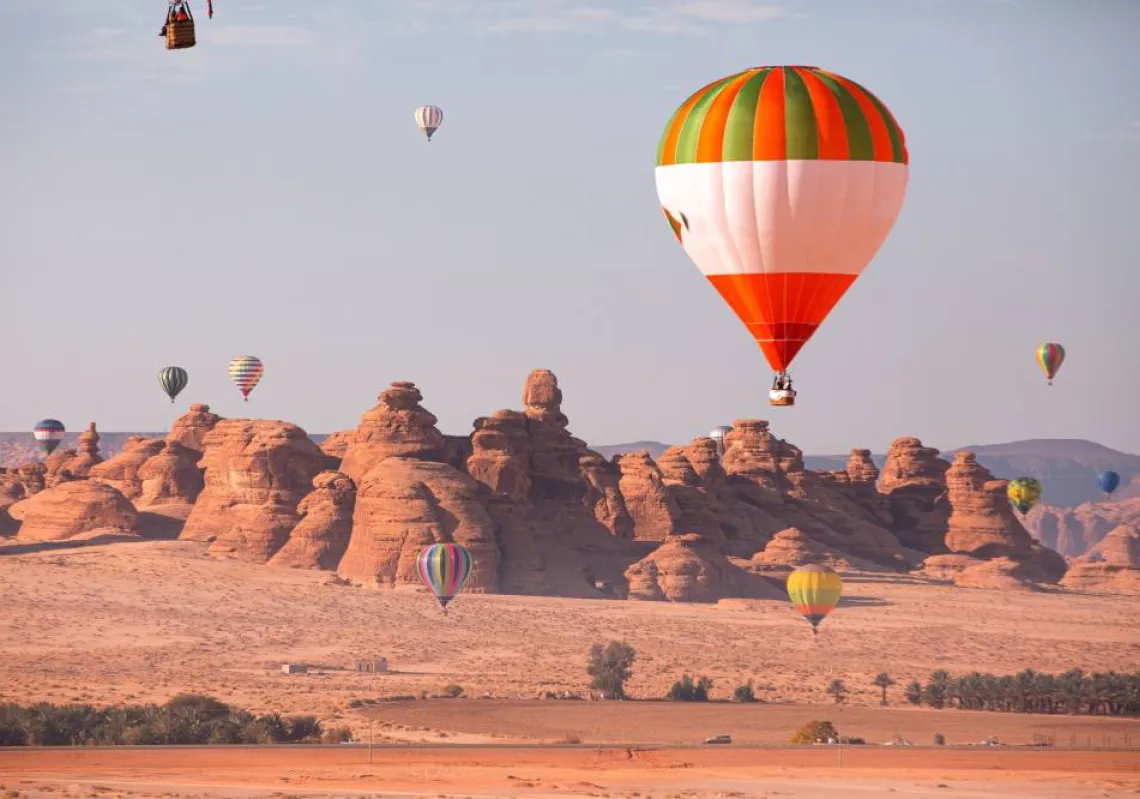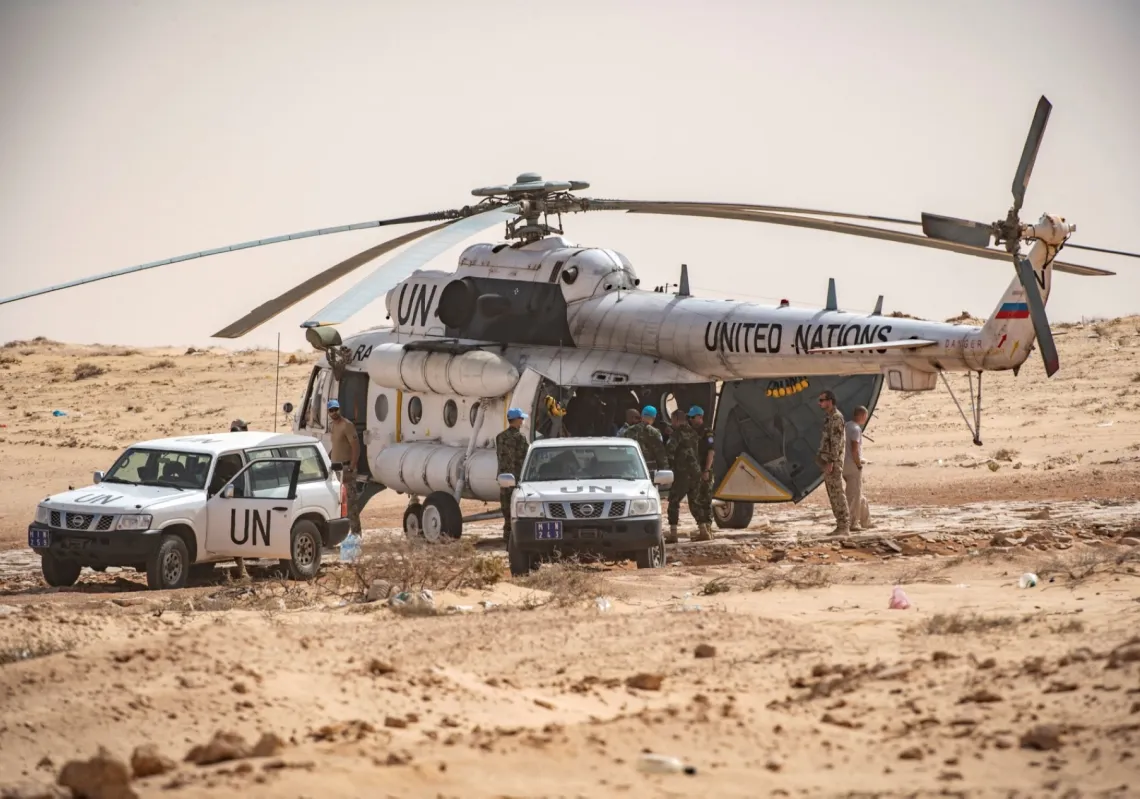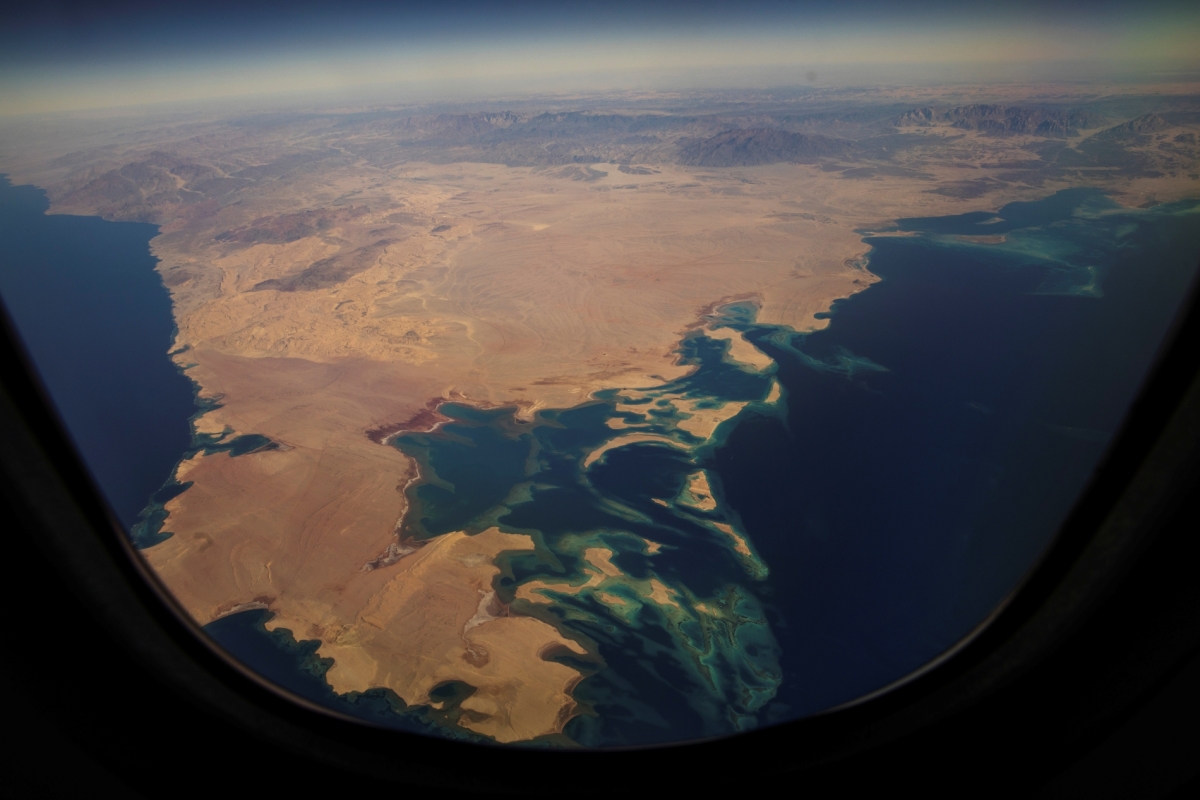

Saudi Arabia’s tourism industry is among the sectors to feel the effects of regional conflict and low oil prices, as short-term expectations are recalibrated. Although ambitions remain undimmed, the country’s economic diversification agenda (as set out in Vision 2030) was built on expectations of expanding global travel, strong oil revenues, and a relatively favourable geopolitical environment. These assumptions have come under strain in recent months.
Tourism was due to be one of the country’s economic engines, supported by large-scale public investment, but lower oil prices have put pressure on public finances, conflict has exposed the vulnerability of shipping routes and aviation networks, and the reliability of longstanding security partnerships has come under closer scrutiny across the Gulf. Governments are placing greater emphasis on resilience, industrial capability, and reducing external dependencies, and Saudi Arabia is no exception.
The latest strategy of the country’s sovereign wealth fund, the Public Investment Fund (PIF), reflects a more disciplined investment approach in which projects are increasingly expected to generate commercial returns, attract private capital, and support broader national priorities. Tourism inevitably forms part of that recalibration. There were 29.3 million visitors in 2025, spending around $47bn, which firmly established Saudi Arabia as an emerging global destination, but 2026 figures show how exposed long-haul tourism can be to news headlines.
Regional problem
Oxford Economics estimates inbound travel across the Middle East could be down by up to 27% this year, while Saudi Tourism Minister Ahmed Al-Khateeb recently acknowledged that activity slowed by 5-6% to the end of May 2026, so although Saudi Arabia has been less affected than its Gulf neighbours, international travellers nevertheless respond to regional perceptions, rather than national borders.
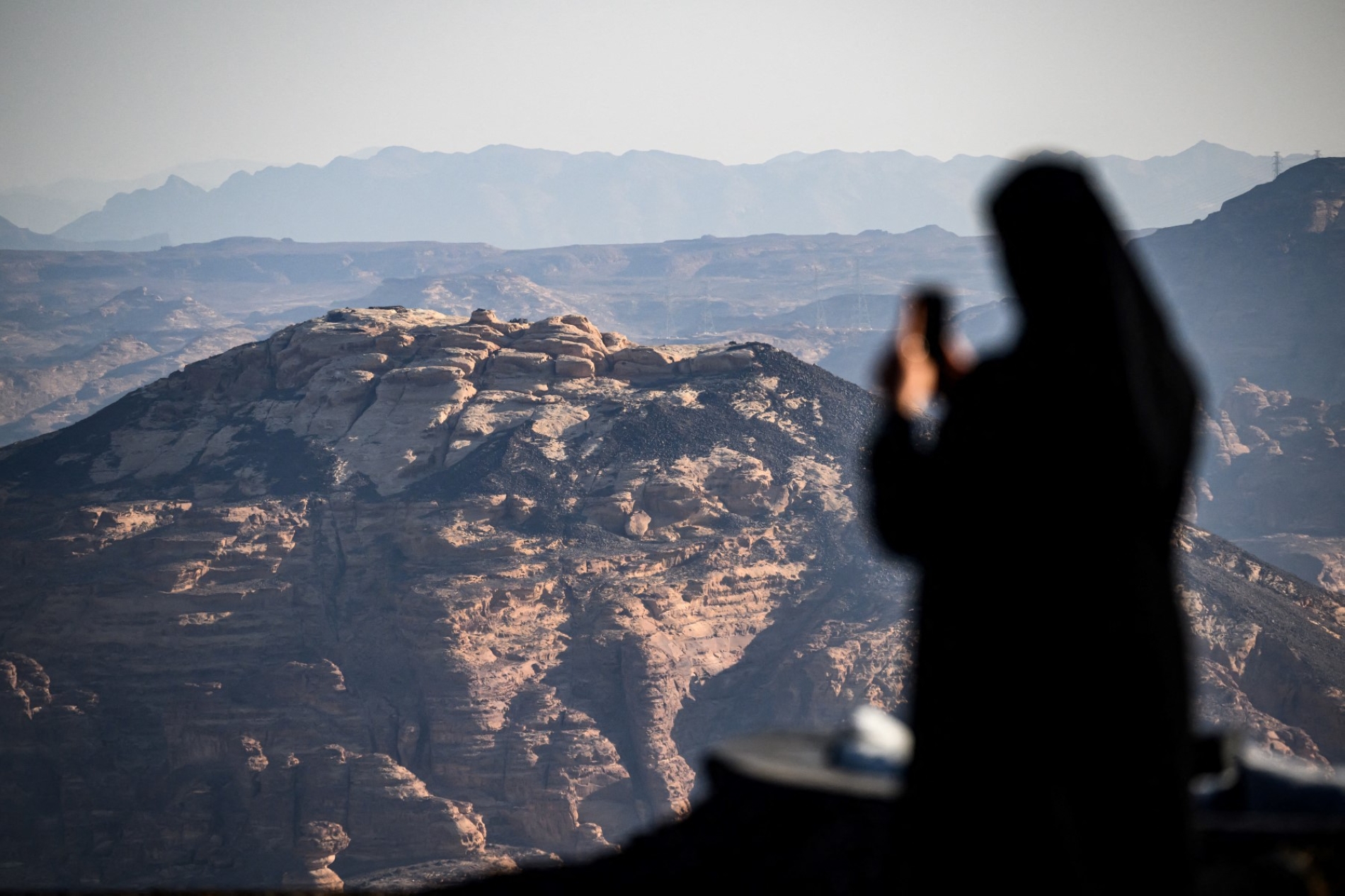
The dip does not weaken the case for tourism but changes the commercial logic underpinning it. Markets that deliver repeat demand and greater resilience during uncertainty become more valuable. Domestic tourism already provides that foundation. Saudi residents made more than 93 million domestic trips last year, while visitors from the Gulf still travel despite fluctuations in long-haul demand.
Pilgrimage remains particularly resilient. Hajj attendance rose modestly this year despite the conflict, while Umrah continues to generate year-round visitor flows. The objective has moved away from maximising visitor numbers to ensuring that tourism generates dependable returns in a less predictable world. Viewed through that lens, regional connectivity is integral to the commercial future of Saudi tourism.
Enhancing connectivity
The proposed revival of the historic Hejaz Railway has acquired greater strategic significance since the conflict. Until recently, regional connectivity centred on the India-Middle East-Europe Economic Corridor (IMEC), linking Gulf ports to Europe via Israel. That route now faces greater political uncertainty, increasing the appeal of northbound corridors through Jordan and Syria. A modern Hejaz corridor would support tourism, trade and investment while deepening Saudi Arabia’s economic integration with both countries.
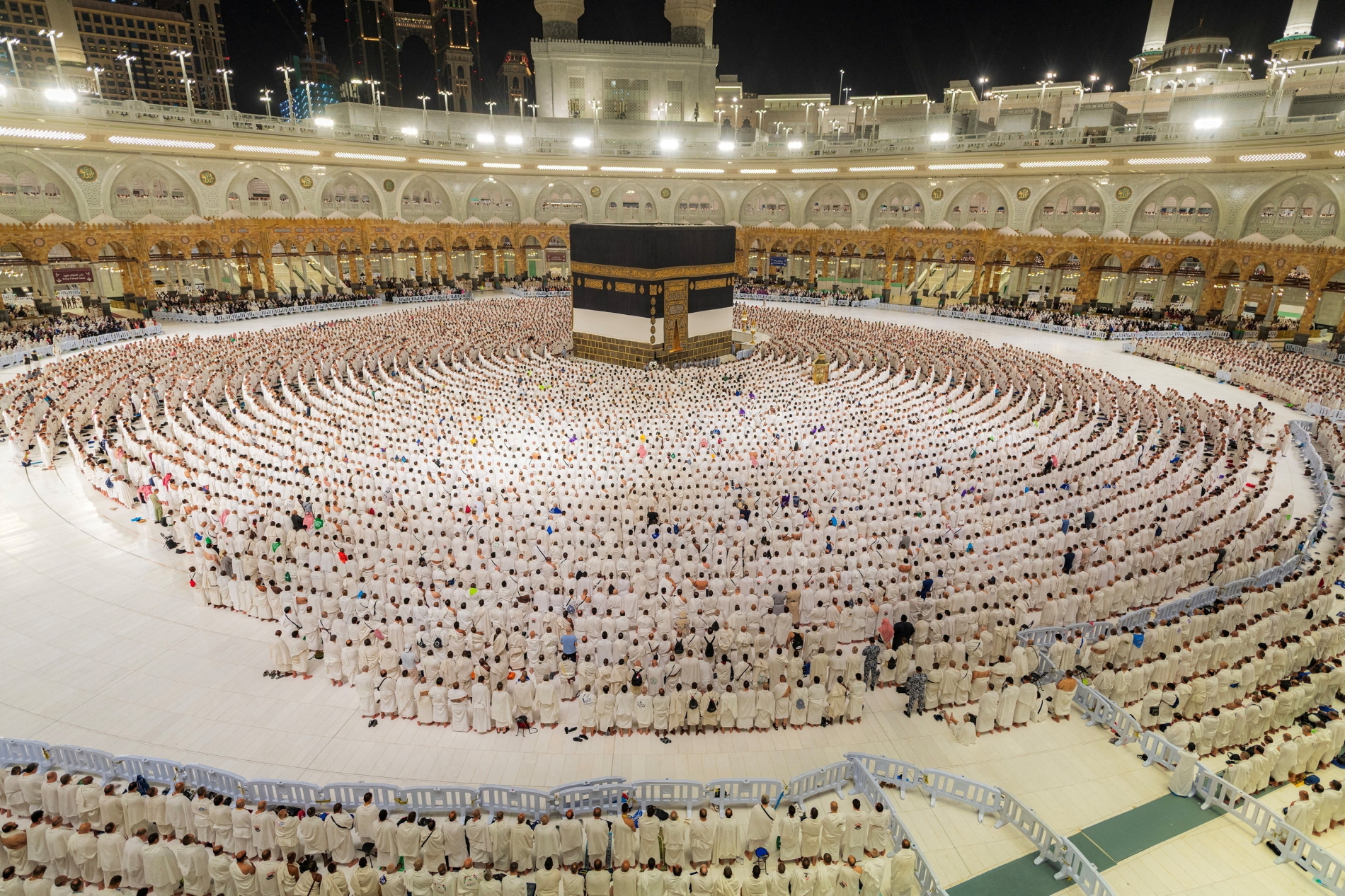
Connecting Saudi Arabia with Jordan, Syria and Türkiye would reopen one of the region’s most significant pilgrimage routes and lower the barriers to multi-country travel, encourage longer regional itineraries, and strengthen demand for tourism across several markets. Jordan would gain easier access to Gulf travellers, while Syria’s gradual reintegration into regional economic networks could create new opportunities for transport, heritage, and hospitality investment.