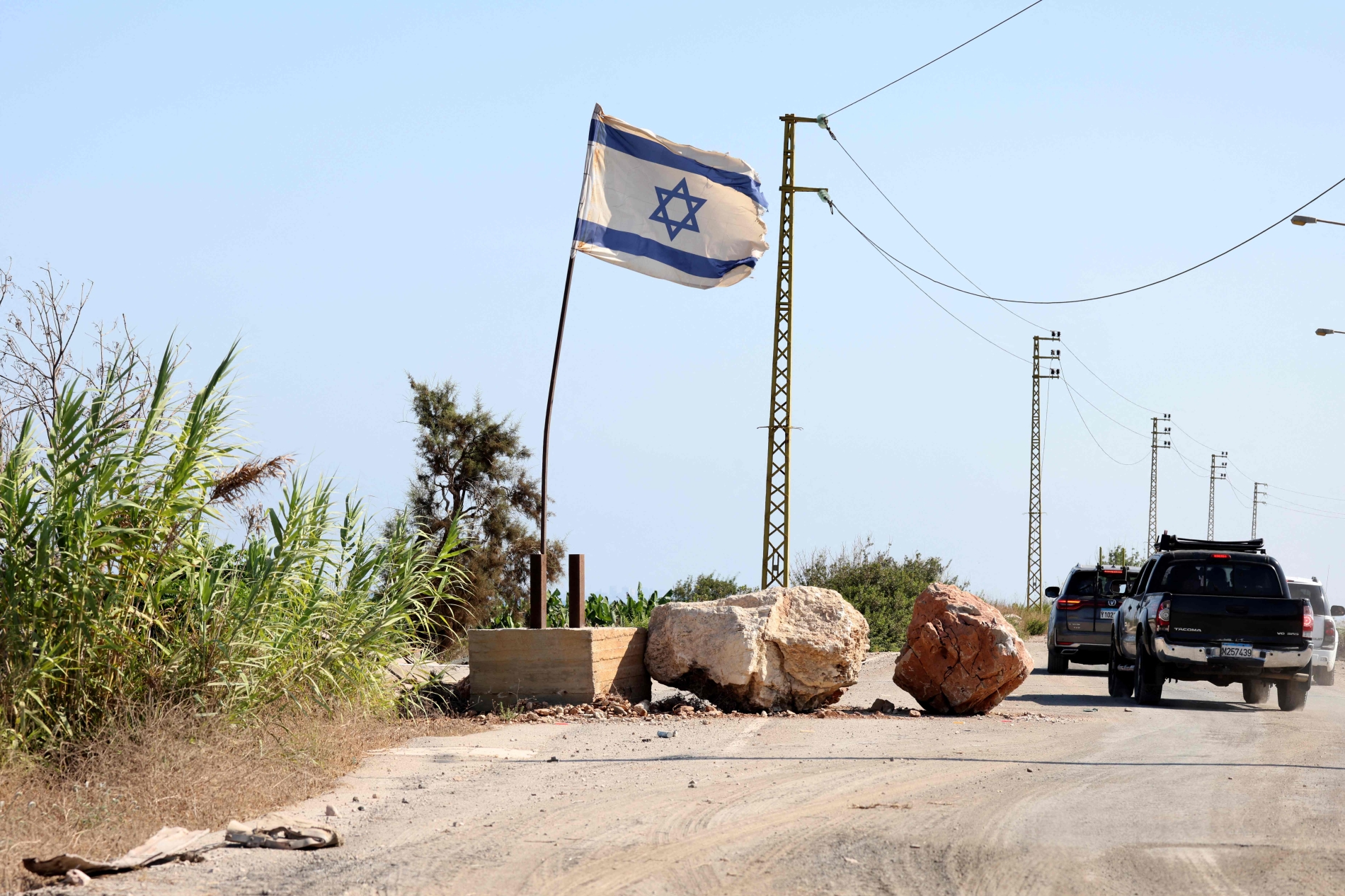

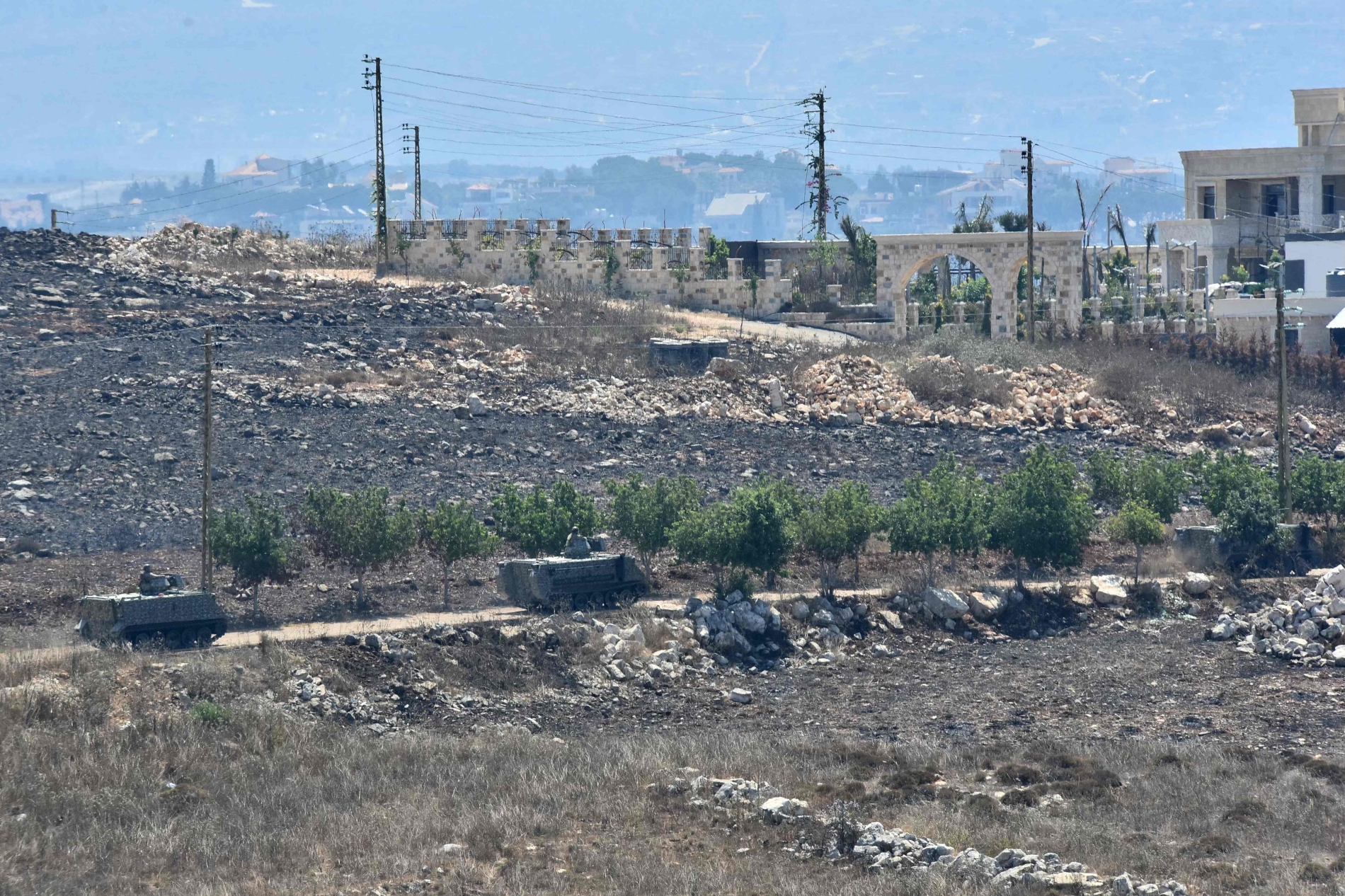
The Lebanese Armed Forces (LAF) have begun implementing a graduated handover of control from Israeli troops in southern Lebanon by taking command in two pilot areas, as agreed in recent talks. The initial phase covers three villages grouped into two zones: Froun and Srifa south of the Litani River, and Zawtar al-Gharbiya, or Western Zawtar, to its north. In Froun and Srifa, the LAF is already operating. In Western Zawtar, it is preparing to assume control as Israeli forces withdraw from the parts of the village they occupy.
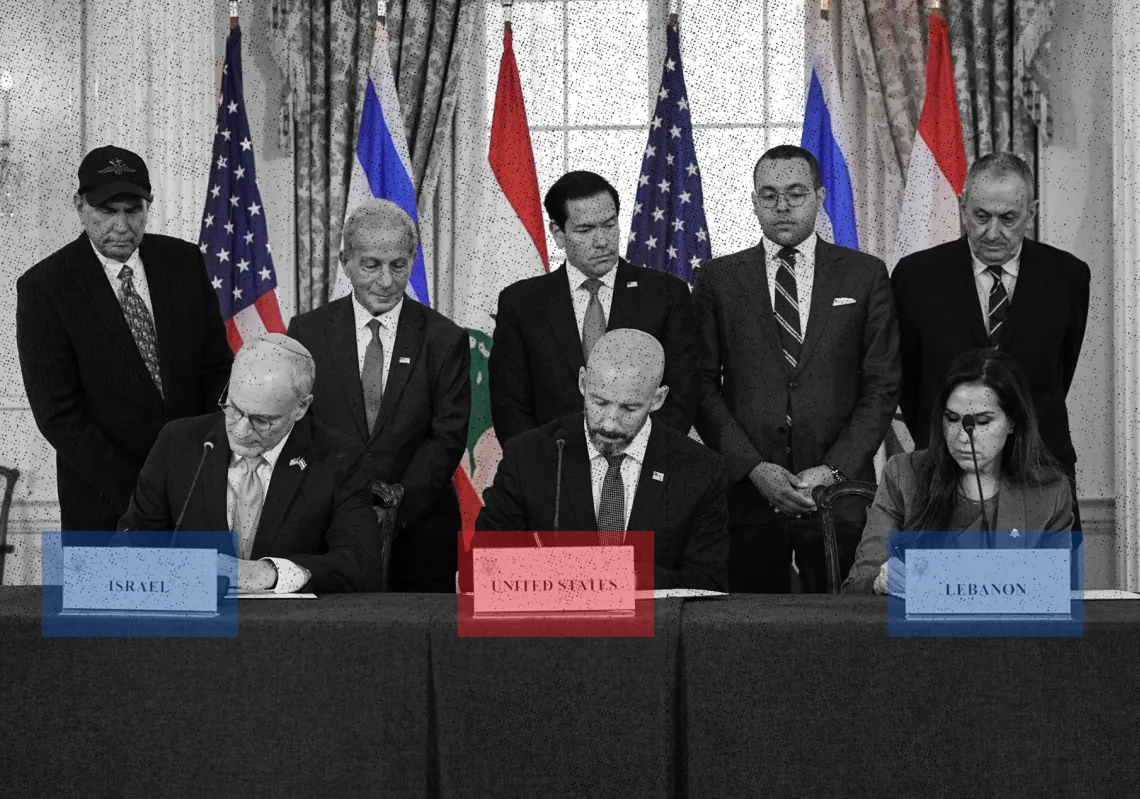
These initial areas, together with the broader concept of the LAF’s village-by-village approach to clearing out Hezbollah, were established under the US-brokered Trilateral Framework signed by Lebanon, Israel, and the United States in Washington on 26 June 2026. The pilot areas test whether Lebanese sovereignty can be restored through a reciprocal process, in which Israel pulls back, the LAF becomes the sole armed authority, and Hezbollah is prevented from returning with fighters, weapons, or military infrastructure.
The LAF has a more extensive presence south of the Litani River than the framework’s initial designated areas, however. A cluster of border villages in the Arqoub region has been developing its own model of state authority since the latest fighting between Hezbollah and Israel began on 2 March 2026. I visited the Arqoub month and realised that its experience offers lessons for elsewhere in the south.
Learning from 2024
The Arqoub lies in the Hasbaya district of Nabatieh governorate, at the foot of Mount Hermon. Its population is religiously mixed, with a Sunni majority and Christian, Druze and Shia communities. During the fighting between September and November 2024, Hezbollah operated in the area after most residents had fled. It launched rockets towards Israel from several villages, and Israel responded with airstrikes. The civilian homes being used by the group are likely to have been destroyed.
Hezbollah relied partly on Saraya al-Muqawama—the formation through which it recruits non-Shiite supporters—to facilitate its activities in the region. Locals who joined were often from poor families and saw enlistment as a rare source of income. This did not mean that the wider population supported Hezbollah’s decision to open a front with Israel; on the contrary, the predominant view is that the group imposed destruction on a south that had not sought war, nor had benefitted from it.
After the November 2024 ceasefire, about 50,000 residents returned and began repairing their damaged homes, largely at their own expense. Hezbollah offered compensation, but the few who accepted it received only a few hundred dollars per household. Most refused, angry that Hezbollah had turned their villages into a battlefield. When Hezbollah launched its latest campaign in March 2026, the Arqoub’s residents were determined not to repeat the experience of 2024.
Thou shalt not pass
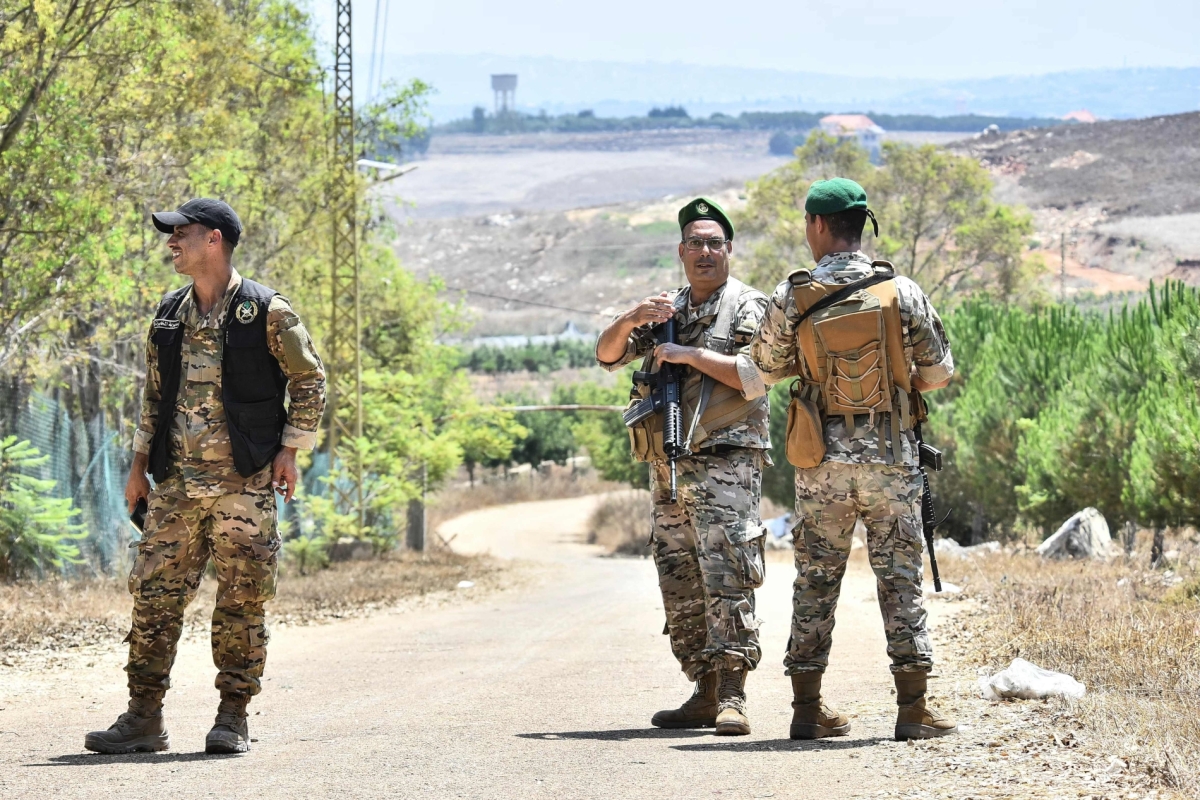
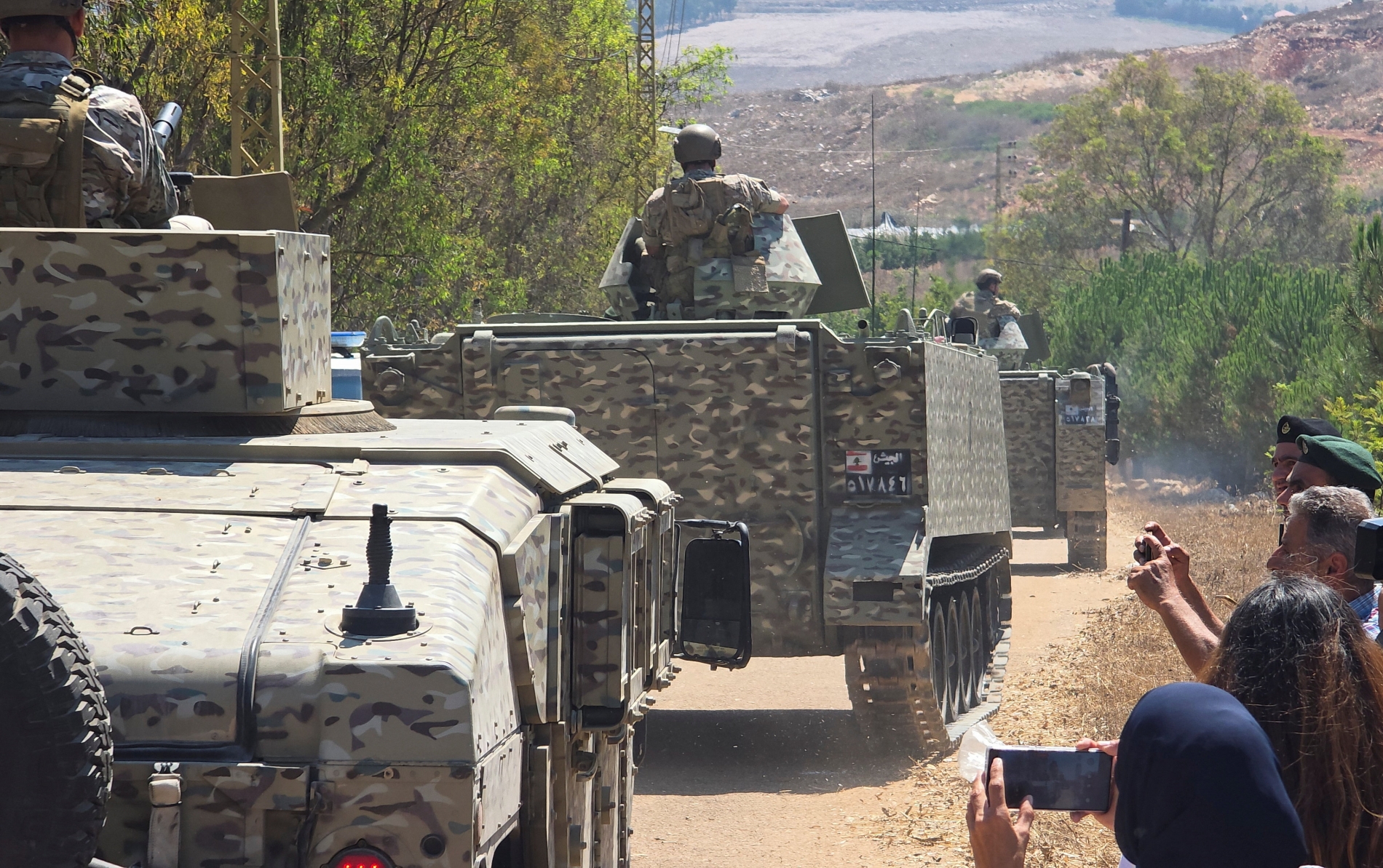
They understood that another evacuation would leave their homes open to appropriation by fighters, invite Israeli retaliation, and potentially allow Israeli forces to occupy the emptied villages, as had occurred elsewhere along the border, so what followed was an unusual example of organised civil resilience: residents chose to remain in their homes and refused to allow Hezbollah fighters to enter. The mayors of all the villages coordinated a security plan under which all but one route into each village was blocked, and the one remaining entrance was placed under the control of an LAF checkpoint.
Saraya al-Muqawama tried to disrupt the arrangement, but local communities held their ground. Israel continued to strike remaining Hezbollah sites in the region but, aware of the initiative, largely refrained from attacking the villages themselves. As Israel’s military presence expanded elsewhere in southern Lebanon, most access routes to the Arqoub became unusable. The region’s main connection to the rest of the country was reduced to a long journey through the Beqaa Valley.
This was the route I took two weeks ago. At the LAF checkpoint at the entrance to the area south of the Litani, a sign announced: “Area south of the Litani River. No foreigners allowed beyond this point.” LAF soldiers asked those in every passing car where they were from, where they were going, and why. Two more LAF checkpoints stood farther south, while an LAF position guarded the entrance to each village.
Inside the Arqoub, the prevailing impression was one of unusual calm. Villagers went about their daily life, albeit with caution, because Israeli strikes on targets farther away sometimes sent shrapnel into residential areas, damaging property. Supplies required longer and more difficult journeys, but the villagers remained determined not to abandon their homes.
Disproving the claims
Hezbollah ignores their resolve because it challenges the group’s claims that the LAF is absent south of the Litani River, and that only Hezbollah can protect Lebanon from Israel. In fact, the Arqoub shows that cooperation between residents, municipalities, and the army is possible and sustainable, even during fighting, and that a civilian presence can itself be a form of protection. When communities organise, deny militias access, and invite the state in, Hezbollah will struggle to militarise their villages, and Israel can no longer treat their homes as enemy territory.