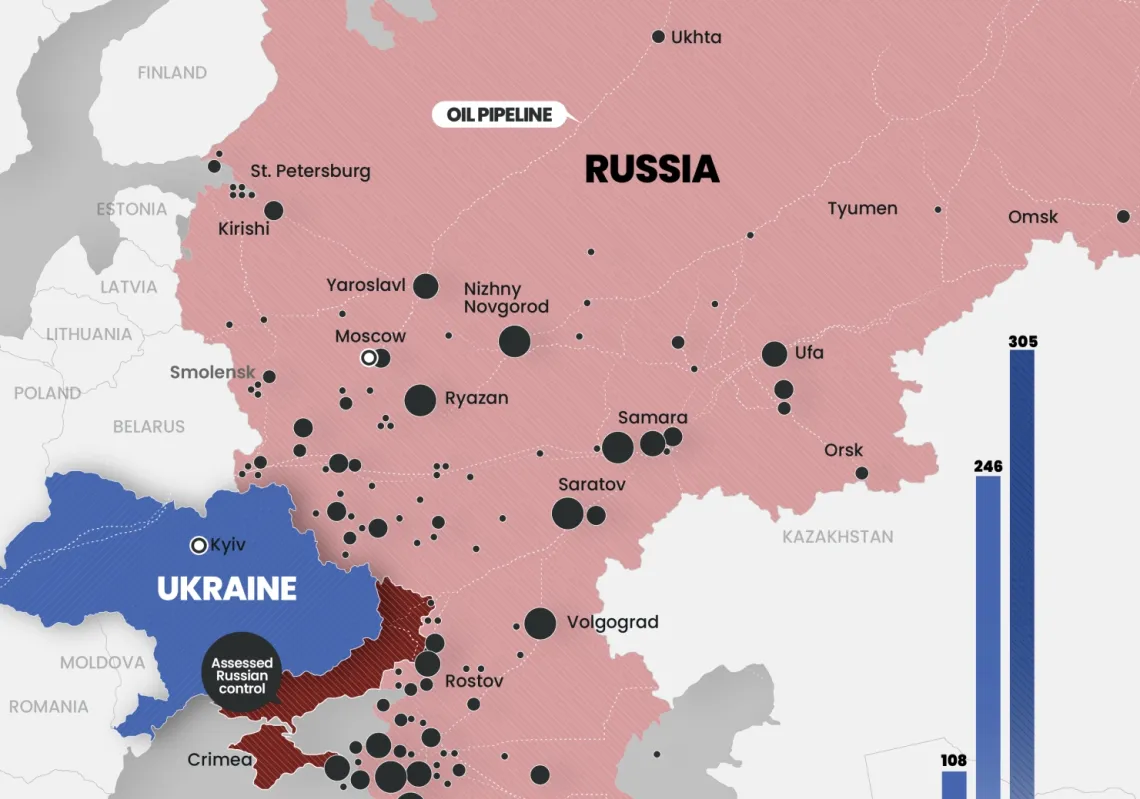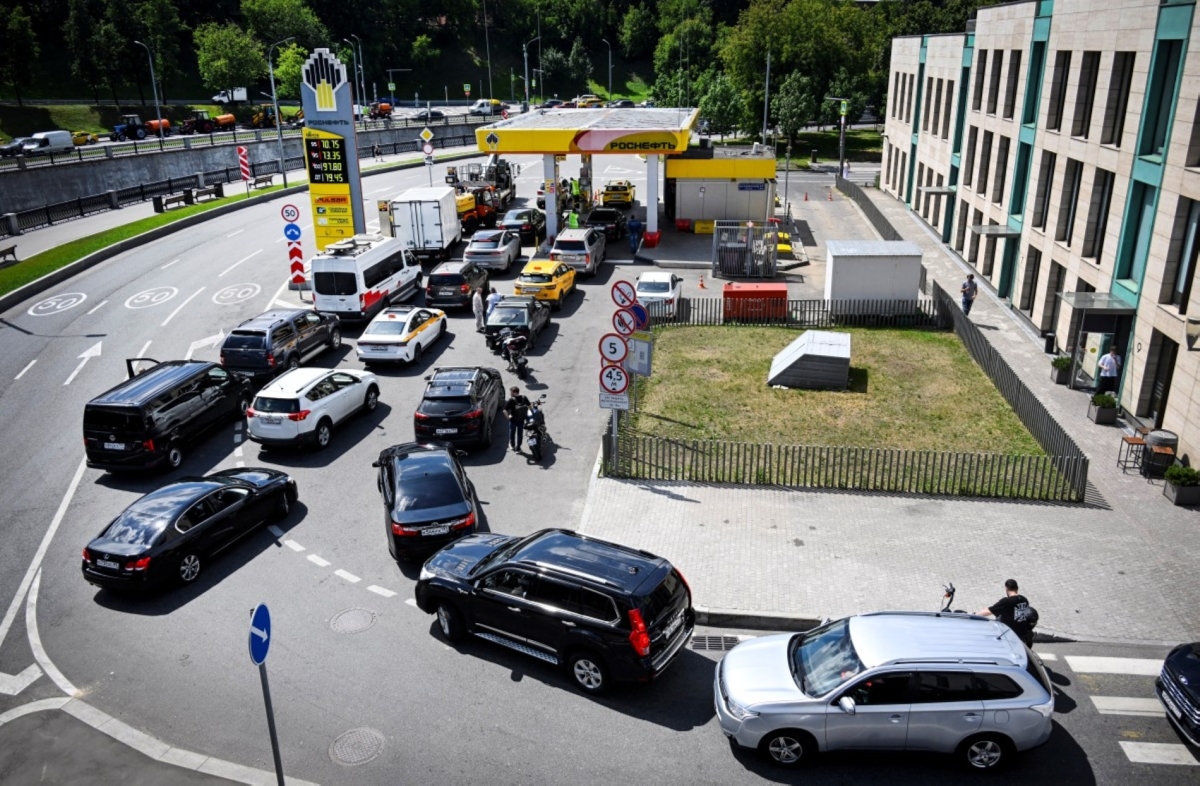

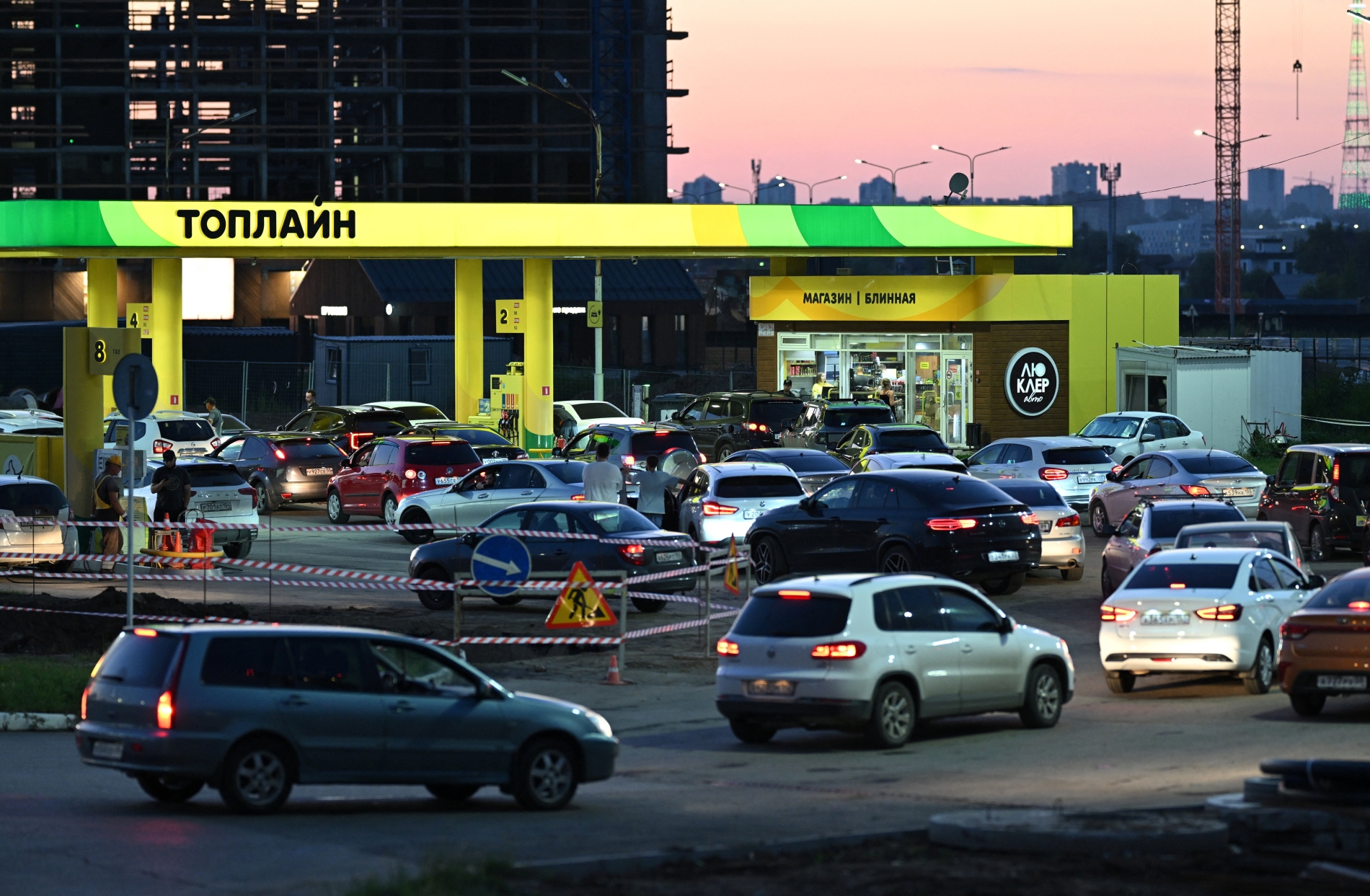
Fuel queues in the world’s third-largest oil-exporting nation is not a sight most would expect to see, but for several weeks now, long lines of vehicles have formed outside gas stations across Russia, from Siberia through Moscow and down even to the occupied Ukrainian peninsula of Crimea. A country that produces around 10.3 million barrels of oil and condensates per day (bpd), nearly 3.8 billion barrels a year, is having to ration, as drivers scan apps for forecourts with petrol or diesel.
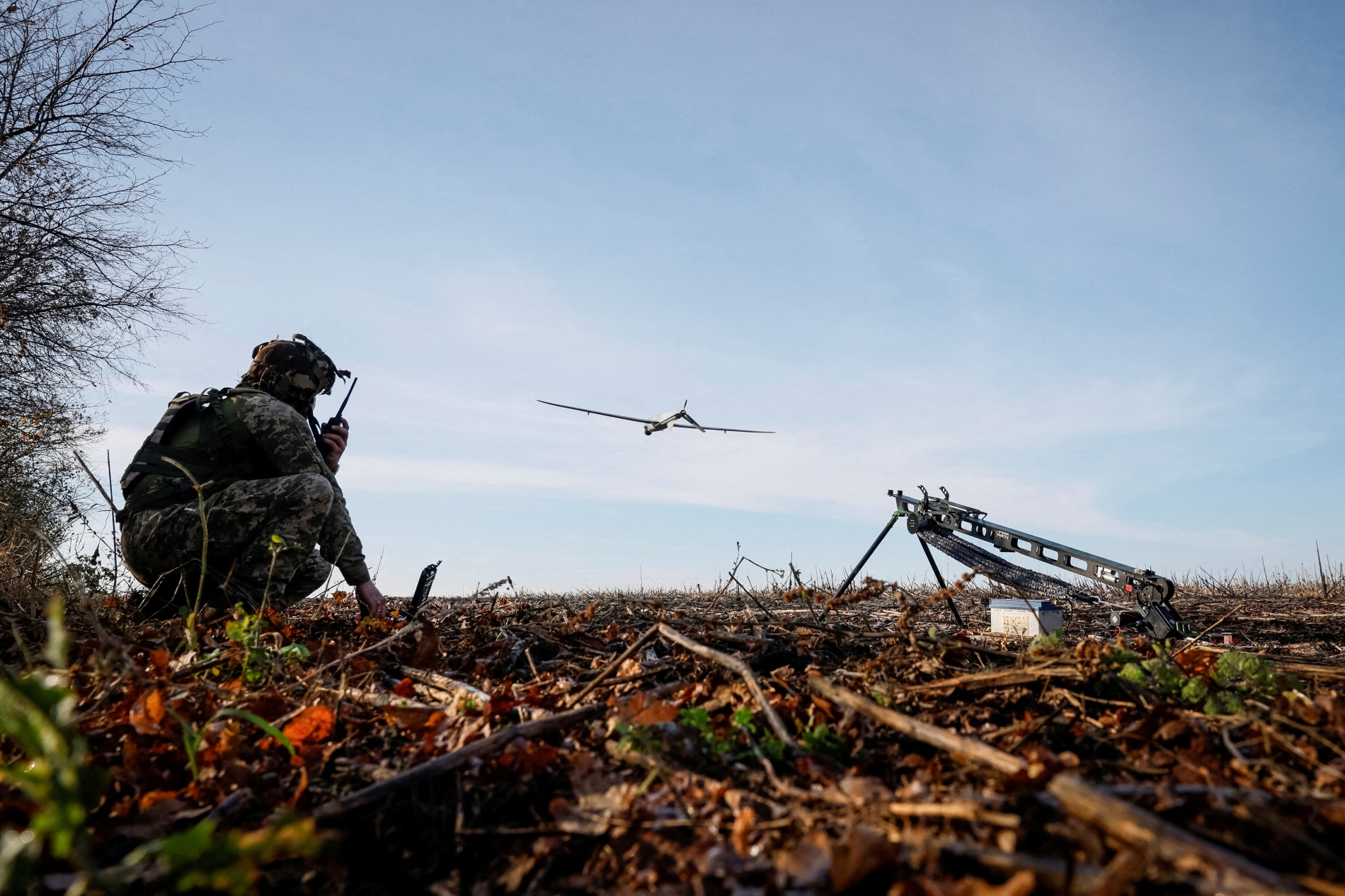
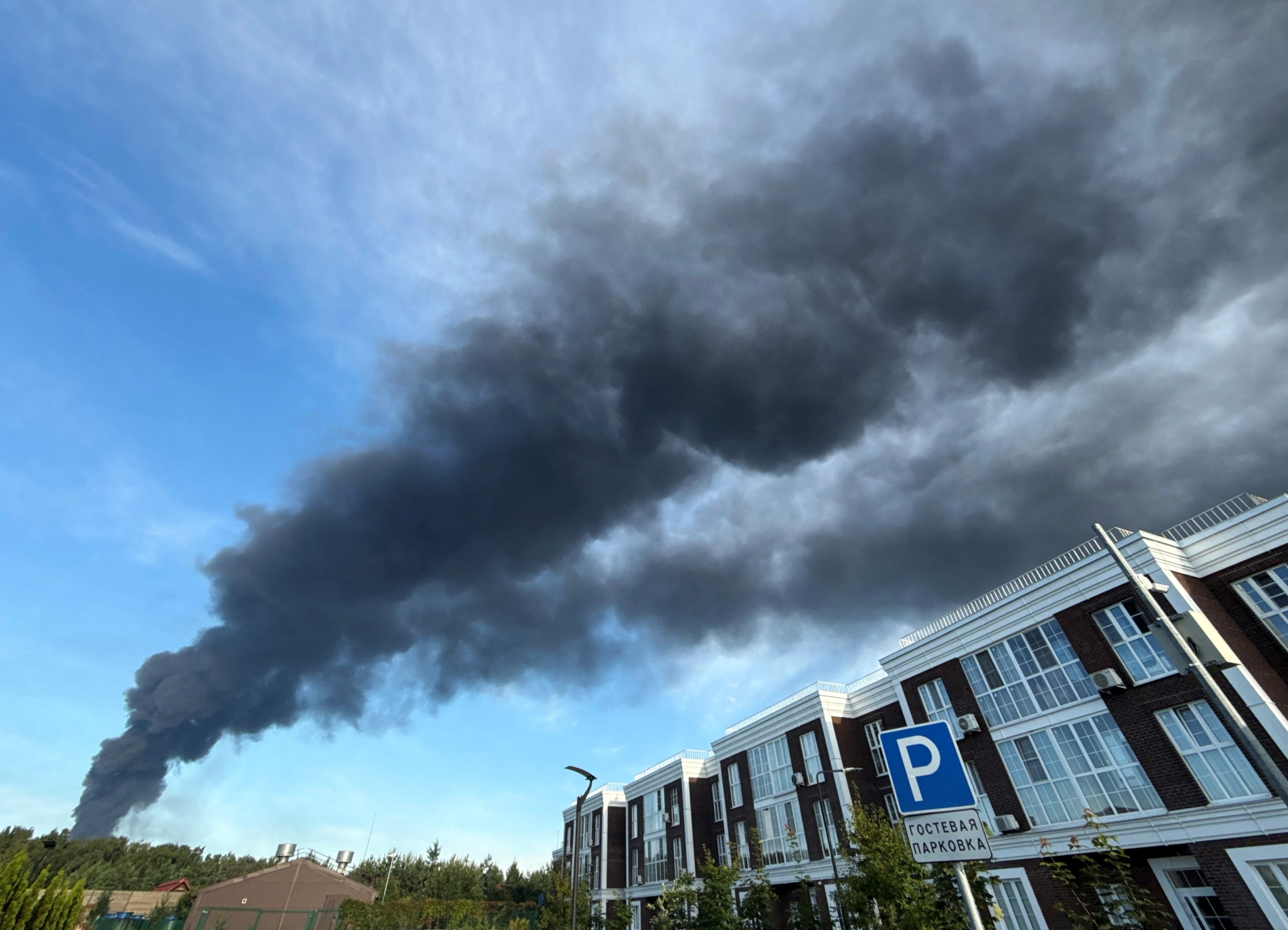
Why? Ukrainian drone attacks have targeted refineries, storage depots, and supply routes, unsettling the fuel market and exposing its underlying fragilities. In the Siberian city of Omsk 2,250km east of Moscow that is home to Russia’s largest oil refinery, cars queued for fuel after Ukrainian drones struck on 6 July. Owned by Gazprom Neft, the giant refinery can process around 460,000 bpd. Some stations suspended sales, as fights broke out between motorists.
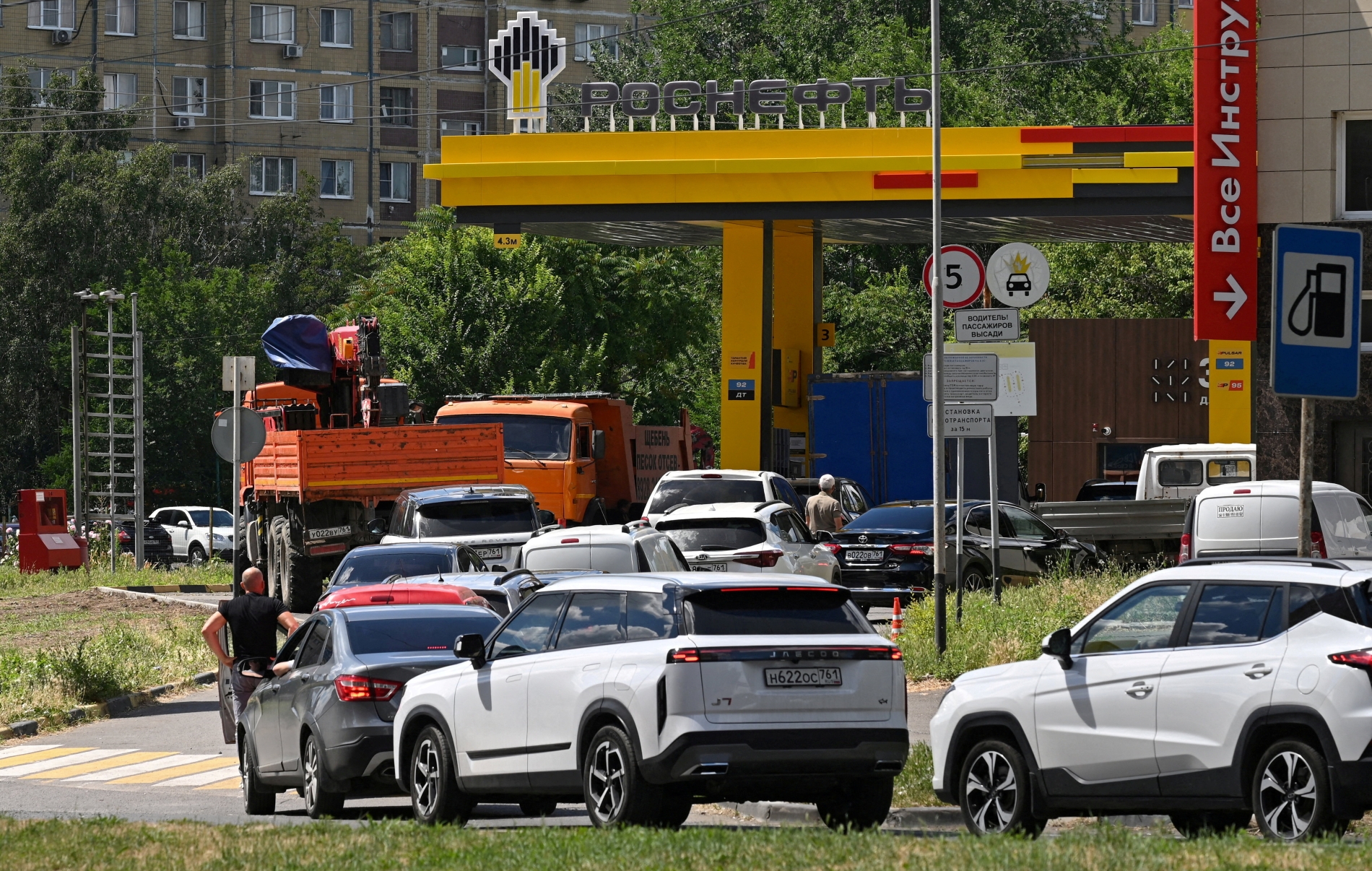
Throughout June, most Russian regions introduced some form of restriction on fuel sales, limiting the amount of petrol or diesel motorists could purchase in a single transaction. As the crisis intensified, officials in Siberian regions asked companies to introduce remote working and reduce energy consumption, according to Politico. Fuel exports were banned, and before long, Russian President Vladimir Putin was promising measures to stabilise the fuel market, as public anger rose.
The authorities appealed for calm and said they were moving swiftly to resolve disruptions in the supply chain, but those assurances have done little to prevent the crisis from intruding upon daily life. A monthly survey by the Levada Centre, an independent Russian polling organisation, found that the proportion of Russians who believed the country was moving in the right direction had registered its steepest monthly fall since 2018, from 61% in May to 52% in June.
Changing strategy
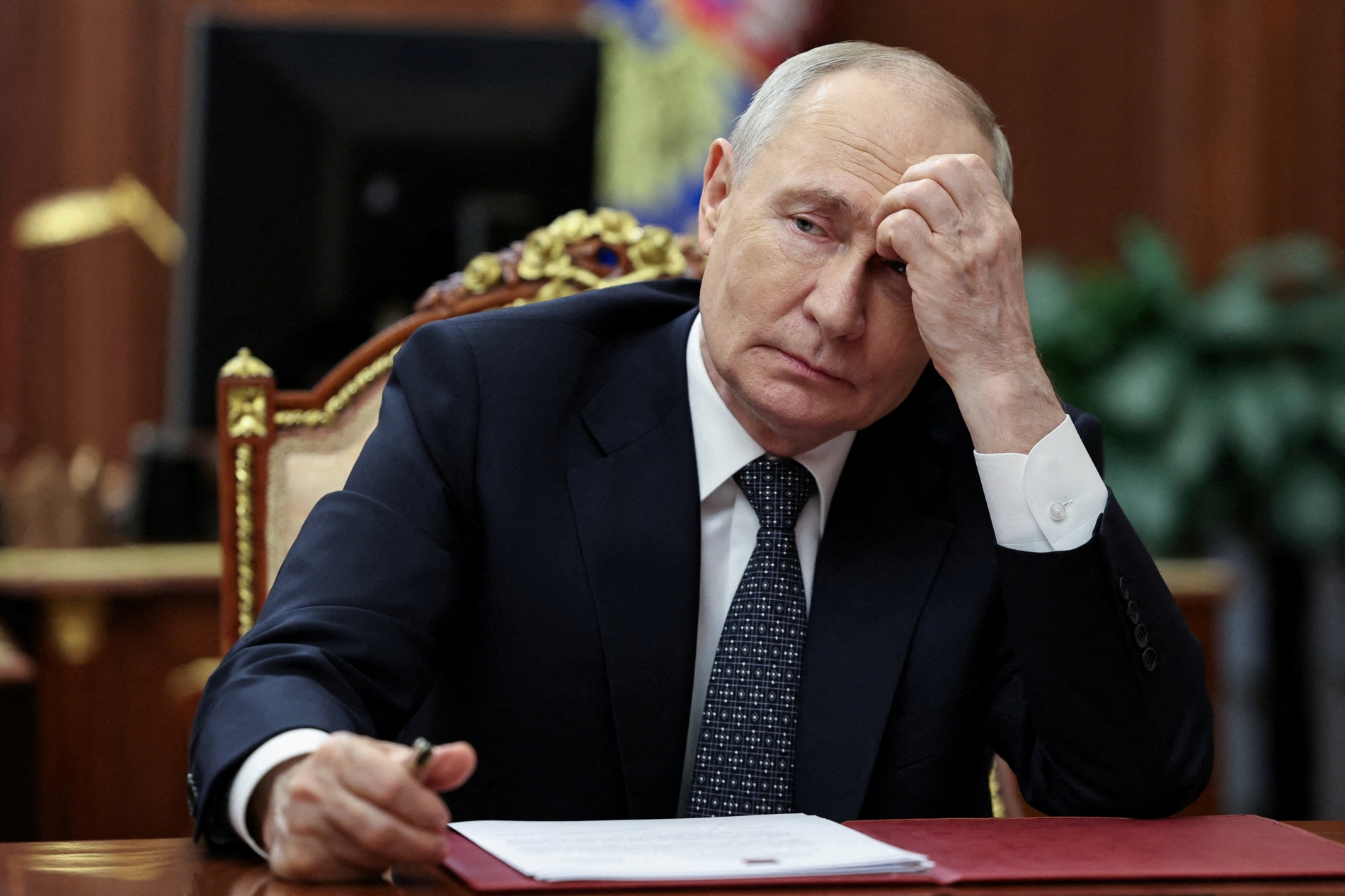
Most analysts doubt that the oil crisis will compel the Kremlin to change course in Ukraine. Nina Khrushcheva, professor of international affairs at The New School in New York, is among those who think that Putin was not budge. “The more pressure he faces, the more likely he is to respond with greater aggression and repression,” she told the BBC. Wearing military uniform to meet senior commanders, he declared that Russian forces retained the “strategic initiative” in Ukraine and promised further advances.
Yet the consequences of Kyiv’s “long-range sanctions” are becoming increasingly difficult to ignore, with Ukraine no longer concentrating its campaign on oil wells. Its attacks have now shifted towards the most sensitive and economically consequential links in the oil value chain: refining, storage, and distribution.
The resulting crisis exposes a deeper weakness. Russia’s economy grew by 4.1% in 2024, outpacing most European economies, so why has the disruption of several refineries caused petrol queues across the country? The answer leads to a more fundamental question about the structure of the Russian economy after more than three years of Western sanctions: how far has Moscow truly succeeded in diversifying it?
Defying expectations
When the US, the EU and their allies imposed the largest package of economic sanctions in modern history on Russia in 2022, most Western forecasts pointed towards a deep recession and a collapse in public finances, with Russia expected to suffer heavily as it lost access to European markets and Western technology. The outcome proved markedly different. Alongside strong growth rates, unemployment fell to historic lows (2.6% in April 2024 then 2.2% in May 2025).
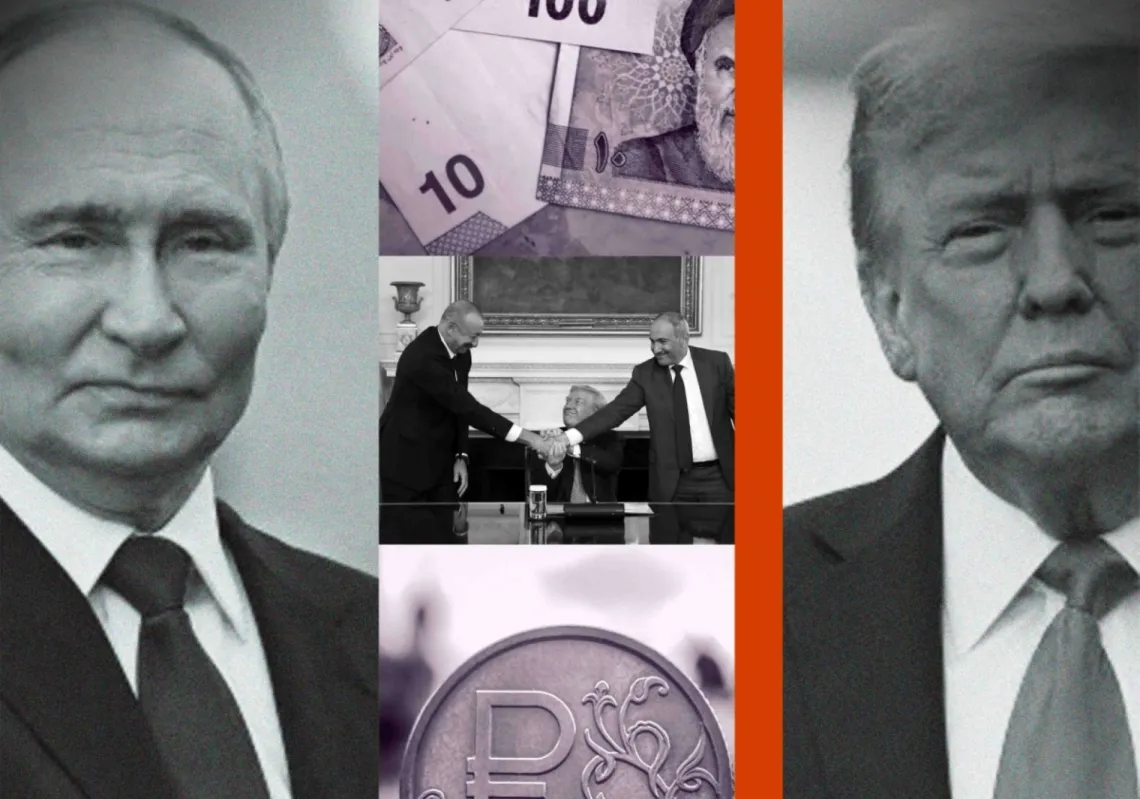
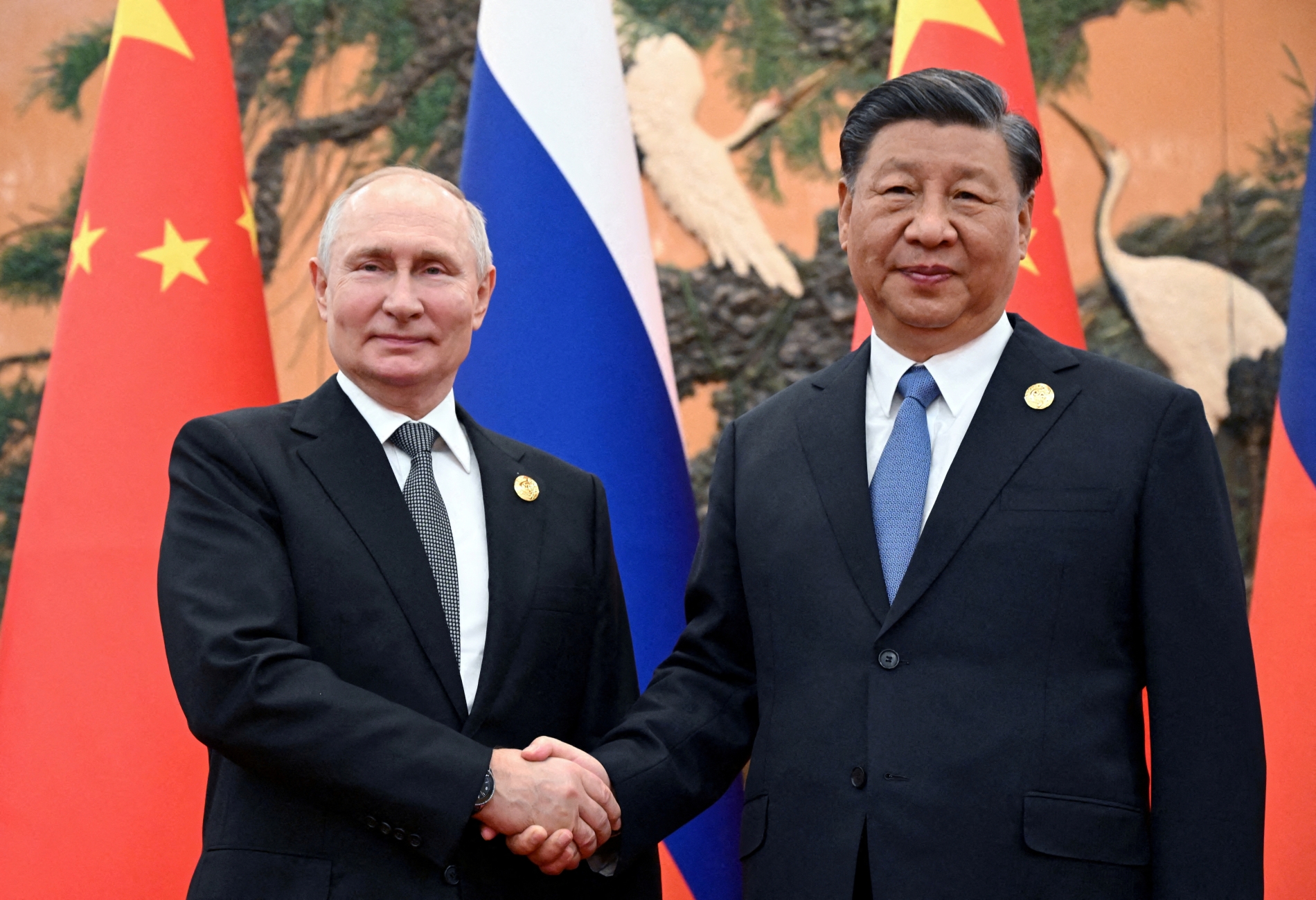
Russian Deputy Prime Minister Alexander Novak said Moscow had redirected most of its crude exports to Asia, as the country absorbed the initial shock by rerouting trade, reorganising supply chains, and finding alternative buyers. Many in Russia concluded that Western sanctions had failed. The Kremlin presented it as proof that the country could adapt to the West’s “economic blitzkrieg,” saying Russia’s economy was now “more adaptive, resilient and sovereign”.
Has Russia genuinely diversified its economy? Where did these impressive growth figures come from? Gross domestic product (GDP) measures the volume of production and economic activity, but reveals far less about the character of that growth or its durability. GDP can show how much an economy has expanded, but cannot explain what generated that expansion. Output may rise because investment in education, technology and productive capacity has increased, or because military expenditure and weapons production have surged.
Increased spending
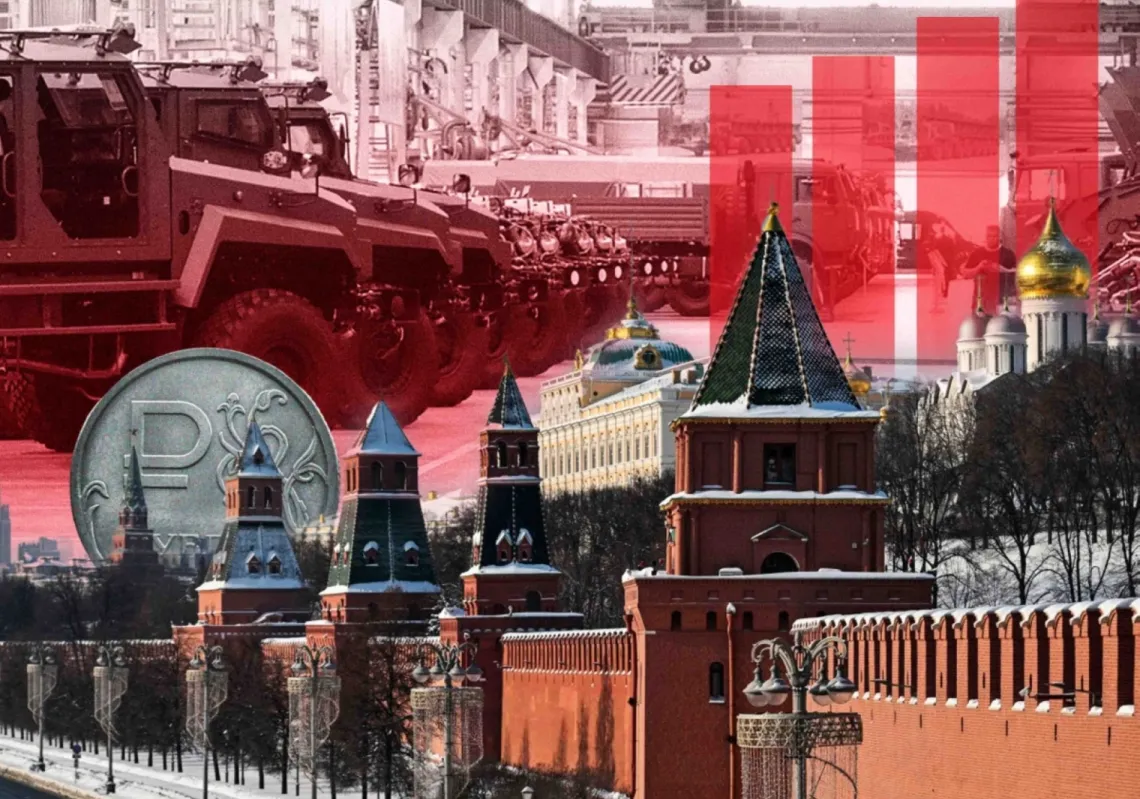
The distinction lies at the heart of Russia’s recent economic performance. Some think much of the growth recorded since 2023 was driven by increased government spending on the war effort, rather than by technological innovation or private-sector dynamism. The IMF has attributed Russia’s recovery to higher military expenditure, government transfers, and investment. Its chief economist, Pierre-Olivier Gourinchas, described Russia as a “war economy” sustained by public spending devoted to the conflict.
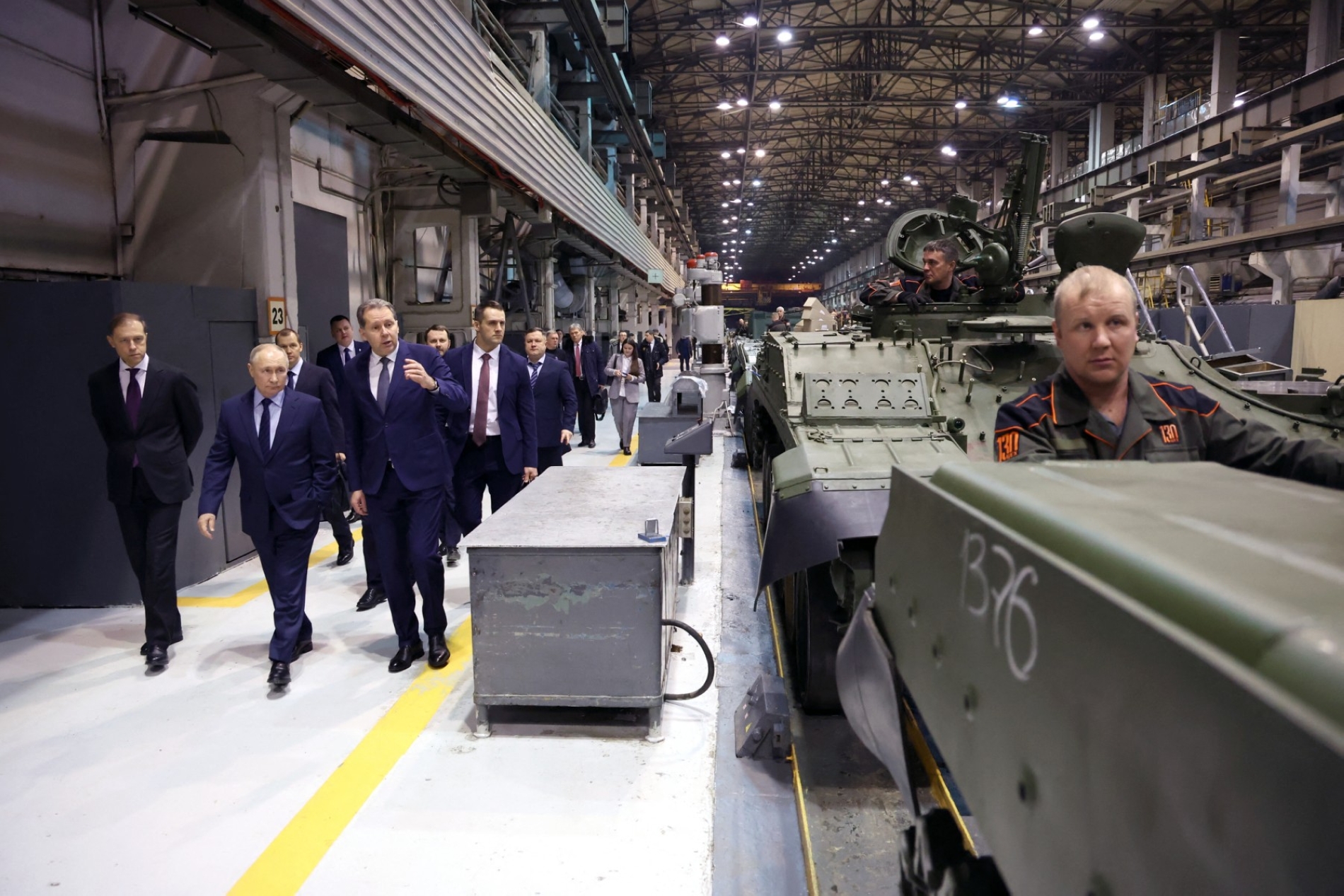
That expenditure lifted output but also fuelled inflationary pressure. Moscow channelled hundreds of billions of roubles into factories producing ammunition, tanks, missiles and drones. Thousands of plants began operating at capacity, creating intense demand for labour, raw materials, transport and logistics (hence the unemployment figures).
Defence spending reached 10.8 trillion roubles (around $117bn) in the 2024 budget, according to Russian Finance Minister Anton Siluanov. In the 2025 budget, it rose to 13.5 trillion roubles ($145bn), or 6.3% of GDP—almost a third of total government expenditure, the highest level since the end of the Cold War. The effects spread rapidly across the wider economy. As defence expenditure climbed, defence companies’ order book bulged.
Putin said that “almost all defence-industry enterprises” had completed their government contracts in full during 2024. He also reported that production of communications, reconnaissance and electronic-warfare systems had doubled, while more than 1.5 million drones were manufactured. The expansion of military production stimulated demand for metals, chemicals, transport and logistical services, helping to sustain industrial output. It also bound a growing share of economic activity to the requirements of the war.
Import substitution
One of the Kremlin’s principal arguments in defence of its economic record is that Western sanctions compelled Russia to manufacture goods it had previously imported, a policy known as import substitution. The government cites industrial data as evidence of progress. According to Russia’s federal statistics agency, Rosstat, manufacturing retained strong momentum in 2025, expanding by 3.9%.
Production of transport equipment rose by 32%, fabricated metal products by 18% and pharmaceuticals by 15.4%, while output of computers, electronic goods and optical products increased by 11.7%. Yet data from more advanced industries is less favourable. An internal assessment by Russia’s Ministry of Economic Development, reviewed by The Financial Times, found that the country remained dependent on imported energy equipment, machinery, electronics, and drone components, much of which was supplied by China. In other words, Russia has merely altered the geography of its dependence.
Oil in state finance
Elena Lebedinskaya, from Russia’s Ministry of Finance, told Rossiyskaya Gazeta that reducing reliance on oil and gas income had made the federal budget more resilient. By the end of 2025, she said, oil and gas revenues had fallen to 22.7% of total federal income, roughly half the level in 2015. Overall budget revenues nevertheless continued to rise. In 2025, it was up to $445bn, about $101bn of which came from oil and gas. Non-oil and gas revenues accounted for the other 77.3%. But in 2024, revenues were $406.5bn, of which only 69.7% came from non-oil and gas sources.
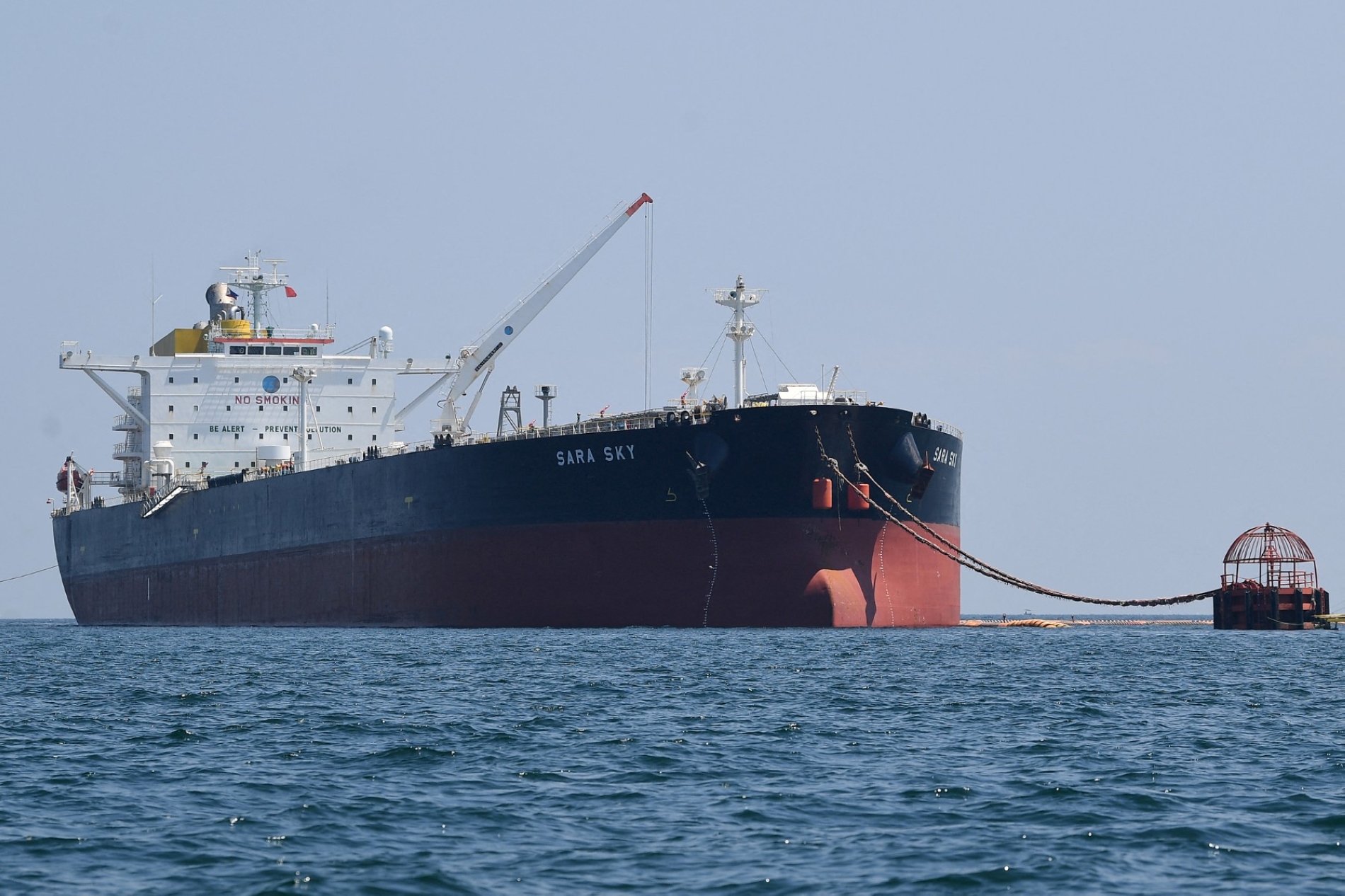
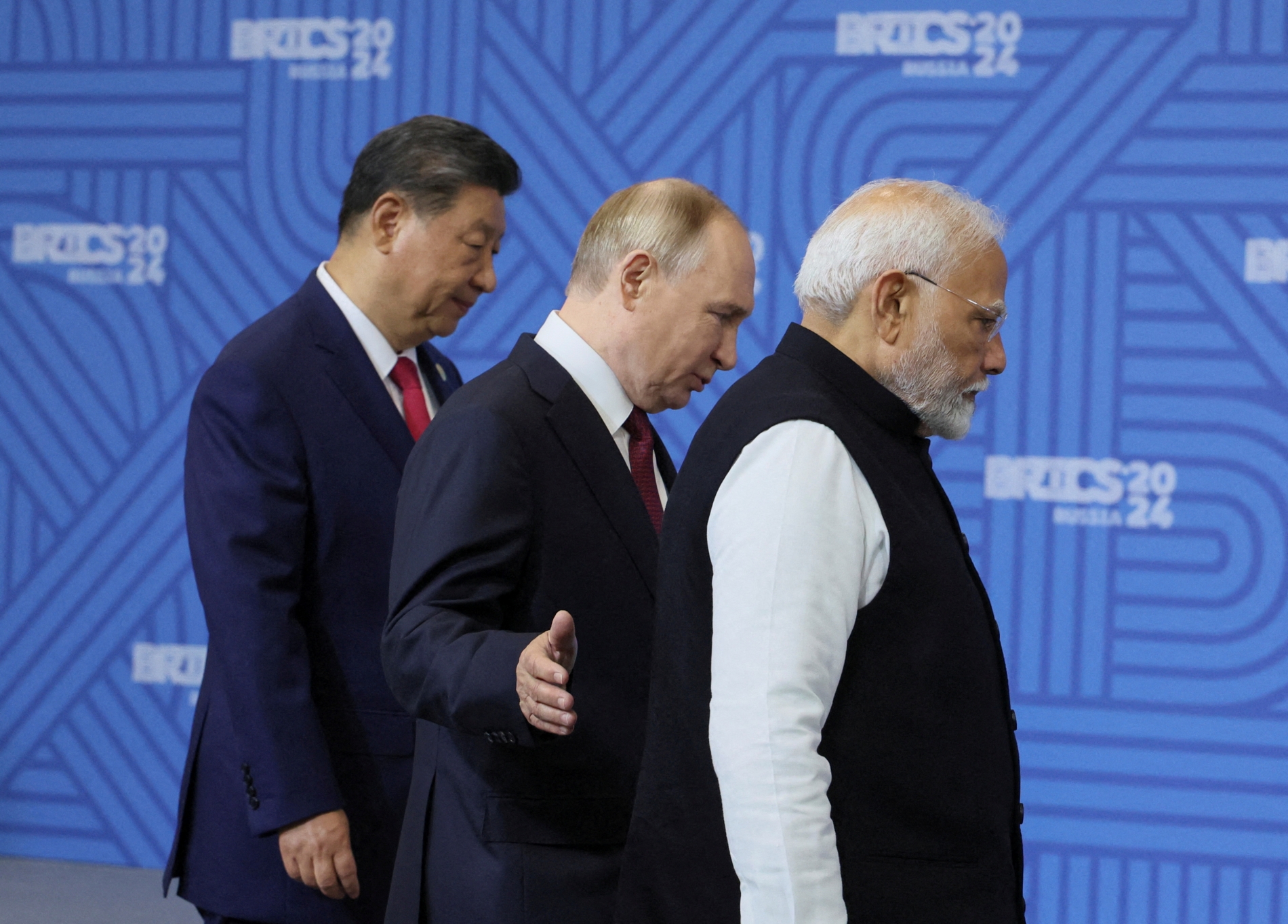
Oil and gas remain the country’s principal source of foreign currency. According to Russian Deputy Prime Minister Alexander Novak, China and India now absorb around 80% of Russian oil exports, replacing Europe as the principal market. The International Energy Agency said Moscow was offering Asian customers substantial discounts.