The veteran writer is the first winner of the new BRICS Literature Award. She speaks to Al Majalla about societal changes, political Islam, and why she never re-reads her novels.
The UAE backs southern Yemenis who want secession, while Saudi Arabia wants a unified Yemen. Egypt also favours unity, but is close to both Gulf states, putting it in a difficult position.
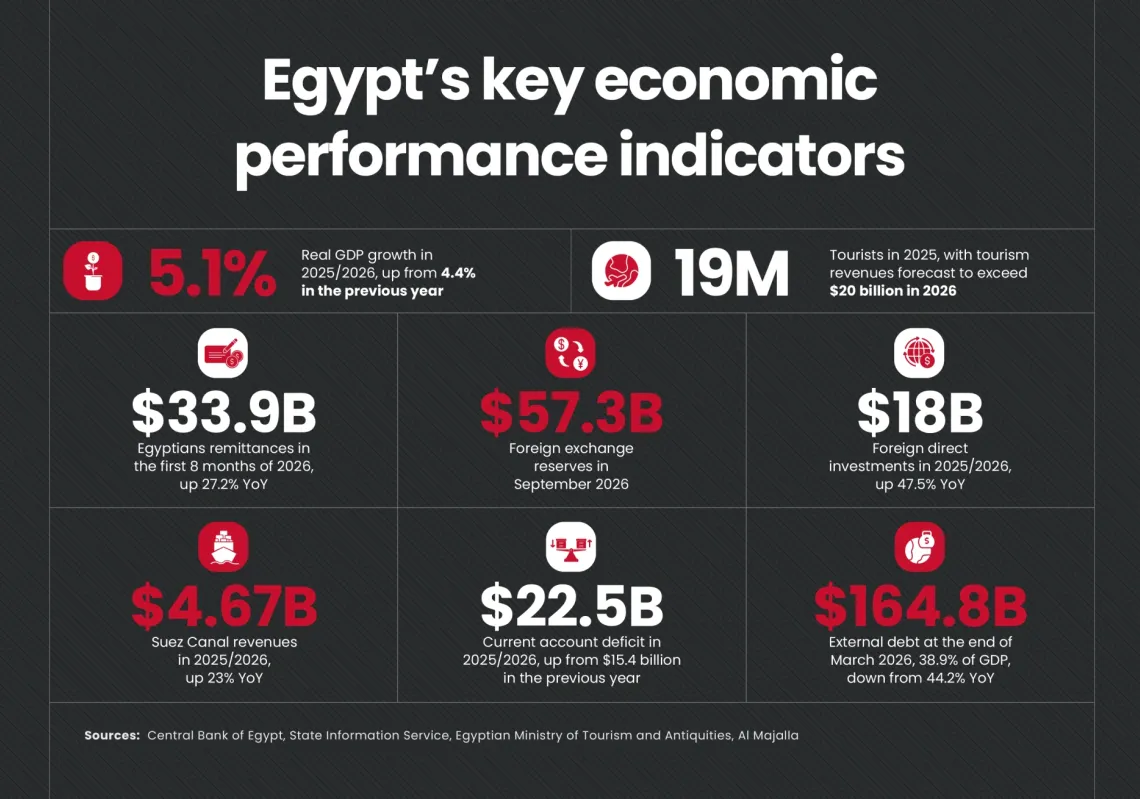
Debt is colossal but there are promising indicators, not least in inflation, legal reforms, the sale of government assets, and monetary stability. Will these green shoots be allowed to grow and bloom?
More than 160 years after the first tram was inaugurated in the Egyptian city, the pace of life has forced change, replacing the much-loved old carriages holding memories of a bygone age
One of the world's best players in recent years, the striker is now 33 and after a few poor games, he found himself on the substitutes' bench. It was a long journey to here. Where next?
A $35bn gas supply deal between these two neighbours is being held up by political disagreements, some of which relate to their 1979 peace treaty. What next for the Israel-Egypt relationship?
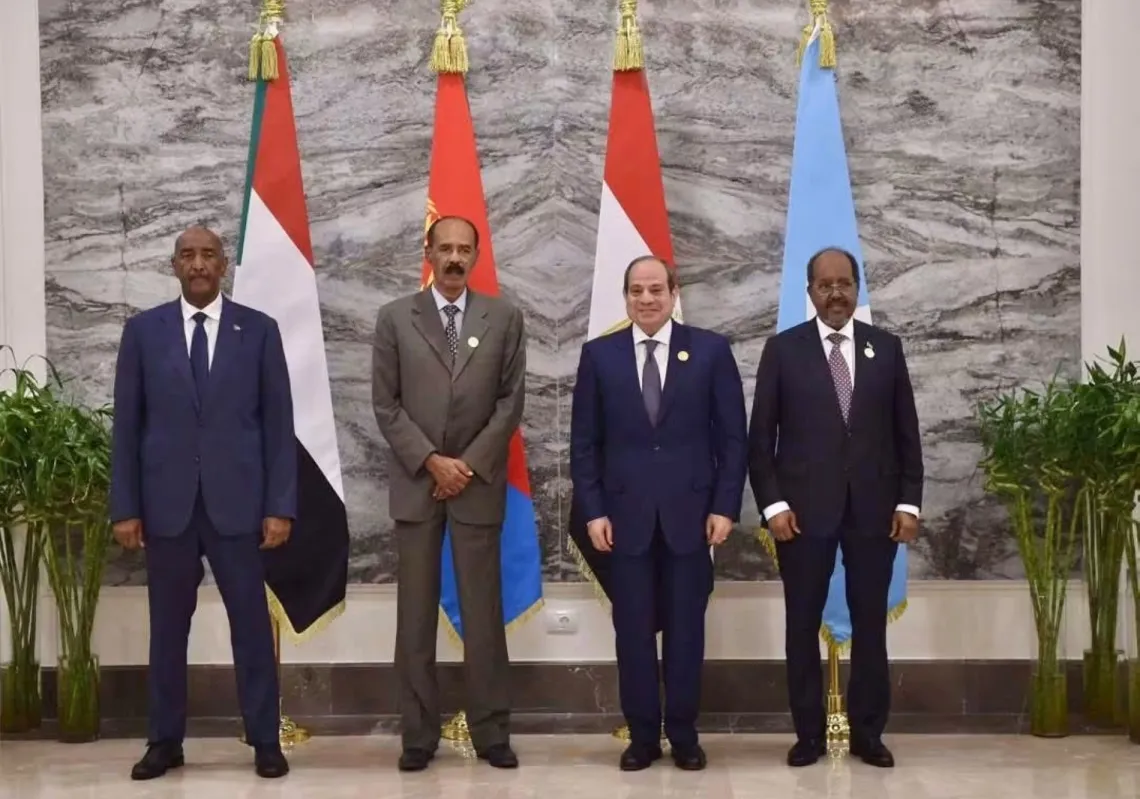
Sudan's army needs a Russian lifeline to avoid collapse in the ongoing civil war. The price is a naval facility in Port Sudan, giving Moscow access to the Red Sea.
Quality assurance issues for locally made drugs, shortages in some areas, and the dizzying cost of imported medicines makes it a bad time to get ill in Egypt.
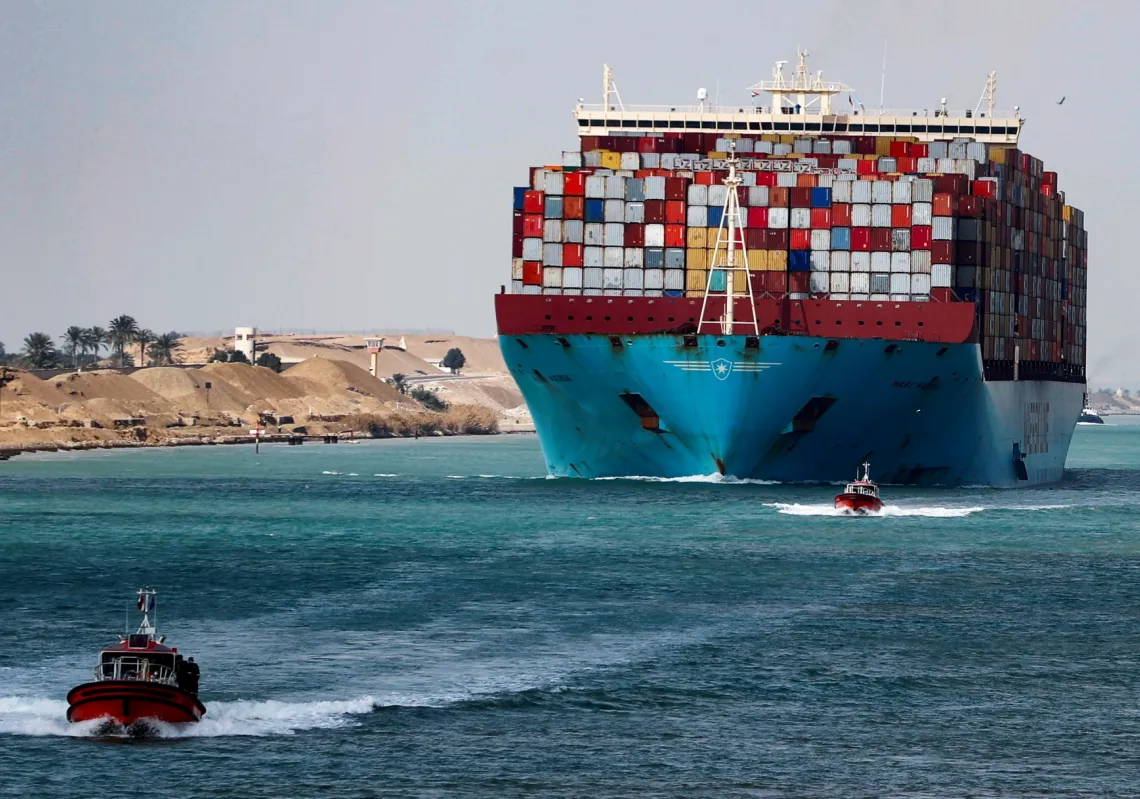
With nuclear know-how from Russia, weapons from America, infrastructure from China, and money from the Gulf, Egypt is making the most out of a world with many powers.
In an interview with Al Majalla, the prominent French jurist discusses Israeli and Western duplicity, their violation of international law, and why Israel bears the cost of Gaza's reconstruction
Tehran's elite have few friends, but regional states fear the consequences of a disorderly transition. If Iran's 92 million people turn on one another, it could cause millions to flee abroad.
Going forward, the international community needs to reduce dependence on the US without upsetting the world's largest military and economic power. It will be a shaky tightrope to walk.
Scrapping foreign ownership caps and qualifying criteria will bring in more capital, with markets reacting positively to the latest reforms that build towards a more open country