
For decades, American support for Israel has been one of the few enduring constants in US foreign policy, with Democratic and Republican administrations alike treating it as a given. White House support for Israel is rarely questioned in Washington and is broadly accepted by the American public.
That consensus is now under strain—and the war with Iran is accelerating the shift. A Gallup poll last month captured a turning point. For the first time since Gallup began measuring the issue, Americans expressed greater sympathy for Palestinians (41%) than for Israelis (36%). Three years ago, by the same margin, more Americans sympathised with Israel.
Public opinion rarely moves so sharply without a catalyst. The catalyst today is not only the devastating war in Gaza but also the growing perception that the United States has entered another Middle Eastern conflict with no clear understanding of what it is trying to achieve.
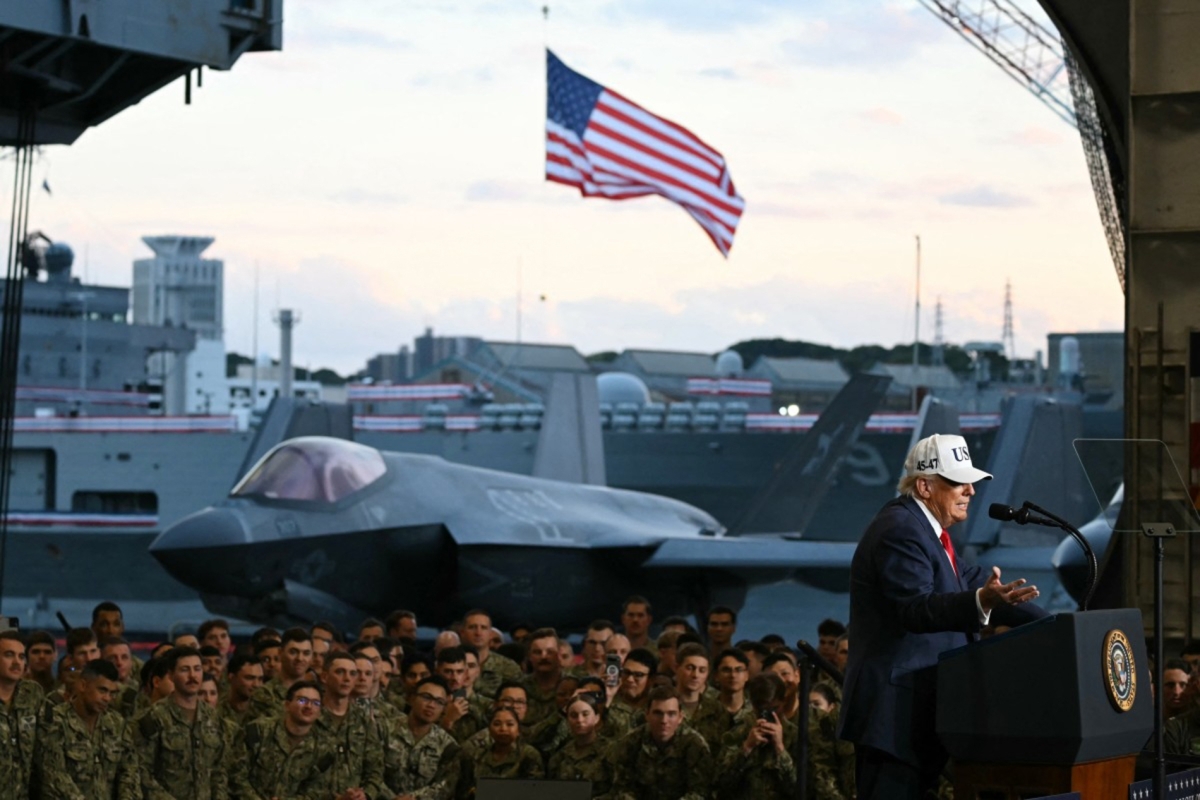
Before 28 February, polls consistently showed that most Americans opposed direct military involvement in any such a war. That opposition cut across party lines and generations, after two decades of costly conflict in Iraq and Afghanistan. Yet that is exactly what the United States is now engaged in, with objectives that appear to shift with every passing phase.
Growing remit
At the outset, the operation was described as limited and focused on degrading Iran’s nuclear capabilities and preventing the country from moving closer to a weapon. Soon, the language expanded. Officials spoke of compelling Iran to change its regional behaviour regarding its network of proxies, then of reshaping the regional balance of power, then of encouraging regime change. More recently, the administration has returned to the language of deterrence, arguing that sustained pressure will force Iran back to the negotiating table.
Each of these goals reflects a strand of strategic thinking, but together they suggest that the United States hasn't clearly defined what success in this war would look like. That shows a deeper problem. Military campaigns depend on political clarity. Commanders must know whether their mission is limited or transformational. Diplomats must know whether they are seeking negotiations or preparing for escalation. Without a stable objective, military action risks becoming an open-ended process, rather than a strategy.
The consequences of this ambiguity are already visible. Diplomatically, American partners in the Middle East have grown cautious. Gulf Arab states, whose cooperation is vital to regional stability, are wary of a prolonged confrontation where the trajectory remains uncertain. Saudi Arabia’s tentative steps toward normalisation with Israel have slowed dramatically amid the regional tensions.
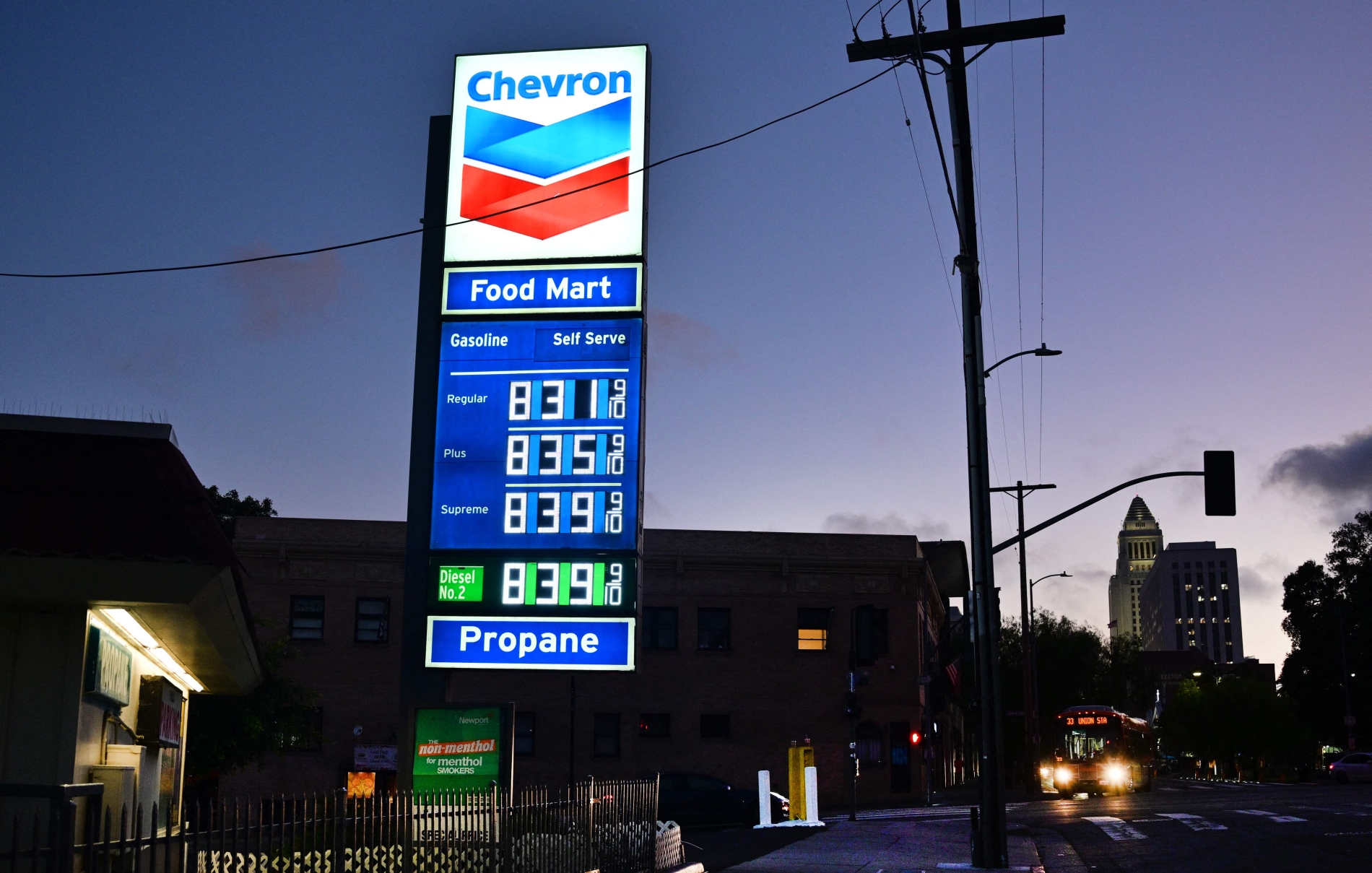
European allies are equally uneasy. Many were not consulted before the war and are now left to suffer its economic consequences, not least from energy market disruption after Iran closed the Strait of Hormuz, perhaps the world’s most critical maritime chokepoint. Oil prices have surged as a result, with Western consumers feeling the effects at the pump. Policymakers now face the spectre of inflation.
Broader impact
Globally, the ripple effects are spreading. Shipping insurance for vessels operating in Gulf waters has spiked. Supply chains linked to Middle Eastern energy routes are tightening. Defence spending is climbing in ways that will eventually surface in Washington’s fiscal debates.
The broader economic vision that once accompanied American diplomacy in the region—regional integration, investment corridors, expanding trade between Israel and its Arab neighbours—has stalled. What was supposed to be a limited conflict increasingly carries the economic footprint of a long-term commitment. Yet behind these challenges lies a more fundamental strategic dilemma: the United States and Israel seem to have differing objectives in this war.