Egypt steps up its balancing act amid Yemen rift

The UAE backs southern Yemenis who want secession, while Saudi Arabia wants a unified Yemen. Egypt also favours unity, but is close to both Gulf states, putting it in a difficult position.

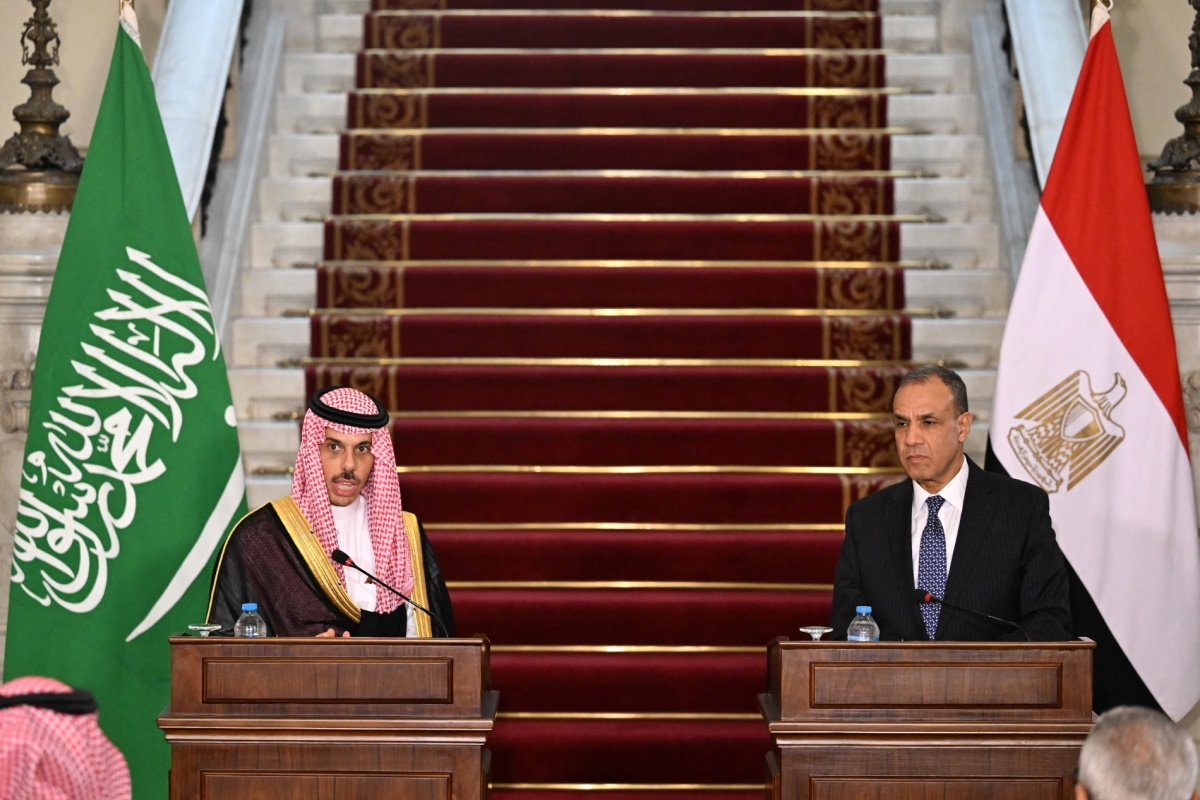
Saudi Arabia's Foreign Minister Faisal bin Farhan (L) gives a joint press conference with his Egyptian counterpart Badr Abdelatty (R) at Tahrir Palace in the centre of Cairo on September 10, 2024.
Khaled DESOUKI / AFP
Saudi Arabia's Foreign Minister Faisal bin Farhan (L) gives a joint press conference with his Egyptian counterpart Badr Abdelatty (R) at Tahrir Palace in the centre of Cairo on September 10, 2024.

Egypt steps up its balancing act amid Yemen rift

Saudi Arabia and Egypt are very much on the same page when it comes to wanting to preserve a unified Yemen, in the wake of an attempt by southern secessionists in December 2025 to establish the new state of ‘South Arabia’. On 5 January, Yemen’s unity, sovereignty, and territorial integrity were key issues being discussed in Cairo between Saudi Foreign Minister Prince Faisal bin Farhan, Egyptian President Abdel Fattah el-Sisi, and Egyptian Foreign Minister Badr Abdelatti.

Egypt has had to navigate the situation with delicacy, given that two of its closest allies—Saudi Arabia and the United Arab Emirates—appear to have had different interests in southern Yemen. Riyadh supports the internationally-recognised government, whose leaders were forced out of Aden in December, whereas the Emiratis appear to have been supporting the secessionists, led by the Southern Transitional Council (STC).

Promoting neutrality

Cairo has sought to maintain strong ties with both Riyadh and Abu Dhabi, while safeguarding its own interests, which explains the cagey statement issued by the Egyptian Foreign Ministry on 2 January, shortly after Saudi-led airstrikes targeted an alleged UAE-linked arms and vehicles shipment at Mukalla port in eastern Yemen.

It avoided criticism of any party, instead expressing concern, reiterating calls to preserve Yemen's unity and territorial integrity, and emphasising the importance of Yemeni-led dialogue towards a political resolution. In effect, it sought to promote Egyptian neutrality and promote de-escalation. Egypt has good reason to be cautious. Both Saudi Arabia and the UAE are big investors.

Saudi investments are worth around $25bn. Beyond that, Riyadh has provided unwavering financial, political, and diplomatic support to Cairo, particularly during times of economic and political turmoil. It has been a critical partner in Red Sea security, which is so important for Egypt’s Suez Canal transit fees worth billions of dollars annually, and the two nations align on Sudan, Gaza, and the Horn of Africa.
Courtesy of Egypt's government
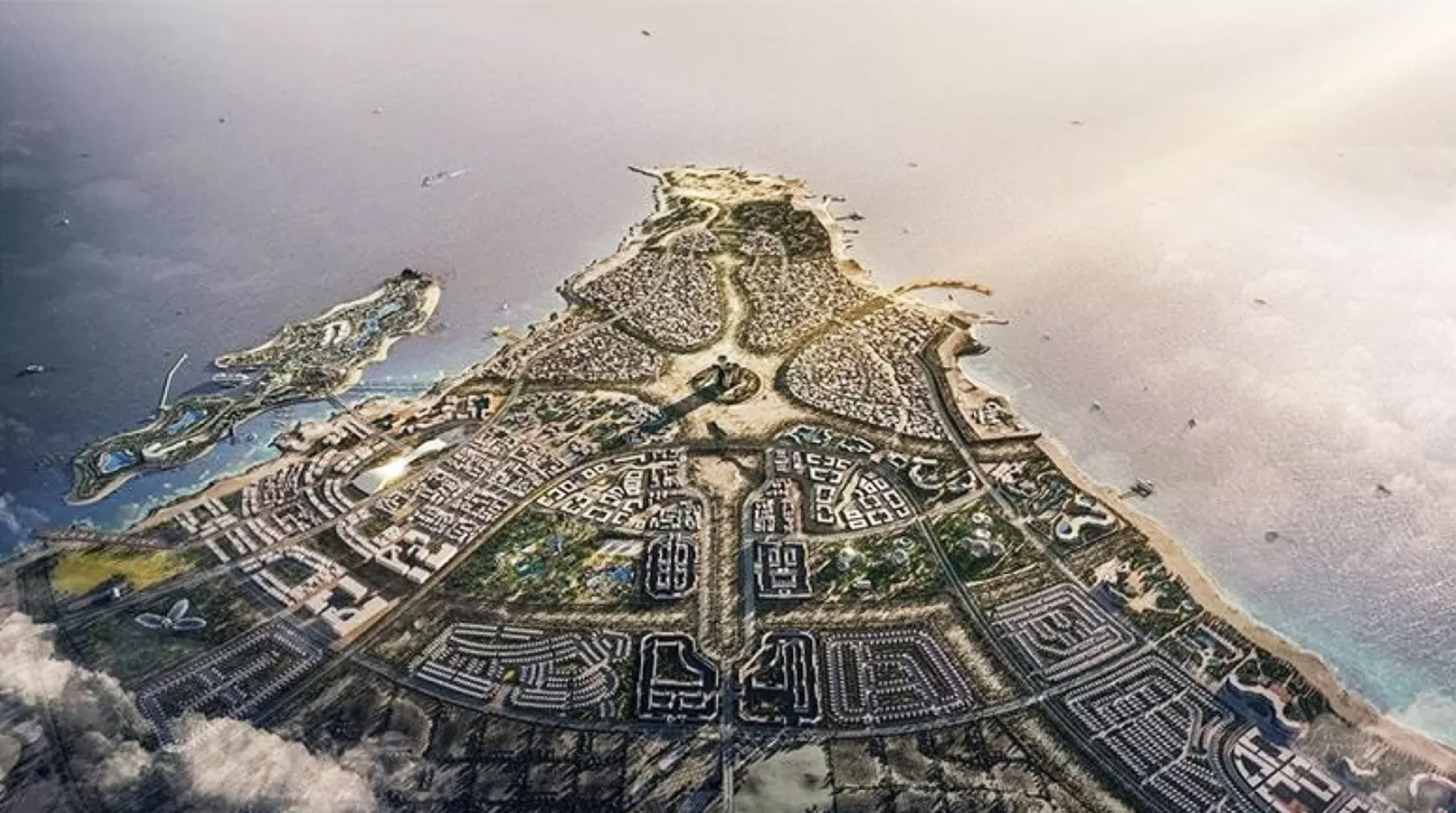
The Ras El-Hikma development project could bring in up to $150bn of investment over its lifetime, according to Egypt's prime minister.

Mega investment

Equally important is the UAE. Over the past decade, it has become Egypt's primary financial lifeline and largest foreign investor, including the huge $35bn Ras El-Hekma development project on Egypt's Mediterranean coast. Abu Dhabi's investments have been key in stabilising the Egyptian economy, and Cairo and Abu Dhabi discuss a wide range of issues during frequent high-level visits, including those by UAE President Mohamed bin Zayed to Egypt's capital and coast.

These intertwined relationships have created a complex challenge for Egypt, as the two Gulf heavyweights clash over Yemen's future. Yet Egypt is becoming well-practised at engaging constructively with opposing powers, as evidenced by its strong ties to the United States, Russia, and China. It receives US military aid, yet its armed forces also buy and operate Russian, European, Chinese, and even South Korean equipment. Egypt is now having to extend this pragmatic multi-polarity to its important Gulf alliances.
Egypt is becoming well-practised at engaging constructively with opposing powers, as evidenced by its strong ties to the US, Russia, and China

Aligning quietly

On southern Yemen's potential secession, however, Egypt has got off the fence, siding firmly with the Saudis against partition, while carefully avoiding alienating any key player. The position was reiterated in a meeting with the UN Special Envoy for Yemen, Hans Grundberg, emphasising the imperative of a united Yemen and Yemeni-led dialogue to resolve the issue.

Egyptian Foreign Minister Abdelatti spoke to UAE Foreign Minister Abdullah bin Zayed, conveying the same core principles of unity, de-escalation, and dialogue. Cairo may also soon promote a comprehensive political process to bridge the gaps between key players, in an effort to avoid Yemen's further fragmentation, with large parts of the north already controlled by the Houthis.

Cairo will need to pursue this quietly and behind-the-scenes, not with megaphone diplomacy. It appears acutely aware of the risks posed by widening inter-Arab divisions at a time when regional maps are being redrawn, and several near neighbours remain mired in crisis. Deepening rifts would only compound challenges and weaken collective resilience against mounting internal and external threats.

A fragmented Yemen would weaken the already vulnerable Arab world. Furthermore, a new southern state could be a foothold for adversarial powers, particularly Israel. The STC leader, who has since fled to Abu Dhabi, had said in 2025 that any new state in southern Yemen would join the Abraham Accords, and in December, Israel formally recognised Somaliland, raising alarms in Cairo about the Horn of Africa and the Red Sea basin.

Farhan Aleli / AFP
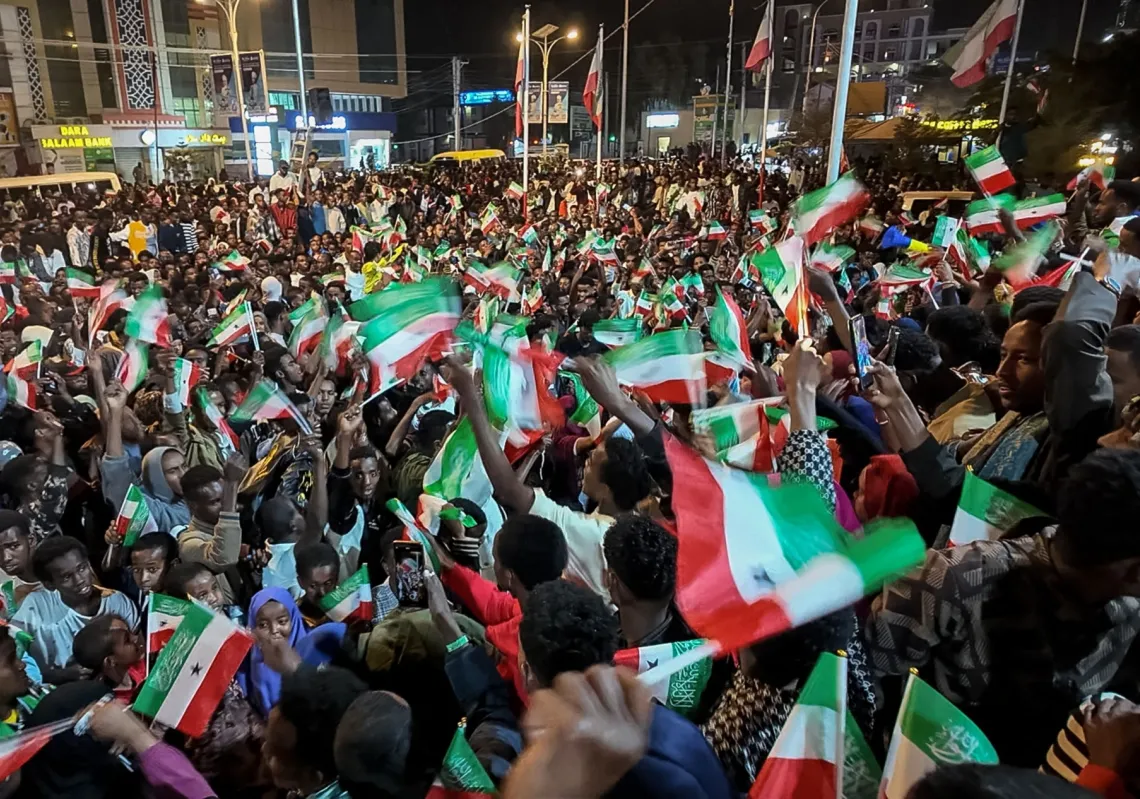
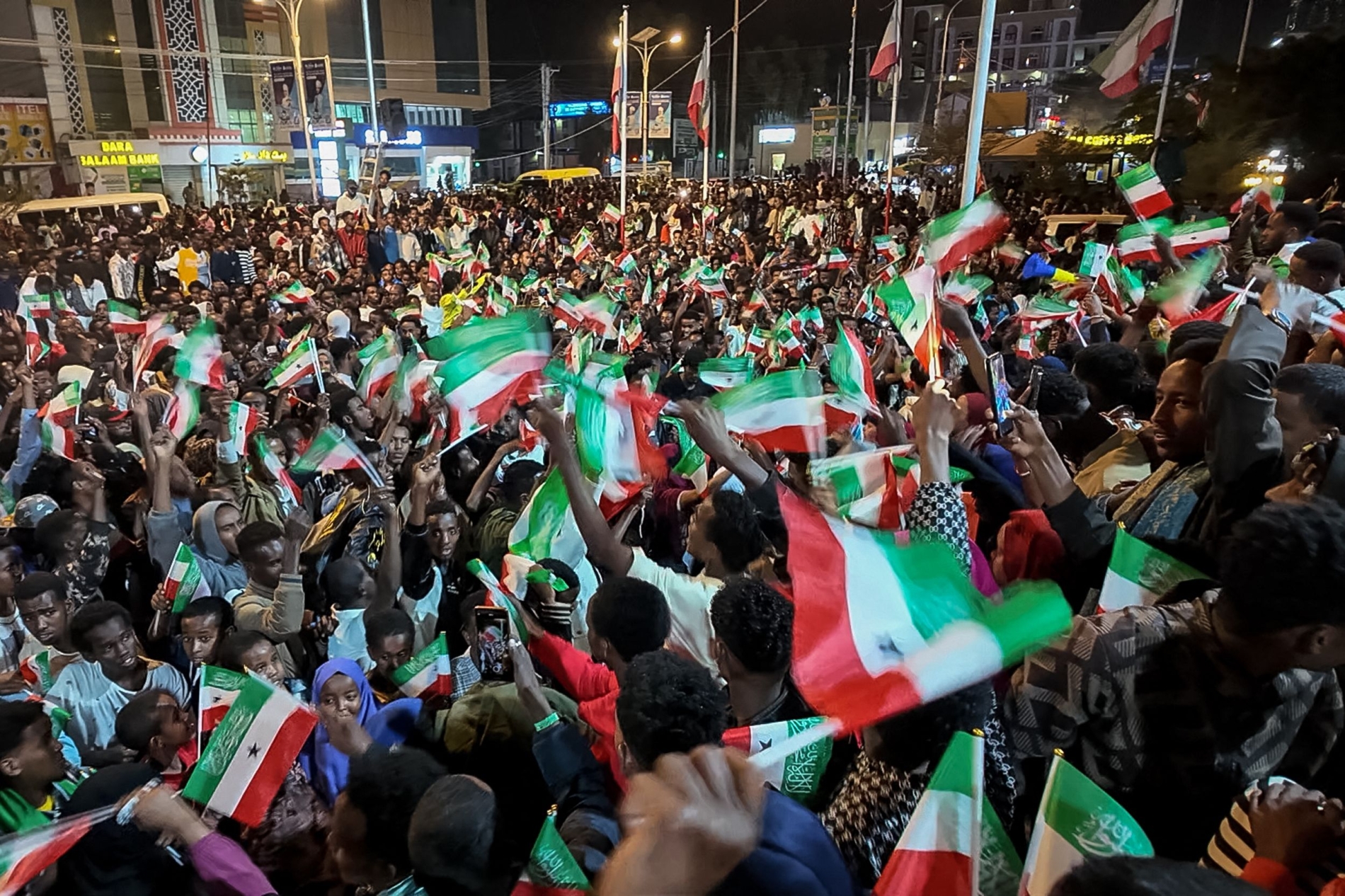
This aerial view shows residents waving Somaliland flags as they gather to celebrate Israel's announcement recognising Somaliland's statehood in downtown Hargeisa, on 26 December 2025.

Read more: Israel scores strategic win with Somaliland deal, but it comes with risk

Strategic threat

An Israeli presence in the Gulf of Aden, even if not yet materialised into a confirmed naval base, represents a direct strategic threat to Egypt, irrespective of stated intentions. It could disrupt vital maritime routes, including the southern approach to the Red Sea and the Suez Canal. It would also compound the instability from the Sudanese civil war, particularly if the Rapid Support Forces extended control to the Red Sea coast.

Read more: Why RSF gains in Sudan unnerve Egypt

Supporting Yemen's unity is entirely consistent with Egypt's foreign policy. Across conflicts in Sudan, Somalia, Syria, and Libya, Cairo has consistently advocated for territorial integrity and the preservation of state institutions, so the pattern was unlikely to change in Yemen. For Egypt, there are profound risks posed by southern Yemen's secessionists. At last, it is saying so—but saying so gently.

font change