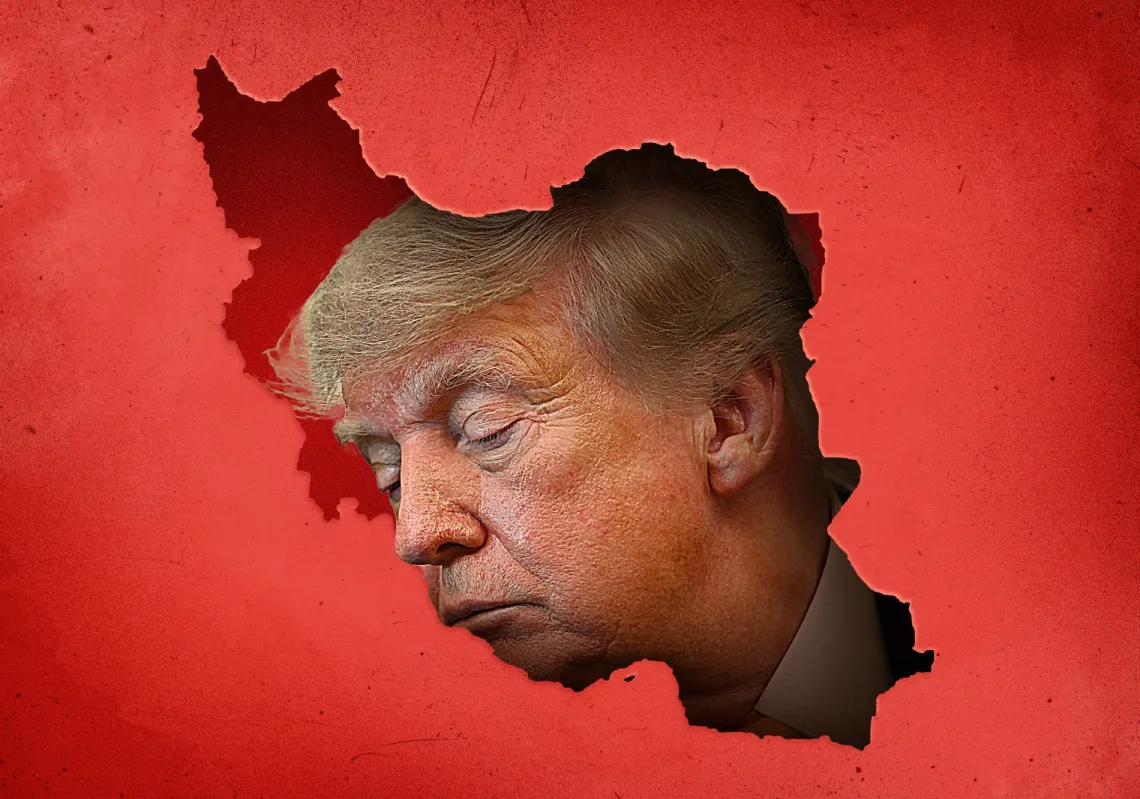
Both Tehran and Washington have powerful incentives to resolve the conflict through negotiations, but actors on all sides have reasons to derail these efforts
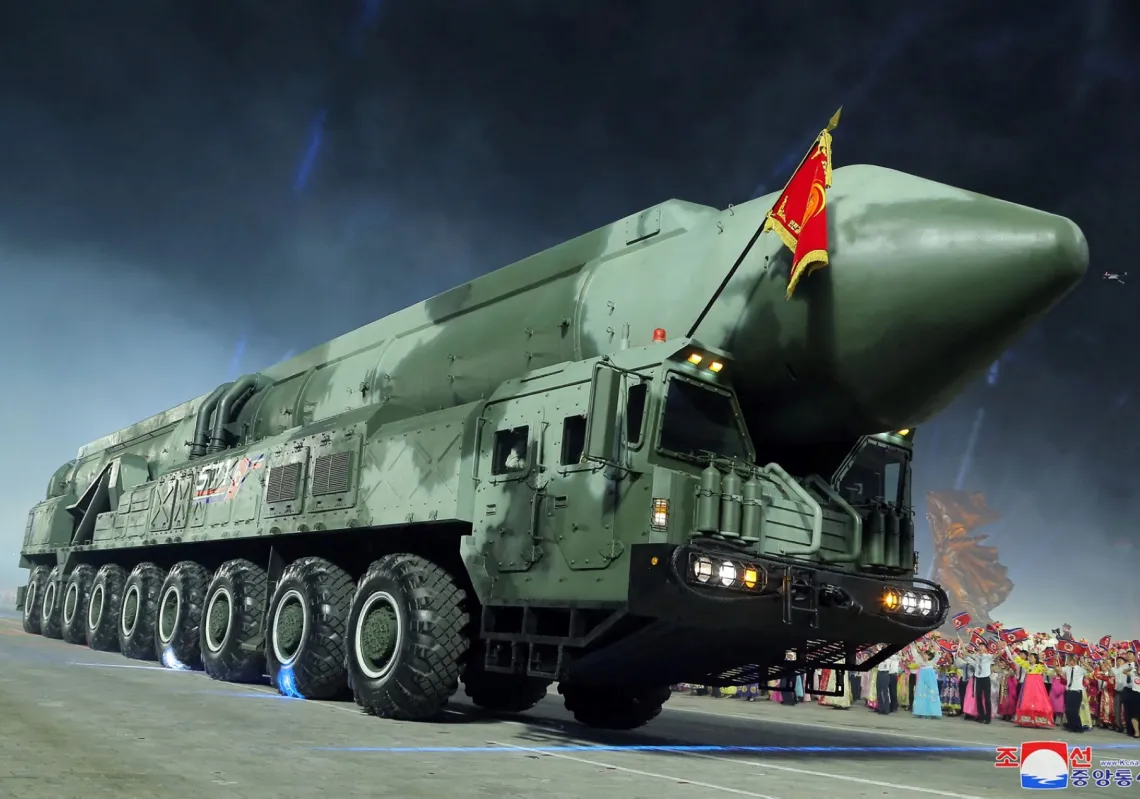
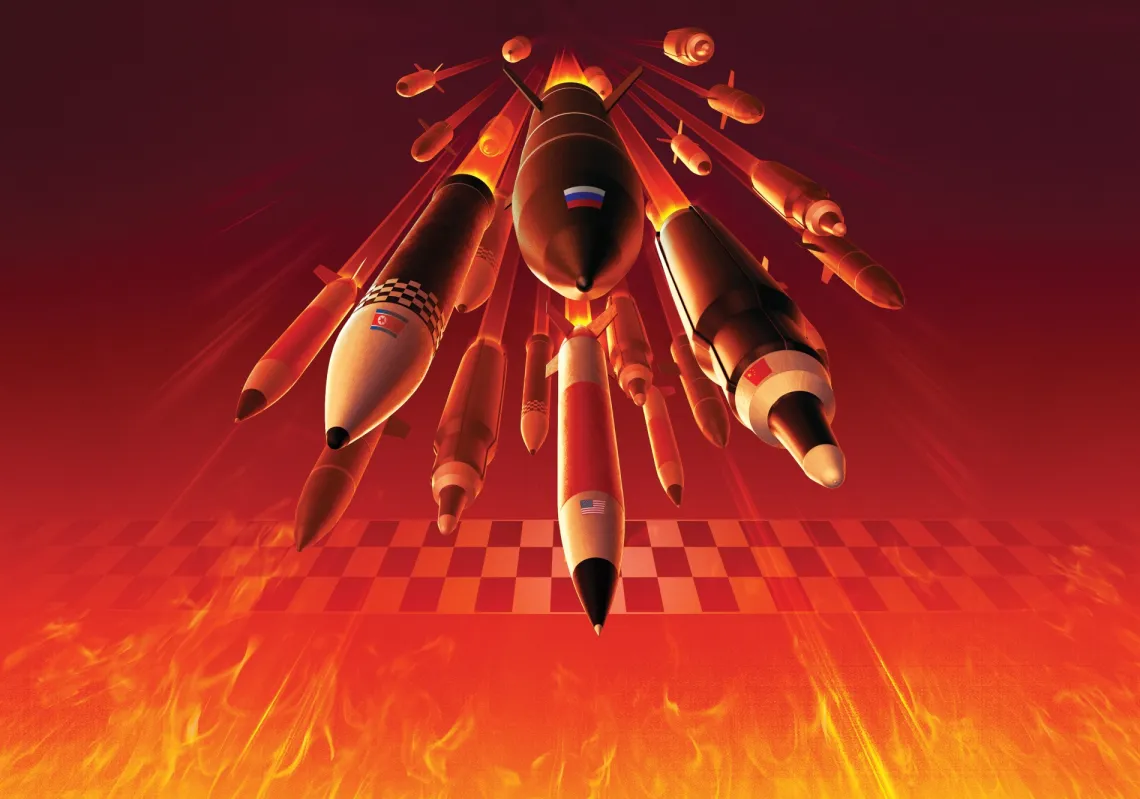
With China's nuclear expansion, Russia's sabre-rattling, North Korea's new warheads, and America's future security commitments in serious doubt, Washington's allies ask: should we get our own?
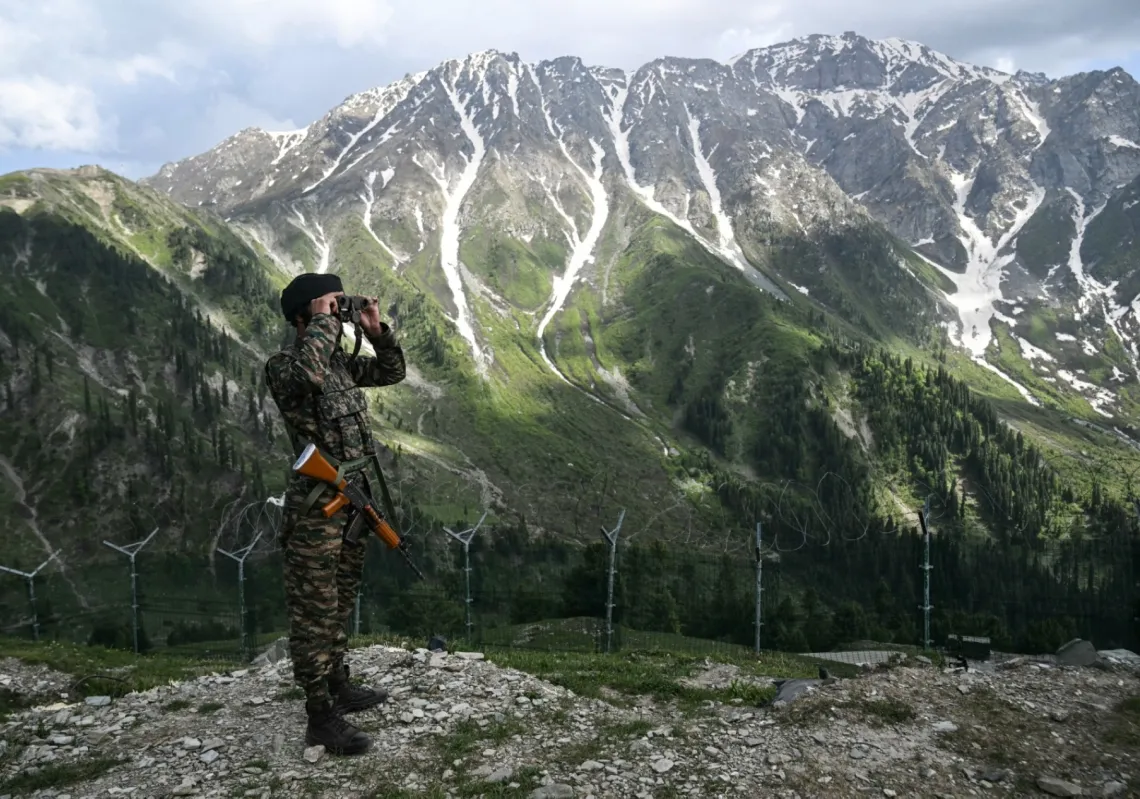
Since last May's brief yet dangerous military confrontation between two nuclear-armed powers, a tenuous calm has held. But should a new war erupt, the margin of error this time will be far slimmer.
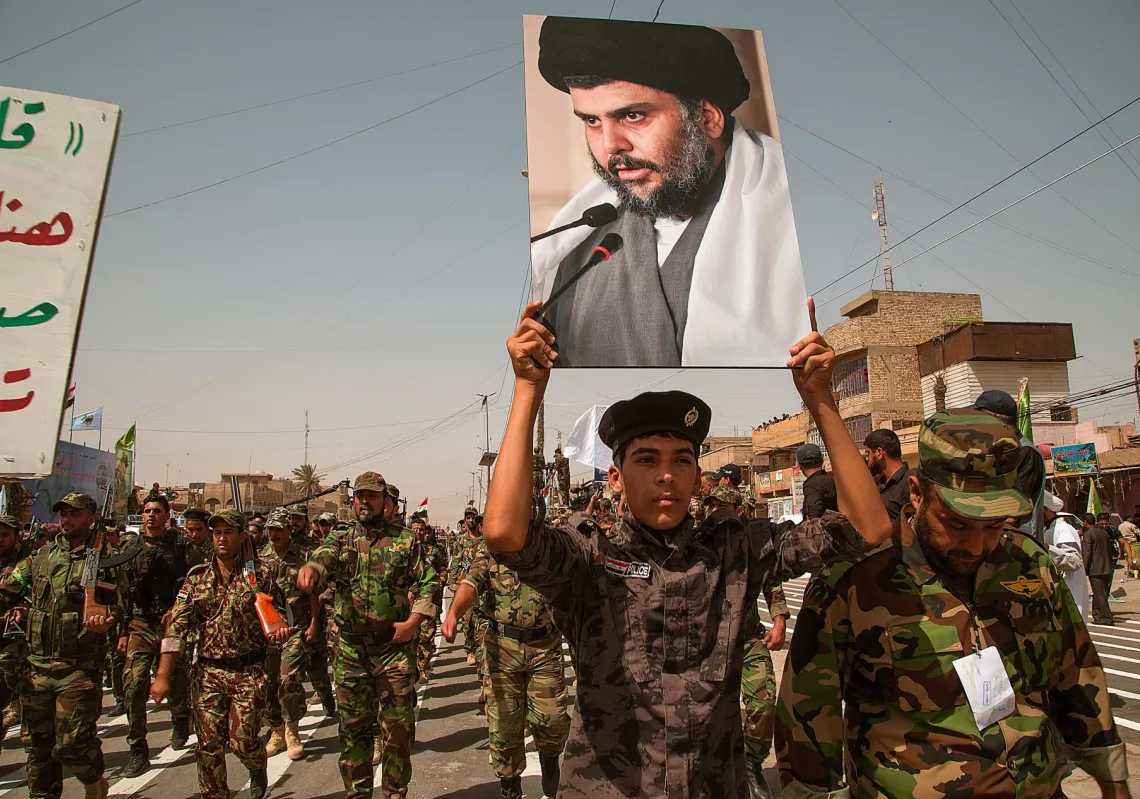
The decision to dismantle the Peace Brigades may herald a new stage in the Iraqi state's trajectory, or it could just be a shrewd recalibration to disorient friend and foe alike
A new American legal ruling turns the screw on the Caribbean island nation by increasing the risks companies face by continuing to make money there. This is all part of the plan.
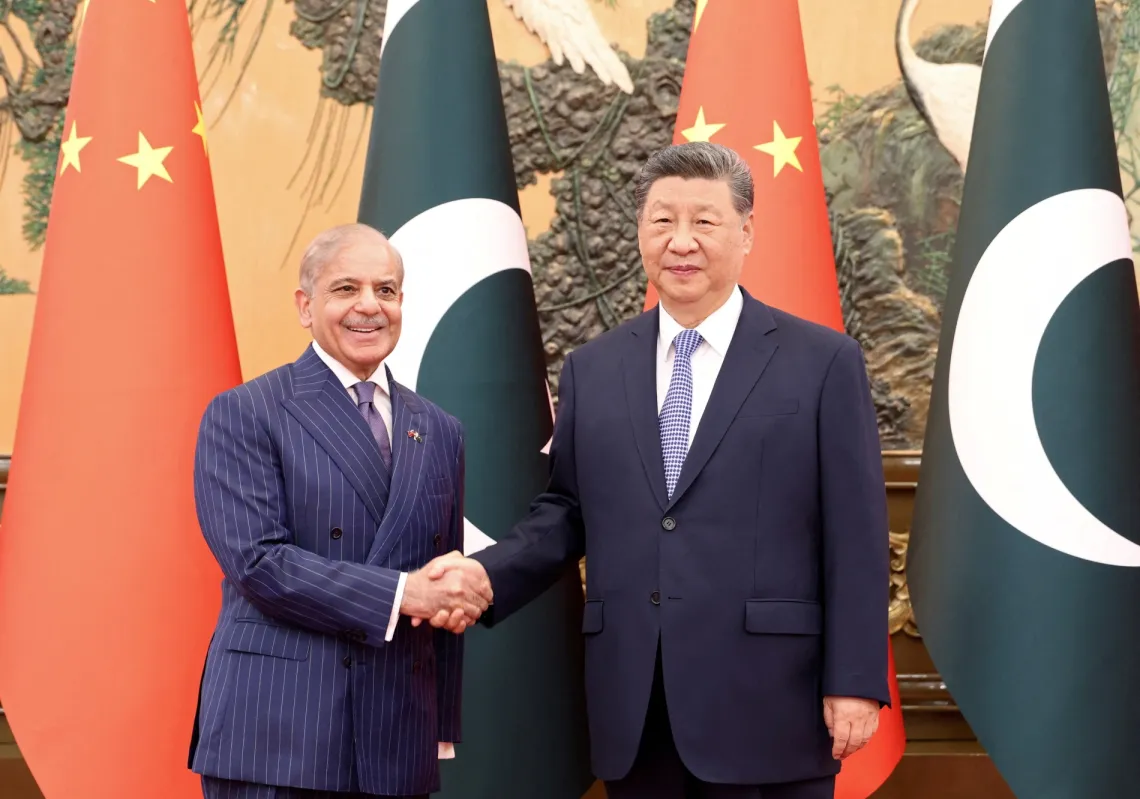
With war closing the Strait of Hormuz, Islamabad has become both broker and bridge, mediating between rivals while keeping Beijing's overland trade routes alive
In a constituency just outside Manchester, voters could soon elect a challenger to Prime Minister Sir Keir Starmer, but this is Brexit territory, as the nationalist Reform party of Nigel Farage knows.
This week's magazine story. How did America, Israel and others move from avoiding targeting countries' leaders to political assassination and cross-border detention becoming the new norms?
Both Tehran and Washington have powerful incentives to resolve the conflict through negotiations, but actors on all sides have reasons to derail these efforts
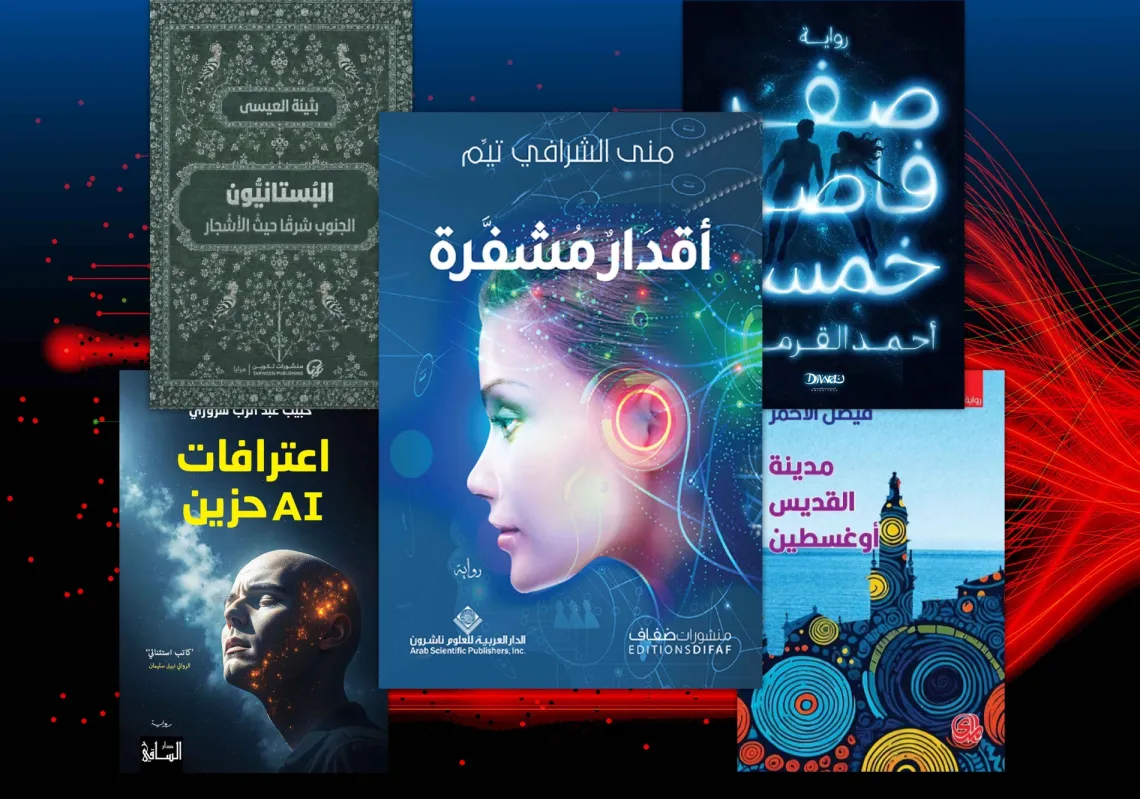
From machines that develop human emotions to societies governed by artificial intelligence, Arab novelists explore the promises and perils of a radically transformed future