Iran’s strategy for war with the US

Tehran isn't likely to easily fold if/when Trump attacks. This means that the longer a military confrontation drags out, the more untenable Washington's position becomes.

Al Majalla

Iran’s strategy for war with the US

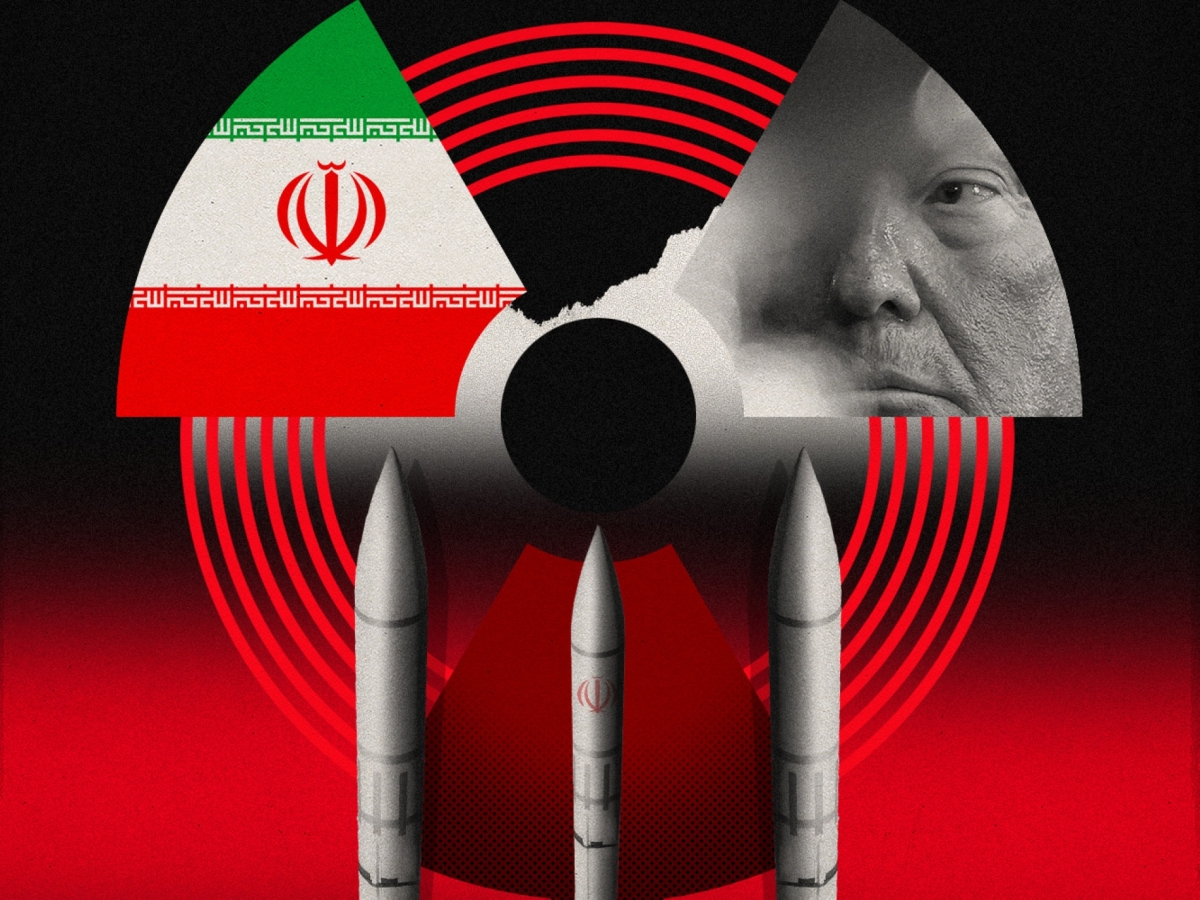
If the United States and Iran fail to reach a nuclear or broader deal, the result will be war, according to US President Donald Trump. If that happens—and it's increasingly likely given the gap in perceptions between Washington and Tehran—how will Iran respond to a US attack?

Everyone knows that Iran’s old and ill-equipped armed forces stand no chance against the most powerful military on the planet. If Trump launches a large-scale war against Iran, the latter will have limited military options to retaliate. It can lob missiles at US bases in the region, at Israel, and at the Gulf Arab states. It can close the Strait of Hormuz, even temporarily, and cause a major shock to the global economy. It can conduct terrorist attacks against Americans at home and abroad. And it can launch cyber operations against US civilian targets.

But Tehran’s ultimate weapon and advantage over the United States is not military in nature. Rather, it’s psychological and political: it has much greater tolerance for casualties. In its eight years of war with Iraq (and a host of other countries, including the United States) in 1980-88, Iran lost anywhere from 500,000 to 750,000 people, yet its regime didn’t flinch. Nor did heads roll after the termination of the conflict. In recent weeks, the regime reportedly killed thousands of its own people in a brutal crackdown against protestors, and there was not a single defection in the system nor an ounce of accountability.

A game of survival

The strategy for Iran in a potential confrontation with the United States is simple: withstand the first volley of US strikes, respond by targeting symbolic US and allied assets in the region, inflict casualties on US forces, and drag out the conflict. The purpose of Iran’s response would not be to confront the United States directly and try to degrade its capabilities— that’s suicidal and unrealistic—but to exact a high enough political price on Trump to compel him to abort the war effort.
Like Hamas and Hezbollah with Israel, Iran's aim isn't to defeat the US militarily—a practically impossible feat—but to deny it from achieving its objectives

That's precisely the strategy Hamas and Hezbollah have pursued when at war with Israel. Their aim isn't to defeat Israel militarily—a practically impossible feat—but to deny their enemy from achieving its objectives, emerge from the ashes, and claim a "divine victory." They win by making sure Israel doesn't.

Iran needn't kill many American soldiers, or citizens, if it resorts to terrorism, to mobilise US public opinion against Trump, turn up the political heat on Trump and move his political opponents to action. Although Trump controls both the House and the Senate, only about a quarter of Americans favour his initiating a war against Iran.

An increasingly wary base

MAGA constituents aren't enthusiastic about another open-ended conflict in the Middle East either, which ironically is what Trump has championed during his two presidential campaigns. If they start lobbying their Republican representatives to stop a war that Trump starts, it could get messy and costly for the president.

Read more: Iran looms large over Trump's address to the nation

That is precisely why Trump has emphasised "swift and decisive" military action against Iran. He knows that the longer Americans watch their fellow citizens die abroad, the more it will appear that Iran is winning.

But "swift and decisive" may not be achievable against a country that has strategic depth, a nuclear programme that is dispersed and parts of which are buried deep beneath the surface, and one of the largest missile and drone arsenals in the world.

Stark warning

Trump's top military advisor—Chairman of the Joint Chiefs of Staff Gen. Dan Caine—communicated his concerns to the president and his aides at a White House meeting last week, warning that despite the significant increase in combat power in the region, the US still doesn't have enough critical munitions, thus possibly risking the lives of American soldiers in a sustained campaign. 

Reuters
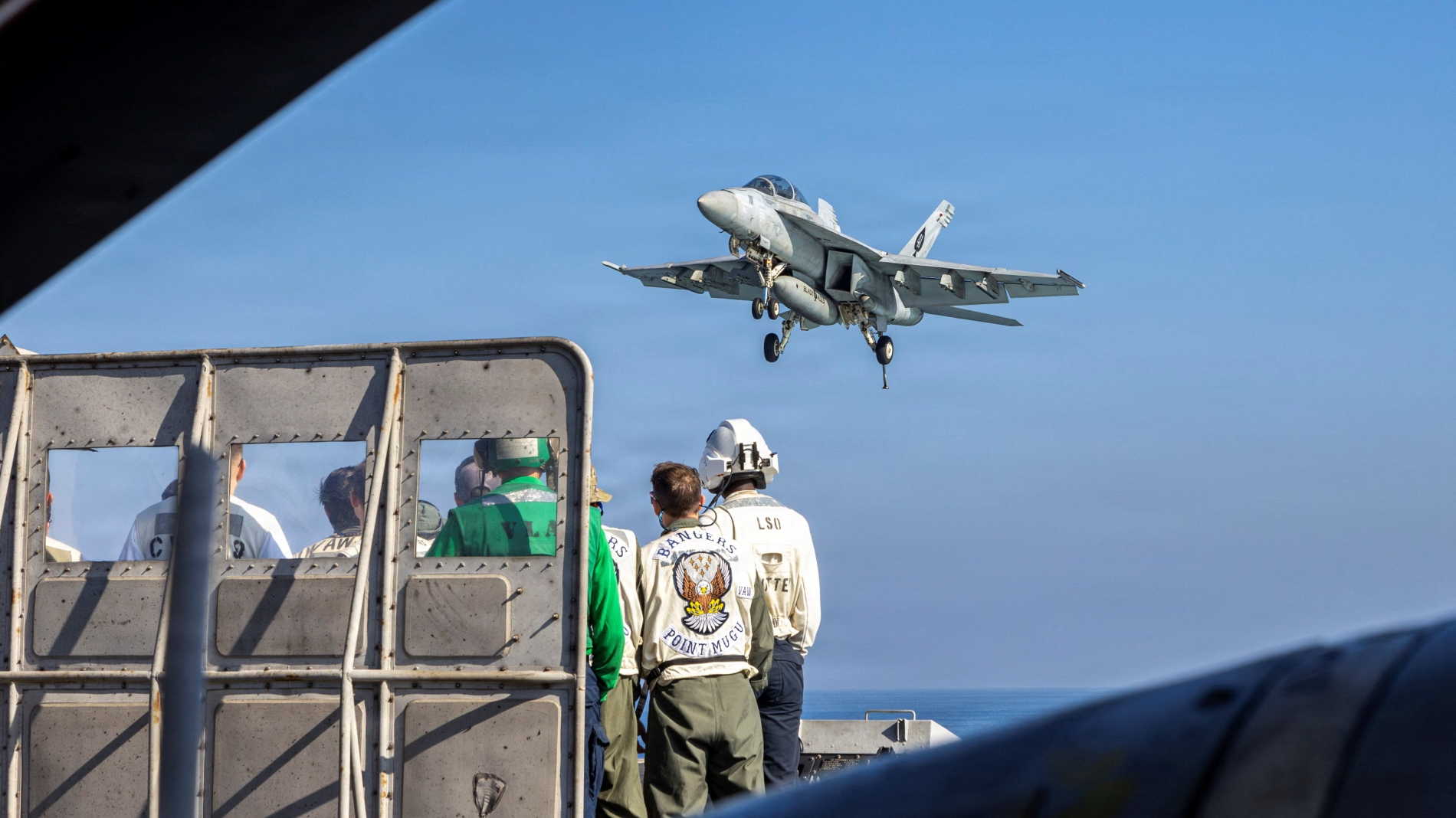
An F/A-18F Super Hornet prepares to land on the deck of the USS Abraham Lincoln (CVN 72), a Nimitz-class aircraft carrier, in the Arabian Sea, on 15 February 2026.

Of course, none of this suggests that Iran can easily counter any war Trump initiates. It is the vastly inferior party. Moreover, no one can predict how a war will unfold once shots are fired. Luck can play a role, and there are countless things that can go wrong for Iran and right for Trump in the heat of the battle.

Iran's strategy can easily fall apart if any of the following materialises: the people of Iran rise up again; the US military takes out Supreme Leader Ali Khamenei, leading to the fall of the regime; the Islamic Revolutionary Guards unseat Khamenei and sue for peace.

But seeing how weak Iran's internal opposition has been thus far, and how coherent the regime seems to be and its determination to do everything it can to survive, including killing its own people, few of those scenarios seem probable. So, Iran isn't likely to easily or quickly fold if/when Trump attacks.

font change

Related Articles