Choke point: how the Iran war is stifling global energy markets

A US-Israeli attack on Iran has turned into a regional war, sending Brent crude prices over $100 a barrel, and throwing shipping, inflation, and monetary policy into turmoil

Lina Jaradat

Choke point: how the Iran war is stifling global energy markets

As the global economic fallout from the US-Israeli war on Iran continues to mount, the conflict is creating the largest oil supply disruption in history, driving extreme energy market volatility and threatening to upend global trade, inflation dynamics, and economic growth.

Brent crude, which had been trading at around $82 a barrel before the war, climbed to more than $108 on 9 March, crossing the $100 threshold for the first time in nearly four years. During trading, it briefly neared $120, driven by a historic disruption to regional oil production, the invocation of force majeure by several Gulf states on oil and gas shipments, and the broader fraying of supply chains.

As of 13 March, Brent crude was trading above $100 a barrel. Estimates by the US Energy Information Administration suggest that prices may remain above $95 a barrel over the next two months if geopolitical risks persist.

Natural gas markets, meanwhile, suffered an even harsher jolt. Europe’s TTF gas benchmark jumped to around €70 per megawatt-hour on 9 March—a daily rise of roughly 29%—before easing to between €58 and €60 following the European Commission’s announcement that storage levels stood at a secure 65%. The UK, in contrast, with its wafer-thin strategic reserve cushion, saw prices rise by 70%. Prices in Asia rose on the JKM benchmark amid fears of disruption to Gulf liquefied natural gas (LNG) cargoes and the diversion of some shipments away from the region.

According to Goldman Sachs, continued shipping disruptions and supply outages throughout March could push oil prices well beyond $100, with the possibility of reaching $150 a barrel. Market estimates further suggest that between eight and nine million barrels a day of oil supplies could be placed at risk if the war expands.

Financial markets were swift to register the military escalation, translating it into sharp volatility across global trading. As war erupted, bringing with it a convergence of fears over surging oil prices and the prospect of a wider conflict, investors began to reassess inflation and global growth expectations, while geopolitical risk was repriced across asset classes. A broad sell-off in higher-risk assets soon followed, accompanied by an increasingly pronounced flight towards safe havens.
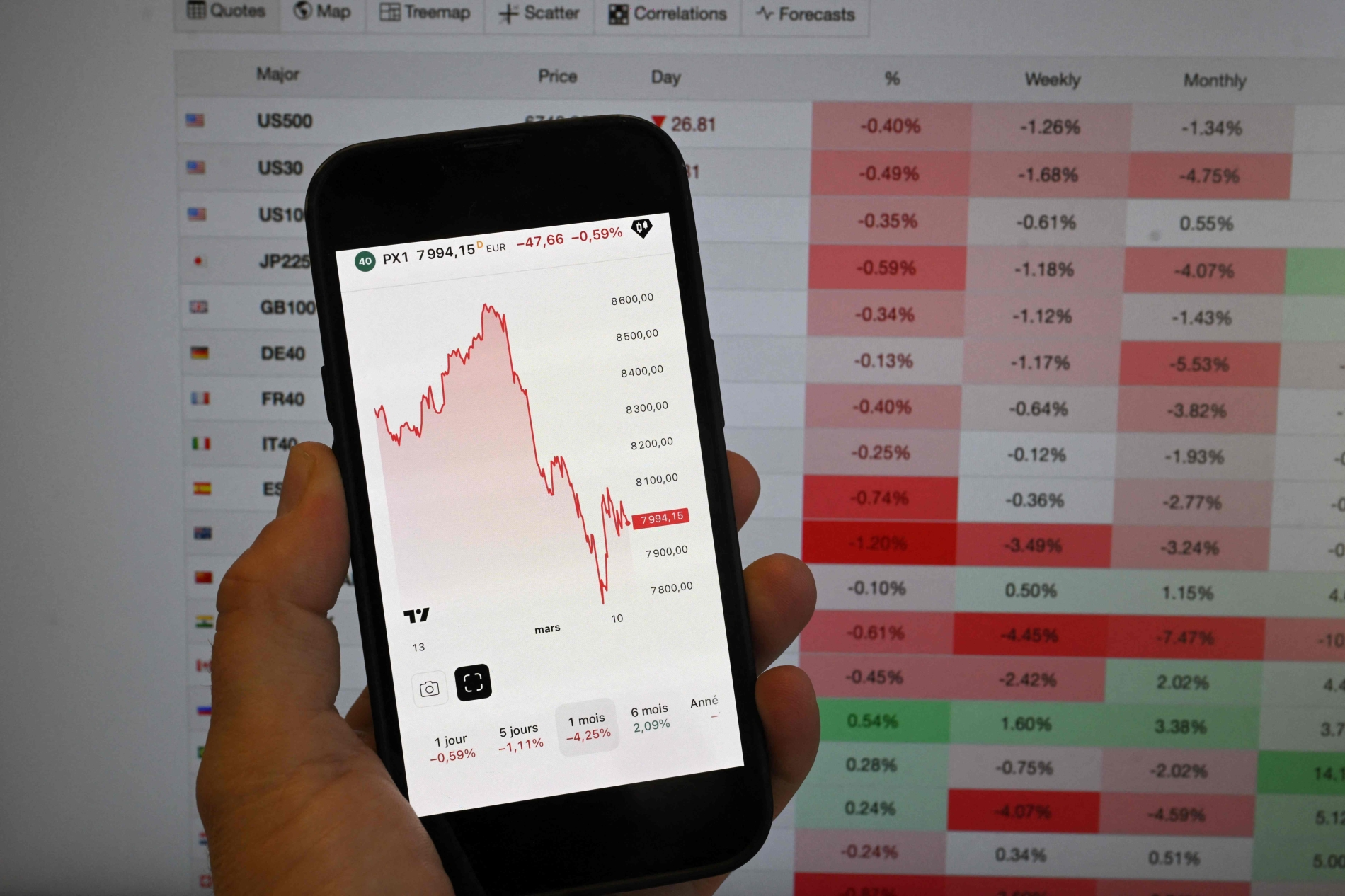
Nicolas TUCAT / AFP
This photograph shows a stock exchange chart displayed on a smartphone next to world stocks index in Brussels on 12 March 2026.

Sharp fluctuations

Against this unsettled backdrop, global equity markets saw sharp fluctuations as tensions intensified. Major indices in the US and Europe fell by 1-2%, while some Asian markets recorded steeper losses. Japan’s Nikkei index shed more than 7% in a single session, while Hong Kong’s Hang Seng declined by around 3%.

In contrast, shares in defence and energy companies such as ExxonMobil and Lockheed Martin posted notable gains, buoyed by expectations of higher military spending and rising energy prices. Technology and transport stocks, whose fortunes are closely tied to the rhythms of global trade, came under pressure as investors braced for higher fuel and shipping costs, along with logistical delays, affecting high-value goods such as electronics and microchips due to airspace restrictions and disruptions to maritime shipping.

During the first week of March, a parallel shift in liquidity flows also became evident. Alongside gold and US government bonds, long regarded as the preferred refuge in moments of major geopolitical crisis, some investors also turned to Bitcoin, often described as ‘digital gold’.

Yet Bitcoin behaved more like a high-risk asset than a pure safe haven, slipping below $68,000 as positions were liquidated to cover equity losses, while gold briefly traded above $5,350 an ounce before retreating amid volatile market conditions.
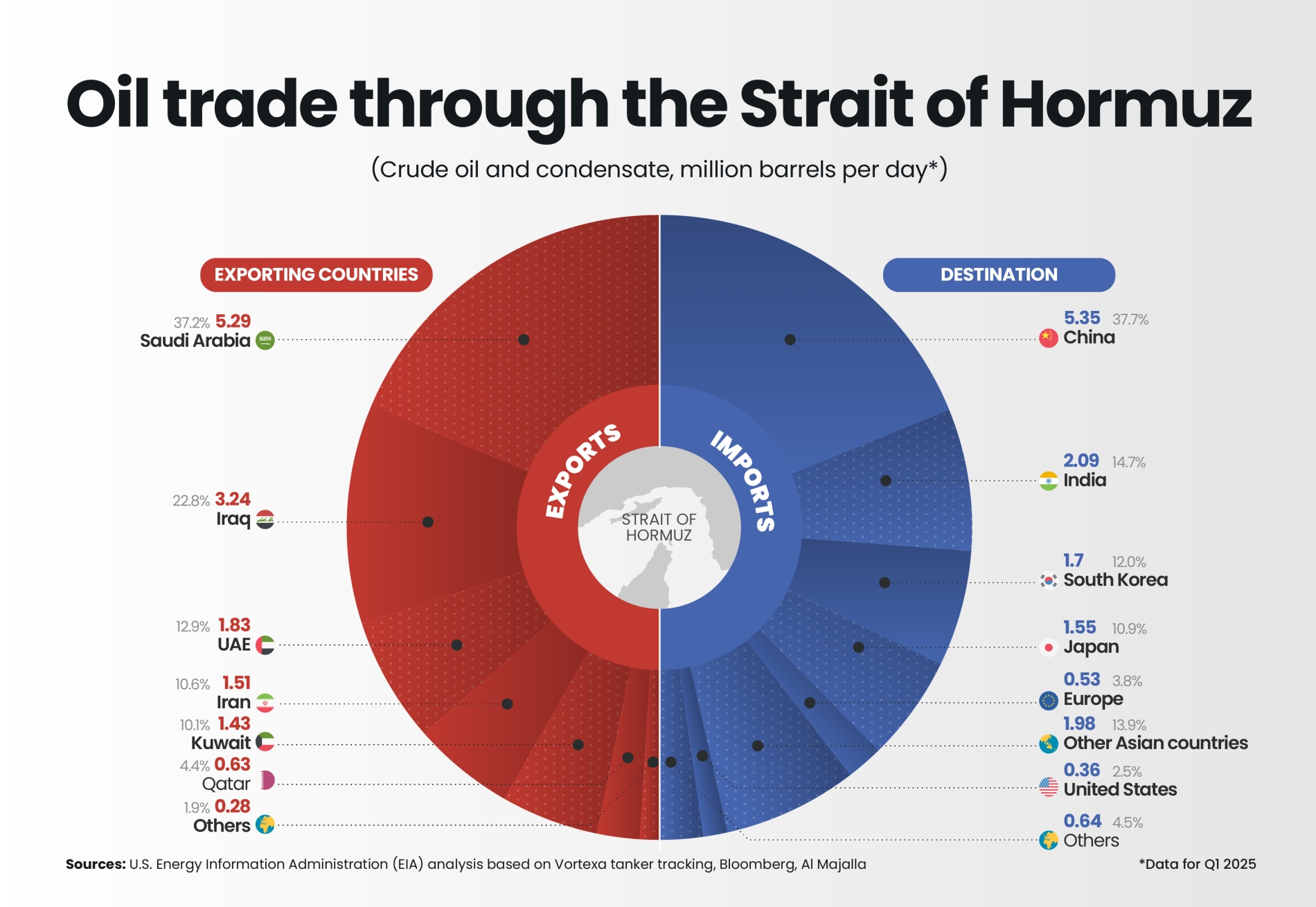
Hormuz's effective closure cripples global oil trade

Blockade efffects

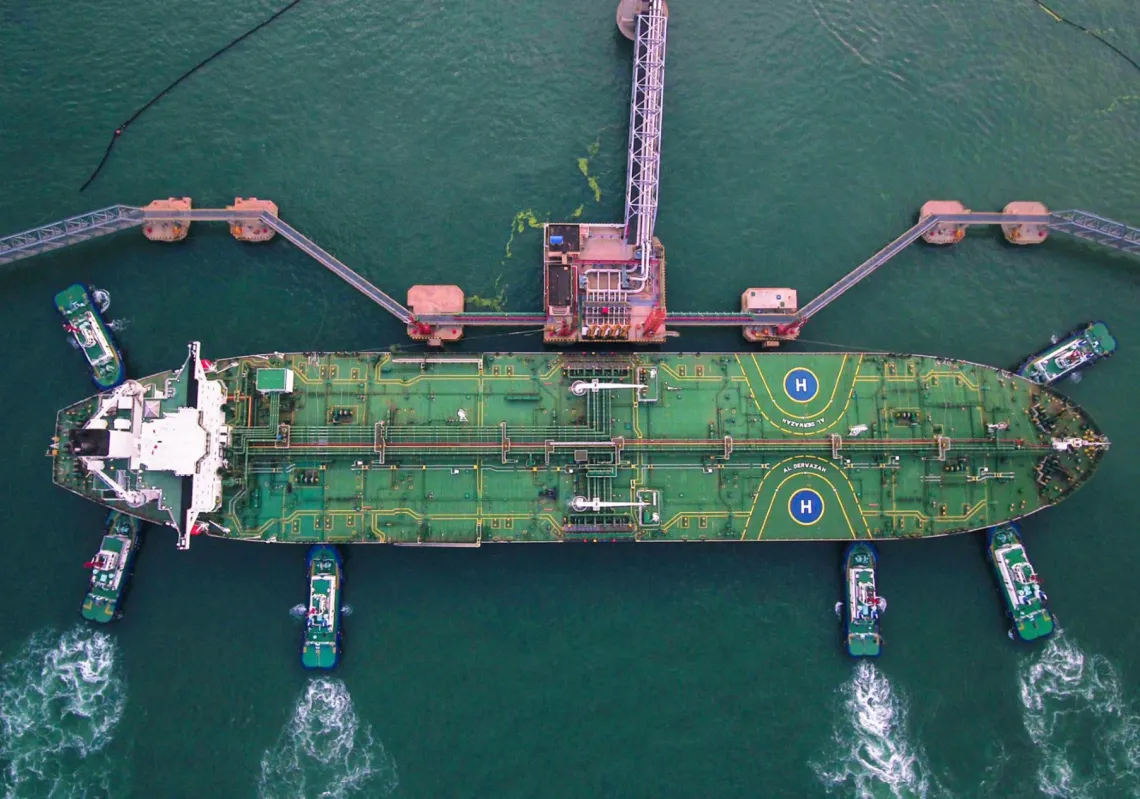
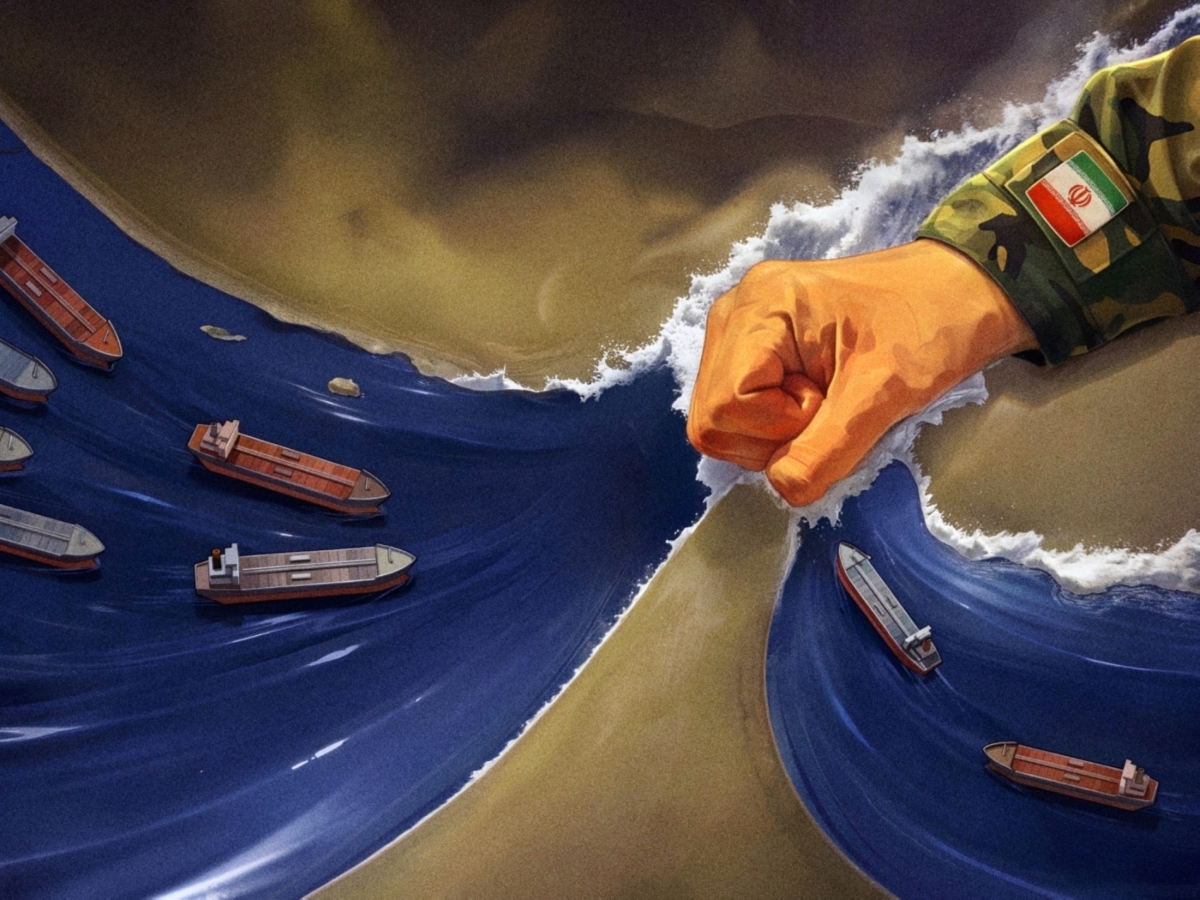
With the world’s attention fixed on the consequences of disrupted oil supplies through the Strait of Hormuz, the blockade may carry longer-term risks for trade flows. With at least 10 vessels attacked in the critical waterway since hostilities began, maritime tracking data shows hundreds of ships lying at anchor on both sides of the strait.

According to shipping industry data, the passage of very large crude oil carriers through the strait has fallen by more than 80%, while around 200 tankers remain stranded in Gulf waters awaiting safe passage.

In the opening days of the conflict, the number of transiting vessels fell from roughly 138 ships a day to only a handful, as most major commercial operators avoided the route. It is likely that most of the vessels still making the crossing are linked to Iran or are operating with their tracking systems switched off under extreme risk conditions.
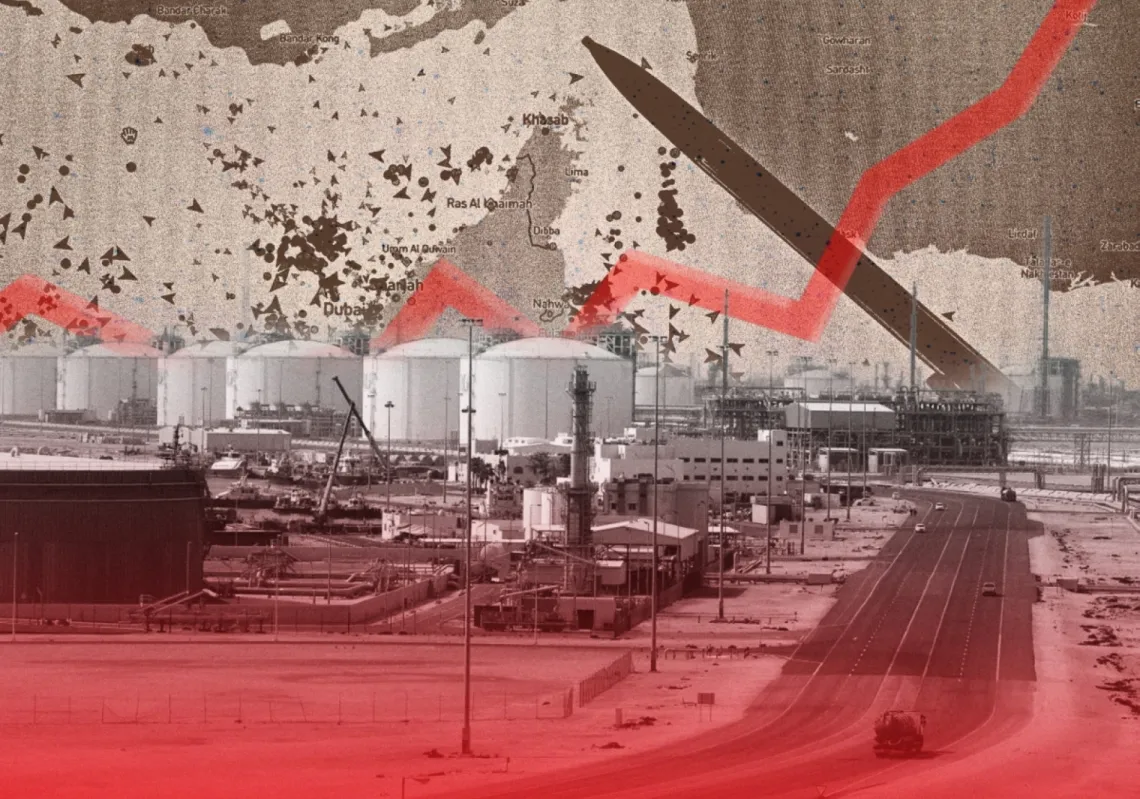
With the world fixated on the consequences of disrupted oil supplies in the Strait of Hormuz, the blockade carries longer-term risks for trade flows

Daily charter rates for very large crude carriers climbed to between $300,000 and $436,000 per day on some fixtures amid the disruption to Gulf shipping, while tanker freight indices compiled by the Baltic Dirty Tanker Index climbed to record levels, signalling acute strain across global crude transport markets.

Reports from the marine insurance market at Lloyd's of London stated that war risk premiums for ships passing near the strait had jumped by around 400% since the beginning of March, with insurers classifying the entire strait and the Arabian Gulf as a high-risk zone. In such areas, the war risk surcharge can at times reach 0.5 to 1% of a vessel's value for each voyage.

Media reports have also referred to some oil companies declaring force majeure in response to the security dangers and supply disruptions. In legal terms, such a declaration releases companies from penalties for delay, leaving buyers, especially in Japan and South Korea, scrambling for spot cargoes at exorbitant prices.

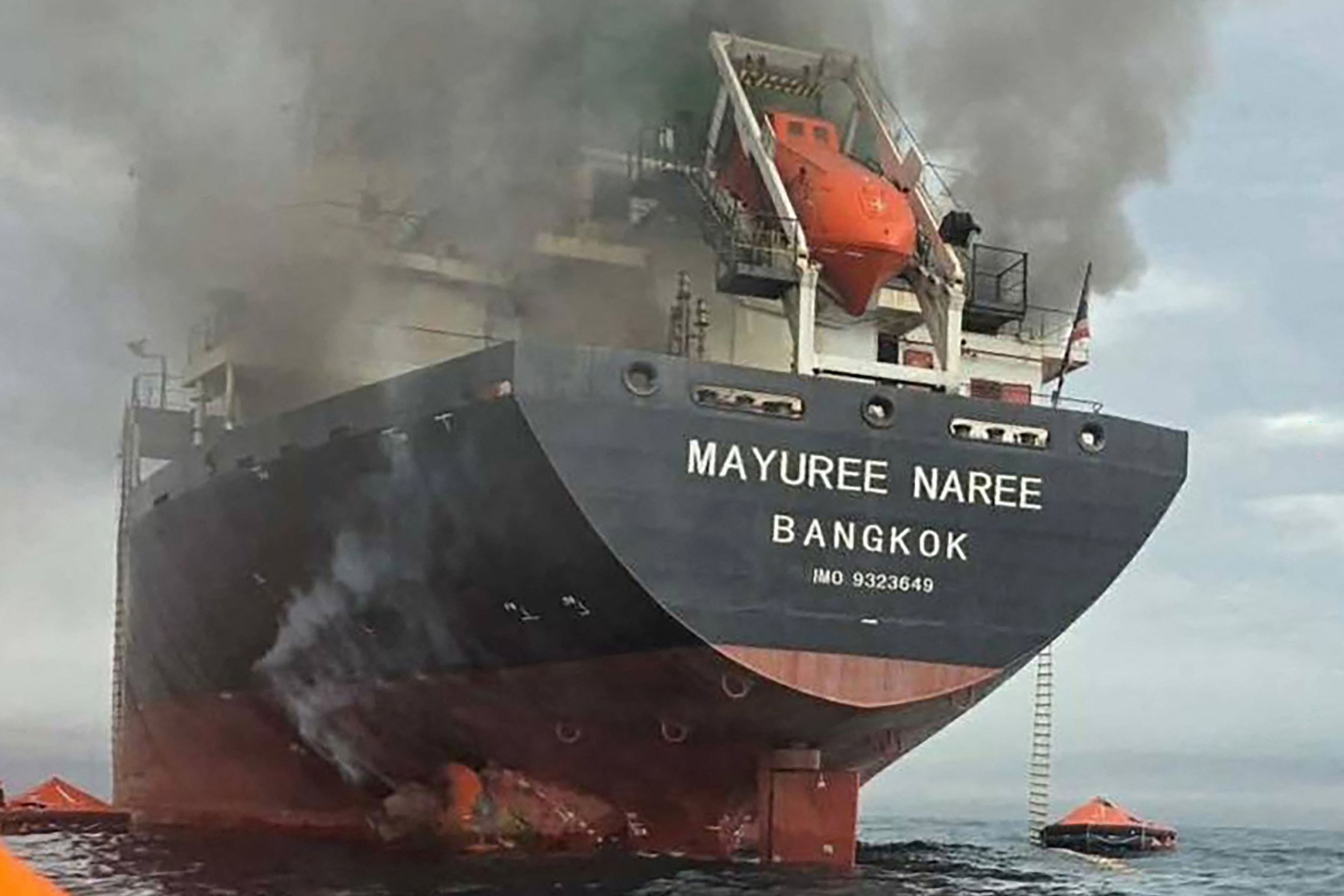
ROYAL THAI NAVY / AFP
This handout photo taken on 11 March 2026 and released by the Royal Thai Navy shows smoke rising from the Thai bulk carrier 'Mayuree Naree' near the Strait of Hormuz after an attack.

Stress test

The International Monetary Fund's (IMF) managing director, Kristalina Georgieva, warned that the resilience of the global economy was once again being subjected to a severe test. Such a moment, she argued, demands unconventional strategies from policymakers. Her advice was stark: think about the unthinkable, and be prepared for it. Such a remark is well-suited to a new global landscape shaped by rising risks, deepening opacity, and overlapping crises.

Although the global economy has shown a capacity to withstand shocks, particularly the fallout from Russia's invasion of Ukraine four years ago and the sweeping, unexpected tariffs imposed last year by US President Donald Trump, Simon Johnson, the MIT economist and recipient of the 2024 Nobel Prize in Economics, believes the world economy cannot absorb the closure of the Strait of Hormuz. "The Strait of Hormuz has to be reopened," said Johnson. "It's 20 million barrels of oil a day going through there. There's no excess capacity anywhere in the world that can fill that gap."

Unlike oil-producing countries outside the conflict zone, such as Norway, Russia, and Canada, the economies of energy-importing states, including most of Europe, South Korea, Taiwan, Japan, India, and China, are likely to be hit hard by rising prices. Such volatility arrives at a time when European economies are undergoing a fragile recovery after years of strain. Asian economies, for their part, remain heavily dependent on Gulf oil. China, India, Japan, and South Korea together account for around 76% of the oil that passes through the Strait of Hormuz.

These pressures have not been confined to energy. They have also contributed to the weakening of the Indian rupee and the Chinese yuan against a strong dollar, generating imported inflation in essential goods and services and compounding the strain on those economies. India in particular faces serious economic risks as its oil import bill rises, driving up production costs in transport, agriculture, and manufacturing, putting pressure on its currency, and widening its current account deficit.

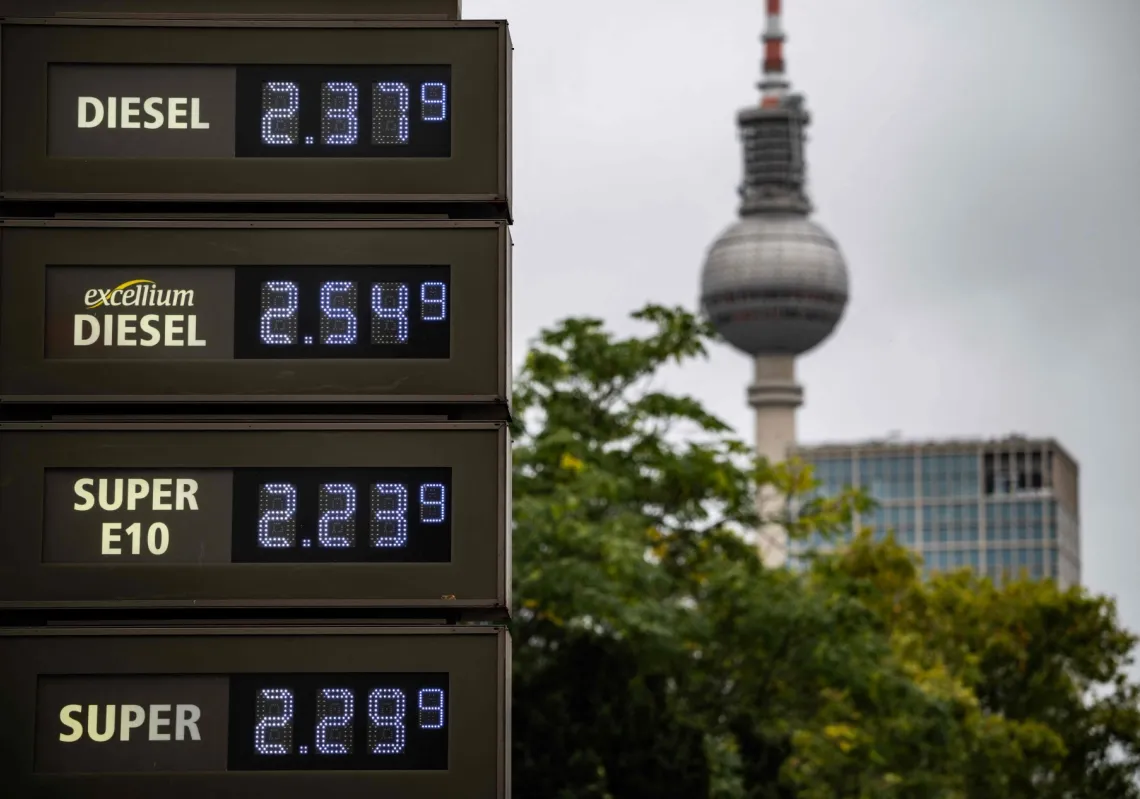
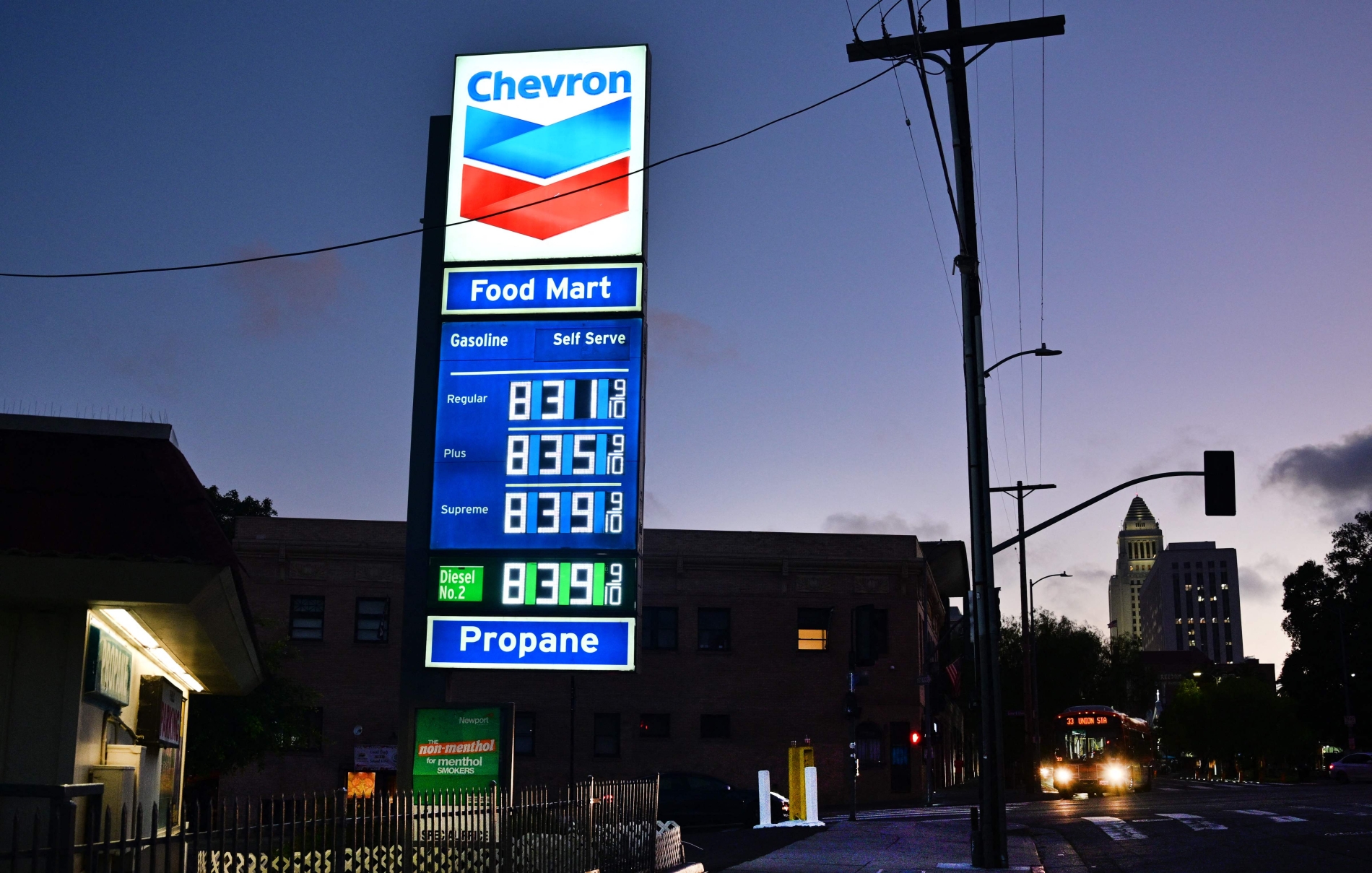
The US, meanwhile, despite being the world's largest oil producer, remains far from insulated from rising global prices. Petrol prices in some states have reached record levels, climbing to $4 a gallon—reviving the spectre of cost-of-living inflation.

Frederic J. BROWN / AFP
High gas prices are listed at a Chevron gas station in Los Angeles on 9 March 2026, as gasoline prices surge amid the ongoing war with Iran.

The conflict could also dramatically increase military spending, with the Pentagon telling Congress on 12 March that the first week of the war cost more than $11.3bn. Preliminary estimates suggest that, should operations drag on, the cost may run into tens of billions, adding further pressure to the US's fiscal deficit and public debt.

Knock-on effects

Oil shocks pose a significant threat to global price stability. The risk lies not only in higher fuel prices but in the speed with which energy prices feed into transport, industrial inputs, and services inflation. Economists estimate that a sustained $10 increase in oil prices can add roughly 0.2 to 0.3 percentage points to global inflation, although the precise effect varies by country and by the duration of the price rise.

This reality may compel some central banks to reconsider their monetary stance. Among them is the US Federal Reserve, which faces a delicate balance between containing inflation and avoiding a slowdown in growth. Analysts suggest that if Brent crude remains above $95 a barrel through to the end of the second quarter of 2026, the 2% inflation targets adopted by many central banks will become increasingly difficult to achieve. Goldman Sachs has warned that oil prices at $100 a barrel could shave around 0.4 percentage points off global growth.

Disruption in the Strait of Hormuz has renewed the strategic importance of pipelines that bypass the waterway

The US Federal Reserve and other major central banks are thus confronted with a twofold policy dilemma. Markets had previously been pricing in the possibility of rate cuts of up to 50 basis points to support economic growth. Yet policymakers have warned that energy-driven supply shocks complicate the outlook, since monetary policy has limited ability to address supply-side inflation. The oil shock has therefore prompted investors to reassess the likelihood that interest rates will remain higher for longer. The European Central Bank faces a similar predicament and could even consider tightening policy if energy-driven price pressures begin to feed through into wages and services inflation.

Financial institutions such as JPMorgan have warned that the S&P 500 could fall by around 10% if tensions persist. The IMF's Georgieva has already indicated that a comparable rise in oil prices, sustained for most of the year, could lift global inflation by around 40 basis points, adding further strain to national economies and household budgets.

Bandaid solutions

Industrialised countries may turn to strategic petroleum reserves to calm markets, as they have in previous crises. The International Energy Agency has raised its monitoring level for strategic stockpiles held by OECD countries, which are estimated at 1.2 billion barrels. The US holds around 360 million barrels in its strategic reserve, while China and India maintain large emergency stockpiles.

FREDERIC J. BROWN / AFP
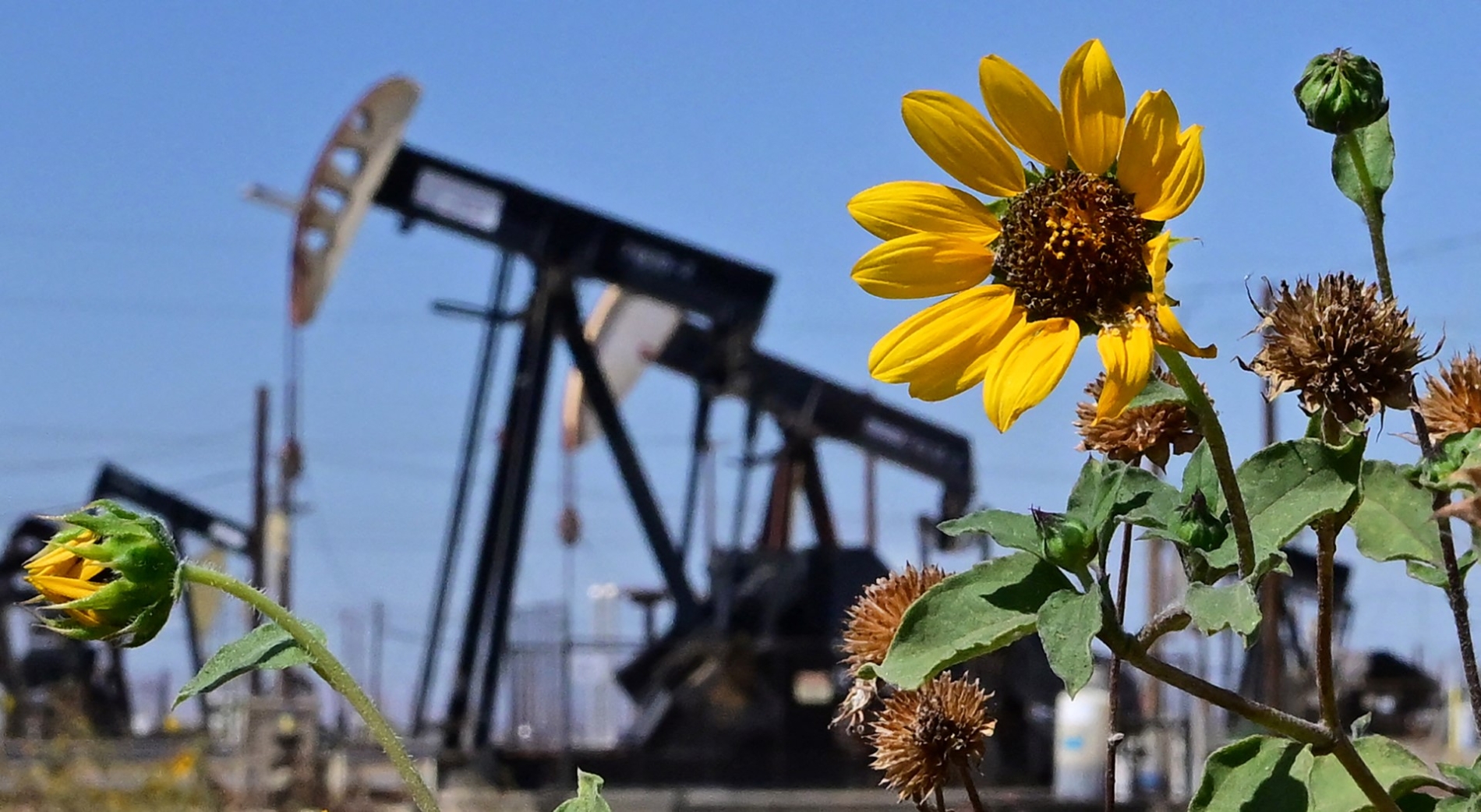
This picture, taken on 28 September 2022, shows wildflowers growing near oil pumpjacks along a section of Highway 33 known as the Petroleum Highway north of McKittrick in Kern County, California.

Yet global strategic reserves remain limited, difficult to replenish, and liable to dwindle if the conflict drags on, especially since the US, Russia, and Brazil, which often serve as alternative suppliers, are already operating close to their maximum production capacity.

At the same time, OPEC+ occupies a pivotal role in containing the crisis. Some Gulf producers, led by Saudi Arabia and the UAE, hold spare production capacity estimated at between three and four million barrels a day. Even so, that margin may prove insufficient to offset any broad and prolonged disruption to shipping through the Strait of Hormuz. The logistical capacity to deliver those additional supplies to market is itself under threat because of the strait's closure.

According to media reports, Kuwait Petroleum Corporation has declared force majeure on crude sales and begun cutting production and reducing refining operations as a precaution. Bapco Energies also declared force majeure after an attack on its refinery complex in Bahrain. Meanwhile, Saudi Aramco has reduced output at two oilfields, according to Reuters sources. In the UAE, the Abu Dhabi National Oil Company shut the Ruwais refinery as a precaution after a drone strike triggered a fire at one of the facilities within the complex.

Against this backdrop, OPEC+ decided to raise production by around 206,000 barrels a day from April onwards. The International Energy Agency also called an emergency meeting to consider the possible use of strategic reserves should the crisis worsen.

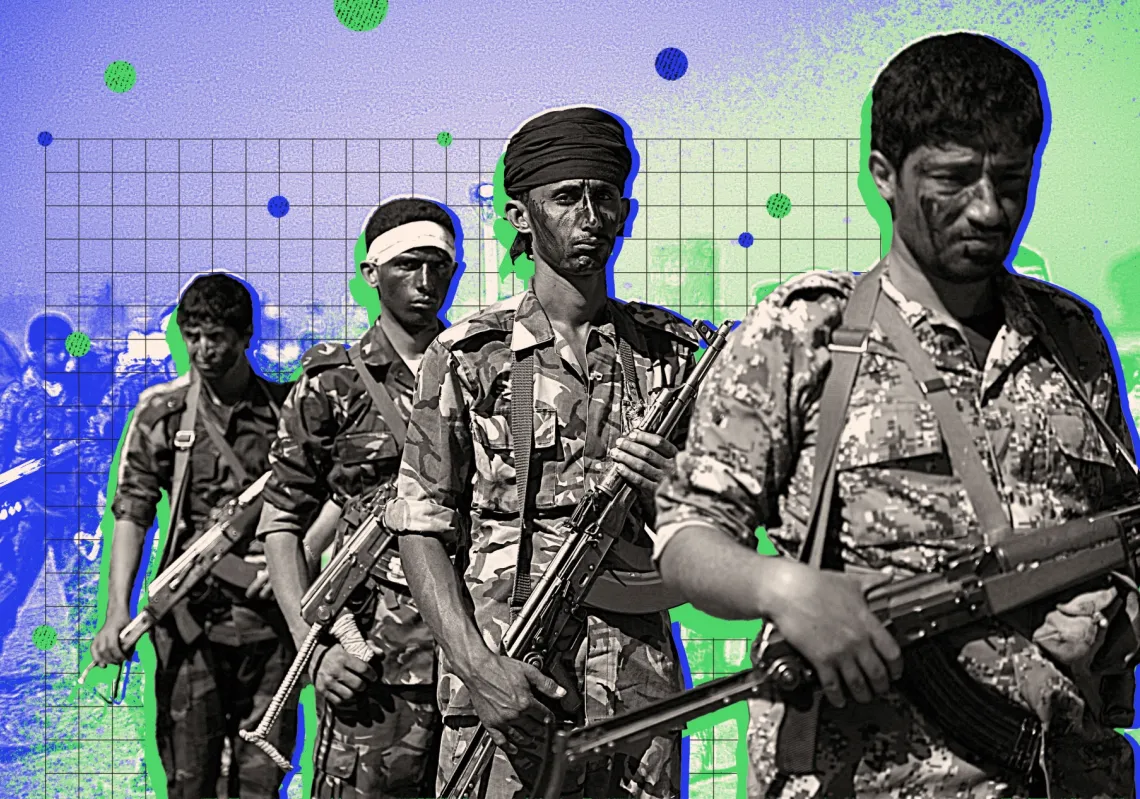
The crisis triggered by the US-Israeli attack on Iran may prompt industrialised countries to accelerate efforts to diversify both the sources and the routes of their energy supplies. Any further escalation, including the closure of the Bab al-Mandab strait between Yemen and Djibouti, could create a dual-chokepoint scenario across the world's two most vital energy corridors—a development that may keep oil prices above $120 a barrel for an extended period.

AFP
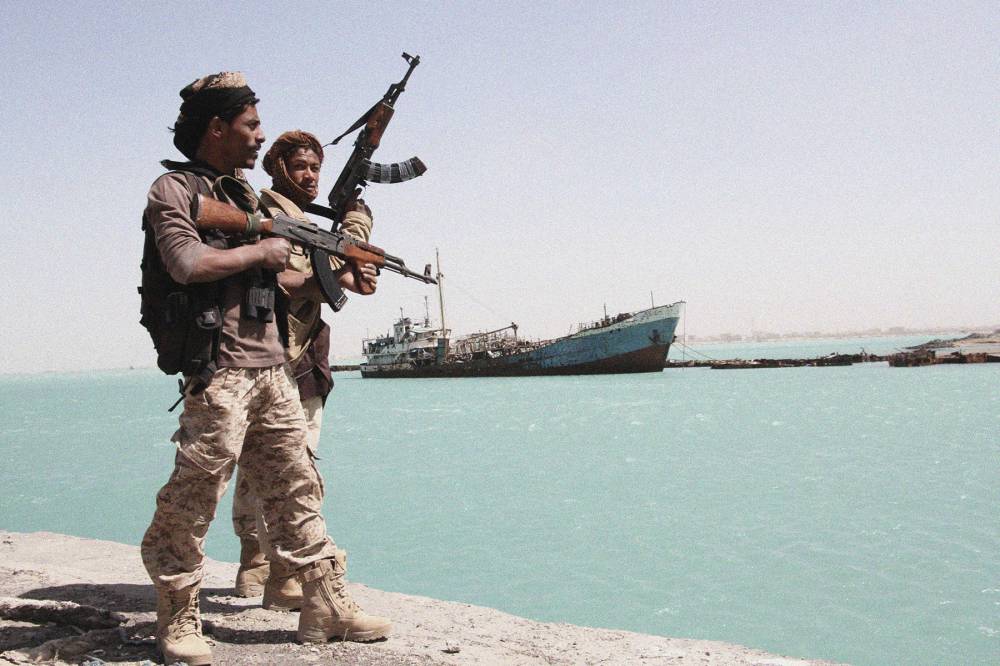
Pro-government forces walk in the port of the western Yemeni coastal town of Mokha on 9 February 2017 as part of a major offensive to recapture the coastline overlooking the Bab al-Mandab strait.

Search for alternatives

At the same time, such pressures may hasten investment in renewable energy, LNG, and shale oil production in North America, as well as energy projects in Central Asia and Africa, all aimed at reducing dependence on geopolitically fragile passageways.

Disruption in the Strait of Hormuz has renewed the strategic importance of pipelines that bypass the waterway. Among them is the Habshan-Fujairah pipeline in the UAE, which is currently operating at its full capacity of 1.5 million barrels a day, and the East-West Pipeline in Saudi Arabia, which has a throughput capacity of seven million barrels a day. Riyadh is also seeking to increase flows to its Red Sea export terminals to bypass the Gulf altogether. 

Further west, the SUMED pipeline remains one of the region's most important complementary transit routes, linking the Red Sea to the Mediterranean through Egypt. Although it cannot fully replace the export volumes that normally pass through the Strait of Hormuz, it provides a practical alternative for diverting part of the region's crude flows and easing pressure on seaborne routes.

At the beginning of March, as the world watched smoke rise over the waters of the Arabian Gulf, it was reminded that geography still exerts a powerful hold over the global economy. Operation Epic Fury is more than another episode in the long record of armed conflict. It may yet prove to be a catalyst capable of reshaping the global economic order for decades to come—an existential shock that pits the price of oil against the daily bread of billions.

From the driver in Chicago to the farmer in Beijing and the consumer in Mumbai, households around the world are already beginning to pay the price of the so-called 'corridor crisis' through the gradual erosion of their material security.

font change

Related Articles