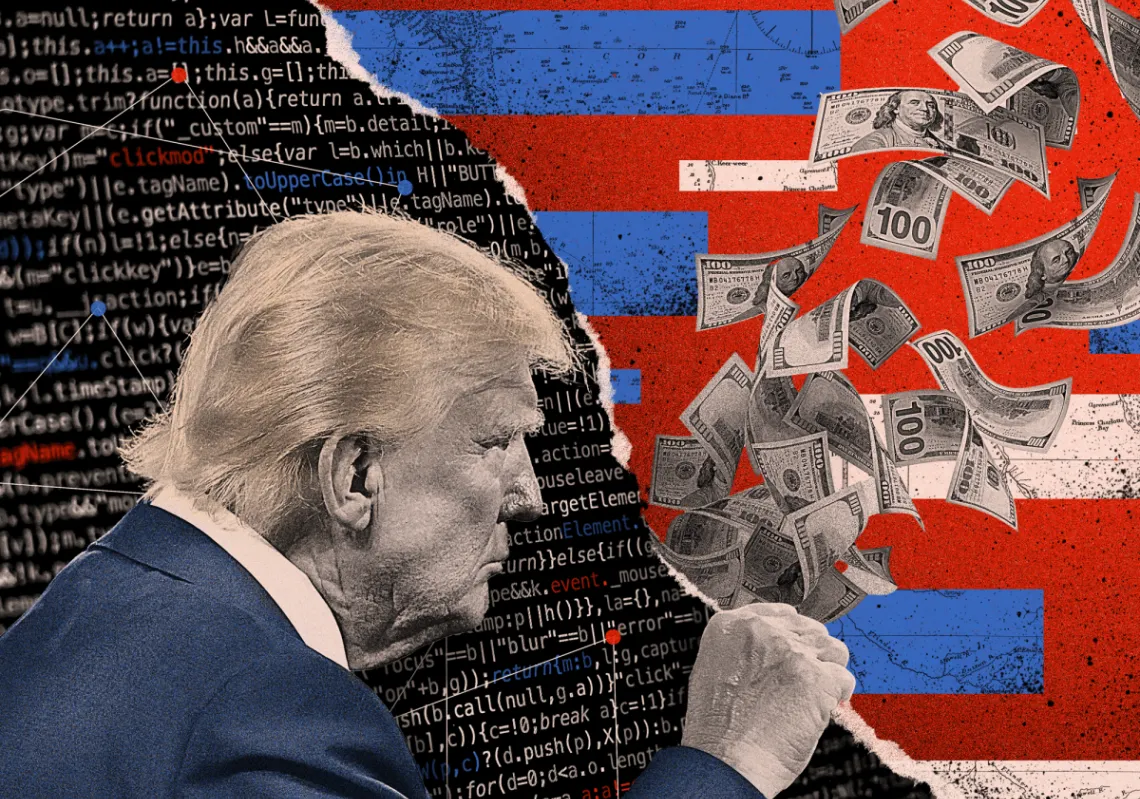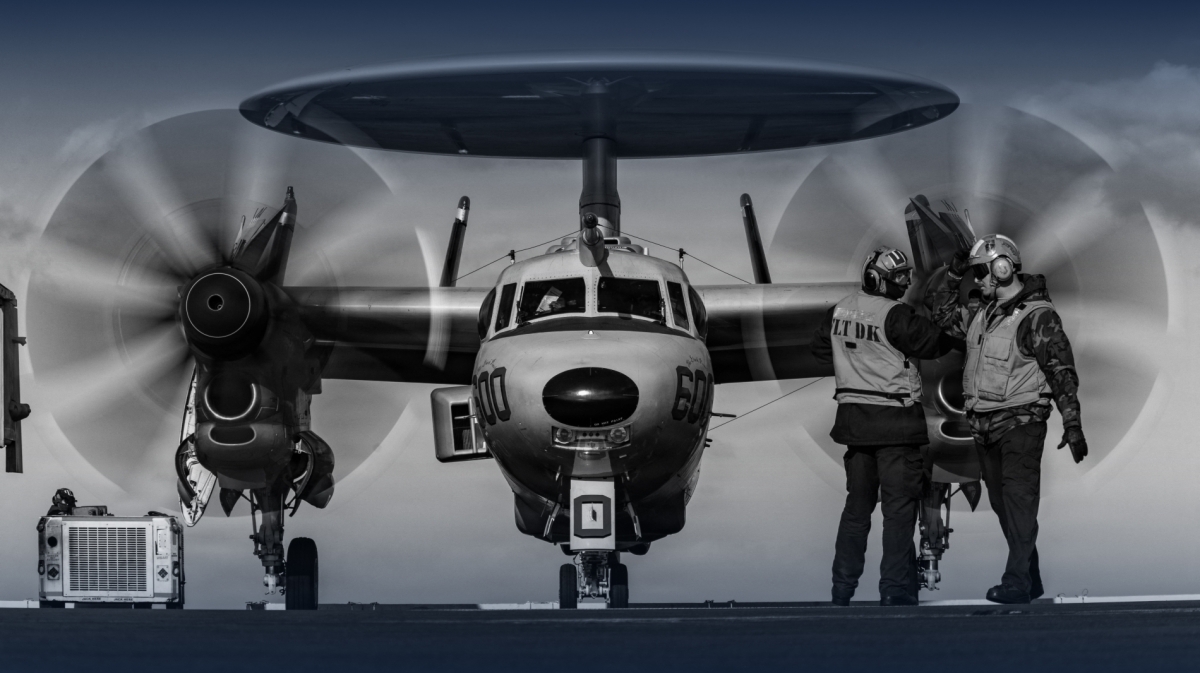

Is the world on the brink of a global conflagration? The US-Israel attack on Iran has sparked panic in some quarters. A Telegraph headline on 7 March feared “how Britain could get sucked into World War III,” while Richard Shirreff, a former deputy supreme allied commander of NATO, has warned that the conflict could be “the final catalyst for a Third World War.” A month earlier, Ukrainian President Volodymyr Zelensky, in an interview with the BBC, accused Vladimir Putin of starting World War III.
Reaching for the ‘world war’ declaration has been a familiar trope for commentators ever since the last global conflict ended in 1945, so is this time any different? Though the Ukraine and Iran conflicts are tragedies for those impacted, the extent of global involvement is limited compared to past world wars. That said, might Shirreff be right that this could spark something broader? Have recent changes in global geopolitics made these wars more likely to ‘go global’?
For most of human history, world wars were impossible given the lack of communication and industrial capacity. Even if conflicts were horrendous for one region, whether the Three Kingdoms war in China, the Mongol Conquests in Asia or Europe’s Thirty Years' War, they were not ‘global’.
However, once capacity allowed it, this changed. In the 18th and 19th centuries, conflicts in Europe, such as the Seven Years' War and the Napoleonic Wars, drew in the Americas, India and the Caribbean, making them somewhat global in scope. However, the war of 1914-18 was the first to be called a ‘World War’. Some 20 years later, the Second World War broke out, with over 70 countries taking part in the fighting and up to 75 million people killed, mostly civilians.
Crucially, what made these wars global wasn’t just the improved technology that allowed ships and later aircraft to reach far-flung corners, but also the alliances that allowed a dispute between two protagonists to draw in many more. These ensured that France and Britain’s rivalry in their colonies did not remain confined to North America in 1756, but instead saw London’s ally, Prussia, battle Paris’ allies, Russia and Austria, in Europe, while Indian troops under British command fought Indian troops under French command in India. More famously, they ensured the assassination of an Austrian duke in Bosnia in 1914 sparked a continent-wide conflict, and that the invasion of Poland by Germany in 1939 initiated the most destructive war in history.
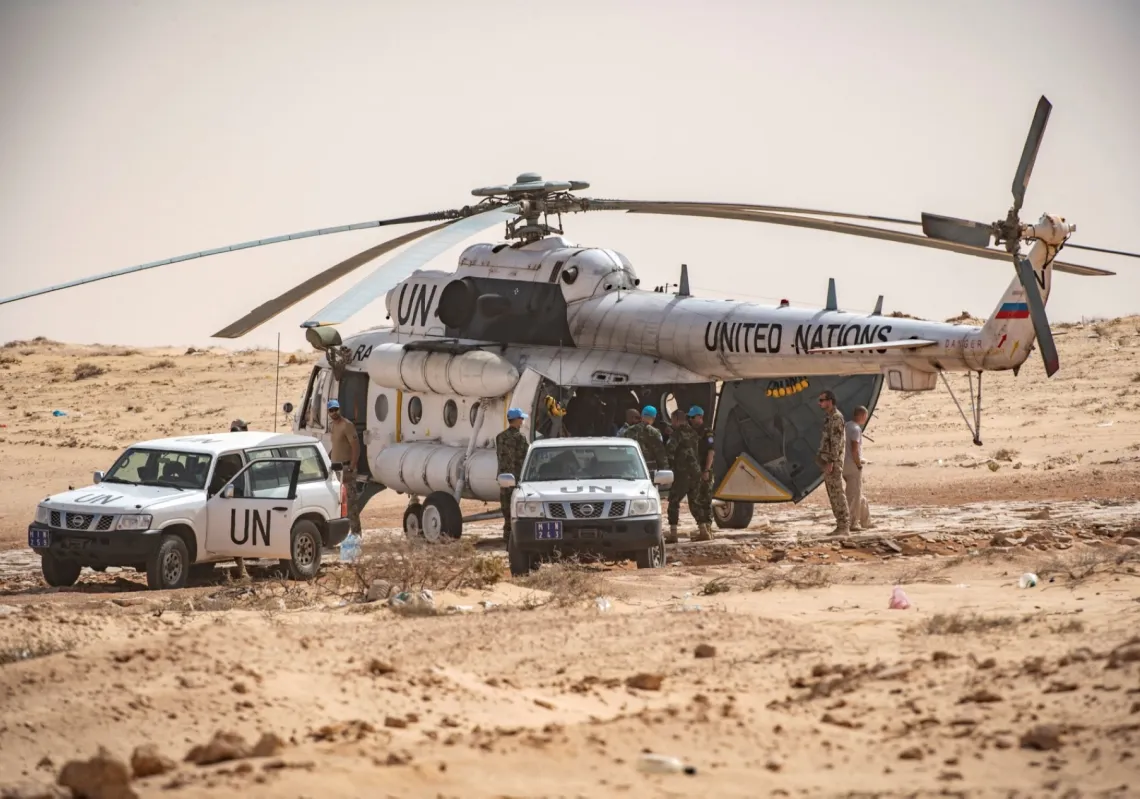
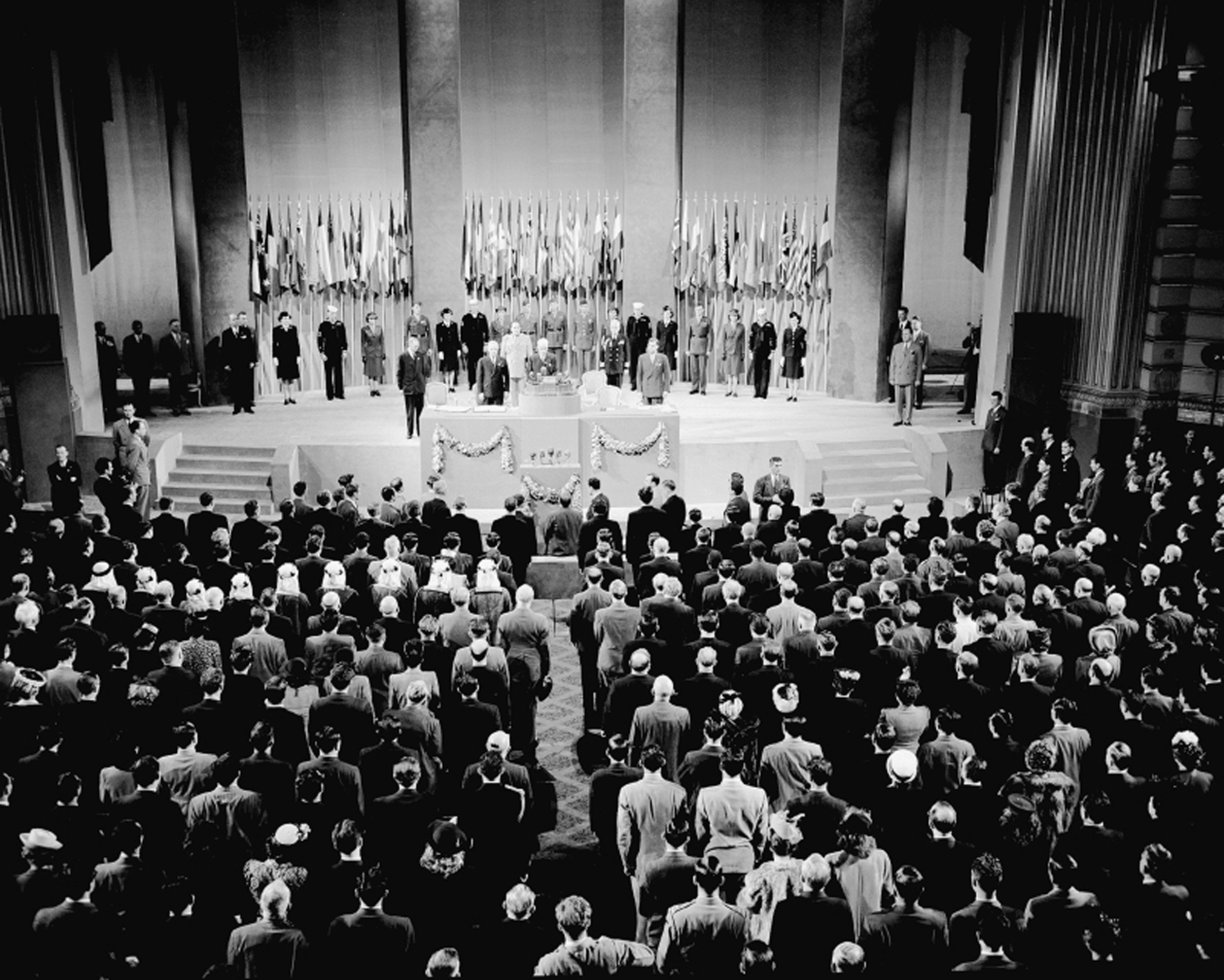
Yet since that war ended in 1945, global leaders have made a conscious effort to avoid such destructive global conflicts. The fear of mutually assured destruction through nuclear weapons, the emergence of a bipolar political system dominated by the US and USSR, and the creation of the United Nations played a significant role.
Proxy wars
While wars still happened—and many were horrendous—most remained localised and, when they did spread, it was mostly regional, not global. In 1962, for example, Washington and Moscow were just about able to avoid a direct conflict over Cuba. Instead, the superpowers opted to fight wars by proxy, backing rival sides in civil wars around the world, in places such as Vietnam, Afghanistan or Angola.
Nor did world wars resurface once the Cold War ended. The post-1991 ‘unipolar moment’ of American dominance still saw wars, many initiated by the US as it sought to project global hegemony. However, with Washington acting as a global arbiter, there was little scope for a bloc of rival allies to realistically challenge them, and conflicts tended to remain localised as in the Cold War.
The shift to a multipolar world today should therefore ring alarm bells. Multipolarity was the norm under which global wars erupted prior to 1945. International Relations scholars argue that multipolarity makes large-scale conflict more likely, as multiple power bloc rivalries could spark conflict, whereas in bi- or unipolarity, there are fewer such disputes. That said, for all the panic, the multi-polar era has not yet seen the ‘great power’ conflict that international relations scholars warn of.
Read more: The pros and cons of a multipolar world
The Ukraine war, though long and gruelling, so far resembles the proxy conflicts of the Cold War. Ukraine’s backers, the US and European powers, have declined to join the war directly. Instead, they have sent money and weapons to Kyiv, much like the US arming of the Afghan Mujahadeen in the 1980s, or China and USSR support for the Vietcong.
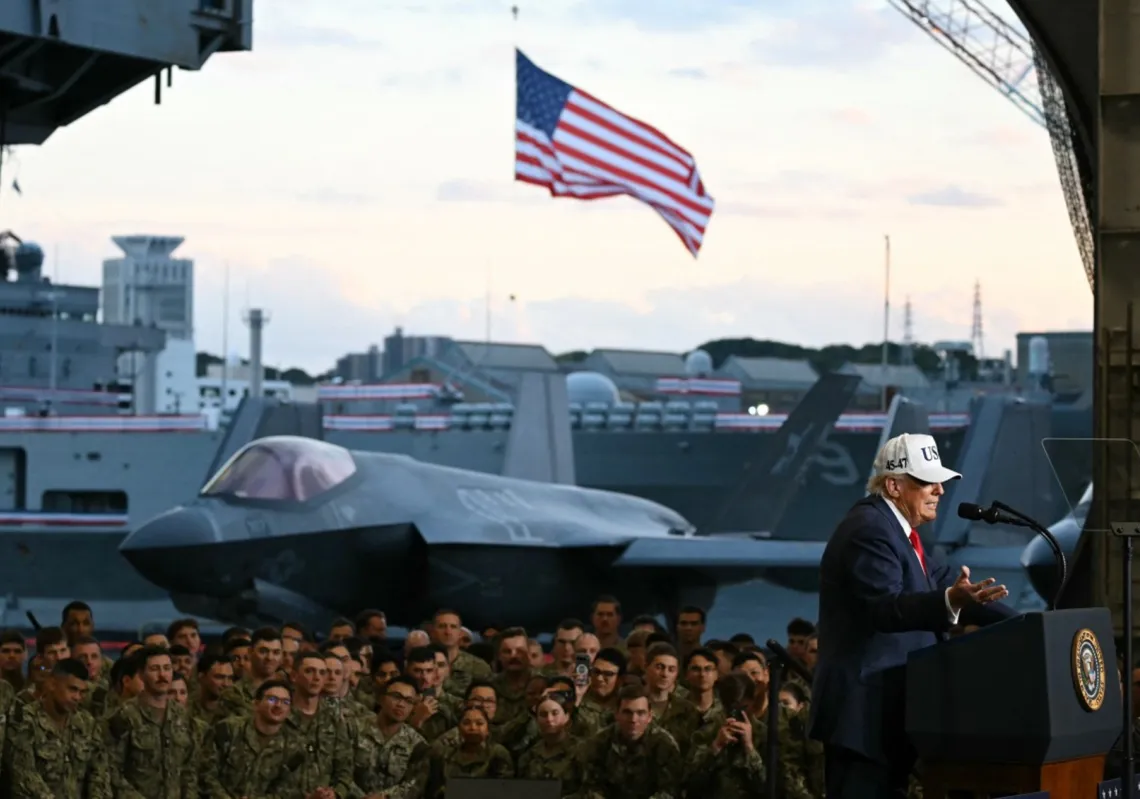
Similarly, the Iran war, thus far, resembles US conflicts during the unipolar moment. As with its conquests of Iraq and Afghanistan, or its bombing of Serbia in 1999, Iran is an asymmetric conflict where the US (and its ally, Israel) has the overwhelming military advantage and is attempting to impose hegemony over a much weaker regional actor, rather than a great power rival.
A widening conflict
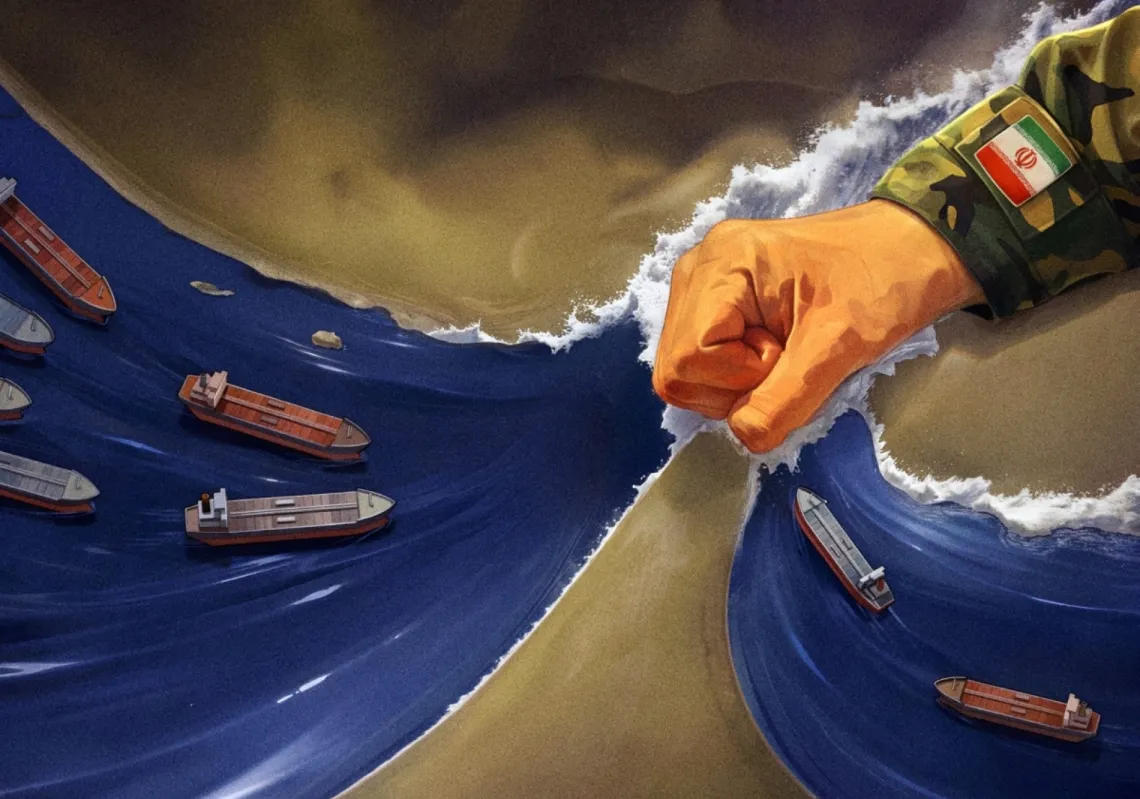
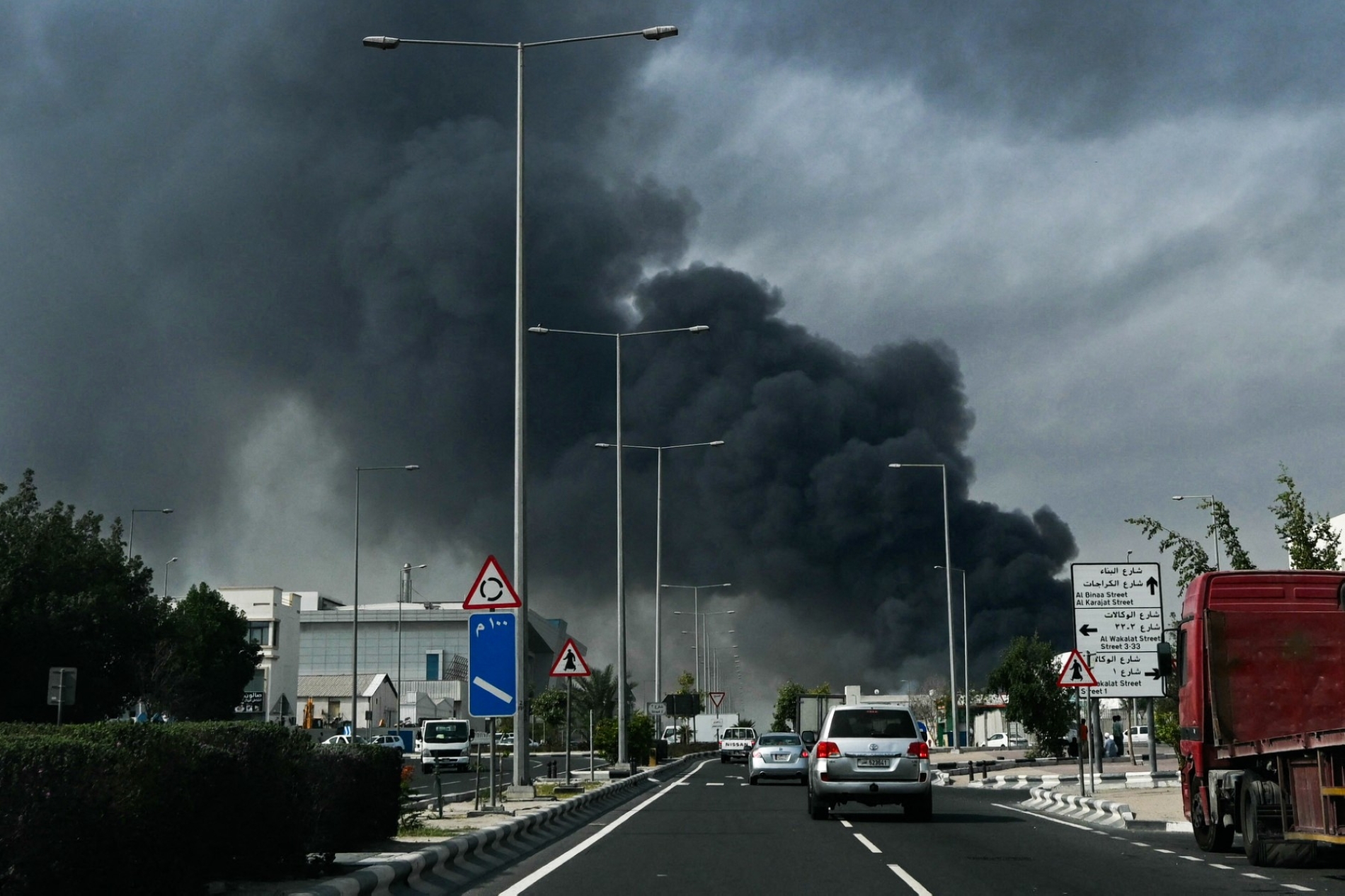
Unlike the Ukraine war, though, the conflict with Iran has already spread beyond the targeted state’s borders. Tehran has retaliated in the Gulf states, Israel and other regional actors with drones and missiles, while Hezbollah’s supportive strikes prompted a massive Israeli campaign, dragging Lebanon in. It is plausible that Iran’s other allies, the Houthis, the Popular Mobilisation Forces and Hamas could see Yemen, Iraq and Palestine sucked further into the conflict as well. However, devastating though this would be for the Middle East and the global economy, it would still not constitute a global conflict. For that, global powers would need to be drawn in, and this currently looks unlikely.