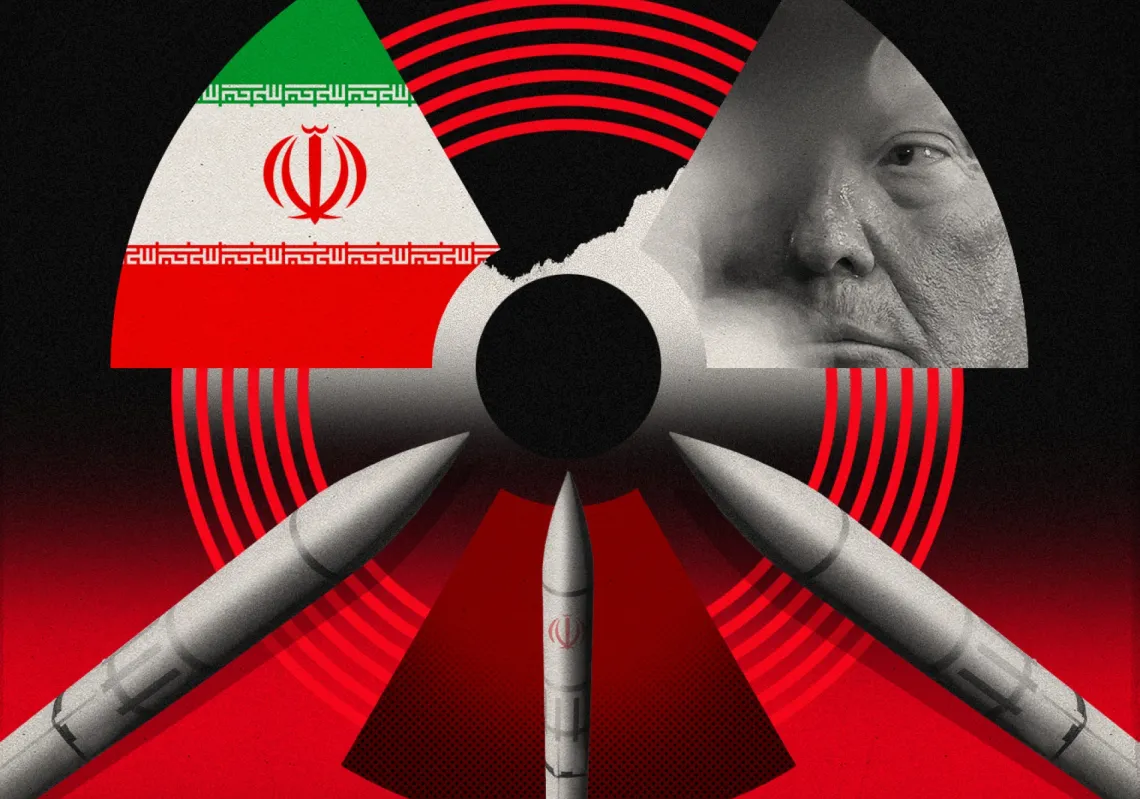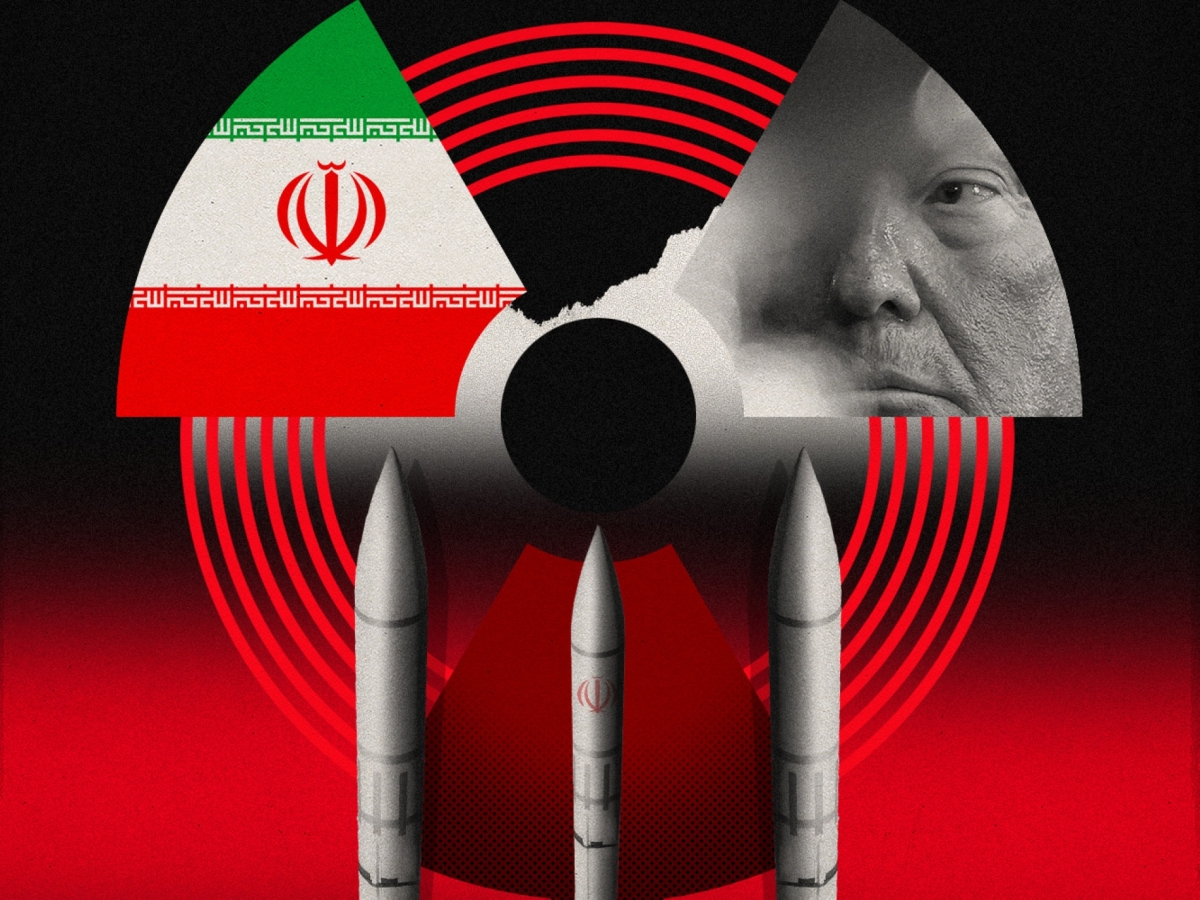

If the United States and Iran fail to reach a nuclear or broader deal, the result will be war, according to US President Donald Trump. If that happens—and it's increasingly likely given the gap in perceptions between Washington and Tehran—how will Iran respond to a US attack?
Everyone knows that Iran’s old and ill-equipped armed forces stand no chance against the most powerful military on the planet. If Trump launches a large-scale war against Iran, the latter will have limited military options to retaliate. It can lob missiles at US bases in the region, at Israel, and at the Gulf Arab states. It can close the Strait of Hormuz, even temporarily, and cause a major shock to the global economy. It can conduct terrorist attacks against Americans at home and abroad. And it can launch cyber operations against US civilian targets.
But Tehran’s ultimate weapon and advantage over the United States is not military in nature. Rather, it’s psychological and political: it has much greater tolerance for casualties. In its eight years of war with Iraq (and a host of other countries, including the United States) in 1980-88, Iran lost anywhere from 500,000 to 750,000 people, yet its regime didn’t flinch. Nor did heads roll after the termination of the conflict. In recent weeks, the regime reportedly killed thousands of its own people in a brutal crackdown against protestors, and there was not a single defection in the system nor an ounce of accountability.
A game of survival
The strategy for Iran in a potential confrontation with the United States is simple: withstand the first volley of US strikes, respond by targeting symbolic US and allied assets in the region, inflict casualties on US forces, and drag out the conflict. The purpose of Iran’s response would not be to confront the United States directly and try to degrade its capabilities— that’s suicidal and unrealistic—but to exact a high enough political price on Trump to compel him to abort the war effort.