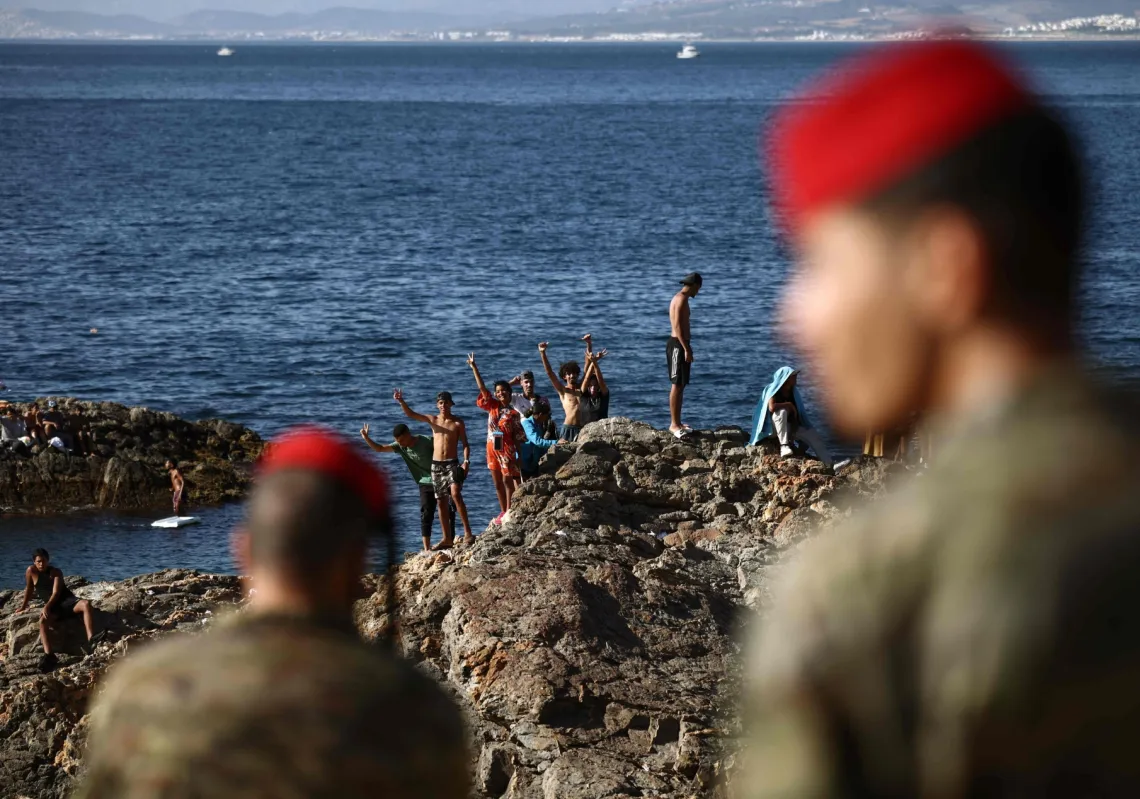

The abrupt crossing of some 60,000 Moroccan migrants into Spain has thrown the Schengen's future into question, even though most have already returned home
Last year, 17,500 Egyptians took boats to Europe, while three million work in the Gulf. With no rural prospects, they leave for jobs. Can hope be brought back to the countryside?
Abbas Khider's novel The Memory Forger exposes the inherited structures of repression left behind by dictatorial regimes, and the hollow Western claims about human fraternity and equality.
A plane carrying Gaza refugees arrived in Johannesburg earlier this month, exposing a systematic pattern of organised transfers that had Israeli military coordination
At a time when so many European leaders are facing intense political pressure to resolve the migrant crisis, the Italian PM's ability to reduce illegal migration by 60% has turned heads
Through the story of a Palestinian couple who migrated to Saudi Arabia in search of better opportunities, Al Majalla explores the evolution of the Palestinian family.
A migration accord between Algeria and its former colonial ruler struck in 1968 is now at the heart of the political reaction to riots following a police killing of a youth of Algerian descent
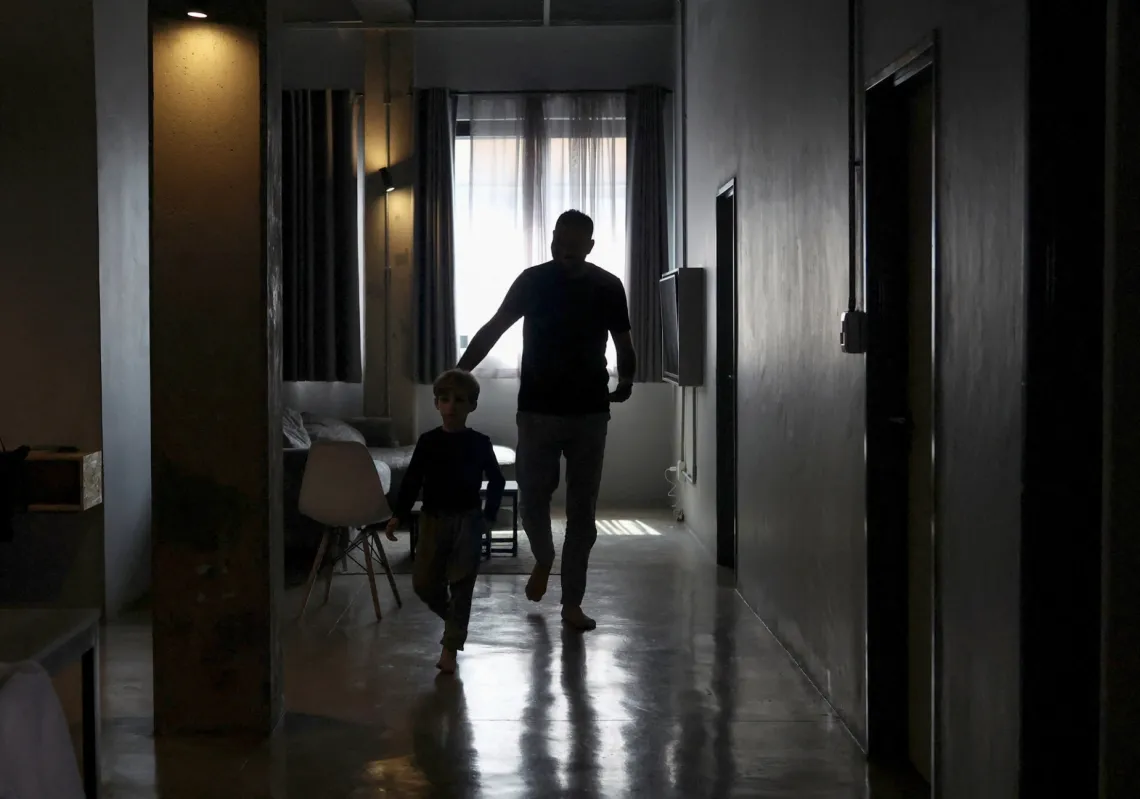
Like the Palestinians before them, Sudan's people seek refuge from war and dream of return. This is one personal story of conflict's devastating arrival in Khartoum.
The American CIA director's visit looks to be a desperate attempt by the Trump administration to avert a doomsday scenario in which NATO is pulled into a larger war with Russia
Al Majalla looks at the former army general's career, political positions, possible paths to victory, and what a change in leadership could mean for Israel and the region after three years of war
As social media transforms how people seek medical advice, figures such as Barbara O'Neill offer something conventional medicine rarely can: absolute certainty
The Iran war exposed the risks of being too closely tied to US military posture, which is why some Gulf states are repositioning themselves not merely as consumers of security but as architects of it