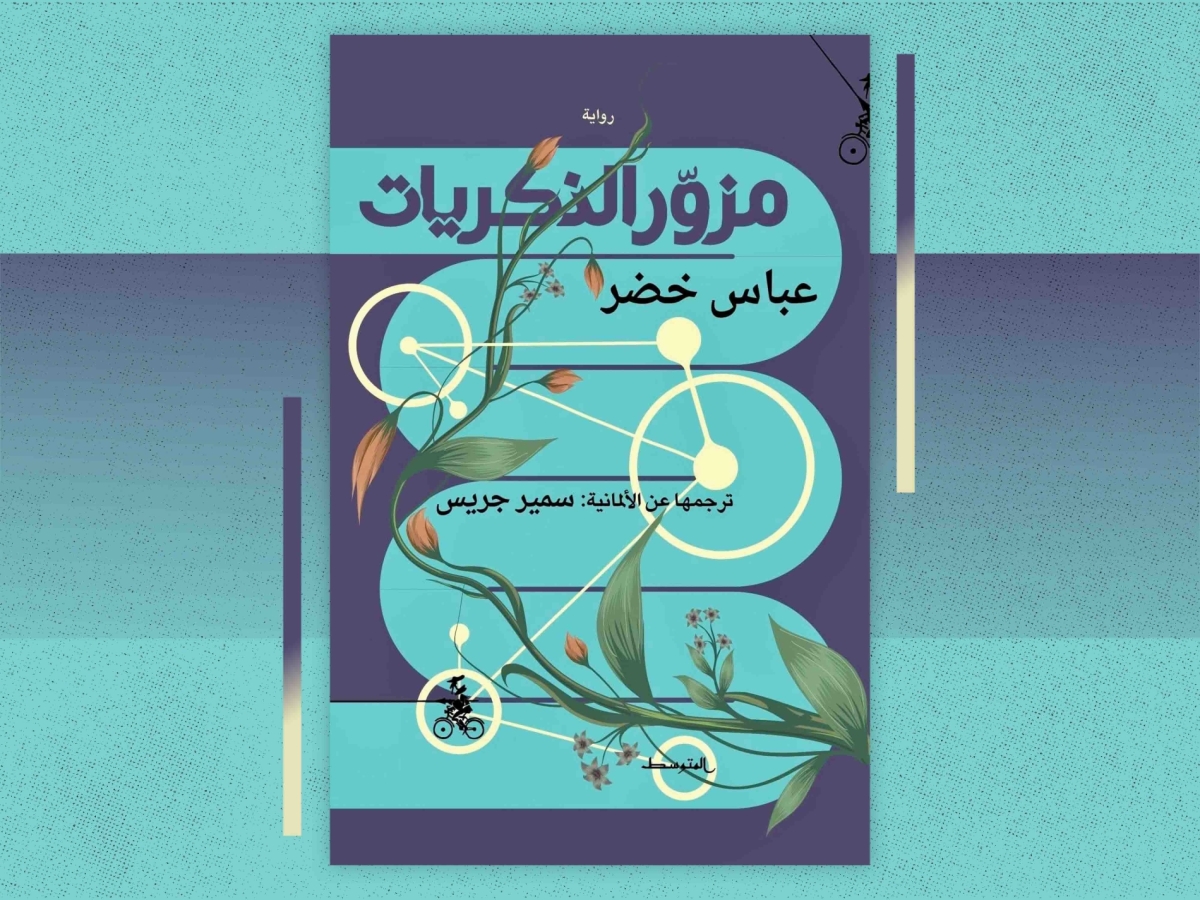

In The Memory Forger by the Iraqi novelist Abbas Khider, Baghdad appears forever lost to the novel’s central character, Said al-Wahid, who repeatedly tries to return from his exile in Germany to the city of his childhood and youth. Every attempted return is greeted by reasons that make him recoil from the idea of going back to visit his family.
When his brother Hakim tells him that their mother is on her deathbed, however, Said immediately decides to head to Frankfurt Airport, and from there to Baghdad via another airport. During the journey, he recalls his life in Munich and Berlin, and remembers Baghdad, as well as his first journey through Jordan, Egypt, Libya and Greece before reaching Germany.
This is the novel’s immediate timeframe, yet it is a time that stretches through memory into other times. The omniscient narrator observes that Said struggles to gather the scattered fragments of his memory so turns to imagination, forging memories (as the title suggests).
The white man
Two narrative lines shape the novel, and Said’s life within it. The first is his suffering as someone who has come to Germany from another country and another culture. The second is Iraq’s condition, where planes now arrive empty and leave full. The first line appears through Said’s sensitivity towards “white” people in Germany, which may reflect the way ‘whites’ view everyone deemed ‘foreign,’ or of a different skin colour.
We thus encounter numerous phrases about “white men” and their view of anyone unlike themselves, such as: “It would have been better for the white-skinned citizens of the country to handle such matters among themselves: looking for housing, appointments of every kind. Someone like Said should not undertake any official procedures on his own. This was the domain of the natives.”
Readers hear that foreigners are “in need of the local whites”. Elsewhere, there are white department heads and “white guardians of the law.” In the street, “two policemen may appear, leave the fair-skinned and blond people alone, and point directly at Said, saying: ‘ID card, please.’”
Not feeling welcome
He suffers first as a refugee, when he is informed that his status has expired because conditions in Iraq have stabilised, despite news of fierce street battles. He suffers again after obtaining German citizenship, when he finds himself in a permanent state of verification: does he hold another nationality, and does he speak German? He wonders whether a policeman would ask a white man carrying a German passport whether he speaks German.
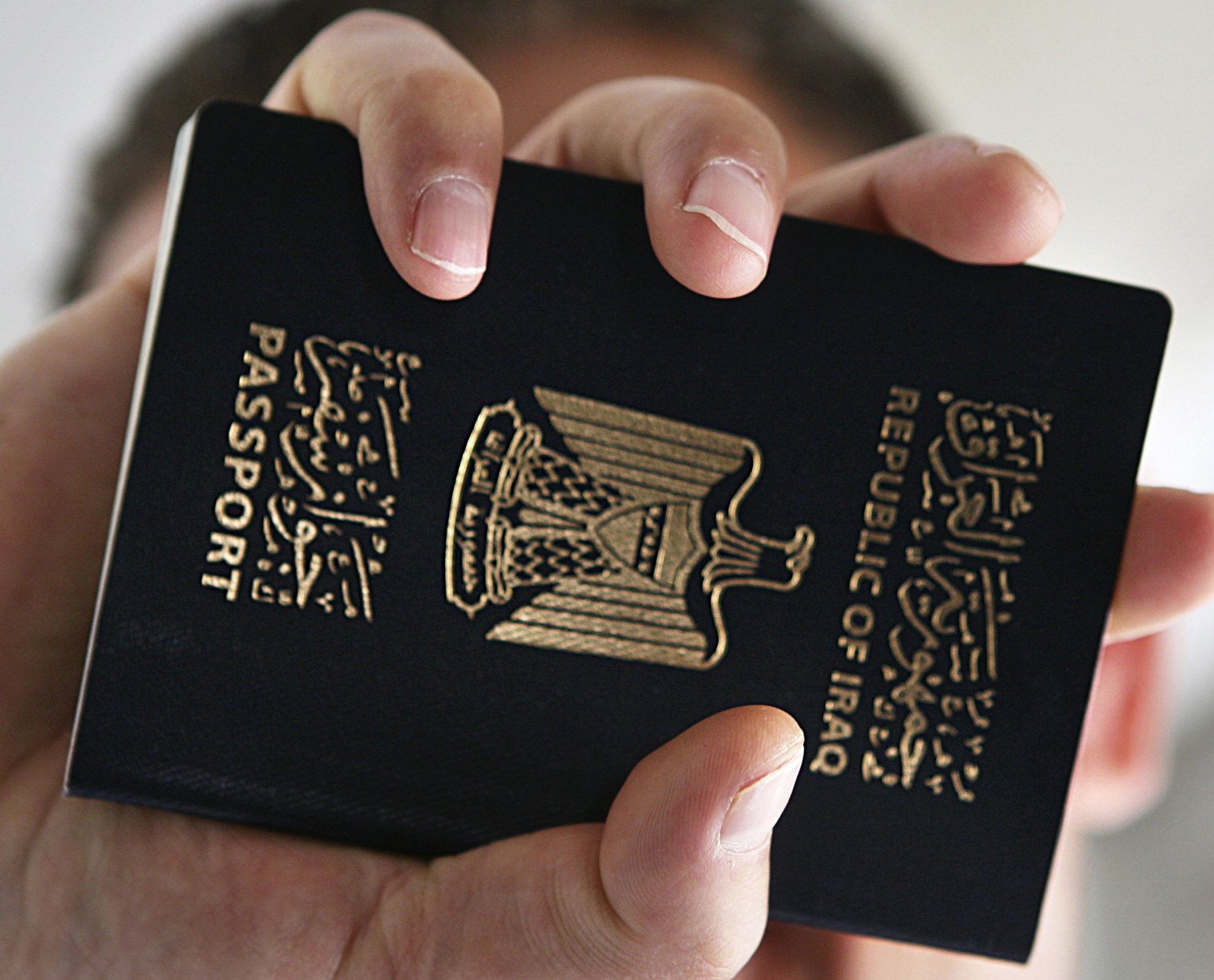
He remains constantly insecure, prepared for any change brought about by elections or other shifts. The dilemma deepens with the emergence of those who revive the Nazi experience in contemporary form, longing for a latter-day Adolf Hitler to appear and send Africans and Arabs back to their countries of origin.
During Said’s three visits to Iraq, he is struck by the haste with which his relatives urge him to return at once to where he came from. His brother fears for him—fears the militias and countless other factors that might prevent his return. Said remembers what his mother told him when he left Iraq for the first time: “Never come back.” His mother “feared moments of happiness and felt afraid whenever they were well for any length of time”. When he left then, Iraq was “a pit of despair” and two decades later it is “a pit of hopelessness,” readers are told.
Shunned by friends
Said’s father was executed on charges of treason and he does not know where he was buried. When the security services informed his mother of the execution, they ordered her not to weep or scream, nor to mourn in public. Deemed a traitor, many felt Said’s father was “a stain on the nation’s honour”.