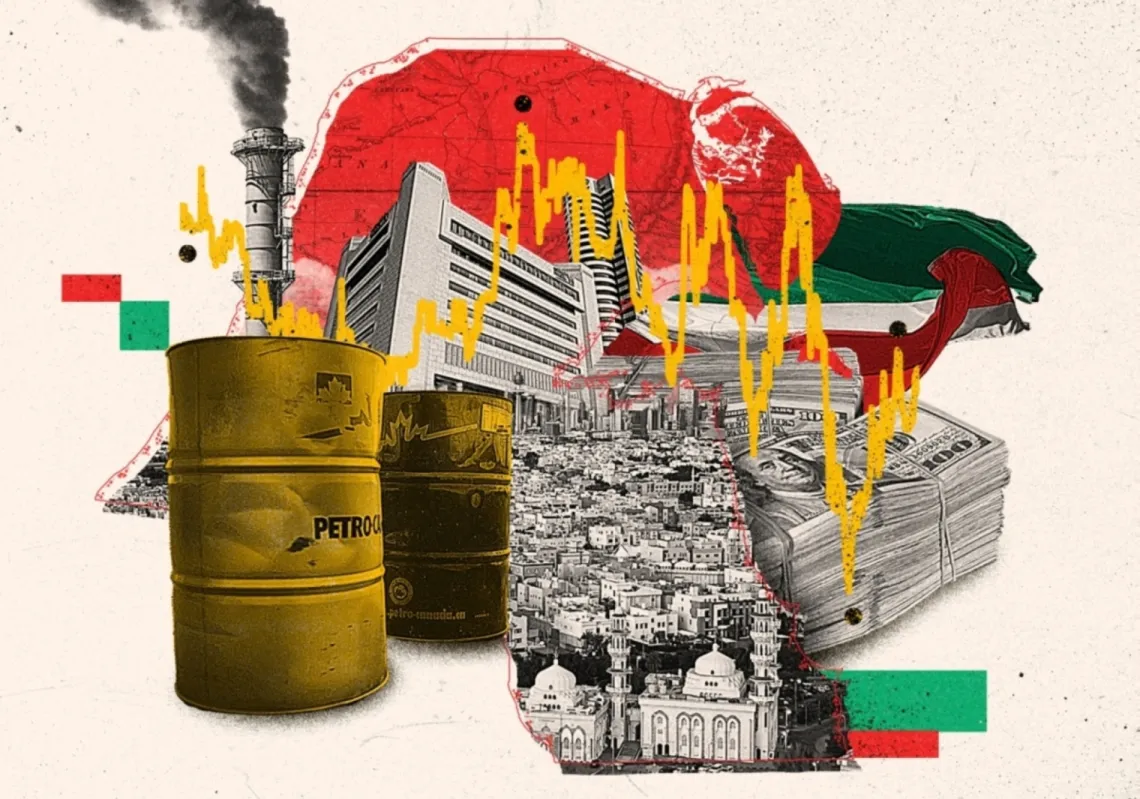

There are moments when geography shapes economic destiny. At others, crises seize the initiative and quicken the pace of history. The pattern returns whenever energy security, supplies, trade, shipping routes, and growth come under pressure. For at least half a century, the Middle East has stood at the centre of that equation.
The October 1973 war and the first oil shock pushed the major industrial economies towards closer coordination, culminating in the creation of the Group of Seven (G7) in 1975. Born in the Cold War, the G7 gave leading capitalist powers a forum to confront economic disruption and protect the stability of energy supplies, but the global financial crisis of 2008-09 forced a wider reckoning.
Economic coordination could no longer be confined to the old industrial powers. The G20 was elevated to the leaders’ level, involving major emerging economies in global economic policymaking. China, India, Russia, Türkiye, Saudi Arabia, Mexico, and South Africa joined a forum that became the broadest mechanism for coordinating global economic policy.
Oil wealth was reshaping the system at the same time. The surpluses accumulated by oil-producing states, particularly in the Gulf, gave their sovereign wealth funds growing influence over global capital flows and investment. More members meant a bigger agenda. Debt, climate change, technology transfer, competition policy, fair trade, migration, and sustainable development all moved into view for the G20.
By 2026, it accounted for about 85% of global output and about two-thirds of the world’s population. Trade expanded, capital flowed more freely, and emerging economies surged. The global economy grew with them. World output doubled in the decade before the financial crisis, from about $31tn in 1999 to $62tn in 2008. Similarly, the years after World War II saw strong global growth, with emerging economies steadily becoming some of its principal engines.
Agree to disagree
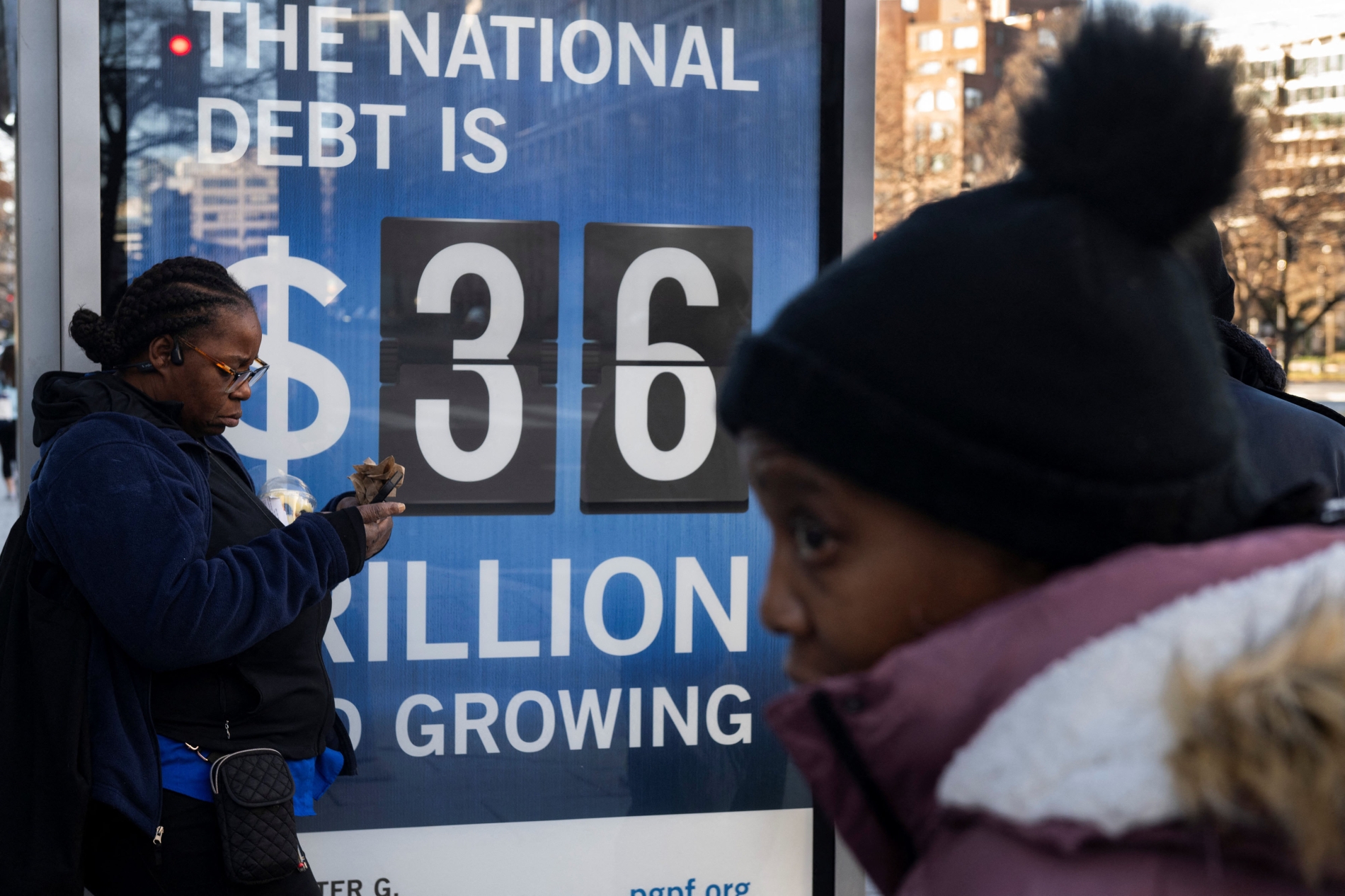
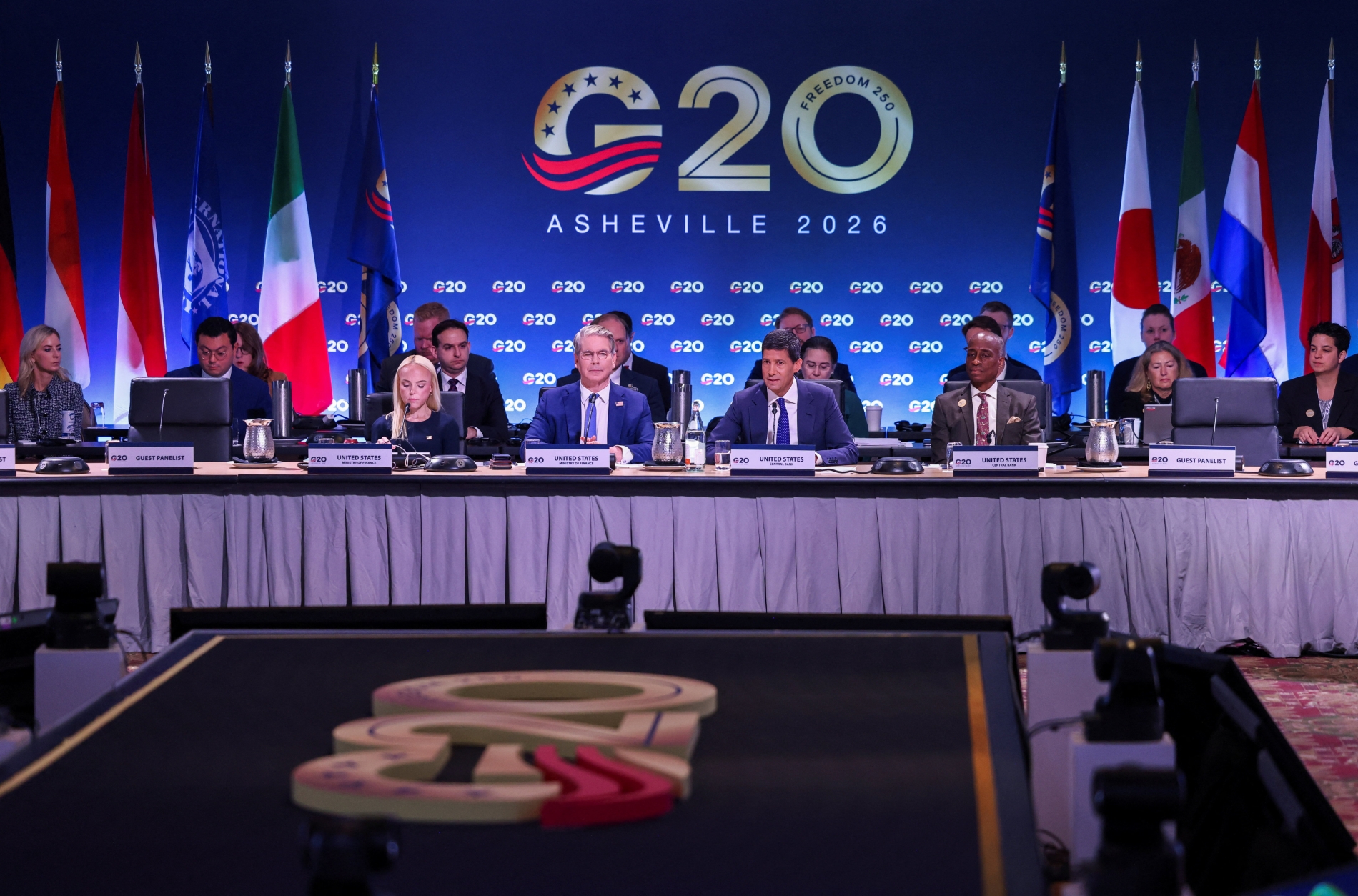
In 2026, that broad system of coordination is under strain. G20 finance ministers failed to agree on a joint communiqué in Asheville, North Carolina, at the end of August. The deadlock exposed sharp differences over global trade imbalances, non-market policies, energy supply chains, critical minerals, and debt, which hangs over all of them. Public and private liabilities worldwide are estimated at a staggering $353tn, much of it concentrated in the largest economies, led by the US, China, and Japan. Elsewhere, inflation remains high, such as 30.4% in Argentina and 28.6% in Türkiye.
China objected to the language on trade imbalances, non-market policies, and reliance on exports to drive growth. The Americans believe Beijing is sensitive to the pressure Chinese exports (especially low-cost goods) exert on US industry. The US has urged other G20 members to confront China’s export-led model.
In August, it accused more than 40 countries of involvement in a “hidden trans-shipment network” that reroutes Chinese goods into the US to circumvent tariffs. Earlier in the year, Beijing expanded its zero-tariff regime to imports from 63 countries, most of them developing economies in Asia, Africa and Latin America. Chinese imports rose 22% year-on-year in the first seven months. Tariff cuts alone do not account for the increase.
The dispute spilt directly into the G20 text. According to the US, China objected to paragraphs covering war and regional conflicts, including the closure of the Strait of Hormuz, global trade imbalances, export dependence as a driver of growth, and sovereign debt restructuring. Beijing says it is not to blame for global imbalances, as arguments continue over China’s large trade surpluses and the weight of exports in its economy.
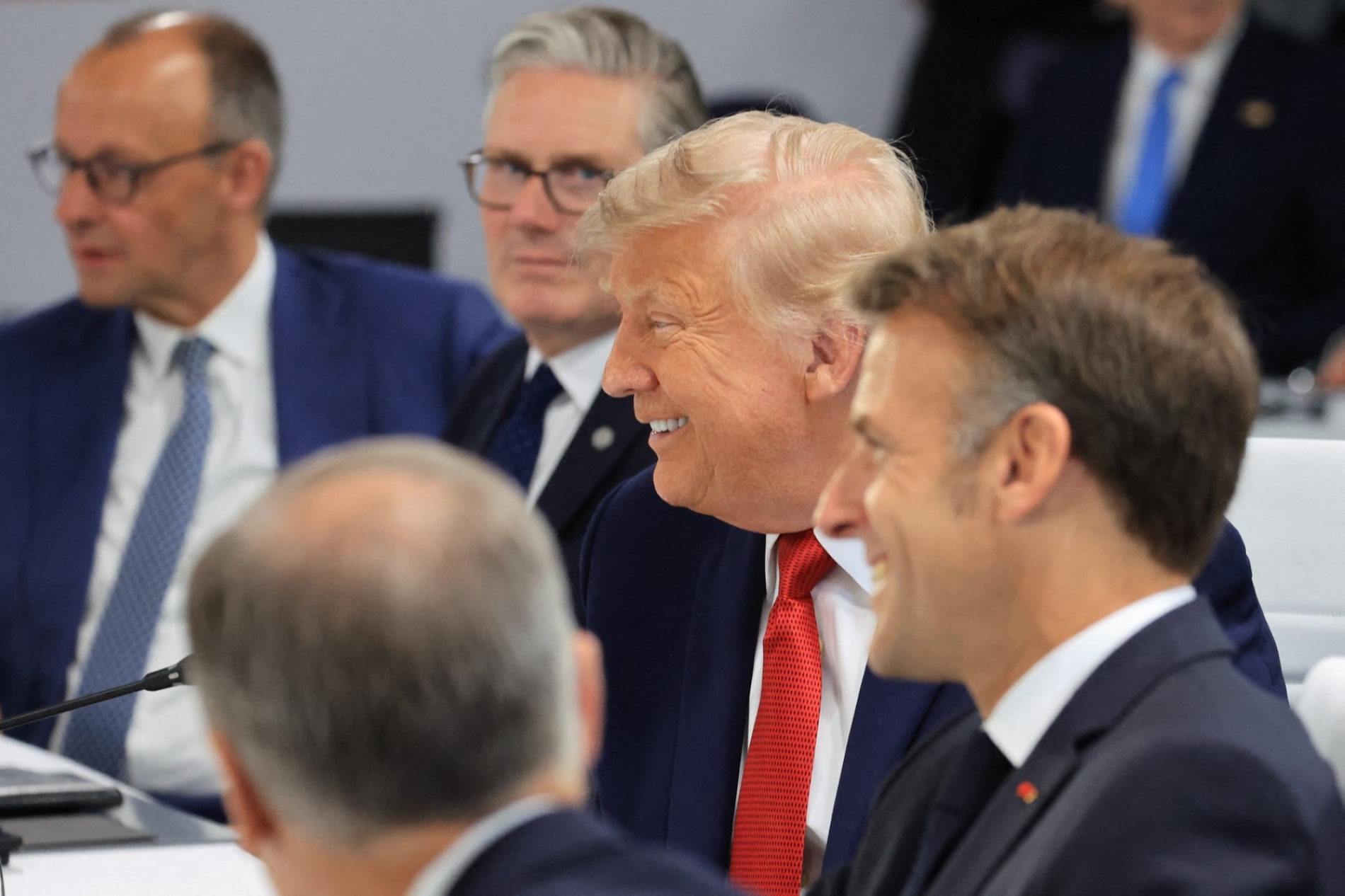
The G20 is no stranger to disputes, especially since Russia’s invasion of Ukraine in 2022. The next test comes in Miami on 14-15 December. America’s trade and fiscal deficits, and mounting debt, could be a major issue in its competition with China. Iran may be another fault line. The US wants other G20 members to tighten sanctions on Iran and hold it responsible for disruptions to energy supplies and rising prices, but this is likely to get some pushback.
IMF warning
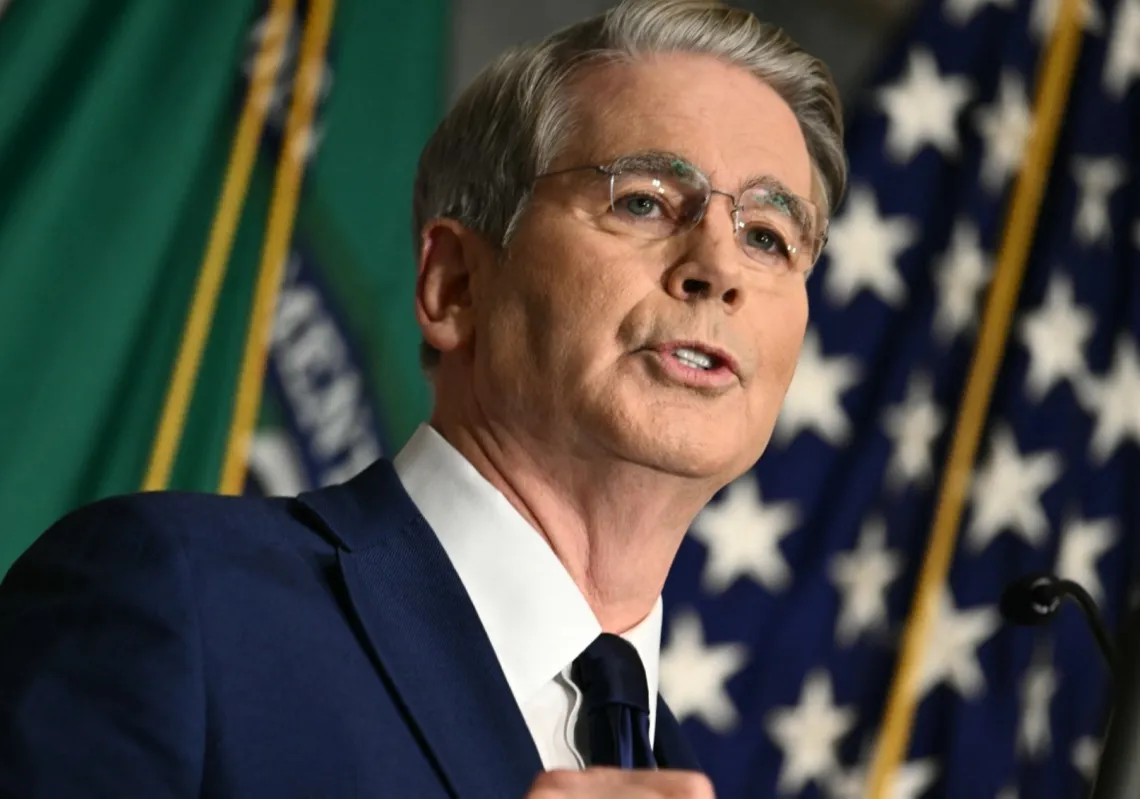
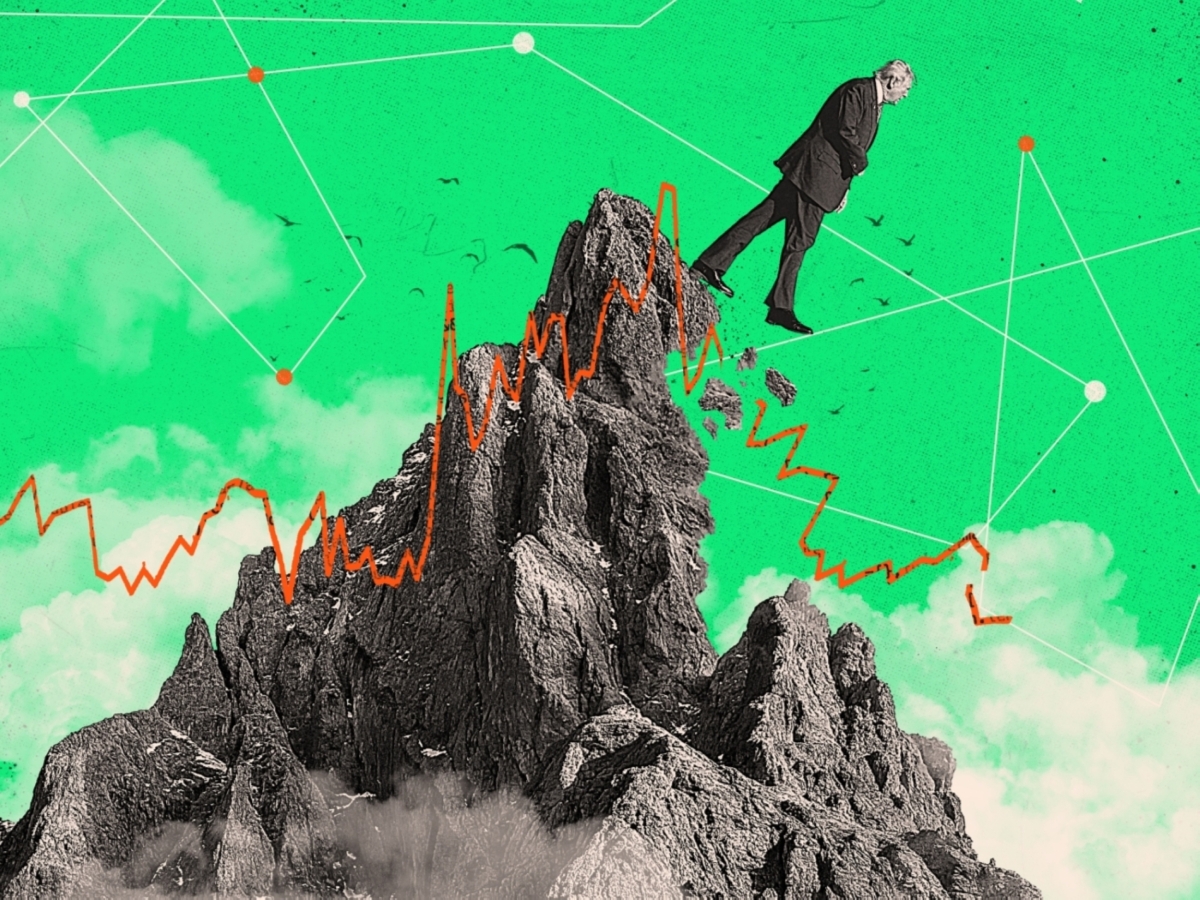
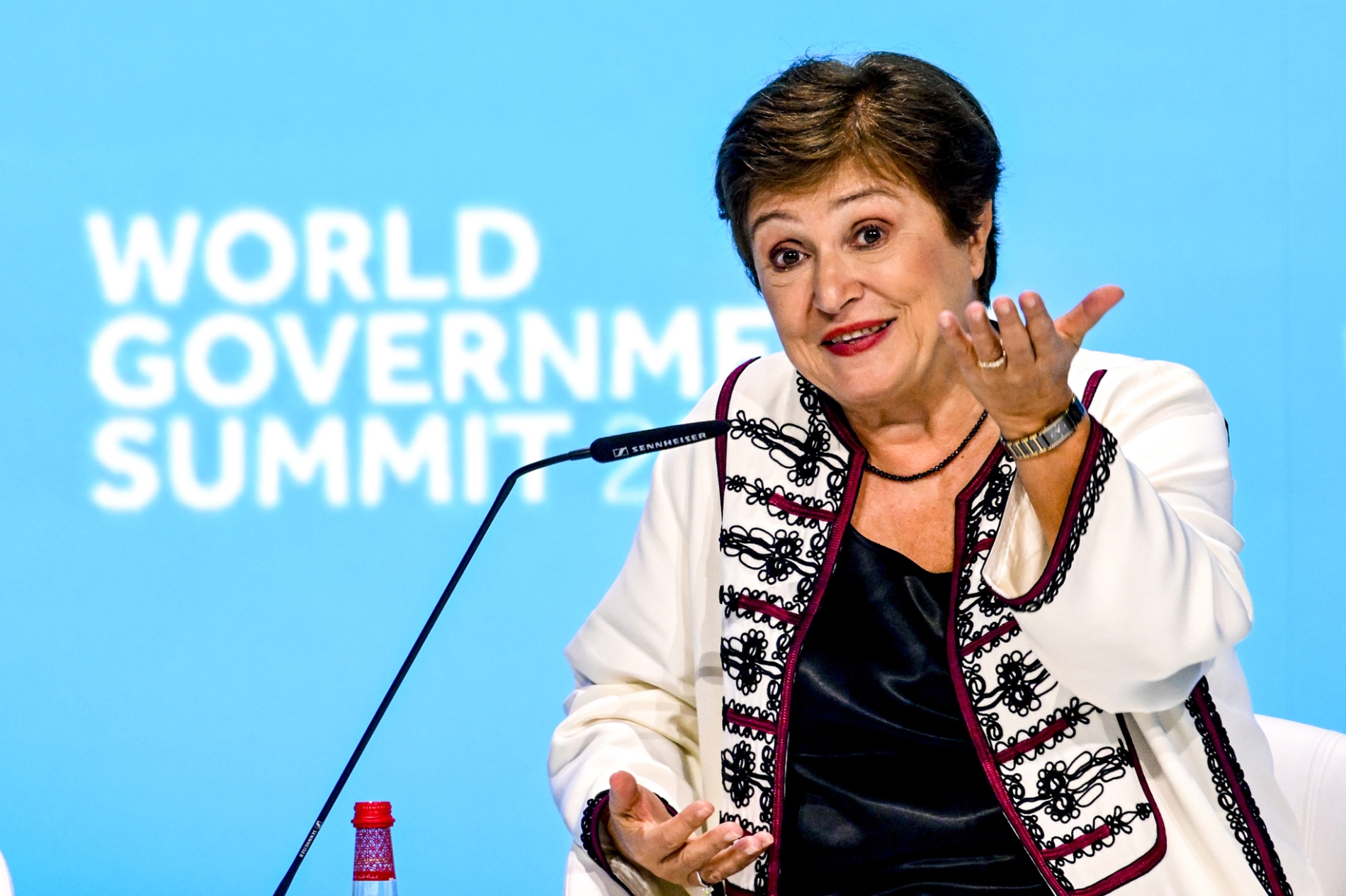
The International Monetary Fund has entered the US-China argument on growth, debt, and exports. At Asheville, IMF head Kristalina Georgieva warned that global public debt was now approaching 100% of world GDP, had already surpassed its highest level since World War II, and was still rising. She likened the path of debt to an ascending staircase: sharp jumps during shocks, followed by only modest declines, if any. Her prescription was “sound fiscal and monetary policies”.
Central banks should keep their focus on price stability, she said, while fiscal authorities need credible medium-term plans to bring public finances under control. For the Bretton Woods institutions, led by the IMF, such discipline is essential if the world is to prevent debt from becoming an even bigger problem and reduce the risk of economic contraction.