
The Schengen Agreement has made travel within the European Union a lot easier since it came into force. It allows its 29 member states to relax their border controls. Or at least it does, so long as those states are feeling relaxed.
Oddly enough, the arrangement is now in trouble because of an event happening outside Schengen territory. In late July, the world witnessed a very strange incident in Ceuta, an outpost of Spain located just across the Strait of Gibraltar. The outpost is one of only two places where Europe shares a border with Africa. The other is Melilla. Both places are administered by Spain.
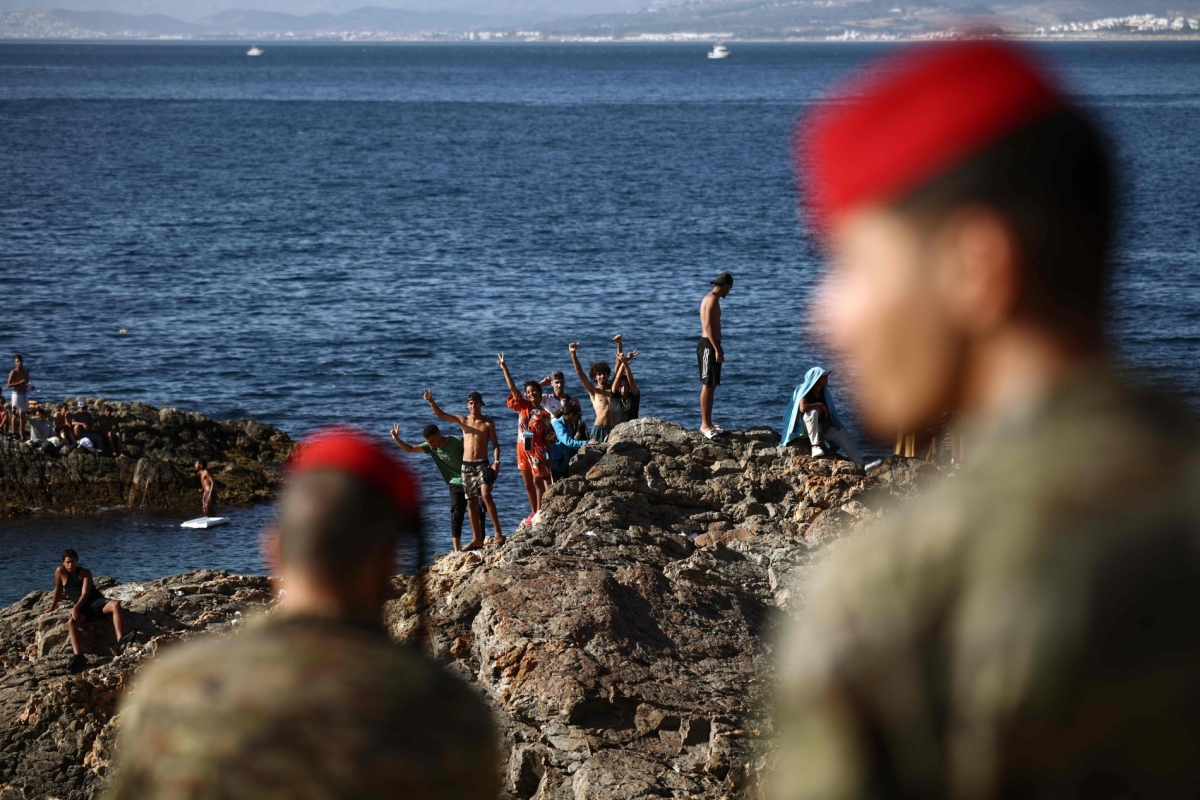
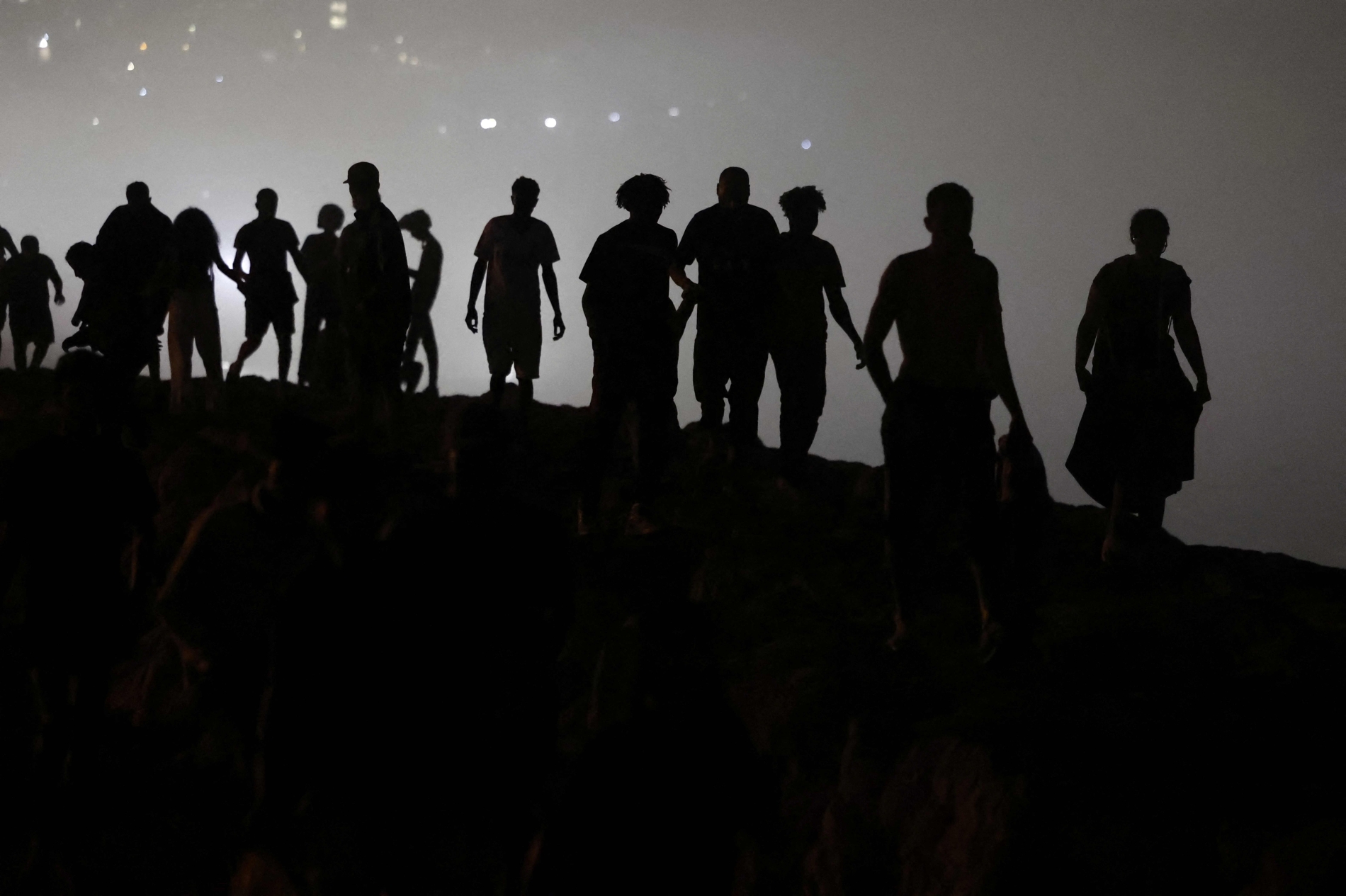
Film of the event sent shock waves through the neighbouring continent. In broad daylight, some 60,000 young men plus a few women swam several kilometres from the Moroccan mainland to Ceuta’s harbour, from which they made their way into the Spanish exclave. So far, it is estimated that at least 72 people died in the attempt.
Spain was quick to mobilise its army and police. Yet the authorities encountered no violence when they got there. On the contrary, the newcomers were seen to be in high spirits. Within 24 hours, most of them had returned to Morocco.
So, what had triggered their appearance? It’s possible that Spain’s Supreme Court was, inadvertently, to blame. According to CNN, the court’s decision protected: "...migrants intercepted while swimming into the exclaves of Ceuta and Melilla who have often been subject to immediate removal to Morocco without any formal proceedings."
Henceforth, it would not be possible to push these migrants back while they were at sea. However, this did not mean they had a right to remain in Ceuta afterwards, which explains why the vast majority left so soon.
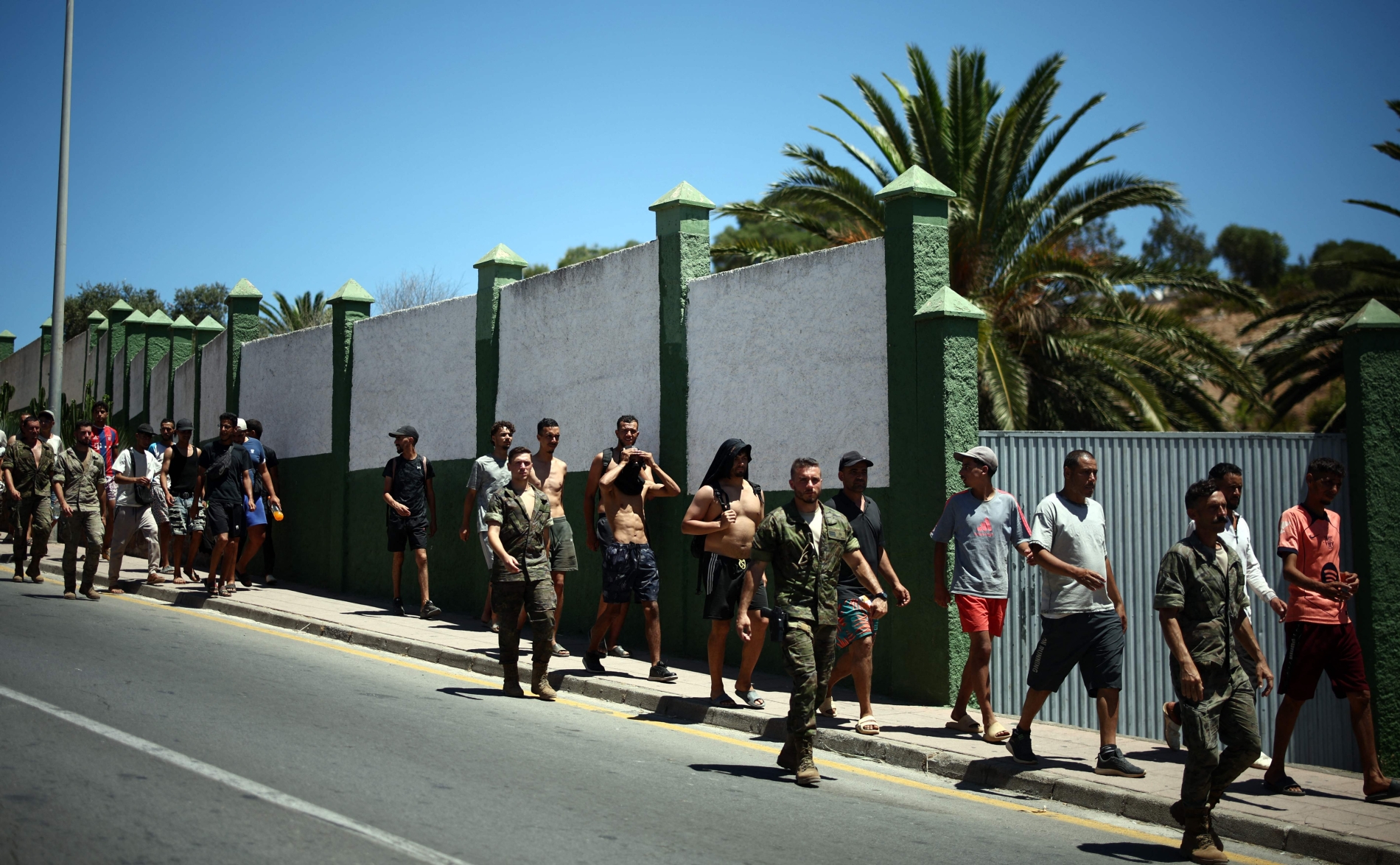
Pedro Sánchez, Spain’s prime minister, described the incursion as a “violation of Spain’s territorial integrity” and blamed a mafia of people traffickers for the sudden influx. But although some of Ceuta’s residents gave him a hostile reception, their jeers were nothing compared with the fury of other Schengen states.
Finland, Denmark and Czechia all called for Madrid’s suspension. The Finnish Interior Minister, Mari Rantanen, complained that Spain had “completely failed” to protect the bloc’s external border and could not remain in the free-movement area. Danish Prime Minister Mette Frederiksen said the EU should consider all available options, including suspending Schengen cooperation with Spain, while Czech Prime Minister Andrej Babiš also joined calls to suspend Madrid’s membership. Polish Prime Minister Donald Tusk stopped short of supporting exclusion, but warned that Spain would have to tighten its asylum laws and border defences “if Schengen is to survive.”
In all, 22 countries—including Germany, Sweden, Belgium, the Netherlands, Poland, Greece and several Central and Eastern European states—signed a letter demanding an urgent meeting of EU interior ministers. They said governments were prepared to reintroduce internal border controls if there was evidence of unauthorised onward movement from Spain.
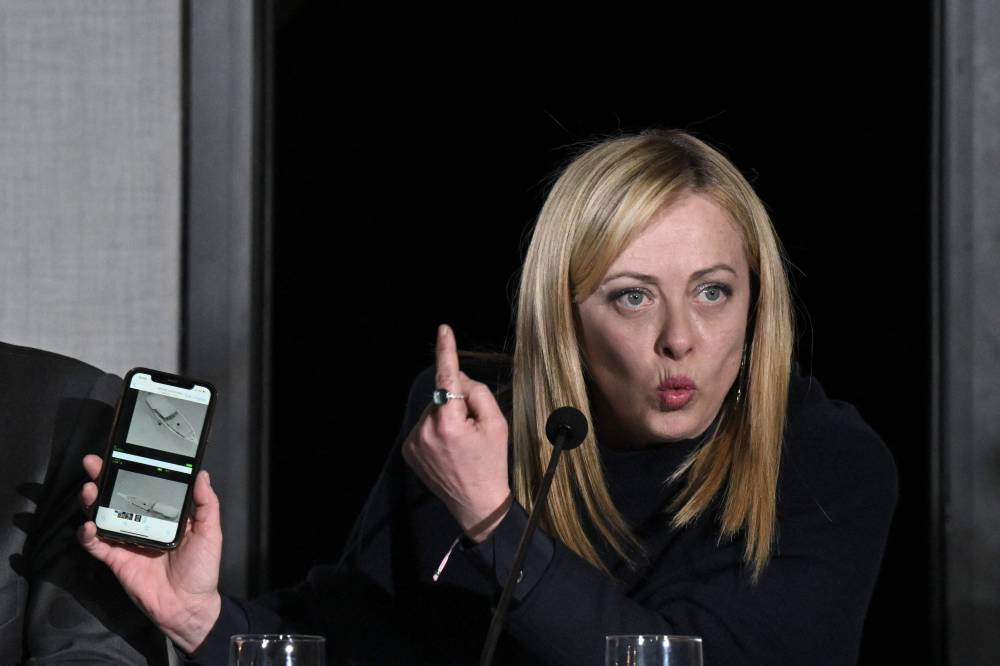
Still more striking, however, was the reaction of Giorgia Meloni, Italy’s right-wing prime minister. She abruptly interrupted her country’s Schengen agreement with Spain as a precaution against an influx on Italian shores.
This is not the first time Schengen has been compromised in this way. Last summer, disputes over the return of migrants led to tit-for-tat border closures by Poland and Germany. At the time, Polish Prime Minister Donald Tusk complained that Warsaw’s patience with Germany was “becoming exhausted.” Accordingly, he imposed checks on his country’s borders with Germany and Lithuania.
In 2024, a plenary session of the European Parliament laid down the conditions under which member states, dealing with threats to public policy or internal security, might reintroduce border controls, stating: "This should be a temporary and last resort measure, and must comply with several procedural rules."
In 2020, the pandemic forced 18 member states to reintroduce border controls. And at the end of September 2024, an upsurge in irregular migration led to the same measure being taken in eight states: "These measures may have significant economic, social and political costs, as they hinder EU freedom of movement, create barriers to economic activity, and diminish mutual trust between member states."
The irony was not lost on the Spanish: that Italy imposed border controls despite the fact that no would-be migrant had lingered in the exclave, let alone made it onto the Spanish mainland. Sánchez and his interior minister were furious at what they perceived as a lack of solidarity and a ‘selfish’ attitude among the 22 EU countries that strongly censured Madrid.
There may be good political reasons for Meloni’s stronger reaction. Nervousness about migration in Italy played a part in her rise, but with elections due next year, she has reason to fear for her coalition. For once, the threat comes from the right.
Just four months ago, Roberto Vannacci founded a new party called National Future. Already it has shown it can appeal to voters discontented with the government. A former general, Vannacci is not afraid to court controversy. In his book, The World Turned Upside Down, he openly advocates remigration.
Meloni’s agreement with Albania to process Italy’s asylum seekers was seen by many as a flop. Only 26 migrants were transferred. In fact, her popularity in general has been on the wane. Outrage at the events in Ceuta offered a pain-free means of channelling the public’s fears over migration.
There was an element of gesture politics in the earlier occasions where borders were closed. Indeed, Schengen has the potential for manipulation by populists, or even Eurosceptics, since its suspension is such a simple way of assuaging concerns over unregulated movement. All a state has to do is introduce border checks to prove a point, and scenes like the ones in Ceuta are perfect for stirring panic.