Inside Assad’s nuclear secrets

Al Majalla reveals the structure of Syria’s nuclear programme 19 years after Israel bombed the Al-Kibar reactor, detailing the involvement of other states and the assassinations that followed

Pete Reynolds

Inside Assad’s nuclear secrets

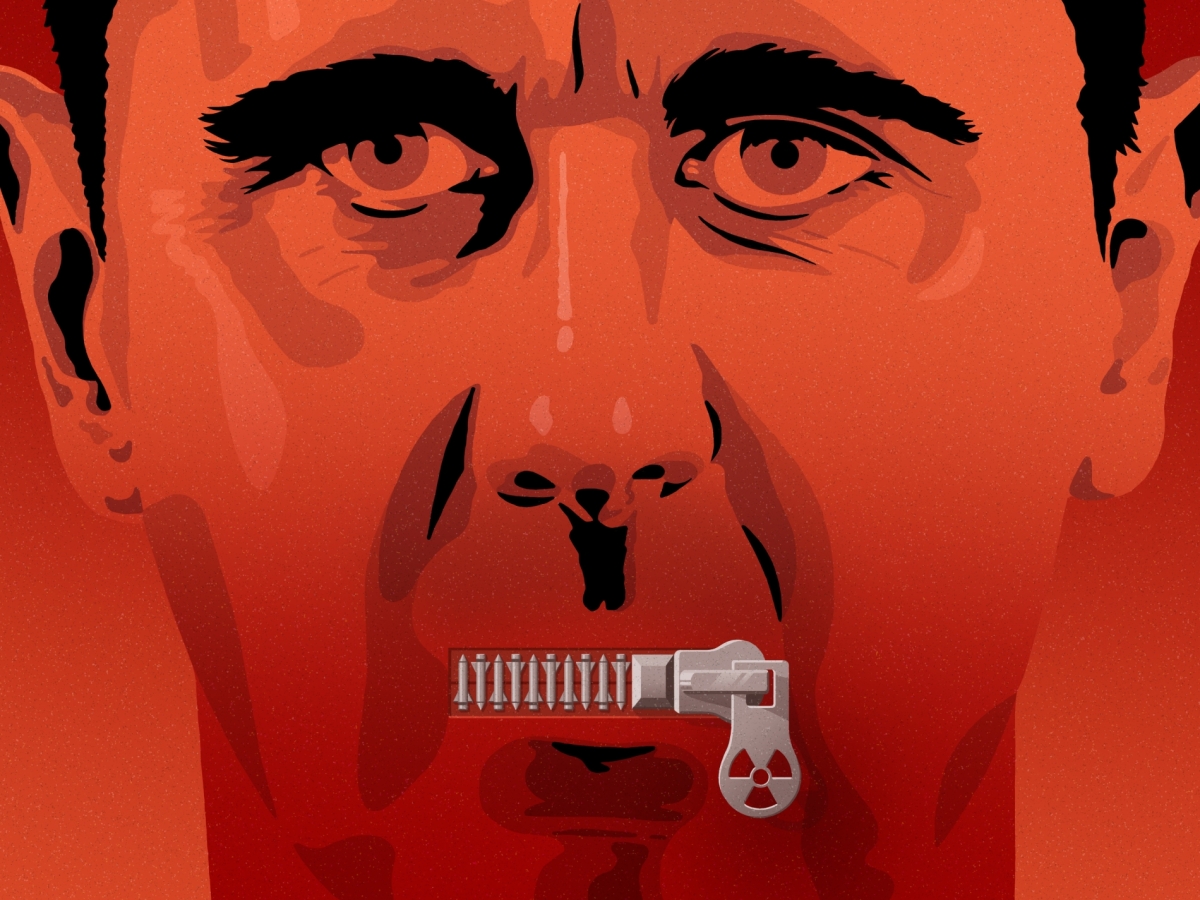
Al Majalla chose Bashar al‑Assad’s nuclear programme as this week's cover story following reports issued by the International Atomic Energy Agency in early September, which revealed that the project was much more extensive than previously believed.

This investigation traces the hidden history of the former Syrian president's nuclear ambitions, while shedding light on the roles played by North Korea and Iran, the depth of Israel’s penetration into the most guarded leadership circles, the destruction of the al‑Kibar reactor in 2007, and the 2008 assassination of Brigadier General Mohammed Suleiman—one of the senior officials entrusted with Syria’s most sensitive strategic weapons programmes.

This is the story.


On 6 September 2007, Israel bombed the Al-Kibar site in north-eastern Syria, where a nuclear reactor was later confirmed to have been under construction. Five months later, on 12 February 2008, Hezbollah commander Imad Mughniyeh was killed when a car bomb exploded in Damascus as he walked by. Six months after that, on 1 August 2008, an Israeli special forces sniper shot and killed Mohammed Suleiman as he sat with his family at the Golden Sands resort on the Syrian coast. Suleiman was a Syrian Brigadier General and Special Presidential Advisor for Arms Procurement and Strategic Weapons to President Bashar al-Assad.

Four years earlier, Syrian technicians were killed in an explosion in North Korea, whose own reactor design was later revealed to be the model template for the one at Al-Kibar. Fast forward a generation, and in August and September 2026, international atomic experts published reports referring to tonnes of “nuclear material” being found in Syria. These are all key milestones in the story of what may be called the “nuclear programme” of Syria’s former Assad regime.

Its details have been reconstructed from private information, US documents, reports by the International Atomic Energy Agency (IAEA), news agencies, research centres, and publications by researchers, experts, and academics, as well as from Syrian and Israeli testimonies that have emerged in recent years. Today, 19 years after Israel destroyed the Al-Kibar facility near Deir ez-Zor, the familiar picture of Syria’s nuclear project has changed fundamentally. Investigations by the IAEA show that what had been concealed was not limited to the reactor building bombed by Israel in September 2007; it also included a fuel fabrication facility, a fuel store, other locations linked to the fuel cycle, and dozens of tonnes of natural uranium metal.
Pete Reynolds

Scale revealed

In a confidential report circulated to member states in Vienna on 1 September 2026 and reported by Reuters, the IAEA said the Assad regime had failed to declare nuclear material, facilities, and activities that should have been reported under its Safeguards Agreement. These included a nuclear reactor under construction in Deir ez-Zor, a fuel fabrication facility, the fuel store, and related nuclear material. The agency verified the presence of around 73 tonnes of natural uranium metal at a site linked to the programme, including around 55 tonnes in the form of fuel rods (the rest was uranium scrap and waste).

The IAEA has since placed all the material under containment and surveillance. The 73 tonnes in question were not enriched uranium, nor does its presence mean that Syria had material for use in a nuclear weapon. Rather, it indicates that the project went beyond just a reactor. The IAEA does not state that the Assad regime operated a fuel reprocessing facility or that it had separated plutonium, nor is there any public evidence that the Al-Kibar reactor had begun operating before it was bombed, but it did reveal that planned reprocessing activities formed part of the programme.

The question, therefore, extends beyond the one that has dominated discussion of the file since 2007. At the centre of the story is Brig. Gen. Mohammed Suleiman, one of Bashar al-Assad’s most elusive aides. US documents and published Israeli accounts place him at the nexus of strategic weapons programmes, military ties with North Korea, Iran, and Hezbollah.

Born in 1959 in the Duraykish area of Tartus, he studied mechanical engineering at Damascus University, then joined the military academy, and graduated as a captain in the engineering corps. He later served in the Republican Guard and became close to Basil al-Assad, who was the Syrian president’s heir. Following Basil’s death in 1994, Suleiman joined Bashar’s inner circle. He married a woman from Deir ez-Zor, and his wife’s sister married Adnan Mahmoud, the former information minister, head of the official news agency SANA, and Syrian ambassador to Iran. His mother-in-law was highly influential in Deir ez-Zor.

The mysterious aide

Mohammed Suleiman was neither a minister nor the head of a known security agency, nor did he appear at official events or speak to the media. On 4 January 2006, the US embassy in Damascus sent a confidential cable titled Applying Targeted Sanctions to Syria, identifying Suleiman as the “presidential advisor responsible for procurement”. It was later published by WikiLeaks. On 15 March 2007, the embassy sent another cable titled Treasury Team’s Damascus Consultations on Financial Sanctions, describing Suleiman as the “Syrian Special Presidential Advisor for Arms Procurement and Strategic Weapons”. It said his activities were “not widely known”, which made it difficult to sanction him.

The secrecy surrounding Suleiman’s role therefore posed an obstacle for the US, but after his assassination in August 2008, the Americans’ understanding became clearer. On 3 August 2008, two days after he was killed, the US embassy in Damascus sent a cable titled Assassination of Senior Assad Security Aide, in which it said that Suleiman enjoyed “special status and was close to Bashar”, and that he managed “special projects” for the president that may not have been known even to Syria’s senior military leaders.

Award-winning Israeli journalist Ronen Bergman offered one of the most detailed portraits of Mohammed Suleiman in his book Rise and Kill First: The Secret History of Israel’s Targeted Assassinations, whose American edition was published by Random House in New York on 30 January 2018. He wrote that Bashar al-Assad entrusted Suleiman with creating a body outside Syria’s formal defence establishment to oversee highly sensitive and secret files. Israel’s military intelligence uncovered it, later dubbing it “General Suleiman’s shadow army”.

Suleiman believed Syrian electronic communications were vulnerable to Israeli interception, so he ordered all sensitive messages and plans to be transmitted on paper in wax-sealed envelopes and carried by a network of trusted motorcycle couriers. Even senior Syrian military officials were kept in the dark. According to Bergman, Suleiman’s most closely guarded secret was the reactor under construction in Deir ez-Zor since the early 2000s. Syria had bought it from North Korea in a project financed by Iran. However, Bergman notes that Israeli and US intelligence disagreed over whether Iran knew that the funds it gave to Syria were being used to build the nuclear reactor.
US GOVERNMENT / AFP
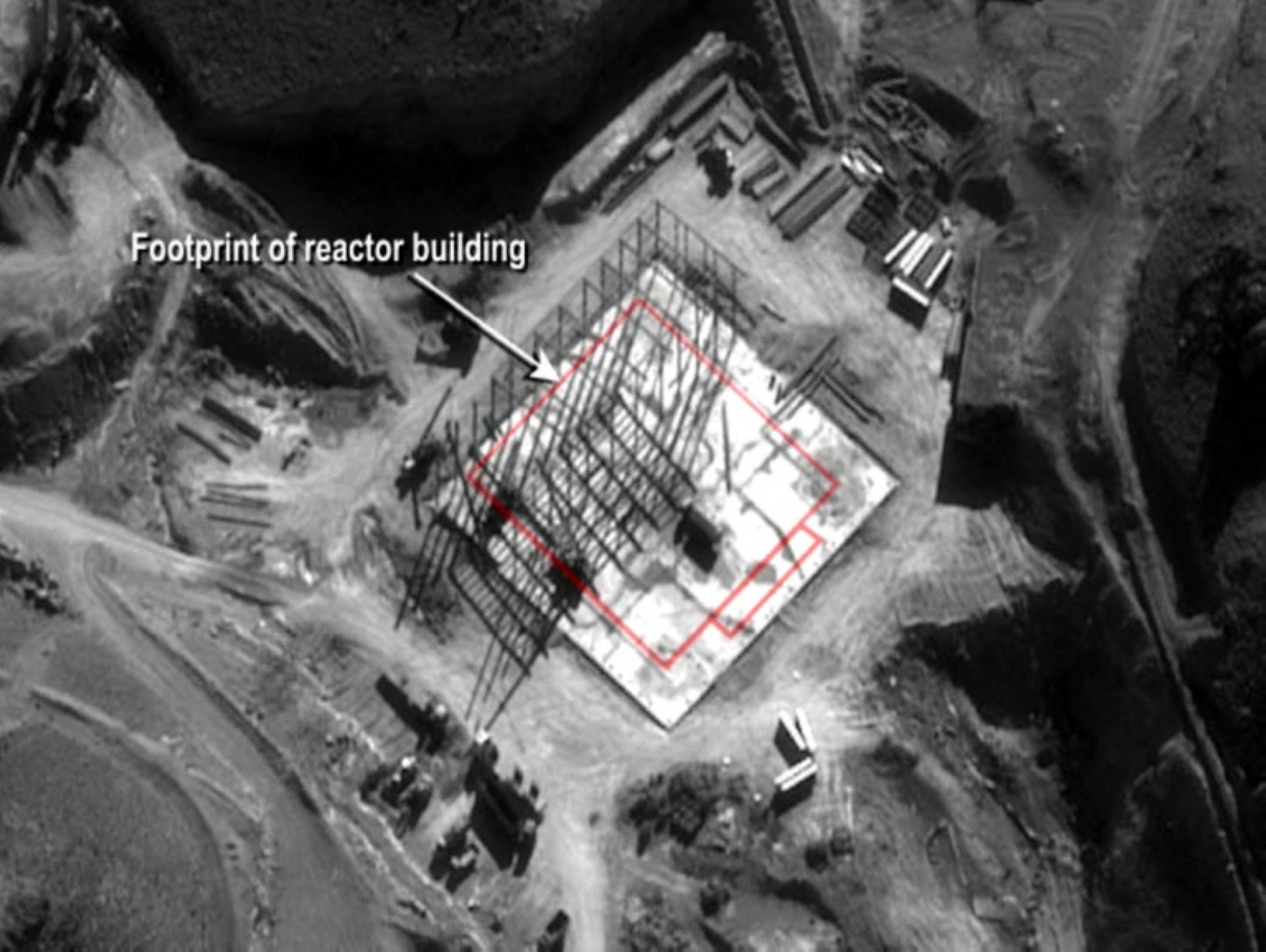
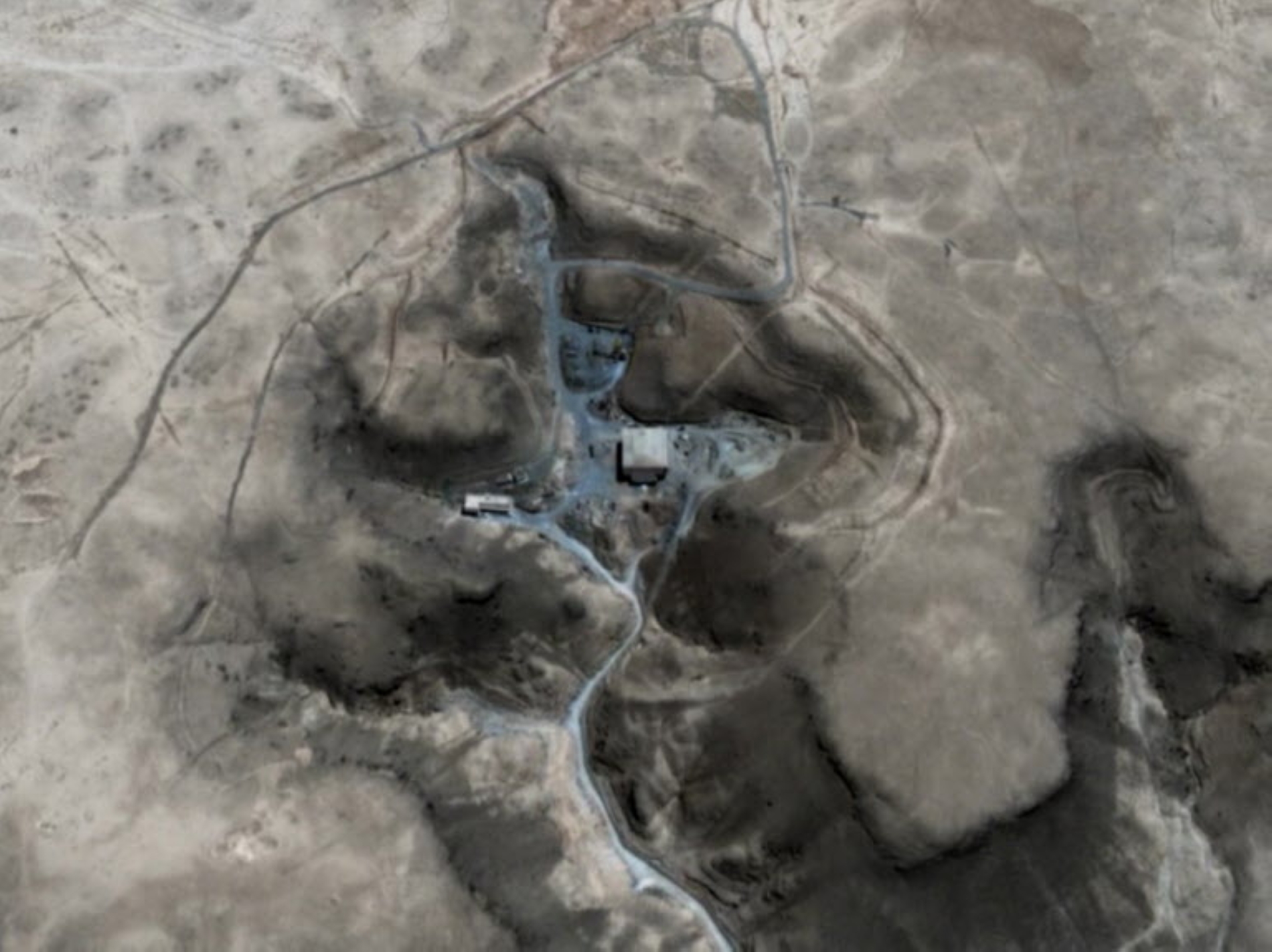
This undated image released during a briefing by senior US officials on 24 April 2008 in Washington, DC shows what US intelligence officials said was a Syrian nuclear reactor built with North Korean help.

North Korea and Iran

The strategic relationship between Damascus and Pyongyang did not begin with the reactor; it grew out of years of military cooperation in ballistic missiles, technology transfers, and technical expertise. In reports submitted to Congress, America’s Central Intelligence Agency said Syria’s liquid-fuel missile programme relied on critical foreign equipment and assistance, particularly from North Korea, and that with this support Damascus had developed domestic capabilities to manufacture several types of Scud missiles. This long history of cooperation is crucial to understanding how the relationship expanded into the nuclear field.

On 22 April 2004, a massive explosion rocked Ryongchon railway station in North Korea, near the Chinese border. Authorities said it was caused by an accident involving railway wagons carrying hazardous materials, but media reports noted that around 12 Syrian technicians had been killed in the explosion and linked their presence to a military or missile shipment being prepared for transport to Syria.

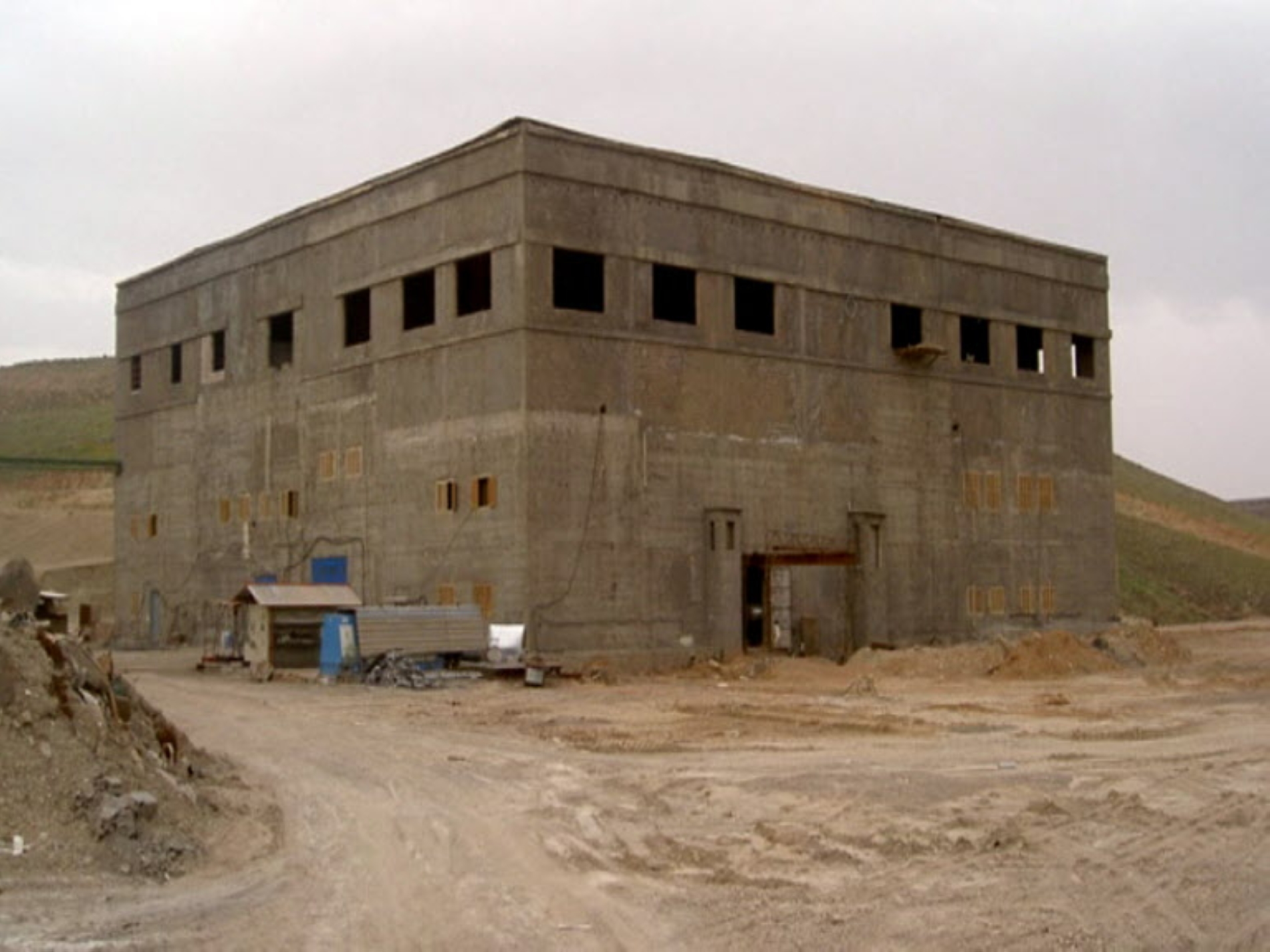
In Washington on 24 April 2008, President George W. Bush’s team gave a briefing in which they said they suspected nuclear cooperation between Syria and North Korea for years but had not been sure about the nature of the Deir ez-Zor facility until a clearer intelligence picture developed over the course of 2007. According to the briefing, the Syrian facility was a gas-cooled, graphite-moderated reactor similar to North Korea’s Yongbyon reactor. It was nearing operational capability when Israel destroyed it. On 25 April 2008, an American diplomatic cable said the US had “strong evidence” that North Korea had helped Syria build the reactor.
Accounts differ over whether Iran's role was limited to financing or whether it formed part of a broader deal under which it would share in the project's benefits

The story did not end with North Korea. Since 2008, information has emerged that points to a possible third party. Accounts differ over whether Tehran's role was limited to financing or whether it formed part of a broader arrangement under which it would also share in the project's benefits, but on 24 June 2008, British newspaper The Guardian quoted an advisor to Israel's National Security Council as saying that "the Iranians were involved in the Syrian programme" and that the plan was for Syria to produce plutonium, with Iran receiving a share.

It noted that, according to Israeli information at the time, Syria had no facility for reprocessing spent fuel, prompting Israeli officials to wonder where the plutonium was to be separated. The Bush administration did not endorse this Israeli claim in its official briefing on Al-Kibar in April 2008, which instead focused on North Korea and did not identify Iran as a confirmed partner in the building of the reactor, but Bergman wrote in Rise and Kill First that Syria had bought it with "Iranian funding".

Syrian Presidency Telegram Page / AFP
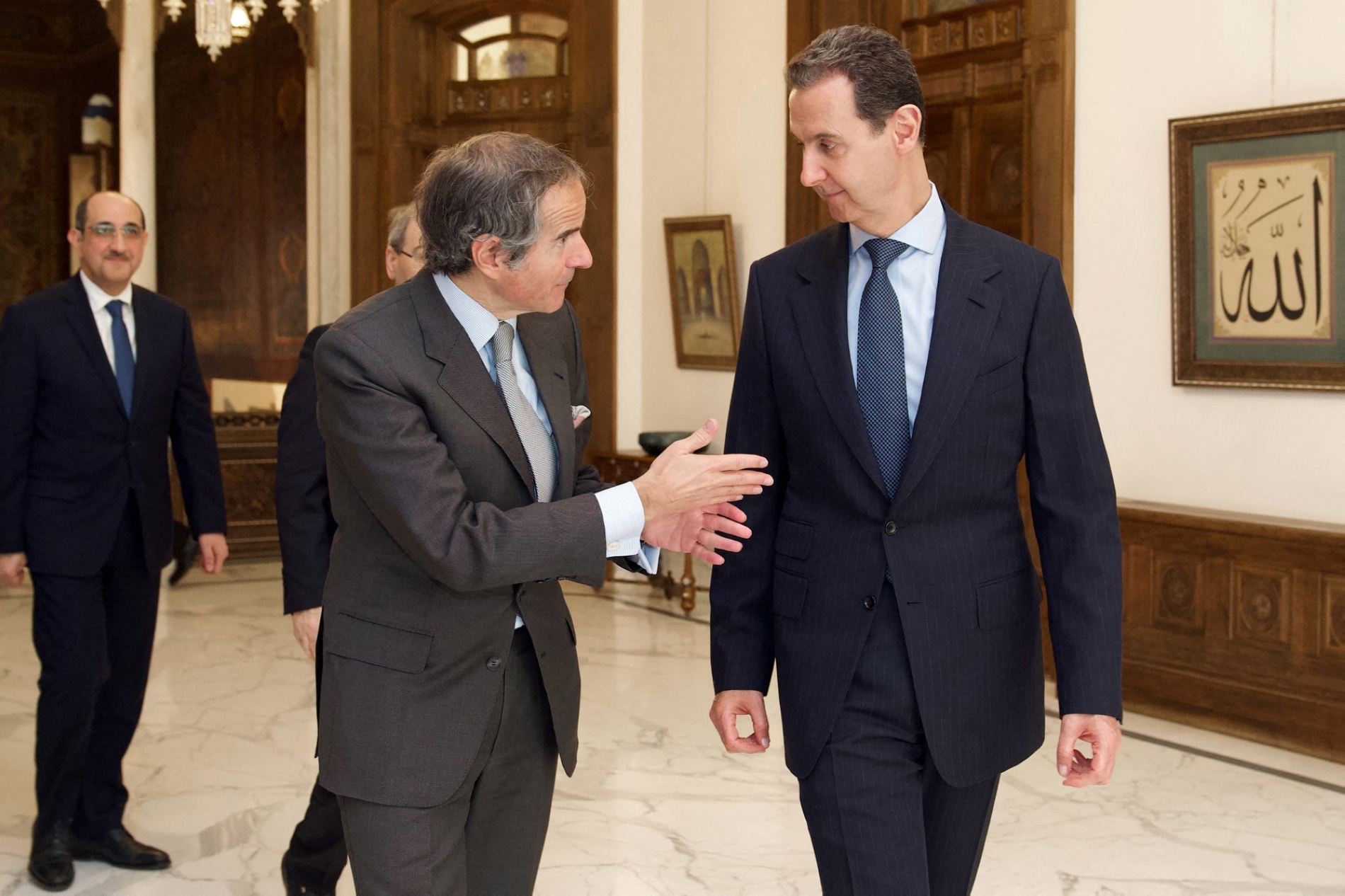
This handout picture released by the Syrian Presidency's Telegram channel on 19 March 2024 shows Syria's President Bashar al-Assad (R) receiving the director general of the UN's IAEA nuclear watchdog, Rafael Grossi, in Damascus.

New Syrian testimony

After the fall of Bashar al-Assad's regime in December 2024, testimonies emerged from Syrians who had worked in institutions involved in the project. While these accounts do not substantiate every detail of the Israeli narrative, they overlap with it in several respects.

In an investigation broadcast by Al Sharq on 26 August 2026, prepared by Alaa Ibrahim with Qasim Al Khatib and Hossam Bayram, a former director at Syria's Scientific Studies and Research Centre said staff went to the facility on specific technical assignments without being given information beyond their own fields of expertise. Responsibilities were compartmentalised so no one could connect their role to the project as a whole.

Another former director at the centre said North Korea provided "the most important part of the expertise, design and technical assistance", while Syria supplied the site, security, and infrastructure. He added that talk in Syrian scientific circles at the time pointed to "support and funding channels linked to Iran". So far, however, neither the IAEA nor the US government has established the existence of a comprehensive tripartite agreement between Syria, North Korea, and Iran, and the available evidence does not suggest that Damascus shifted from reliance on North Korea to Iran, since the North Korean connection was active even after the 2007 raid.

US officials in Washington said in April 2008 that they had information indicating that North Korean assistance to Syria continued after the facility was destroyed. More likely, North Korea supplied the technology and the reactor, while Iran's role, if any, was financial or strategic, though it may have grown later. This hypothesis gained significance after the IAEA's 2026 disclosure that Syria was producing fuel domestically and that one site was linked to planned reprocessing activities. This suggests Syria was moving toward taking on a larger share of the fuel cycle than Western intelligence agencies had established in 2008.

Secrecy breached

The true nature of the project remained concealed, but by late 2006 Israel was gathering intelligence. The breakthrough came through a human link. In an investigation titled The Silent Strike, published in The New Yorker on 10 September 2012, David Makovsky wrote about how Mossad agents entered the Vienna home of Ibrahim Othman, head of the Syrian Atomic Energy Commission, in early March 2007 while he was at a meeting of the IAEA Board of Governors.

According to Makovsky, in less than an hour they extracted highly classified information from Othman's computer, then left without a trace. The material included photos from inside the Syrian facility, which helped confirm its resemblance to the Yongbyon reactor. Israeli accounts note other operations targeting Syrians in Europe.

In their book Mossad: The Greatest Missions of the Israeli Secret Service, published in New York by Ecco in 2012, Michael Bar Zohar and Nissim Mishal describe how Israeli agents tracked a senior Syrian official in July 2007 (possibly Mohammed Suleiman), who was staying at a London hotel. After he left his room to attend a meeting, two agents entered using a specialised electronic device, accessed his laptop, and installed a sophisticated 'Trojan horse' programme that let them monitor the computer remotely and copy its files.

The authors say that analysis of the computer's contents uncovered plans, documents, and images relating to the secret nuclear facility near Deir ez-Zor, along with correspondence between Syrian and North Korean officials and a photo showing Othman with a senior figure in North Korea's nuclear programme. It helped confirm Israeli suspicions about the nature of the facility before they bombed it.

Israeli army / AFP
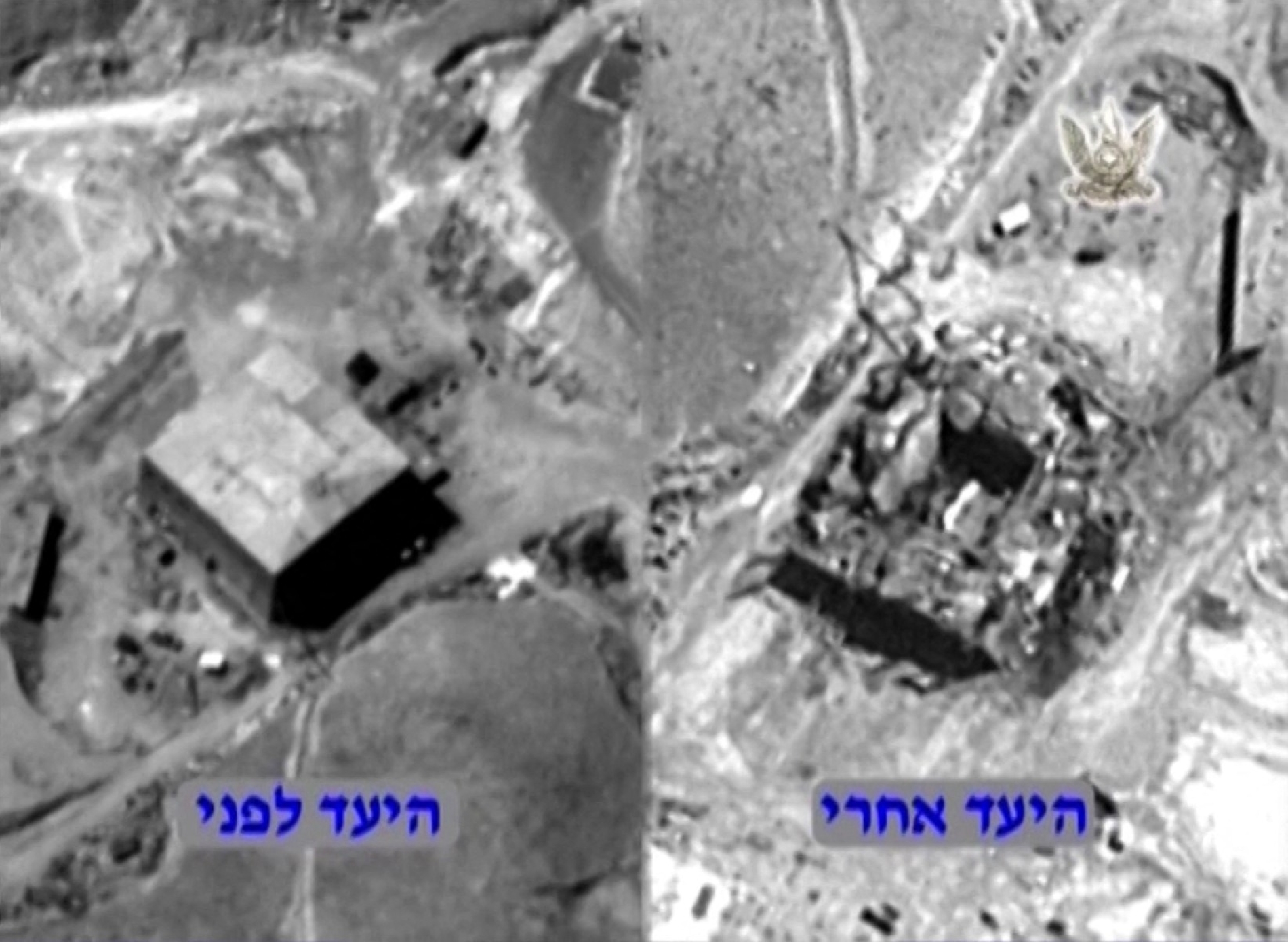
A handout image provided by the Israeli army on 20 March 2018, reportedly shows a before (L) and after aerial view of a suspected Syrian nuclear reactor destroyed by an air strike in 2007.

On 26 August 2026, Amos Yadlin, who headed Israel's military intelligence when the project was uncovered, spoke to Al Sharq in Israel. He said that in 2006, Israel knew very little about Syrian nuclear activity and links between Syria and North Korea, estimating its knowledge at "5 or 6 out of 100". He said Israel later conducted "an operation with a Syrian scientist", after which it obtained high-quality intelligence and images from inside the reactor showing several North Korean figures.

Ibrahim Othman

The name of Dr Ibrahim Sudki Othman resurfaced after the IAEA revealed unprecedented details about Syria's nuclear programme earlier this month. He first came to Israel's attention after the raid in north-east Syria in 2007, both in his capacity as director-general of the Syrian Atomic Energy Commission and as the owner of the computer from which Mossad allegedly extracted the images that revealed the nature of the facility.

Ibrahim Sudki Othman is a Syrian nuclear physicist believed to have been born in 1947 in the Circassian village of Tal Sinan in the Salamiyah area. After his university studies and doctorate, he was elected a Fellow of the UK Institute of Physics, a prestigious distinction. He has written on environmental radioactivity, uranium and phosphates, radioactive waste generated by oil and gas extraction, the transfer of radionuclides into soil and crops, and the use of radiation in medical applications, to name but a few specialisms.

The country's most prominent civilian scientific official in the nuclear sector, Othman headed the Syrian Atomic Energy Commission for decades. IAEA documents show that he was still director-general in September 2019, when he signed Syria's Country Programme Framework with the agency for 2020-25.

He headed the commission when Syria had a diverse nuclear research infrastructure, with a miniature research reactor that Damascus bought from China in the early 1990s, with a thermal power of 30 kilowatts, which was used for training, isotope production, and research. A Belgian company also established a Syrian cyclotron facility in 1997 to produce short-lived radioisotopes used in medical diagnosis and treatment. The commission ran programmes for radiation protection, radioactive waste management, and pollution monitoring, alongside research relating to phosphates and natural uranium.

In the 1980s, the IAEA helped Syria establish a pilot facility near Homs to extract uranium concentrates (known as yellowcake) from phosphoric acid produced during phosphate processing. The declared purpose was to test whether Syria could develop a domestic source of uranium. In the background, however, another project remained secret. Israeli accounts attribute management of it to Mohammed Suleiman. Othman's role is unclear.

US GOVERNMENT / AFP
This undated image released during a briefing by senior US officials on 24 April 2008 in Washington, DC shows what US intelligence officials said was a Syrian nuclear reactor built with North Korean help.

Strike on Al-Kibar

Mossad chief Meir Dagan presented the information his agents obtained to Israeli Prime Minister Ehud Olmert on 8 March 2007. The photos helped Israel persuade the US that the mysterious building in the Syrian desert was not a warehouse but a nuclear reactor nearing completion. Yadlin said Israeli leaders had to ask three questions once the intelligence picture emerged: Was the facility genuinely a nuclear reactor intended for military purposes? When would it become operational? And how would Bashar al-Assad respond if Israel destroyed it?

Israeli military intelligence assessed that the reactor was of North Korean design and that Israel had about two months before it went into operation. Yadlin said that was the window in which to destroy it. In his book Decision Points, published in New York in November 2010, former US President George W. Bush recalled how Olmert presented him with evidence and asked the US to respond militarily. Bush decided against an American strike, favouring a diplomatic course instead.

In The Silent Strike, Makovsky wrote that Olmert and Bush disagreed not on the seriousness of the discovery but on how to deal with it. Washington preferred to expose the programme and apply diplomatic pressure; Olmert thought this would be insufficient. On the night of 5 September 2007, Israeli aircraft entered Syrian airspace and destroyed the facility near Deir ez-Zor, in what later became known as Operation Outside the Box.

Israeli officials were silent for years as Damascus denied that the site had been a nuclear reactor, but in April 2008, the US disclosed its assessment that Syria had been building a secret reactor with North Korean assistance. In March 2018, Israel finally declassified the operation and formally acknowledged its role. Yadlin said the decision focused on destroying the reactor's main building. Israel felt that any uranium held in Syria, if any, would lose its value once the reactor was gone.

After the raid, Othman defended Syria, insisting that the site struck by Israel was not a nuclear facility and rejecting the findings from samples taken at the site by IAEA inspectors in 2008. In February 2009, he rejected the IAEA's conclusion that the chemical composition of the uranium particles detected at the site was inconsistent with Syria's explanation that they had originated from Israeli munitions. He also denied that graphite had been found there and defended Damascus's compliance with the Treaty on the Non-Proliferation of Nuclear Weapons.

For years, Ibrahim Othman was the public face of a Syrian nuclear programme that is now known to have had two sides. One was an openly declared research and medical programme; the other was a secret project established by the regime in cooperation with North Korea. According to a professional profile bearing his name, Othman retired from the commission in July 2025, having left Syria after the fall of the Assad regime at the end of 2024.

AFP
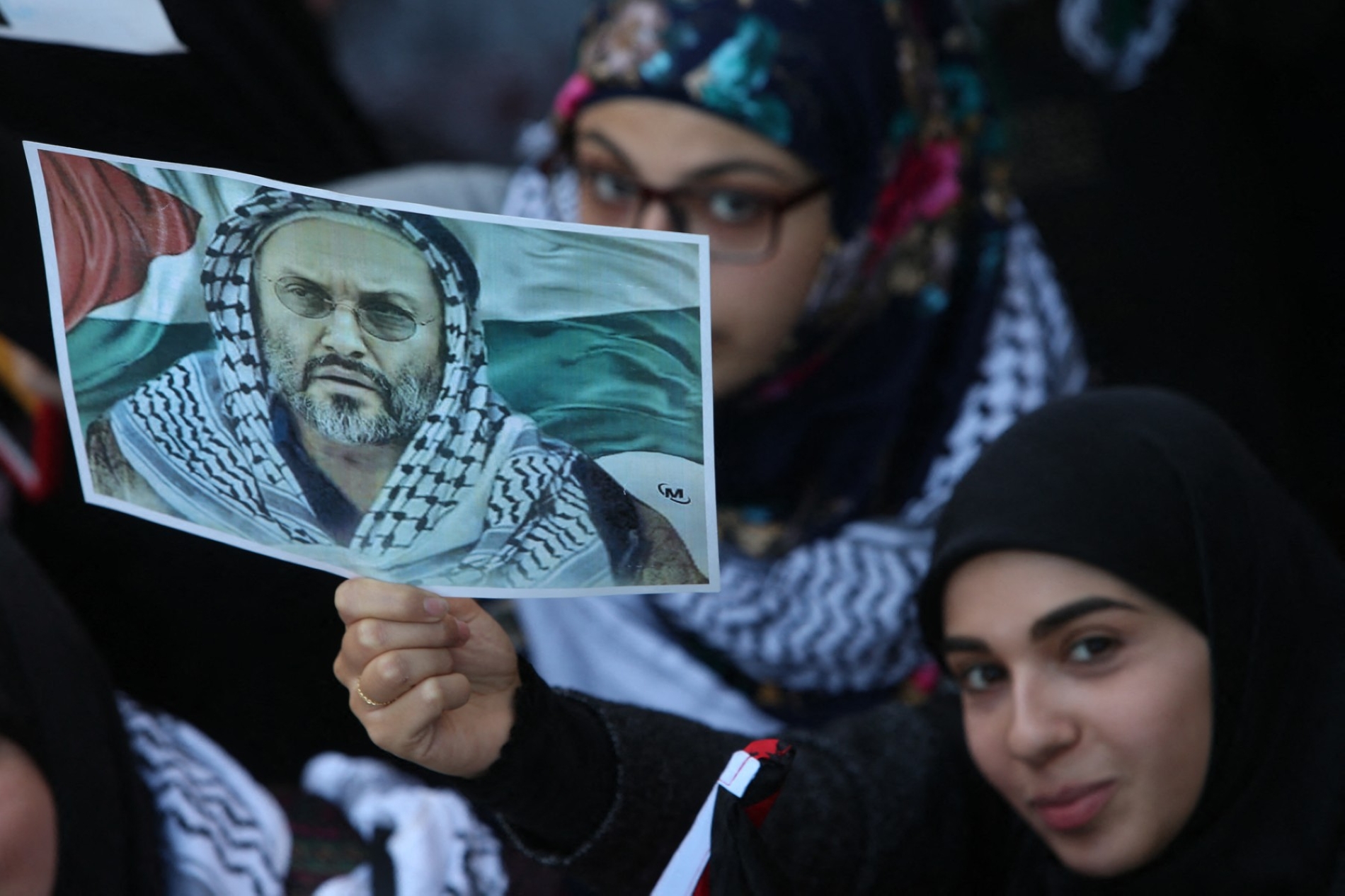
A Lebanese Shiite protester, holds up a portrait of Hezbollah's slain former military commander Imad Mughniyeh, whose assassination in 2008 was blamed by the group on Israel.

Killing Mughniyeh

Five months after the reactor was destroyed, the Syria-Iran-Lebanon network was breached again, this time in the heart of Damascus, where Imad Mughniyeh, a senior Hezbollah leader, was killed on 12 February 2008 by a bomb in the Kafr Sousa district. On 30 January 2015, Adam Goldman and Ellen Nakashima published an investigation in The Washington Post based on accounts from five former US officials that detailed how Mughniyeh was killed in a joint CIA-Mossad operation.

The Washington Post reported that the bomb was concealed in the spare tyre of a sports utility vehicle parked in Damascus and that Mossad detonated it remotely from Tel Aviv while a CIA team monitored Mughniyeh's movements on the ground. The US government has never officially acknowledged involvement in the operation.

On 3 February 2020, Adam Entous and Evan Osnos published an investigation in The New Yorker titled Qassem Suleimani and How Nations Decide to Kill, revealing another aspect of the Mughniyeh assassination. It said Brig. Gen. Mohammed Suleiman and Iran's Gen. Qassem Soleimani, commander of the elite Quds Force, were with Mughniyeh in Damascus on the night he was killed, but that American authorisation for the operation applied only to Mughniyeh. The agents had no green light to kill Suleiman or Soleimani, so they had to wait until Mughniyeh was alone before detonating the bomb.

Five months after the reactor was destroyed, the Syria-Iran-Lebanon network was breached again, this time in the heart of Damascus

This matters for understanding Mohammed Suleiman's position within the network, but it does not prove the three men met about the nuclear project. Indeed, no published document shows that Soleimani had any role in the Al Kibar reactor or Syria's nuclear fuel cycle. Suleiman's presence alongside Mughniyeh and the Iranian commander nevertheless shows that he also played an important operational role in ties with Iran and Hezbollah.

Killing Suleiman

After Mughniyeh's assassination, the Israelis began preparing a separate operation against Suleiman. The New Yorker reported that agents watched his summer home on the Mediterranean coast. Mohammed Suleiman was killed on the evening of 1 August 2008 near Tartus, after reports of gunfire from the sea. Israel did not formally acknowledge its responsibility for 18 years, but earlier this month, on 2 September 2026, details emerged of how a naval commando unit killed the Syrian, whom Israel felt was responsible for the nuclear reactor project with North Korea, and who was a link in the transfer of weapons from Tehran through Syria to Hezbollah.

The US embassy in Damascus sent a confidential cable on 3 August 2008 saying the "most obvious suspects (in Suleiman's killing) are the Israelis," but suggested that the Assad regime may not know that for certain, and that even if it did, it may be reluctant to accuse Tel Aviv while indirect negotiations were ongoing, mediated by Türkiye. The silence was deafening, however, because Suleiman's killing, Mughniyeh's assassination, and the reactor airstrike all occurred within 11 months, and they all involved files that were supposed to be top-secret.

US GOVERNMENT / AFP
This undated image released during a briefing by senior US officials on 24 April 2008 in Washington, DC shows what US intelligence officials said was a Syrian nuclear reactor built with North Korean help.

On 14 August 2008, the US embassy in Damascus sent a confidential cable (later released by WikiLeaks) saying that the assassination of Suleiman had become a "source of disagreement" within Syria's leadership. Some wanted to end indirect talks with Israel if its agents had killed Suleiman; others felt they should continue. The Guardian published a report in London on 20 December 2010 about the cable and the confusion that gripped Syrian agencies after the assassination, which occurred just hours before Bashar al-Assad travelled to Iran.

In July 2018, there was another assassination, this time of Aziz Asbar, a prominent figure connected to Syria's chemical weapons file and director of the Scientific Studies and Research Centre in Masyaf, which had been repeatedly bombed by Israel. The Syrian Observatory for Human Rights said Asbar "worked in the development of missile weapons, was a specialist in rocket fuels with a high level of scientific competence and experience in missile weapons development, and was close to al-Assad, Hezbollah, and the Iranian leadership". Another killing was to follow 18 months later, when US President Donald Trump ordered a strike on Quds Force commander Qassem Soleimani in Baghdad.

Uncovering new details

Since 2008, the IAEA had sought access to three other sites that it believed were "functionally related" to the Deir ez-Zor reactor facility, yet the purpose of these sites remained a mystery because Syria did not cooperate with the agency. In a report issued in Vienna on 24 May 2011, the IAEA said it could not assess the nature or operational status of these locations because it lacked information. After the Assad regime fell in December 2024, however, Damascus and the IAEA worked together, including over access to the sites it felt were linked to Al-Kibar.

Before the regime fell in 2024, inspectors were able to take samples from these three sites. An agency report published in Vienna in September 2025 said sample analysis showed particles of natural uranium of man-made origin at one of the sites. Some particles were consistent with the conversion of uranium ore concentrate into uranium oxide, it noted.

The agency said that Syria's new rulers said they had no information to explain the uranium but agreed to give inspectors additional access to the site. On 17 July 2026, Damascus informed the agency that they had found a previously undeclared site and invited it to inspect the location to check for any nuclear material.

Six weeks later, on 29 August, IAEA inspectors returned to the Deir ez-Zor site to follow up on excavation work and discovered a cooling structure buried underground. According to an Associated Press report from Vienna on 1 September 2026, the agency said this newly exposed structure was "consistent with a cooling structure specific to a nuclear reactor". It adds credibility to the identification of the site as a reactor under construction.

SANA / AFP
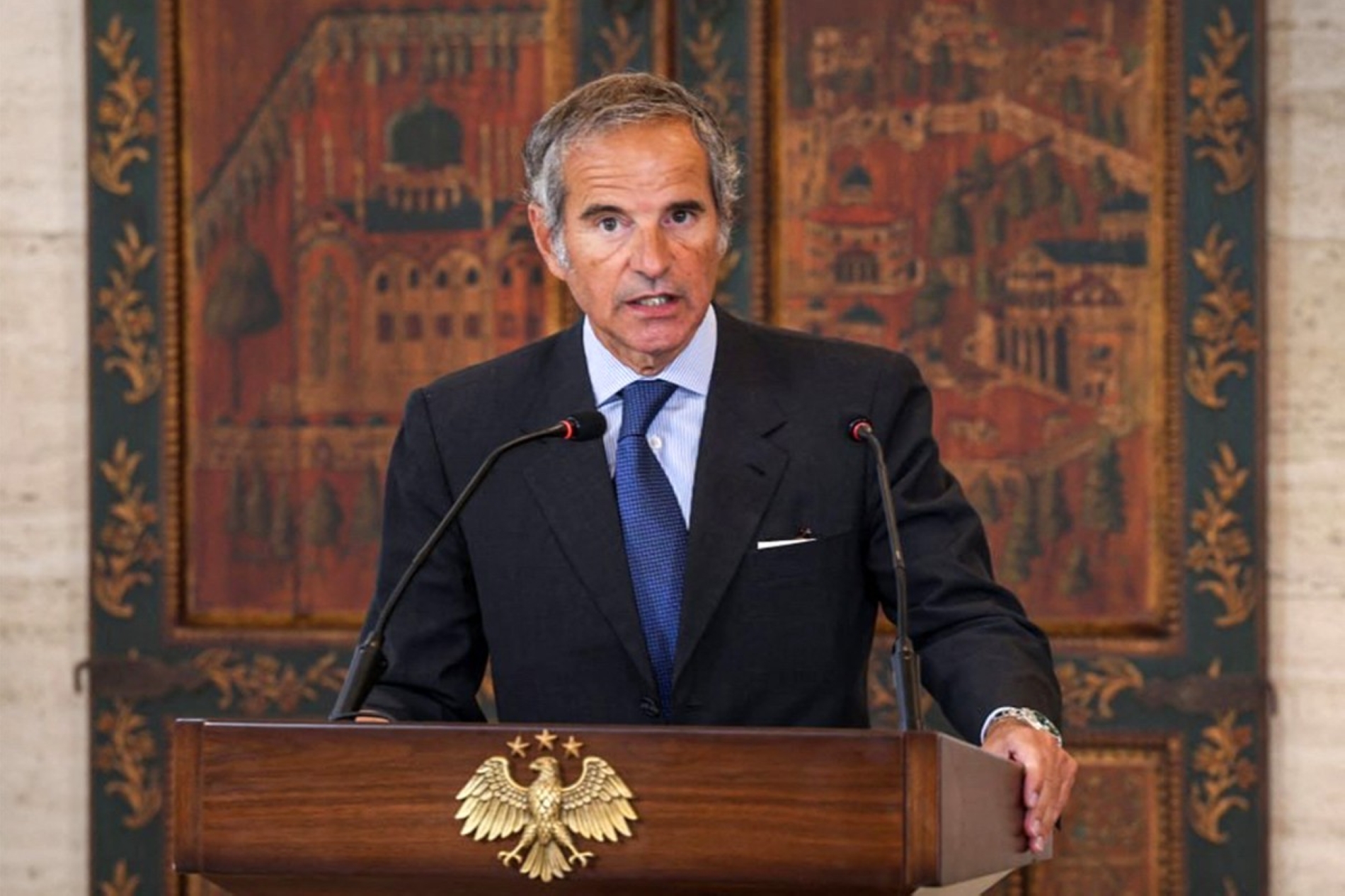
International Atomic Energy Agency (IAEA) Director General Rafael Grossi giving a news conference after his meeting with Syria's interim foreign minister in Damascus on 18 August 2026.

Providing answers

IAEA Director-General Rafael Grossi visited Syria in August 2026 with a team of senior inspectors. The verification work that followed revealed the true scale of the material stockpile: around 73 tonnes of natural uranium metal at the newly disclosed site, 55 tonnes of which were in the form of clad fuel rods. The agency's report established that reactor fuel had been manufactured at a facility inside Syria and that the former regime had failed to declare this, as required.

The discovery resolves one of the major problems intelligence agencies faced in 2008. The reactor itself became known after the raid, but the location of the fuel fabrication and the size of the stockpile were not. Discovering the fuel fabrication plant means that Syria was not just importing a reactor from North Korea; it was also building a domestic capability to prepare the fuel needed to operate it.

The IAEA report issued in Vienna on 1 September 2026 said that one of the three sites functionally related to Deir ez-Zor had also been intended for "planned reprocessing activities", according to the Associated Press on the same day. However, the report did not settle the question of when the 55 tonnes of fuel rods were manufactured, nor did it establish who oversaw these activities after Mohammed Suleiman was killed, and therefore who was responsible for safeguarding the nuclear material, which may have been moved during the Syrian war (2010-24). Technical records have not been recovered.

The scale of the infrastructure of Syria's nuclear programme revealed after almost two decades is therefore far greater than had been known in September 2007, when Israel destroyed the Al-Kibar reactor. The IAEA's recent report resolves part of the safeguarding issue concerning the agency's findings and what the new authorities declared, but the full security and political history of the programme, from Suleiman's assassination to the fall of the regime, is a story still to be told.

font change