
Egypt has launched an ambitious plan to create jobs deep in the countryside to keep the young generation from leaving in search of work. Led by the Ministry of Industry, the new strategy is a bid to restore hope to millions of rural Egyptians, with many having left for Cairo, Europe, or the Gulf.
The government knows which Egyptian regions are losing most young people, according to Industry Minister Khalid Hashim, and has assessed these areas’ resources, competitive advantages, and available skills. Ministry experts are now tailoring a sustainable development plan to each area by capitalising on their strengths, he said.
The development plans will then be submitted to the private sector to begin implementation through a series of projects in industries ranging from textiles and food through to more niche fields such as medicinal and aromatic plants. “The plan will be an effective tool for job creation and will prevent irregular migration,” Hashim said last month.
Uneven development
Egypt has paid dearly for failing to follow an even development policy over the years, especially in areas outside Cairo and the coast. These areas feel ‘left behind’ and neglected, a lack of development having led to a lack of opportunity, which triggered huge population movements that have harmed the economy, caused deep demographic shifts, and created social problems.
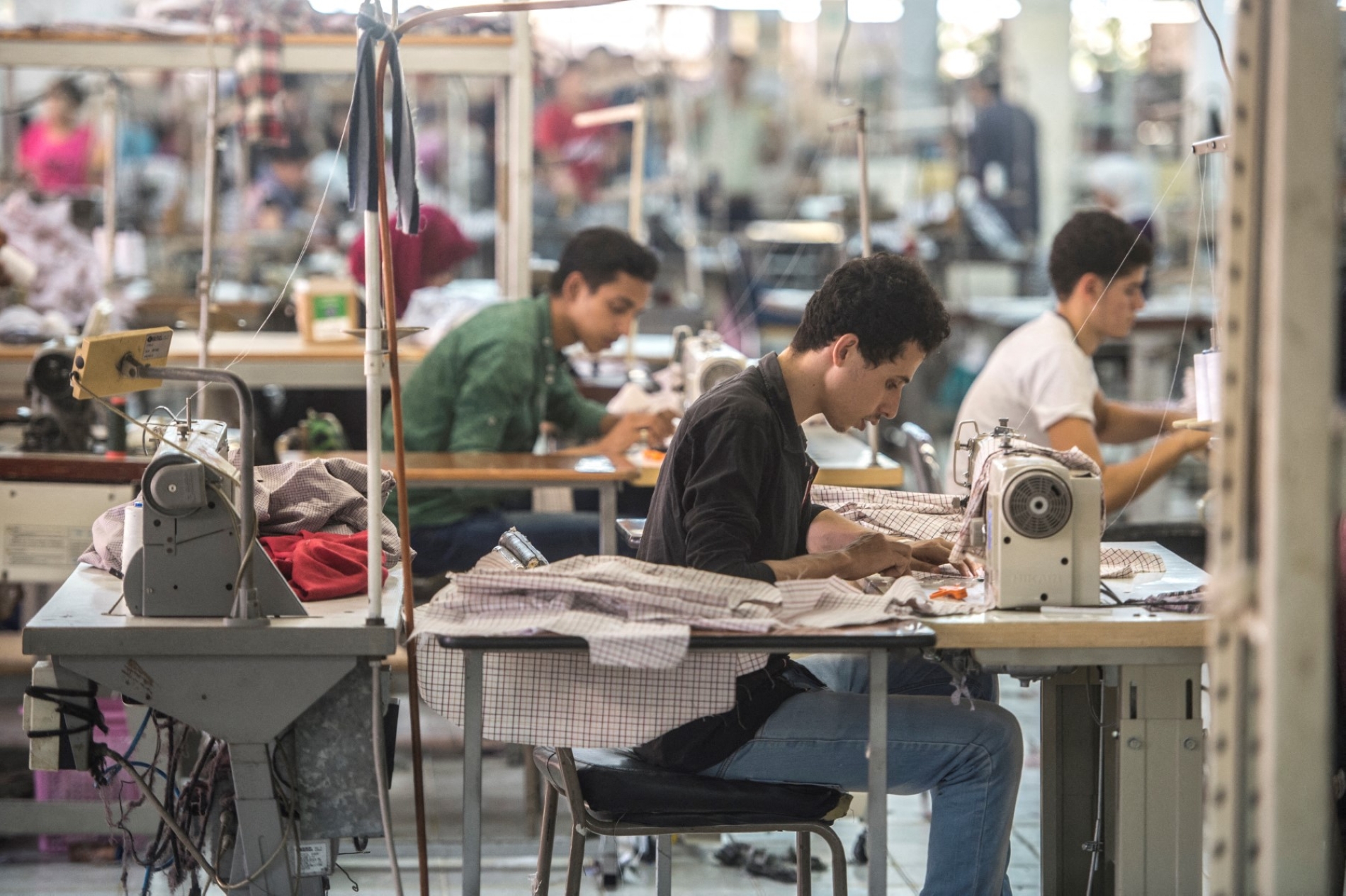
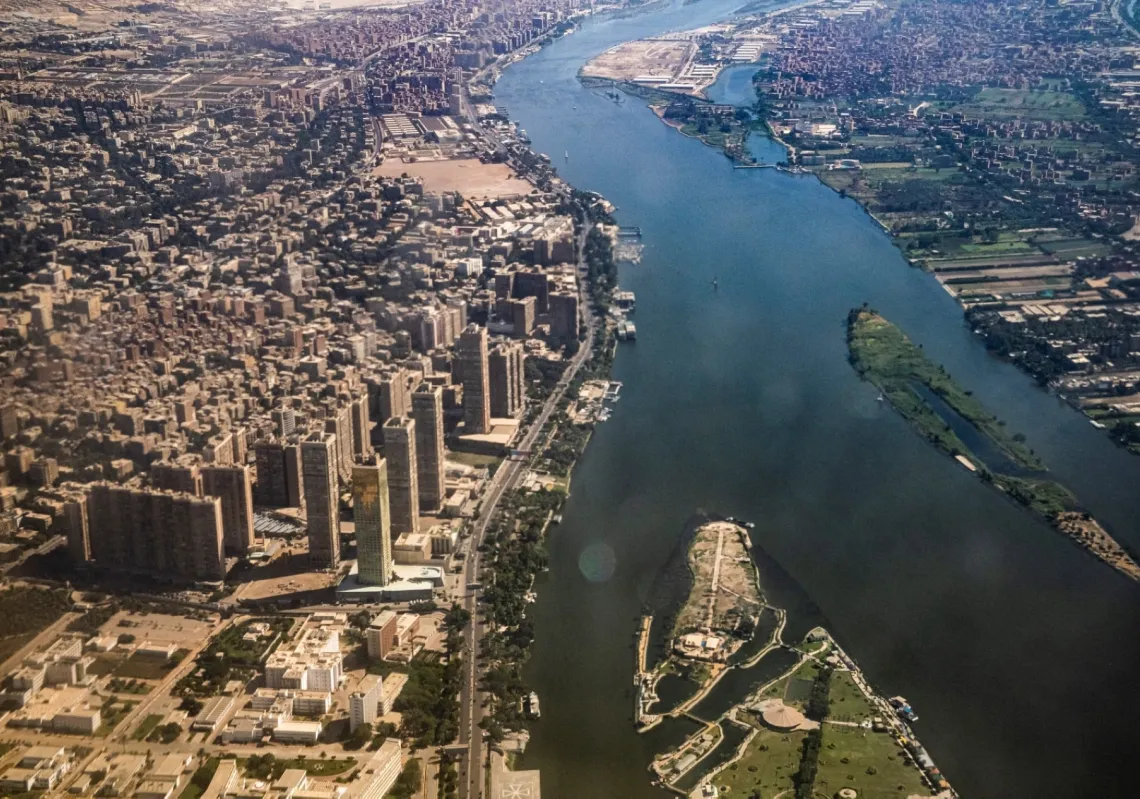
“People left the countryside for the cities, particularly Cairo, for the commercial activities there,” explained Said Sadek, a political sociology professor at the American University in the Egyptian capital. While Cairo buzzed with services, he said, rural Egypt suffered a dearth of the same, forcing many to leave in search of higher wages.
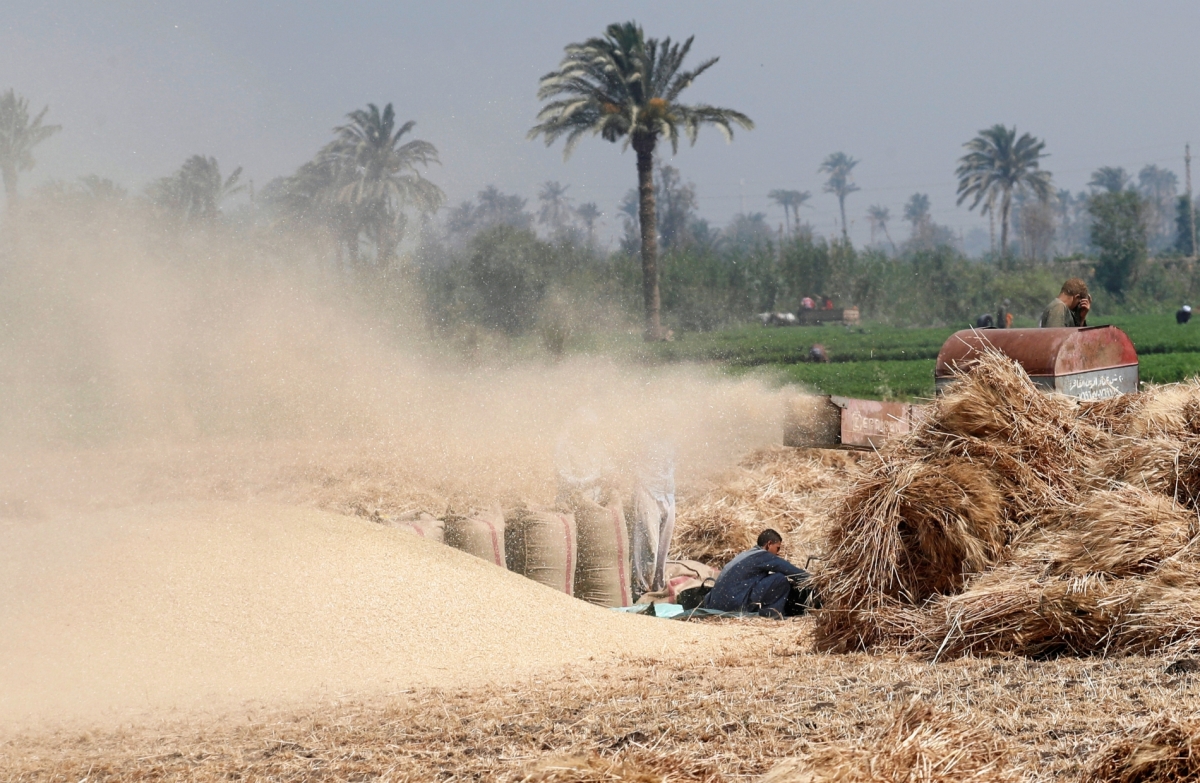
The loss of thousands of working-age Egyptians from the countryside in search of higher pay hit the agricultural sector, exacerbating Egypt’s food crisis, which translated into higher food import costs that have drained Egypt’s treasury and foreign currency reserves.
Seeking pay abroad
Those hunting jobs often head to the oil-rich Gulf nations, where three million Egyptians work, sending tens of billions of dollars in remittances back home each year. Around 1.5 million are estimated to work in Saudi Arabia. Many others brave the Mediterranean Sea to get to Europe.
Egypt is also a transit country for migrants from elsewhere in Africa who want to get to Europe, and the European Union has given Egypt billions of dollars in economic assistance and investments on the proviso that it tackles illegal migration. It has tightened control of its borders, especially its extended Mediterranean coast, preventing the departure of migrants’ boats, but it has done less to address the root cause of the issue, namely the lack of development and the absence of opportunities in its countryside.
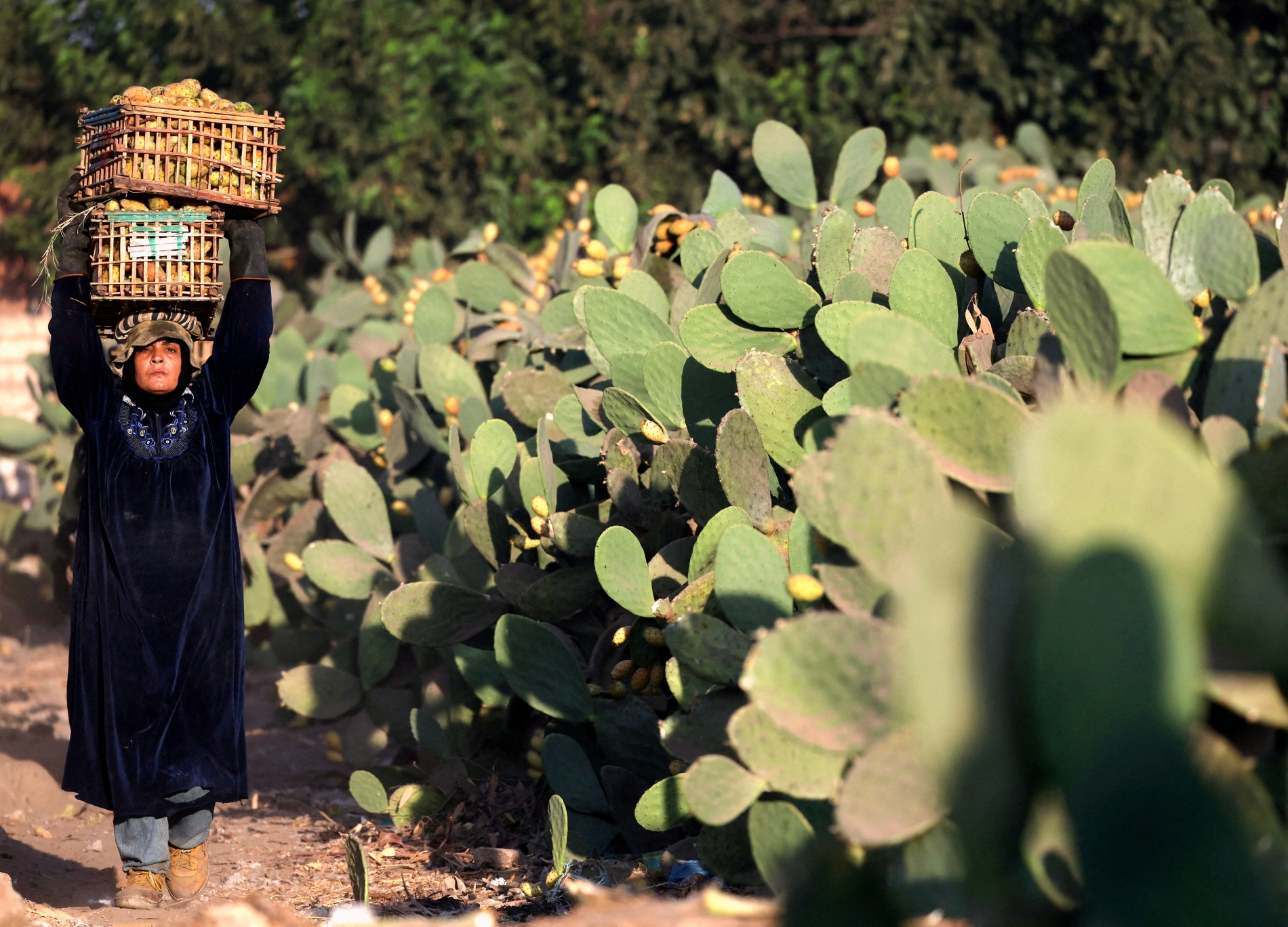
Still, some cite success. “National policies for job creation and the eradication of poverty have been instrumental in reducing the number of irregular migrants,” says Rakha Ahmed, a retired diplomat and member of the Egyptian Council on Foreign Affairs, who called on the authorities to do more.
Fighting the tide
The government has tried to increase awareness about the dangers of irregular migration while launching several initiatives in the Egyptian countryside including fish farms, industrial facilities, and land reclamation projects. Yet thousands of Egyptians continue to leave for Europe. In 2025, 17,451 Egyptians arrived in Europe illegally, up 50% on 2024, according to the United Nations.