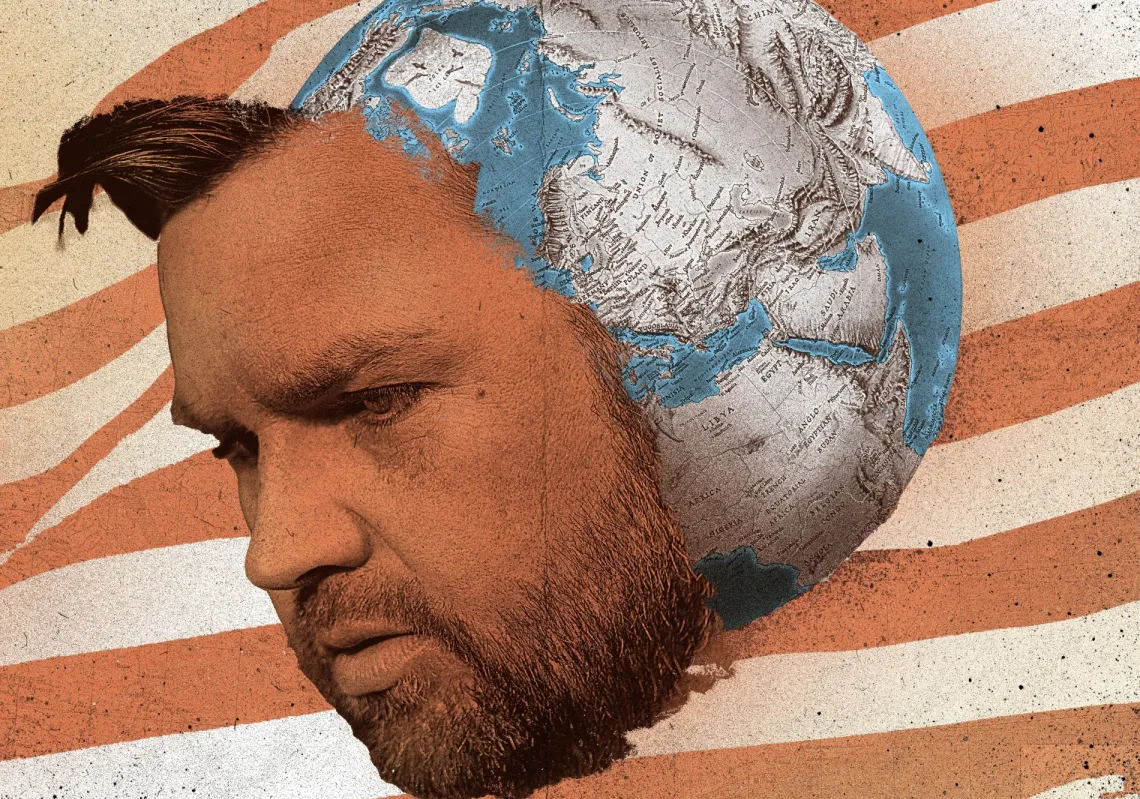


In an interview with Al Majalla, the senior US diplomat says that while the US may no longer play the role of world policeman, it is not isolationist either
The Gulf states are showing that their security is indivisible and that they will pursue their defence from any that offer it, creating a new 'strategic autonomy' borne of the Trump era.
The experienced French envoy had front-row seats as relations between Beijing and Moscow blossomed, but as she recalls from her days studying in China: it wasn't always so.
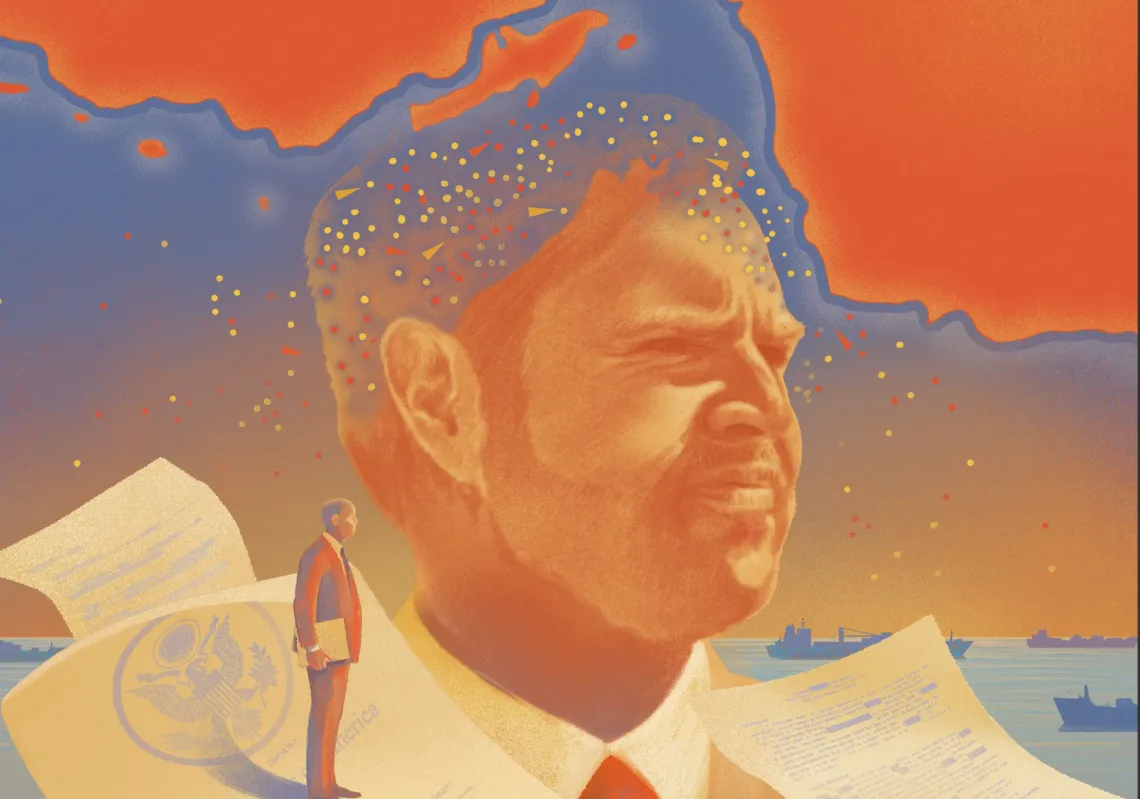
Gone are the days when Washington could wax lyrical about democracy while toppling governments and supporting authoritarians. With Venezuela and others, it needs a new playbook.
General Anderson's appointment is being seen as a shift from a diplomatic, partnership-based approach to one that is operational and intelligence-led. In other words, from soft power to hard power.
Al Majalla spoke to a seasoned diplomat who helped shape American policy on the Middle East during Joe Biden's presidency, asking her about Syria, US engagement, Iran, and Palestine.
In an increasingly interconnected world, the siloing of the State Department's key thematic programmes will complicate the Trump administration's approach to global conflicts and crises.
In an interview with Al Majalla, the prominent French jurist discusses Israeli and Western duplicity, their violation of international law, and why Israel bears the cost of Gaza's reconstruction
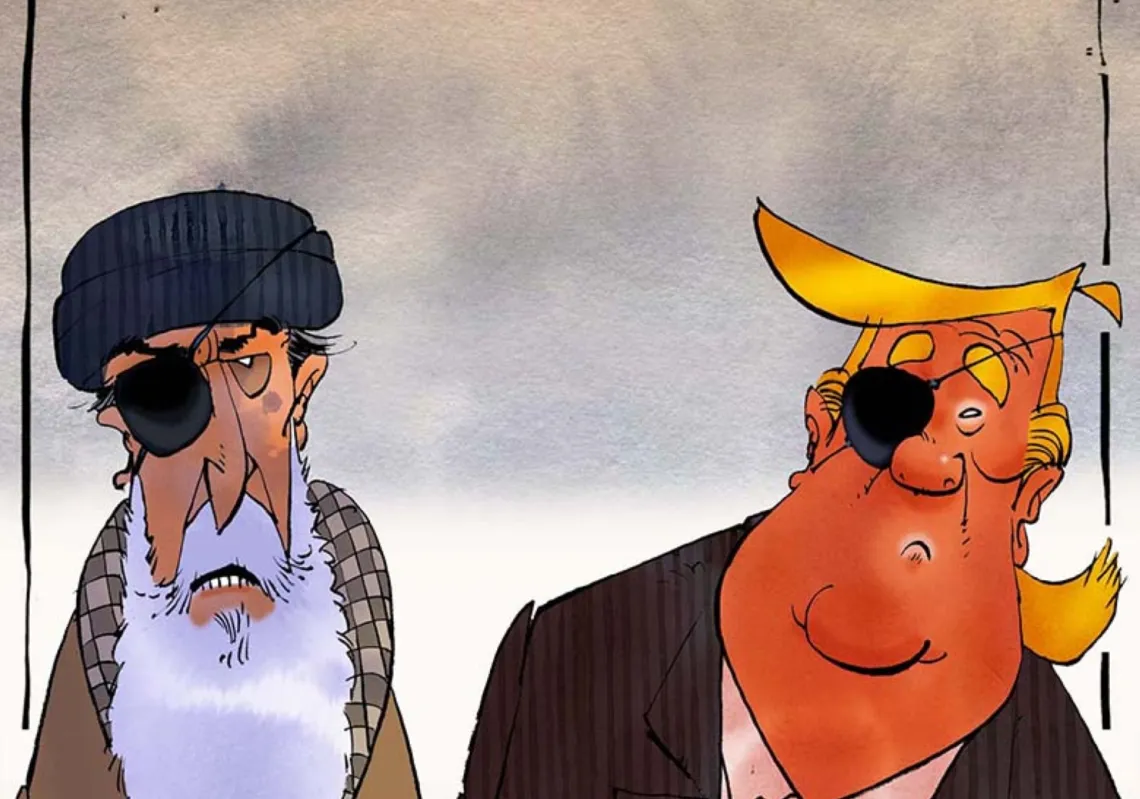
Tehran's elite have few friends, but regional states fear the consequences of a disorderly transition. If Iran's 92 million people turn on one another, it could cause millions to flee abroad.
Going forward, the international community needs to reduce dependence on the US without upsetting the world's largest military and economic power. It will be a shaky tightrope to walk.
Scrapping foreign ownership caps and qualifying criteria will bring in more capital, with markets reacting positively to the latest reforms that build towards a more open country