Bigger than Maduro: Trump’s real designs on Latin Americahttps://en.majalla.com/node/329601/politics/bigger-maduro-trump%E2%80%99s-real-designs-latin-america
Bigger than Maduro: Trump’s real designs on Latin America
Christophe Ventura, a French expert on Latin America, speaks to Al Majalla about Venezuela, Cuba, Colombia, and China’s role in a continent that the US president considers his backyard.
AFP/Reuters/Al Majalla
Bigger than Maduro: Trump’s real designs on Latin America
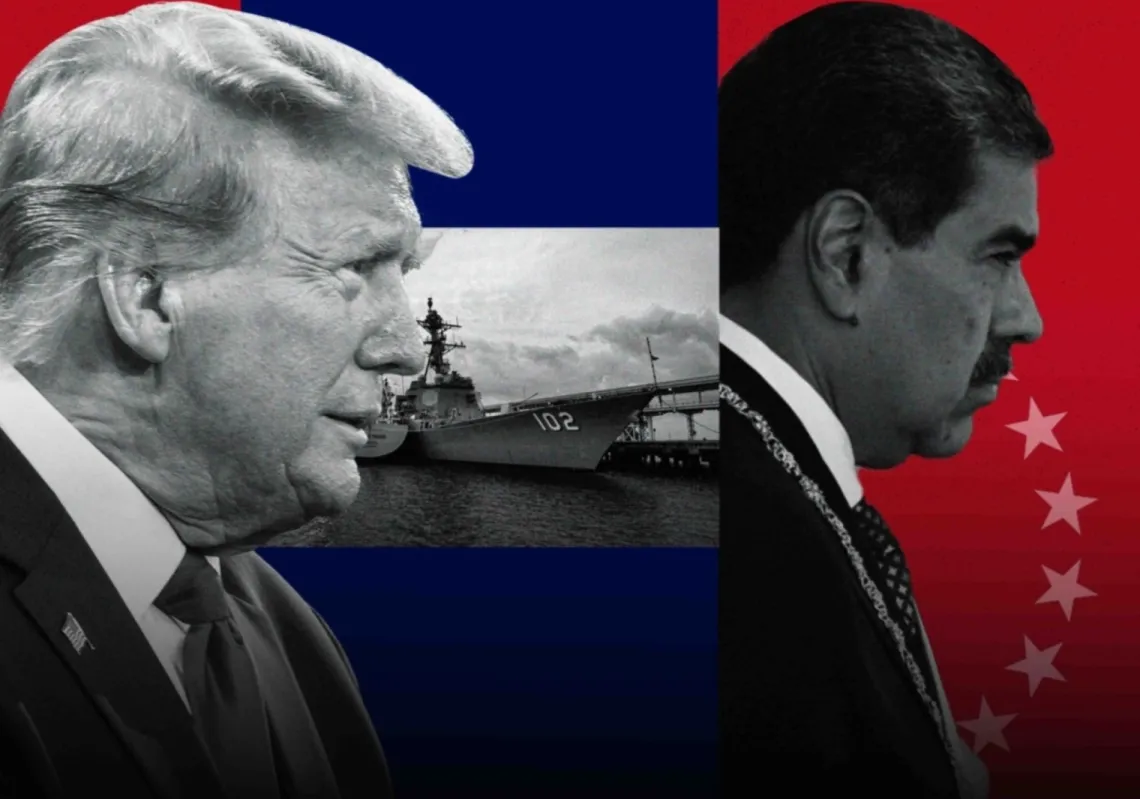
The American military operation in Venezuela at the beginning of this year did not end with the echo of its final strike. On the contrary, it marked the advent of a new US approach to managing what Washington calls its “hot files”. What, then, does US President Donald Trump seek in Latin America?
Christophe Ventura, director of research at the Institute for International and Strategic Relations (IRIS) in Paris, is a noted specialist in Latin American politics and a contributor to Le Monde Diplomatique. Al Majalla spoke to him about Venezuela’s Acting President Delcy Rodríguez, American priorities, Cuba, the influence of US Secretary of State Marco Rubio, and Washington’s bid to curtail China’s expanding presence in the region. Here is the conversation.
Were you surprised by the US operation in Venezuela?
Not in principle, because it had been under consideration since late August 2025, when Washington began assembling its military fleet and arsenal in the Caribbean, the most significant deployment in the region since the Cuban missile crisis of 1962. It cost around $1bn to position those vessels, radar systems, and 15,000 troops. The CIA was also active in Venezuela from the summer of 2025, preparing for possible interventions, collecting intelligence, and cultivating local alliances, so the operation fell within a spectrum of foreseeable scenarios.
Trump weighed two options. The option that ultimately prevailed was the military one, advocated and structured by Marco Rubio, who is associated with hard-line positions, and the Secretary of Defence (Pete Hegseth). The second option was a negotiated outcome culminating in the forced departure of (Venezuelan President) Nicolás Maduro. That parallel track was led by Richard Grenell, Trump’s special envoy, who made several visits to Caracas.
As military assets built up, they sought to persuade Maduro to relinquish power voluntarily, but Trump chose to strike at a decisive moment. The operation stunned the international community, as intended. Trump has often said his actions must make for “good television”. It was a display of American firepower on a grand scale: 150 aircraft and other platforms, including sophisticated drones, some no larger than a hand. The objective was to shock and overwhelm, and to project dominance. In strictly operational terms, it achieved that aim with calculated precision.
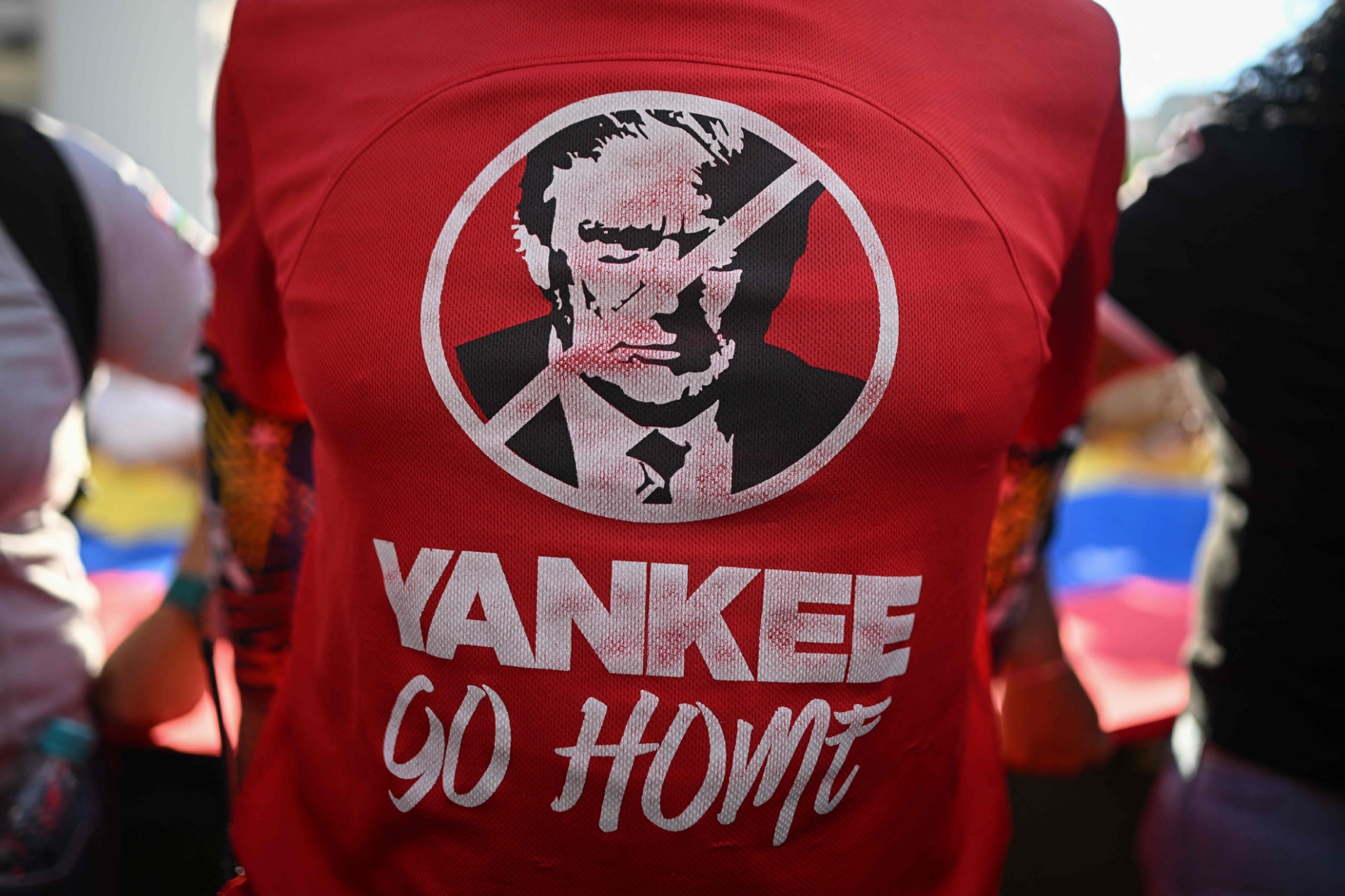
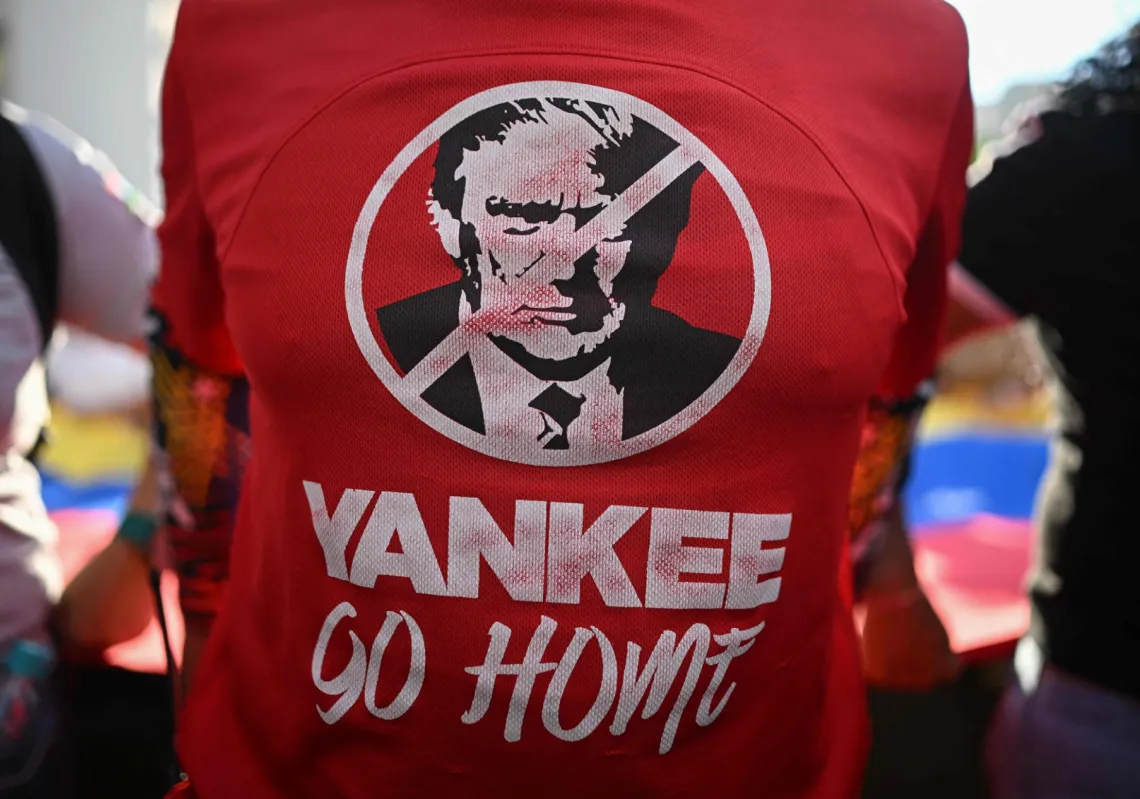
A t-shirt worn by a supporter of Venezuelan President Nicolas Maduro during a rally against US military activity in the Caribbean, in Caracas on 30 October 2025.
In my opinion, yes. Coups have distinguishing features. The CIA’s methods are hardly mysterious: recruiting and securing loyalties, including through inducement, with $50mn offered for information leading to Maduro’s capture. Collusion and betrayal are therefore plausible, perhaps within elements of the military establishment or people within the president’s inner circle.
Of more consequence is whether there was a broader conspiracy. I see no evidence that Delcy Rodríguez or the armed forces orchestrated Maduro’s removal. Regarding the remarkable speed of the operation, or the possibility of defections and instructions to keep air-defence systems inactive, let’s avoid conjecture.
Imagery indicates that Venezuelan air defences did respond, but even if there were instances of collusion, that does not explain the outcome in its entirety. What unfolded was a demonstration of overwhelming US military superiority—precisely the message Trump sought to convey. The US deployed an integrated architecture combining satellite surveillance, aerial monitoring, and advanced weaponry in a configuration without parallel. The swiftness of the operation was striking.
What about the Cubans killed during the operation?
Cuba lost 32 members of its security services, officially. Cuban personnel constituted the innermost circle of Maduro’s protection, as was his preference. Cuban security and intelligence has a reputation for excellence and a history of thwarting assassination attempts and infiltration. They protected (former Cuban President) Fidel Castro for decades, despite hundreds of CIA attempts on his life.
The bond between Cuba and the Bolivarian Revolution (named after Simón Bolívar, a 19th century Venezuelan revolutionary leader) has long been intimate, strengthened by the personal ties between Castro and (former Venezuelan President) Hugo Chávez, and later Maduro, who lived in Havana in his 20s and encouraged bilateral ties in the 1990s. Cuban security comprised concentric layers. The presidential guard formed a single tier, and the final protective ring was composed of lightly armed Cuban civilians rather than soldiers.
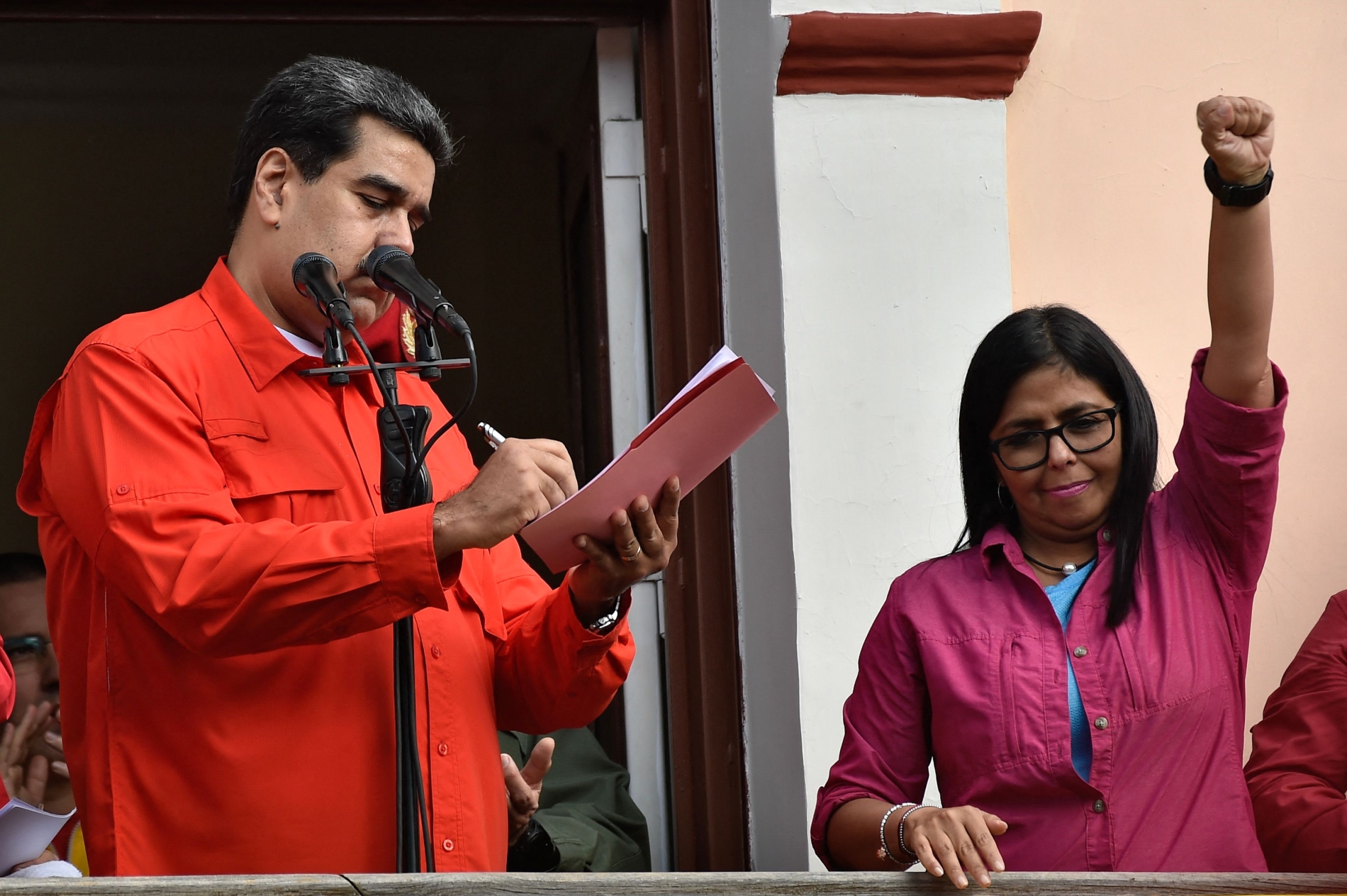
Venezuela's President Nicolás Maduro (L), next to Venezuelan Vice-president Delcy Rodríguez at Miraflores Presidential Palace in Caracas on 23 January 2019.
What is the current situation in Venezuela? How are the negotiations between Rodríguez and the Americans unfolding? Is an agreement within reach?
From the American perspective, the main objective has been met: to get Maduro. Trump in particular needed to show that he had finally succeeded there, since efforts to unseat Maduro stretched back to his first term, when Trump imposed severe sanctions on Venezuela in a ‘maximum pressure’ strategy, constricted the country’s oil economy from 2019-20, and recognised opposition leader Juan Guaidó, then head of the National Assembly.
What unfolded was a demonstration of overwhelming American military superiority—precisely the message Trump sought to convey
Christophe Ventura, director of research at the Institute for International and Strategic Relations
Removing Maduro became personal for Trump, who needed the vindication. It also represented a symbolic strike against the anti-American Bolivarian Revolution and those committed to a socialist alternative—elements that Trump wants to extinguish from Latin America. So, the impulse was both ideological and strategic, grounded in a determination to restore American primacy throughout the Western hemisphere.
Venezuela embodies what Trump aims to neutralise: socialism, anti-imperialism, with ties to China, Russia, Iran, and others outside Washington's orbit. The dismantlement of that, therefore, became a priority. Maduro, as head of state, was the focal target, with Washington declaring in 2024 that it no longer recognised his legitimacy as president.
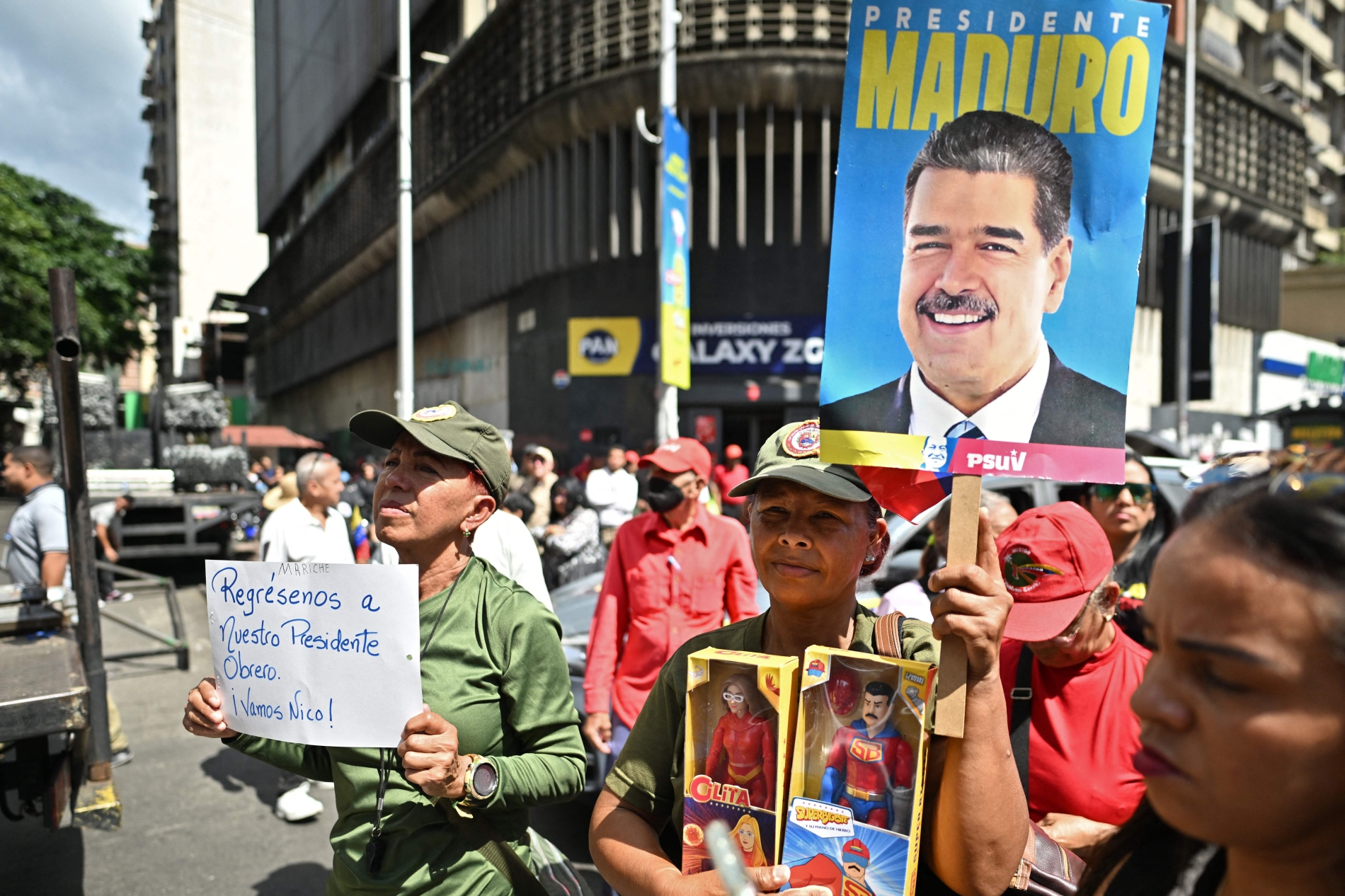
A supporter of ousted Venezuela President Nicolás Maduro holds a sign saying "Give us back our worker President. Go Nico!" during a demonstration in Caracas on 4 January 2026.
Why limit the objective to Maduro?
At the end of 2025, Trump and his team calculated that the cost of dismantling the entire Venezuelan system would have been prohibitive. The (disastrous) precedents of Iraq and Afghanistan loomed large. Trump had no appetite for reconstructing a state from the ground up, with new institutions, a new military, vast financial outlays, and political risk at home.
A wholesale uprooting, therefore, felt impractical because the structure was that of a consolidated state apparatus, complete with armed forces, security services, and a social base that may account for up to a third of the population. And although this constituency does not constitute a majority, it is still an organised and cohesive bloc closely interwoven with the state. The scale of engagement required to dislodge it was therefore more than Washington was willing to invest.
The alternative thus crystallised around Maduro's removal. His fall would be a trophy, a symbolic conquest. Washington could declare success, reaffirm its ascendancy, and proclaim the opening of a new chapter in international affairs, one shaped by the unapologetic assertion of power.
Maduro entrusted Rodríguez with managing communication channels, including meetings in Qatar. Rubio declined to engage directly with Maduro, so exchanges proceeded through Rodríguez. Discreet diplomacy unfolded, and the Americans spoke with several Venezuelan actors. Maduro was fully aware and knew that the negotiations concerned his personal fate. Until the strike, all pillars of the Venezuelan system, including Maduro, were prepared to engage Washington in talks.
Much of what Rodríguez is now implementing had already been sketched out in earlier discussions conducted with Maduro's knowledge, that is, the opening of the oil and gas sector to American firms, including by amending the relevant Venezuelan laws. For Maduro, the price of this was formal American recognition of his legitimacy as head of state.
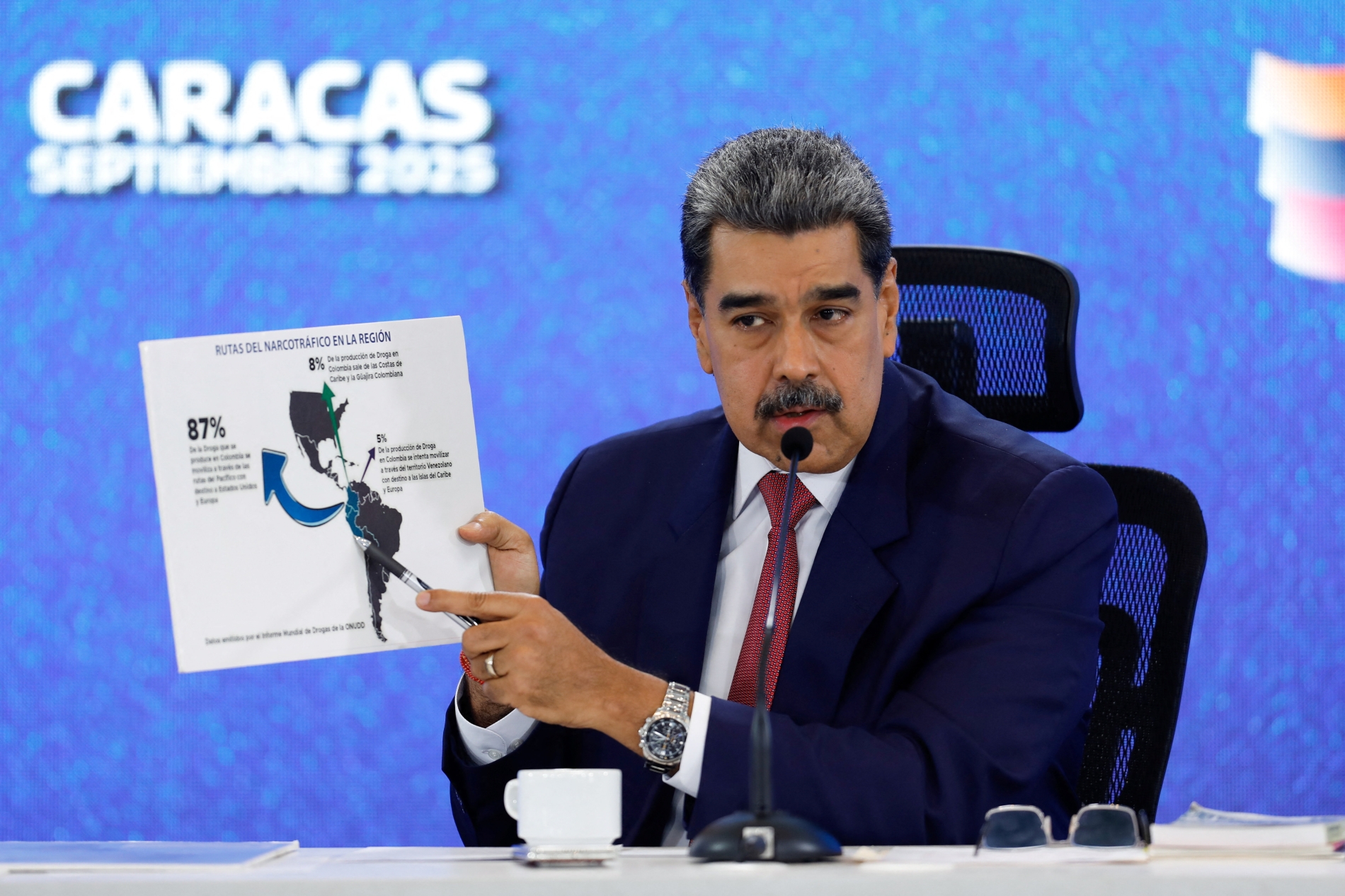
Venezuela's President Nicolas Maduro speaks at a press conference on 15 September 2025, days after he said he would deploy forces to 284 "battlefront" locations across the country, amid heightened tensions with the US.
Maduro sought both time and acknowledgement. At some point, Trump felt that enough was enough and that negotiations had reached their natural limit. He may have concluded that Maduro was delaying, or declining to leave without guarantees. In the meantime, contact in Venezuela with American interlocutors was widespread. This does not amount to proof of betrayal, but the Venezuelan government's overriding priority is survival.
The Venezuelan state rests upon a compact binding the military to the Chavista political movement. If that compact fractures, it could lead to disorder or even civil conflict, so the immediate objective was to retain power, preserve internal cohesion, and navigate this fragile and uneasy accommodation with Washington, which would now be shaped by a degree of humiliation.
Caracas has already accepted changes in its energy sector, but what will America demand economically and politically? Will it insist on the expulsion of Colombian armed groups such as the ELN or factions of the FARC, or of Hezbollah or Hamas (as Israeli Prime Minister Benjamin Netanyahu has claimed)? What if the United States seeks to enlist Venezuela as a regional enforcer of its security agenda?
The situation remains fluid. Much depends on whether the leaders in Caracas can absorb the pressure, consolidate time, remain in office, and shape the contours of a transitional phase. Marco Rubio's roadmap involves three stages: stability, recovery, and political transition. Stability suggests that the opposition leader María Corina Machado will be sidelined, deferring electoral claims that she won in 2024.
Washington's terms include the re-entry of American corporations into Venezuela, firm guarantees for private investment, and revisions to oil legislation designed to favour foreign private actors. After this, Rubio envisages security cooperation, election-related negotiations, decisions on sanctions, and assurances against prosecution or incarceration. If Rodríguez and her team decide against such arrangements, the implication is unmistakable.
Venezuelan leaders are aware of their situation. Their Chinese and Russian partners have confined themselves to rhetorical condemnation. Caracas knows that neither Beijing nor Moscow will risk war on Venezuela's behalf, particularly after Trump said Venezuelan oil would still be sold to China.
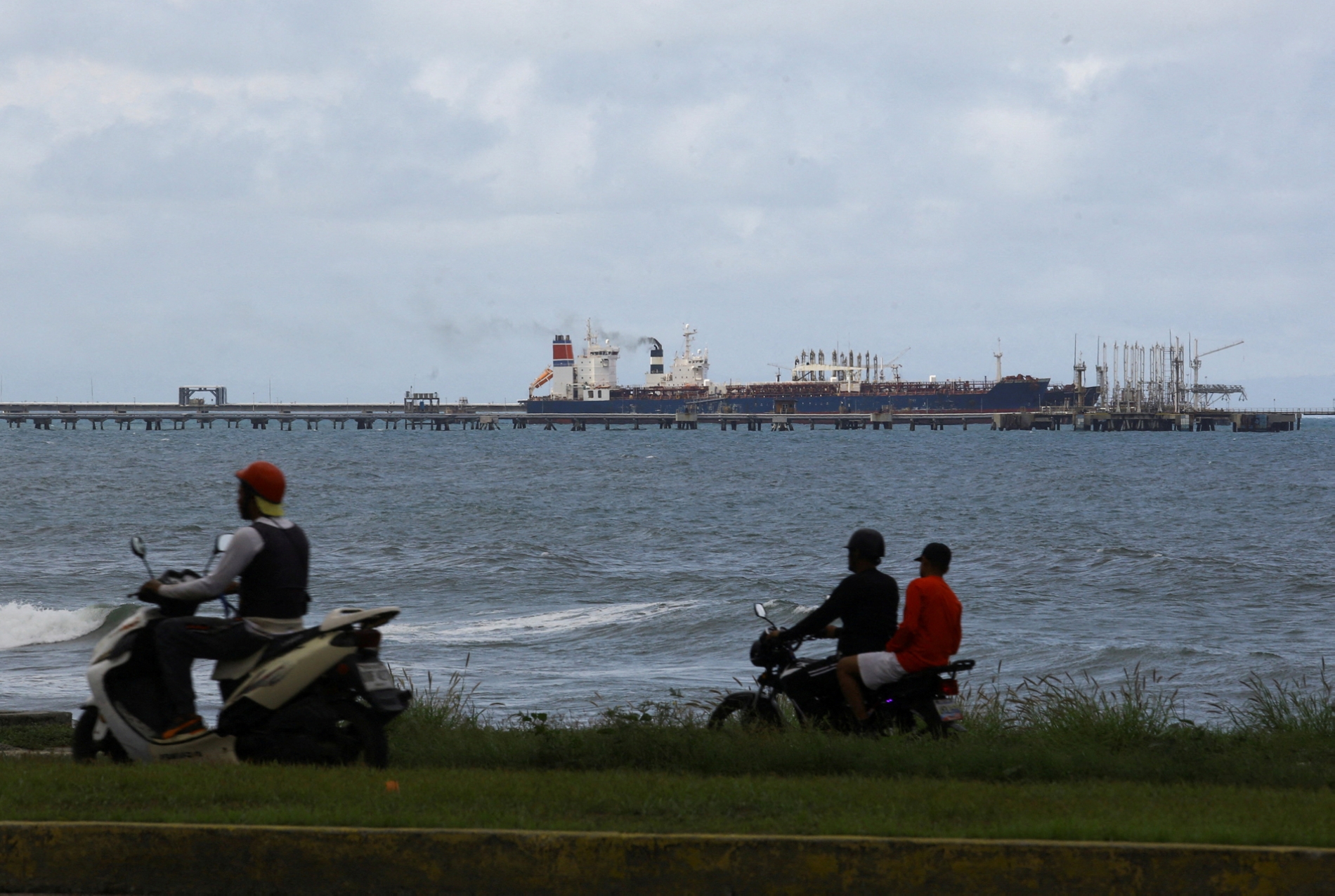
Huge ships transporting Venezuelan oil, which is subject to US sanctions, near the Venezuelan city of Puerto Cabello, on 29 December 2025.
So there is uncertainty surrounding Venezuela's future…
The present moment defies precedent. There is no template. Even when American forces placed Haiti's Jean-Bertrand Aristide aboard an aircraft and withdrew in 2004, the intricate dynamics we observe today were absent. This is unfamiliar terrain, even for the United States. The objective is not the conventional dismantling of a regime, but its reconfiguration into a compliant and cooperative order.
The American message is that investment (in Venezuela) will be made, oil will be purchased, sanctions will be eased, and export channels will reopen, but sales will pass through American intermediaries who will take a cut. This appears to be an experimental mode of imperial stewardship. Will it yield durable results?
Trump said: "This is our oil, and we want it back." Was oil the direct motive for the intervention?
It was a central element, but not the sole reason. China is America's principal strategic competitor in the Western Hemisphere. Within that broader contest, Venezuela's energy wealth assumes heightened significance. It holds around 17% of global oil reserves, close to 300 billion barrels, but its production remains modest, scarcely 1% of global output. Compare that to Saudi Arabia, which pumps millions of barrels daily.
When Trump declared that Venezuela's oil was "stolen," he invoked a historical arc stretching from the 1950s to Chávez, when big American oil firms like ExxonMobil, Chevron, and ConocoPhillips developed and exploited Venezuela's oil. Infrastructure, pipelines, and production networks were closely intertwined with American capital.
Venezuelan crude flowed mainly to Texas, where refineries were designed specifically to process its exceptionally heavy composition. That history informs the present. Even if certain US oil companies are cautious about re-entry, the American refining sector has a structural interest in Venezuelan supply, given the configuration of its facilities.
The argument rests upon the premise that American investment built and sustained the industry's foundations. Restoring Venezuelan production to three or four million barrels per day would require around $100bn in investment and could take a decade, but strategic planning in Washington operates on extended horizons.
Securing American access to Venezuelan reserves today—even those not immediately exploitable—affords leverage over the energy landscape for years to come. Such foresight carries substantial weight. The American refining industry supports millions of jobs, both directly and indirectly, making it politically and electorally relevant. Controlling Venezuelan supply also confers influence over global pricing dynamics. Together, this forms the core of the American energy calculus.
The present objective is not the conventional dismantling of a regime, but its reconfiguration into a compliant and cooperative order
Christophe Ventura, director of research at the Institute for International and Strategic Relations
Trump said: "This is our oil, and we want it back." Was oil the direct motive for the intervention?
It was a central element, but not the sole reason. China is America's principal strategic competitor in the Western Hemisphere. Within that broader contest, Venezuela's energy wealth assumes heightened significance. It holds around 17% of global oil reserves, close to 300 billion barrels, but its production remains modest, scarcely 1% of global output. Compare that to Saudi Arabia, which pumps millions of barrels daily.
When Trump declared that Venezuela's oil was "stolen," he invoked a historical arc stretching from the 1950s to Chávez, when big American oil firms like ExxonMobil, Chevron, and ConocoPhillips developed and exploited Venezuela's oil. Infrastructure, pipelines, and production networks were closely intertwined with American capital.
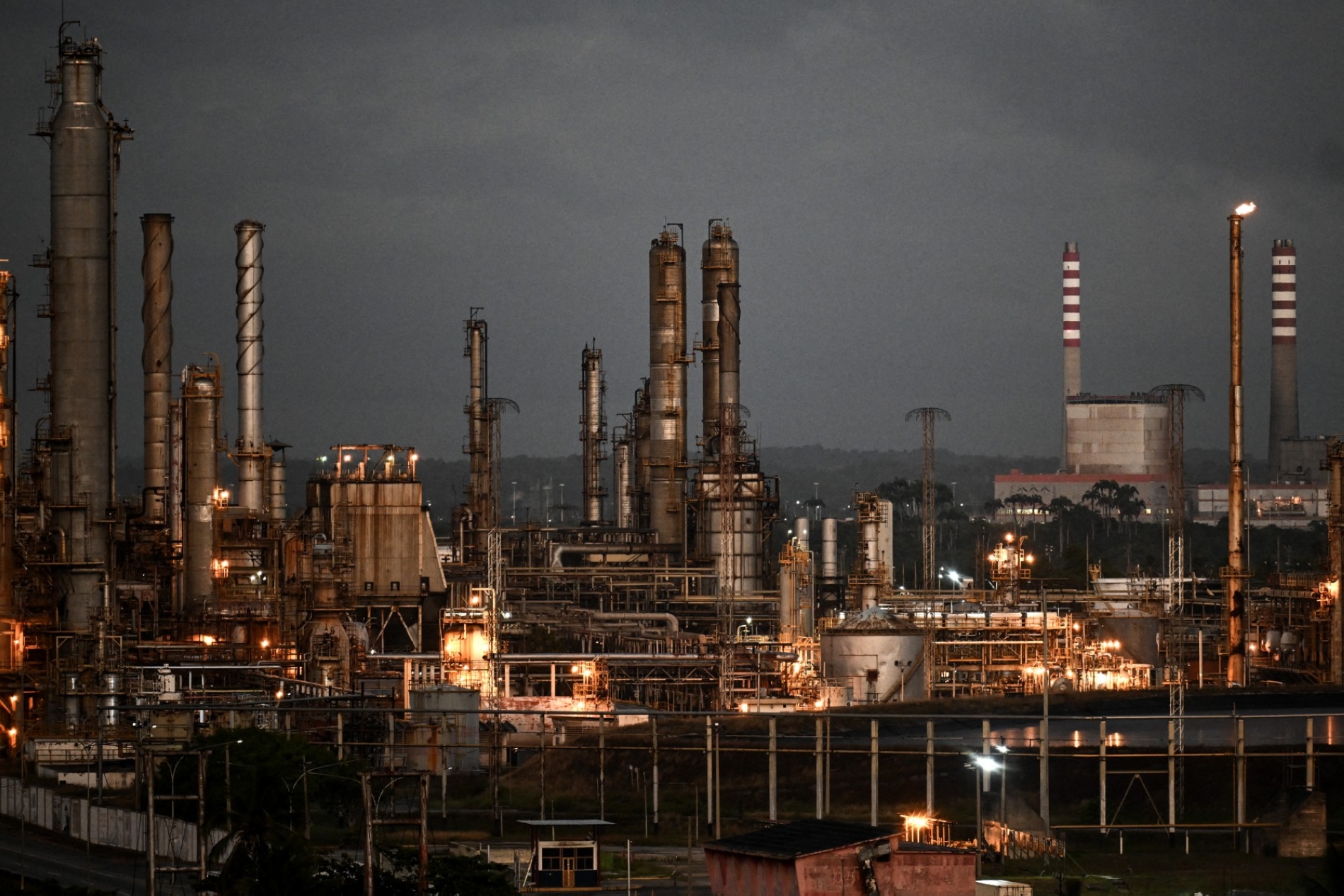
El Palito Refinery in Puerto Cabello, Carabobo State, Venezuela, on 23 January 2026.
Venezuelan crude flowed mainly to Texas, where refineries were designed specifically to process its exceptionally heavy composition. That history informs the present. Even if certain US oil companies are cautious about re-entry, the American refining sector has a structural interest in Venezuelan supply, given the configuration of its facilities.
The argument rests upon the premise that American investment built and sustained the industry's foundations. Restoring Venezuelan production to three or four million barrels per day would require around $100bn in investment and could take a decade, but strategic planning in Washington operates on extended horizons.
Securing American access to Venezuelan reserves today—even those not immediately exploitable—affords leverage over the energy landscape for years to come. Such foresight carries substantial weight. The American refining industry supports millions of jobs, both directly and indirectly, making it politically and electorally relevant. Controlling Venezuelan supply also confers influence over global pricing dynamics. Together, this forms the core of the American energy calculus.
It is not just oil. Venezuela contains roughly 60% of Latin America's natural gas reserves. It also has lithium, gold, diamonds, and other strategic minerals. It is among the world's most significant repositories of subsoil wealth. For Washington, these are strategic assets, and ownership matters less than command of the system.
What about China?
Trump proposes maintaining the flow of Venezuelan oil to China, around 600,000 barrels per day, to the Chinese market. It has been sold at discounted rates. Trump's position is straightforward: the supply will continue, but at market prices—no more discounts. In this way, the United States is a partner in the enterprise and takes a cut of the profits. His deeper ambition is to reduce China's footprint not just in Venezuela but across the region as a whole.
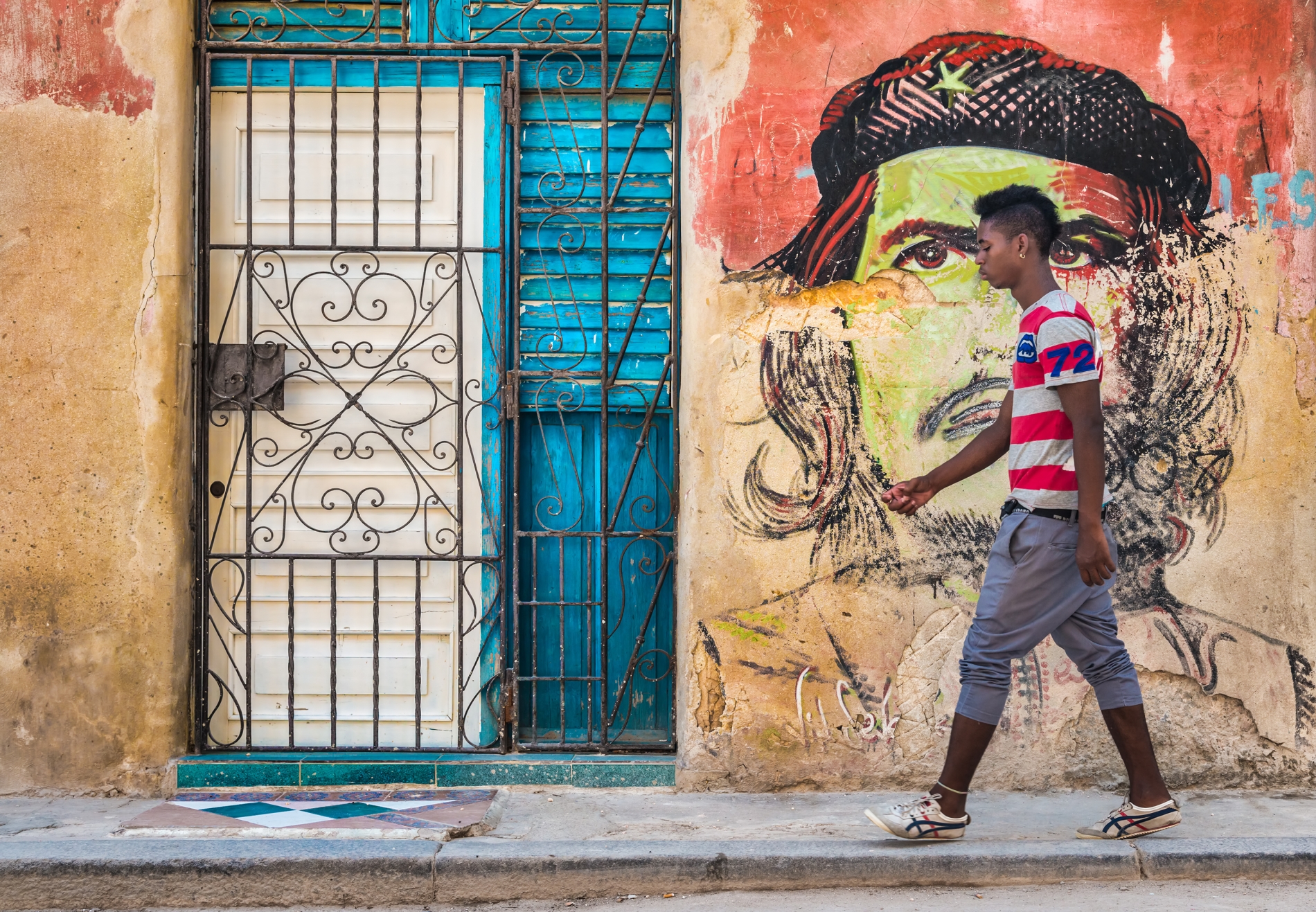
A young Cuban man walks by a colourful Che Guevara portrait painted on a shabby old wall in Old Havana.
What is Trump's next step in Latin America? Is it Cuba?
Yes. Cuba appears to stand next in sequence. Several layers intersect here. The first is Trump's personal ambition to inscribe his name on the annals of American foreign policy. Cuba has long occupied his horizon. He aspires to become the president who succeeded where 11 predecessors did not, from Kennedy onward. Cuba symbolises anti-imperial defiance and Third World communism scarcely 100km from Florida. One can readily imagine the rhetorical flourish that would follow, including renewed claims to international accolades.
A second layer derives from the neo-conservatism in his administration. Marco Rubio, a Cuban American from Miami, is Trump's principal guide in Latin American affairs, shaping much of the administration's regional orientation. His political trajectory is inseparable from the Cuban American community in Miami, based on decades of organised opposition to the Cuban government. His political identity is anchored in Cuba's transformation and the repudiation of communism.
Are there economic motives in Cuba's case?
Not fundamentally. Cuba has some resources and modest oil discoveries have been reported, but this is not a decisive factor. The more compelling factor lies in Florida's electorate. Their political weight is essential to keeping the state Republican, and they are intensely engaged on the Cuba issue.
What is the current situation in Cuba? Is the fall of the system foreseeable?
It is difficult to predict. An immediate collapse does not appear imminent, but the system is clearly under strain, and it cannot endure indefinitely. Sanctions remain in place, the blockade has tightened, and Cuba has lost the substantial support of Venezuela, including oil shipments. Cuba supplied not just security personnel but clinicians to Venezuela, but their removal is likely to be demanded.
As for Cuba itself, the economic landscape is dire. This is its gravest crisis since 1959. Domestic production is minimal, imports have contracted sharply, access to hard currency is severely constrained, and the blockade restricts avenues for recovery. Mexico had supplied up to 30,000 barrels of oil per day, but Washington has now ordered the suspension of these deliveries as well.
Politically, Cuban leaders seem to lack a compelling national project, but no clear alternative has emerged. The conditions for rupture exist, but American policymakers will be weighing the same considerations as they did in Venezuela. If outright regime change is not the aim, then there must be supervision mechanisms.
The risk is that Cuba disintegrates into (a broken state like) Haiti. A collapse could unleash a surge of migration, which would conflict with Trump's domestic priorities. Just as he is busy deporting hundreds of thousands of migrants, a sudden implosion in Cuba could send vast numbers toward Florida's shores in fragile vessels.
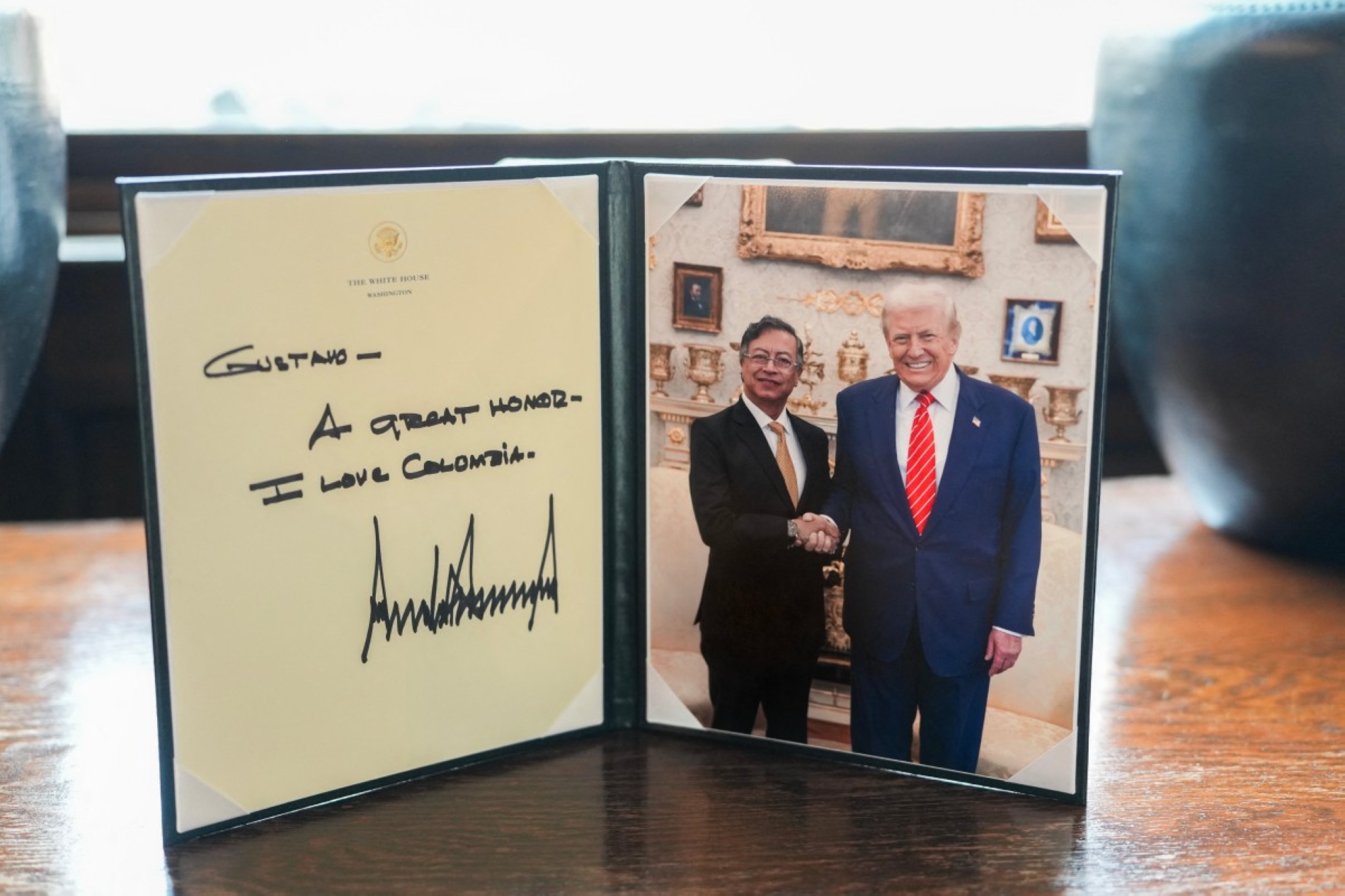
This handout picture released by the Colombian Presidency press office shows a book with an image of Colombian President Gustavo Petro shaking hands with US President Donald Trump at the White House in Washington on 3 February 2026.
What about Colombia?
The atmosphere seems to have calmed after Colombian President Gustavo Petro met Trump in Washington last week (after months of mutual criticism and threats, they described the meeting as cordial and productive, with an emphasis on how to tackle drug trafficking from Colombia's cocaine producers).
Colombia has an election coming up, and (the left-wing) Petro has five months remaining. Indications are that the right holds a discernible advantage. Will Trump seek to tilt the Colombian political landscape in favour of conservative forces, as he did in Argentina and Honduras? That would align with his broader approach, but it might not be effective.
Trump's actions encounter resistance at the level of public opinion. Even critics of Petro do not want America to interfere in Colombian affairs. Across the region, segments of the Latin American right are dissatisfied with Trump, particularly those who thought María Corina Machado would assume power in Venezuela.
Can the United States reverse the rise of Chinese influence in Latin America?
A defining feature of the 21st-century international order is the emergence of Latin America as an arena for strategic competition between Washington and Beijing. During the 2000s, the United States experienced economic and geopolitical strain, as it was heavily engaged in the Middle East. China capitalised, expanding its presence across Latin America, where it encountered receptive governments and built new partnerships.
That decade coincided with the ascent of the Latin American left, from Chávez in Venezuela, to Lula da Silva in Brazil, and Néstor and Cristina Kirchner in Argentina. These governments turned toward China to diversify their external relations and recalibrate longstanding dependencies. By the 2010s, the transformation was evident. China became the largest trade partner for South America, the second-largest for Central America and the Caribbean, and the third-largest for Mexico.
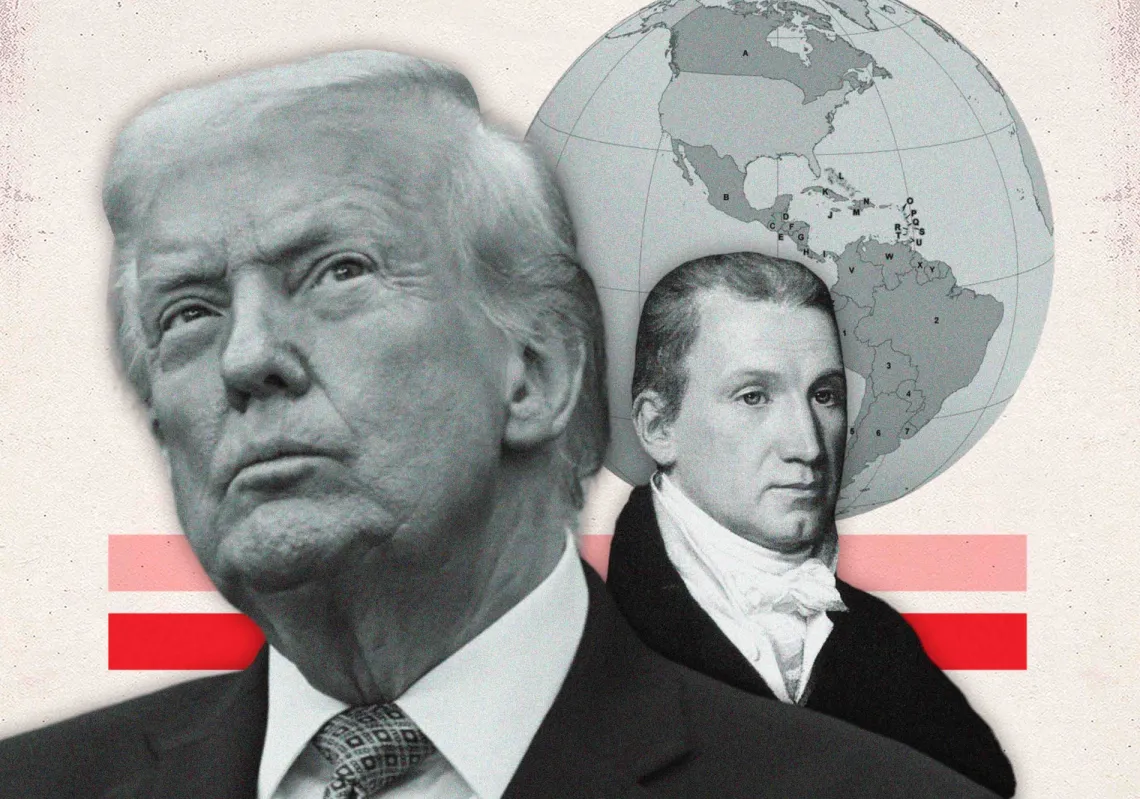
Trump resolved to reorganise American power by confronting China, rebuilding a sphere of influence in which economic policy, access to natural resources, and geopolitical alignments serve the restoration of American dominance in the Western Hemisphere. Within this framework, American policy seeks to curtail China's reach in Latin America.
Trump's second term began with the reassertion of American influence over the Panama Canal. After significant pressure, Chinese investors were removed from canal management, and US military access to the canal was formalised under a security arrangement. Argentina was similarly urged to limit the Chinese technological presence, such as with the Chinese satellite facility in Neuquén, in Argentina's Patagonia region. Washington says civilian Chinese technology has latent military applications that could undermine US security.
Yet China remains deeply embedded in the region. It is the principal trading partner and a major source of financing for numerous Latin American states. Although Argentina's Javier Milei is ideologically aligned with Trump, China is its foremost commercial partner, with its soybeans, beef, and other exports sold to the Chinese market.
Whether Trump can significantly diminish China's presence remains uncertain. In South America, where Chinese ties are strongest, left-leaning governments intend to preserve and deepen those relationships. Lula, the left-wing Brazilian president, recently articulated a diversification strategy, framing closer engagement with China and Europe as a response to mounting American pressure.
Severing ties with China would come at a high economic cost, particularly given that reciprocal concessions from Washington remain limited and that American tariffs of 10% are being levied, including on Argentina. The calculus may differ in Mexico and Central America, where economic interdependence with the United States is more pronounced. South American countries, by contrast, have more room to manoeuvre.
The larger and unresolved question concerns China's own trajectory. For now, Beijing is watching, evaluating, and adjusting. Chinese officials affirm their commitment to an active role in a new multipolar order and respond to American measures with countermeasures while avoiding escalation into open confrontation. The direction of their future response will prove decisive in shaping the next phase of this hemispheric contest.