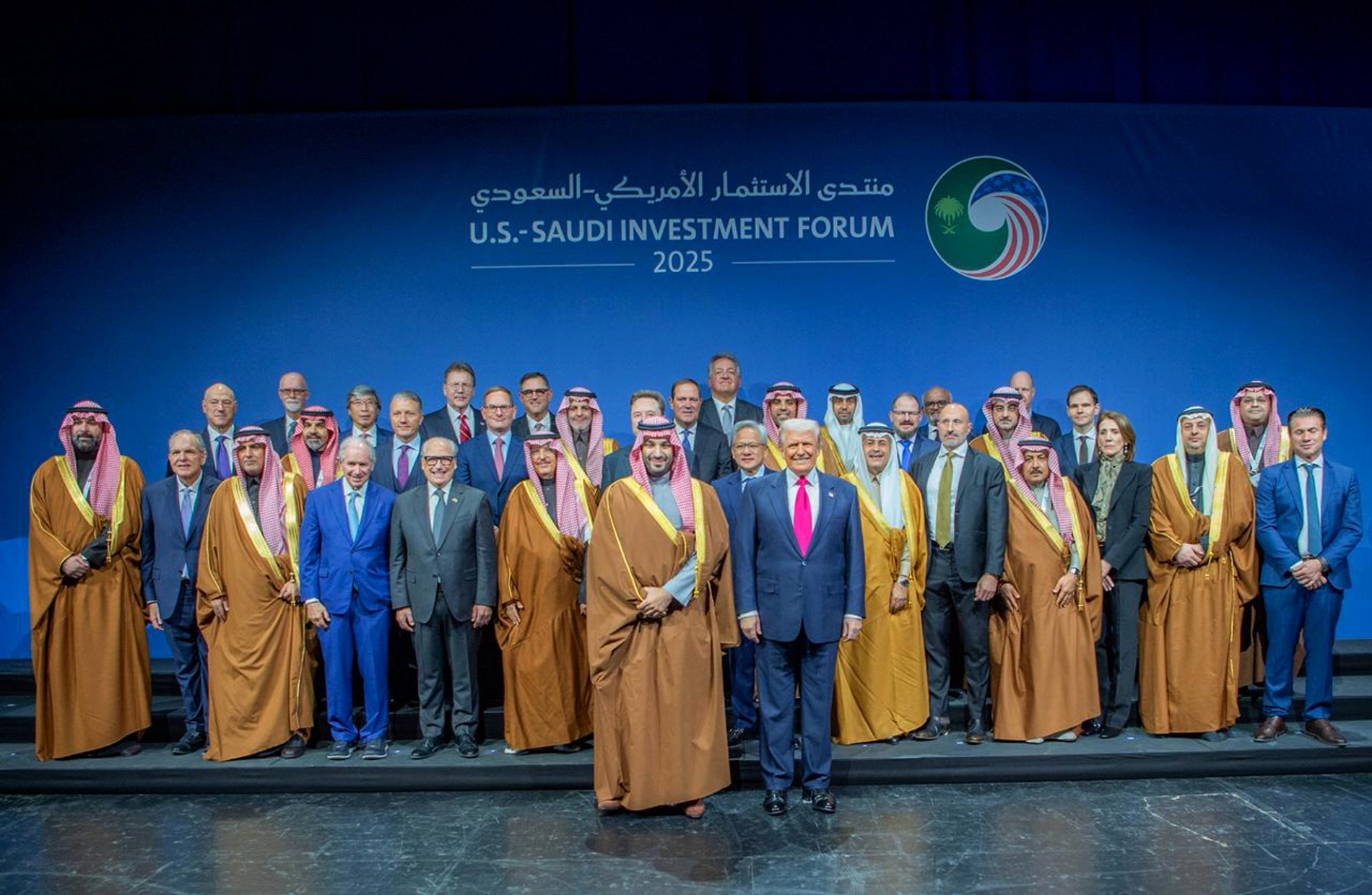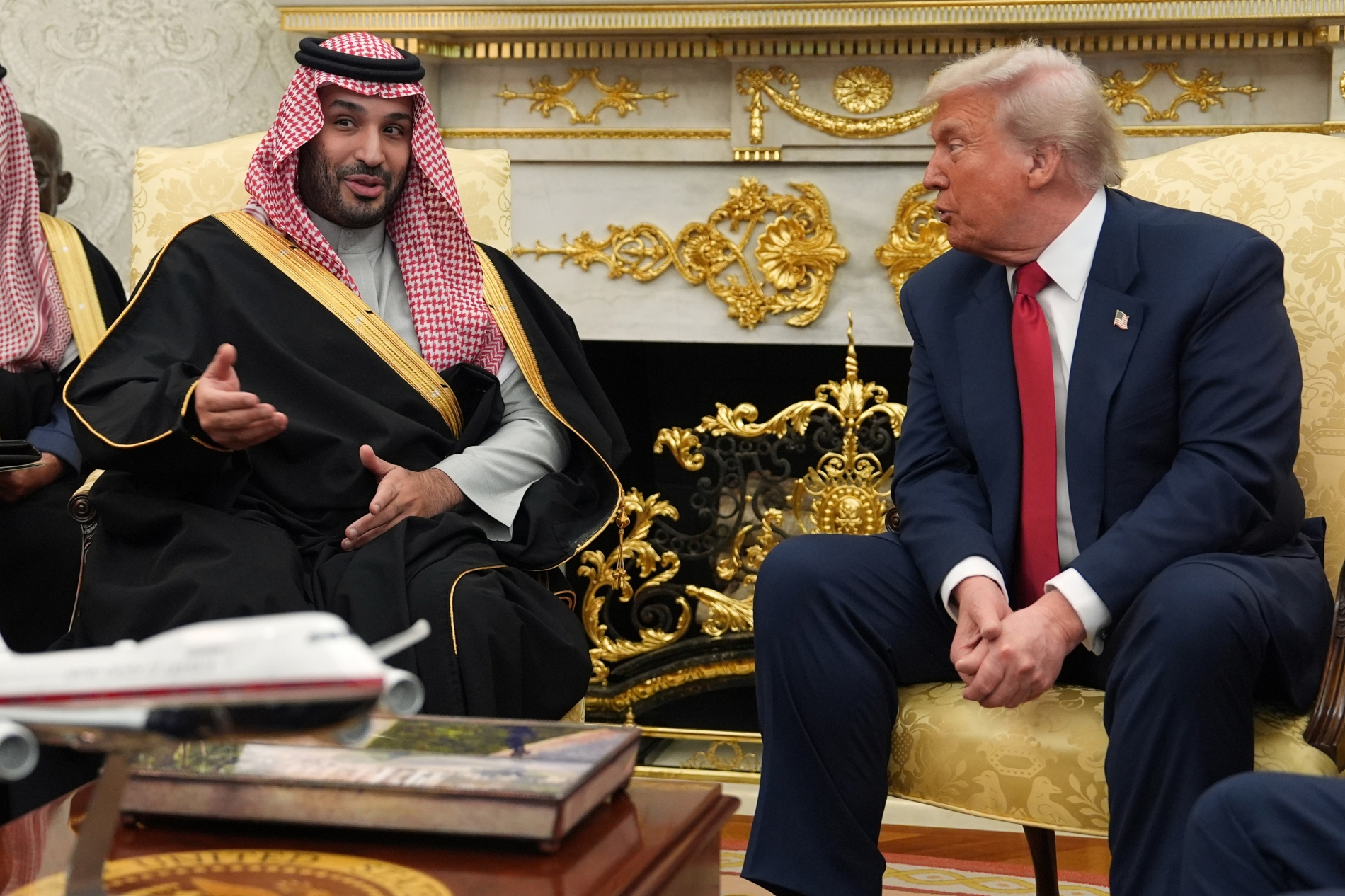

US President Donald Trump's first presidential term (2017-21) was not simply a shift in the trajectory of American foreign policy; it marked a profound geopolitical transformation that reassessed the very structure of international alliances. It left a clear impact on the world’s most sensitive regions, chief among them the countries of the Gulf Cooperation Council (GCC). This term represented a necessary break from the diplomatic traditions Washington had established, traditions rooted in balancing interests and maintaining a complex web of commitments.
In their place, the Trump administration introduced a political synthesis based on new criteria: strengthening personal relationships with leaders, embracing overt commercial pragmatism, and reframing alliances through the lens of a direct ‘deal’—where success was measured according to profit and loss. The language of direct interests dominated diplomatic discourse, personal relationships sometimes superseded bureaucratic channels, and the ‘America First’ doctrine took centre stage, imposing a new reality on both allies and adversaries. This was not merely a change in style; it was a fundamental shift in the philosophy guiding America’s relationship with the world, particularly its GCC allies.
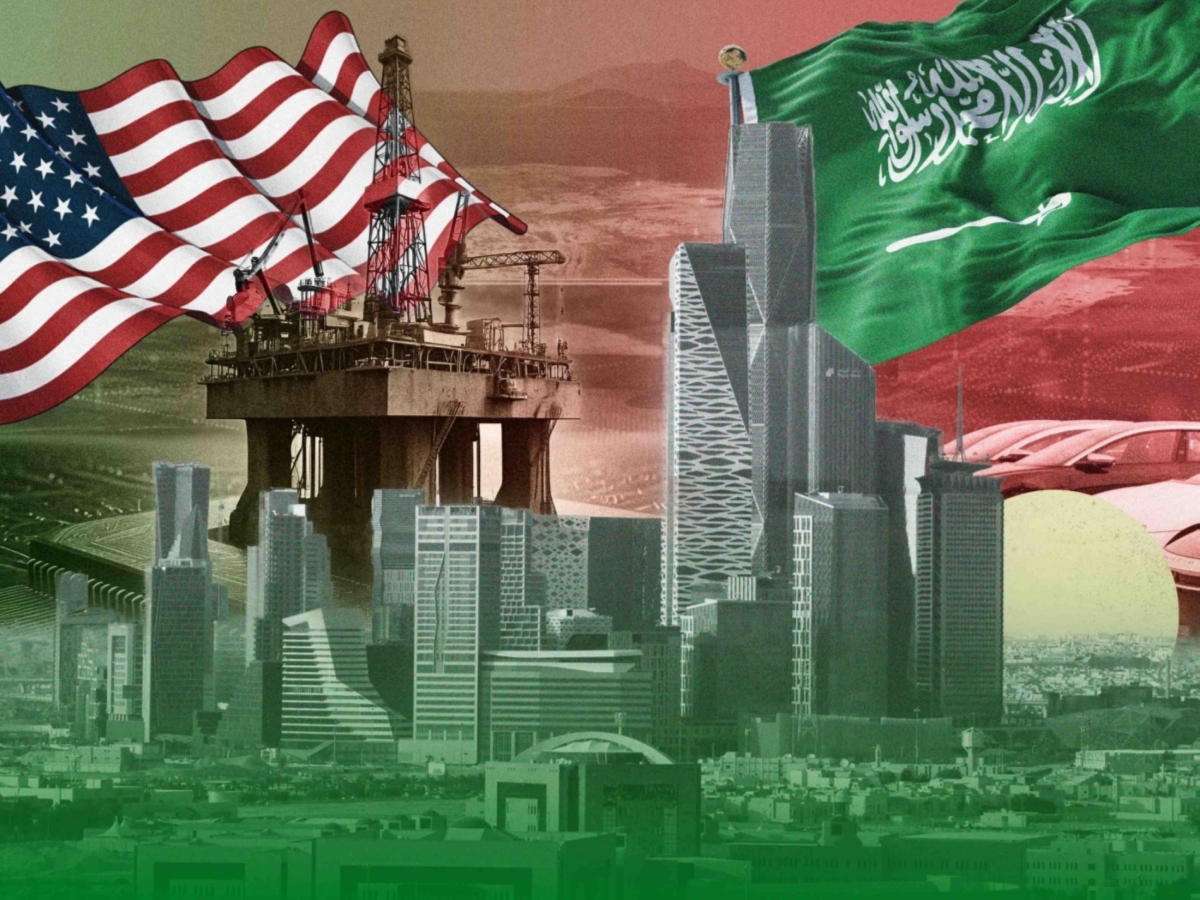
Trump did not see the region solely as an ally for global energy security, but as a commercial partner that should bear a greater share of mutual security costs. Through six interconnected axes, the Trump administration re-engineered alliances, interests, and priorities in the GCC during its first term.
This article will explore these axes in detail and project the future of these relationships in light of his second term, which began in January 2025, amid a changing geopolitical landscape where the Arab Gulf states are emerging as more independent actors. The outcomes of the 46th GCC Summit in Manama (December 2025) strongly confirmed the Gulf’s assimilation of this lesson, moving beyond merely reactive policies to initiate a new collective strategy, manifested in the call for joint defence shields and the acceleration of economic integration.
Diplomacy and institutions
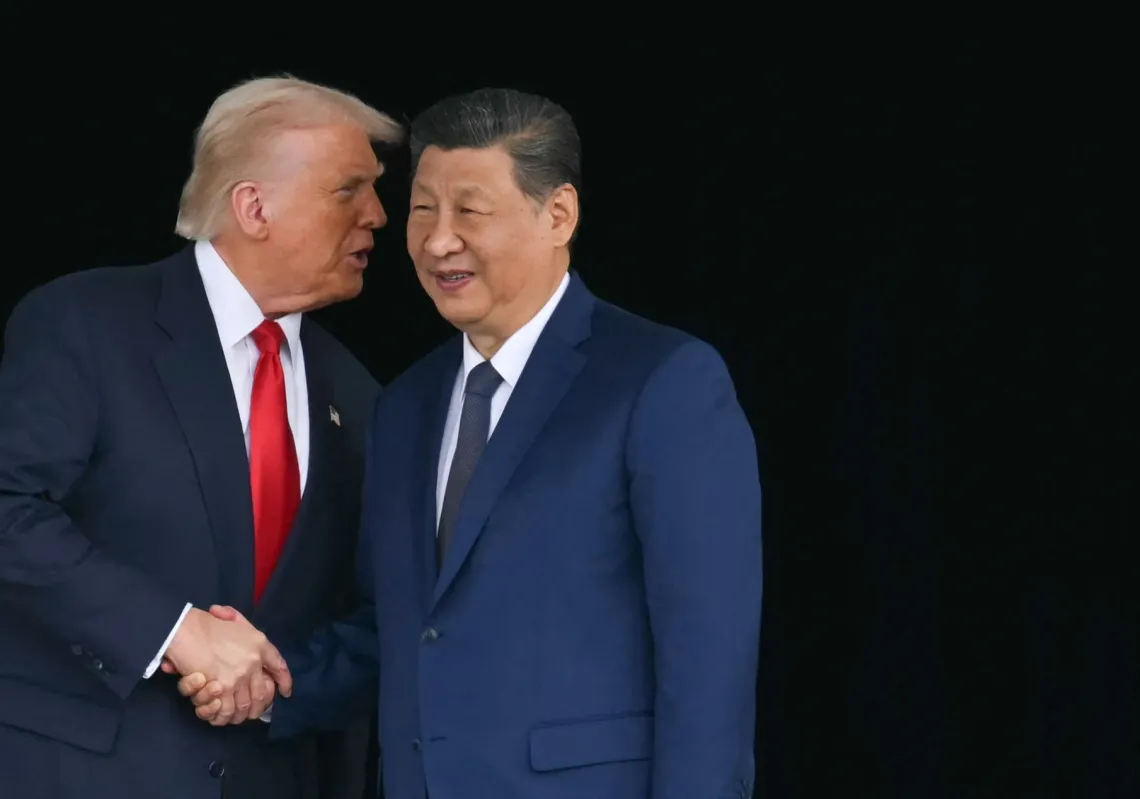
The most prominent feature of Trump’s foreign policy was his clear preference for personal relationships over institutional channels, shaped by his business background and deep suspicion of what he considered the ‘deep state’ and its complex bureaucratic processes. Trump viewed international relations through the lens of bilateral deals, where personal trust and direct understandings between decision-makers outweighed procedural diplomacy. This approach found fertile ground in the GCC, where systems of governance allow for swift decision-making at the highest levels.
This orientation transformed strategic alliances into what often resembled commercial transactions, with investments, arms sales, and financial figures serving as metrics for the relationship’s strength. His choice of Riyadh as his first foreign destination in May 2017 explicitly signalled this doctrine. The visit sought to reassure GCC allies, deter Iran, and mark a decisive departure from the tension that characterised US-GCC relations during the Obama years, particularly in the wake of the Iranian nuclear agreement, which deeply concerned the region’s leaders.
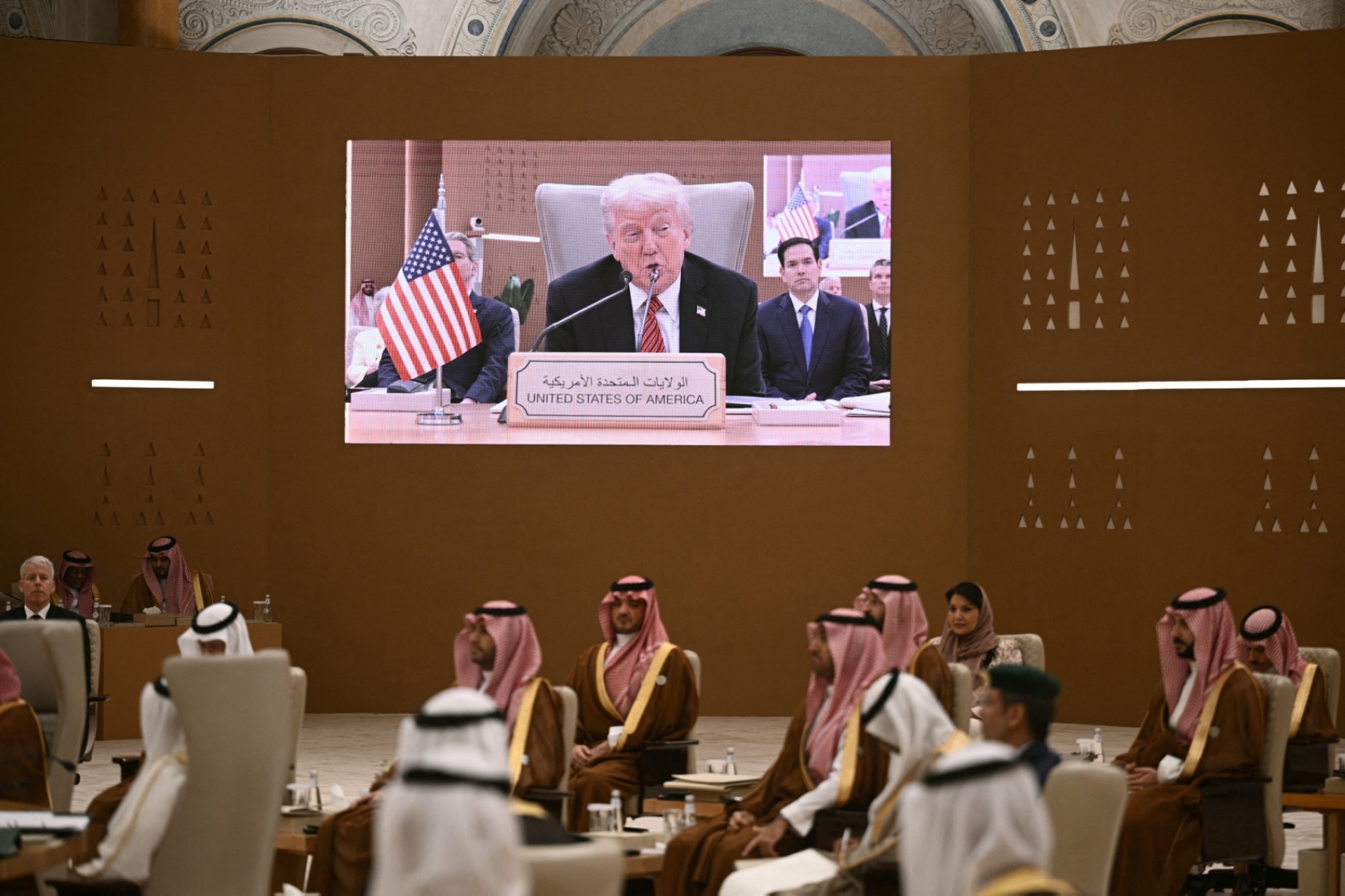
The Riyadh summit was more than a ceremonial event; it was a grand showcase of economic and military deals worth billions of dollars. To his domestic audience, Trump’s message was unequivocal: US foreign partnerships must yield tangible economic benefits, measured in jobs and direct gains for the American economy. This personalised diplomacy was reinforced by frequent visits from his inner circle—particularly his son-in-law and senior adviser Jared Kushner—who fostered direct and influential channels with decision-makers in Riyadh and Abu Dhabi.
By bypassing traditional intermediaries such as the State Department, this model granted GCC leaders unprecedented access to the core of decision-making in Washington. The effect was apparent in several key moments when Trump relied on his personal rapport with leaders, revealing the essence of his foreign policy doctrine: alliances were grounded less in shared political principles and more in mutual, quantifiable interests.
Confronting Iran
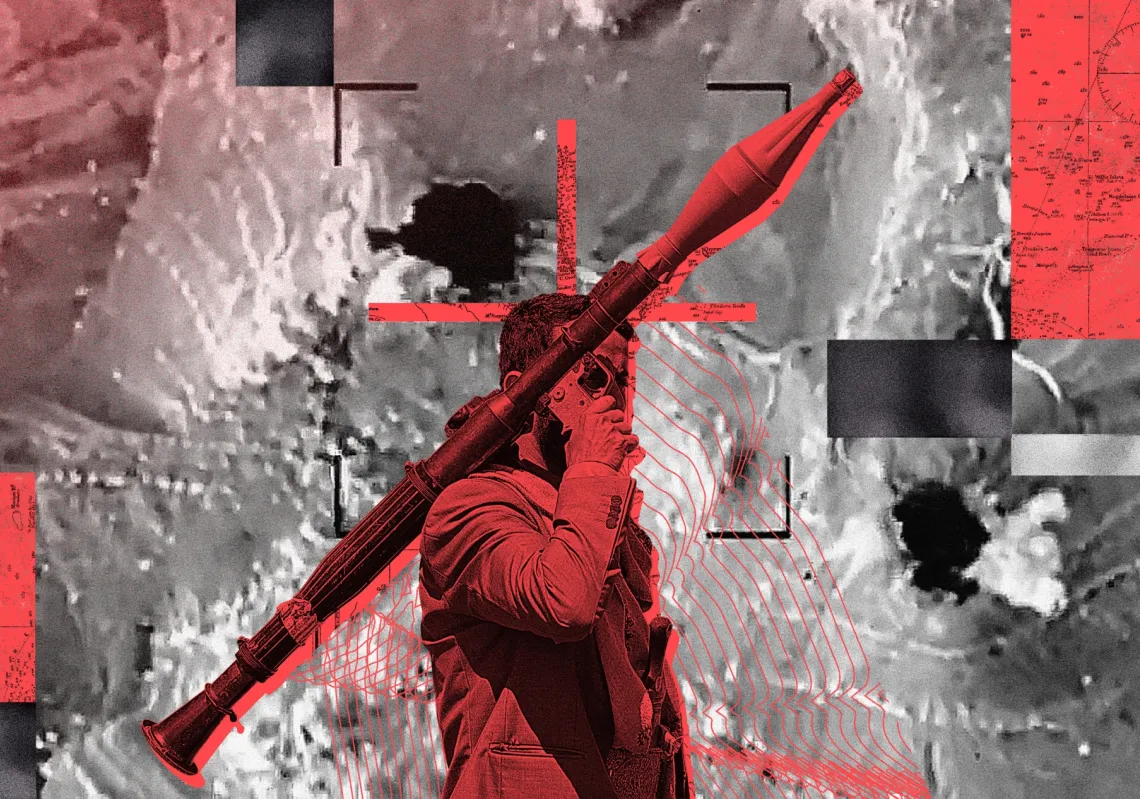
The maximum pressure campaign against Iran formed the backbone of Trump’s Middle East strategy during his first term. His unilateral withdrawal from the Joint Comprehensive Plan of Action (JCPOA) in May 2018 marked the most decisive step in this policy reorientation. From Trump’s perspective, the agreement was fundamentally flawed—not only because it failed to address Iran’s ballistic missile programme, but also due to its sunset clauses, which he saw as temporary constraints that empowered Tehran in the long run.
He believed the deal enabled Iran to expand its regional influence under the guise of diplomacy. Consequently, his administration pursued a comprehensive strategy to weaken the Iranian regime through sweeping economic sanctions, a campaign of diplomatic isolation, and calibrated displays of military strength, culminating in the January 2020 assassination of Quds Force commander Qasem Soleimani.